The Elegance of Excess
Exploring Swedish Rococo Furniture
The Elegance of Excess
Exploring Swedish Rococo Furniture
The Rococo style, originating in early 18th-century France, quickly swept across Europe, bringing with it a wave of new ideas about beauty and decoration. As this style crossed into Sweden, it adapted to local tastes and sensibilities, merging the flamboyant French curves with the Swedish preference for simplicity and lightness. This unique fusion resulted in a version of Rococo that is distinctly Swedish — understated yet sophisticated, opulent yet restrained. In this article, we will delve into the heart of Swedish Rococo furniture, exploring its origins, key characteristics, and lasting influence on design and culture.
Origins and Influences
The Rococo style, which emerged in early 18th-century France, epitomized a departure from the grandeur and symmetry of Baroque architecture and design. Characterized by its ornate detail, playful curves, and emphasis on asymmetry, Rococo first flourished in the intimate salons of the Parisian aristocracy. It was a style that celebrated the pleasures of life, often depicted through soft pastels, intricate wood carvings, and elaborate ornamentation.
As Rococo spread across Europe, each country adapted its flamboyant elements to fit local tastes and traditions. In Sweden, the style arrived during a period of significant cultural exchange with France, which was partly facilitated by the marriage of King Frederick I of Sweden to Princess Ulrika Eleonora of Denmark, who later became Queen Ulrika Eleonora of Sweden. Under their reigns, Swedish interiors began to embrace the lighter, more playful Rococo aesthetics, which marked a clear shift from the more staid and functional designs that had previously been popular.
Cultural Significance
In Sweden, the Rococo style coincided with a period of relative peace and prosperity, which allowed the arts to flourish. The reign of Frederick I and Queen Ulrika Eleonora saw an increase in the patronage of the arts as part of a broader strategy to strengthen the monarchy’s cultural prestige. Rococo, with its emphasis on decoration and beauty, was perfectly suited to this end.
The style’s adoption in Sweden also reflected the social and economic conditions of the time. It was a period when Sweden was becoming more outward-looking, engaging in international trade and diplomacy. The ornate and cosmopolitan nature of Rococo furniture signified both wealth and a worldly perspective, aligning with the desires of the Swedish elite to project an image of refined sophistication and cultural savoir-faire.
Moreover, Rococo in Sweden was not just an aesthetic choice but also a political tool. By aligning themselves with the fashionable courts of Europe, particularly France, Swedish royals and nobility could assert their status and power. The furniture was not merely decorative but served as a symbol of connection and alignment with broader European artistic and cultural movements, reinforcing the monarchy’s and the country’s place within the continental hierarchy.
Characteristics of Swedish Rococo Furniture
Design Elements
Swedish Rococo furniture is a testament to the artistry and innovation of 18th-century Swedish craftsmen and designers. It is distinguished by several key design elements:
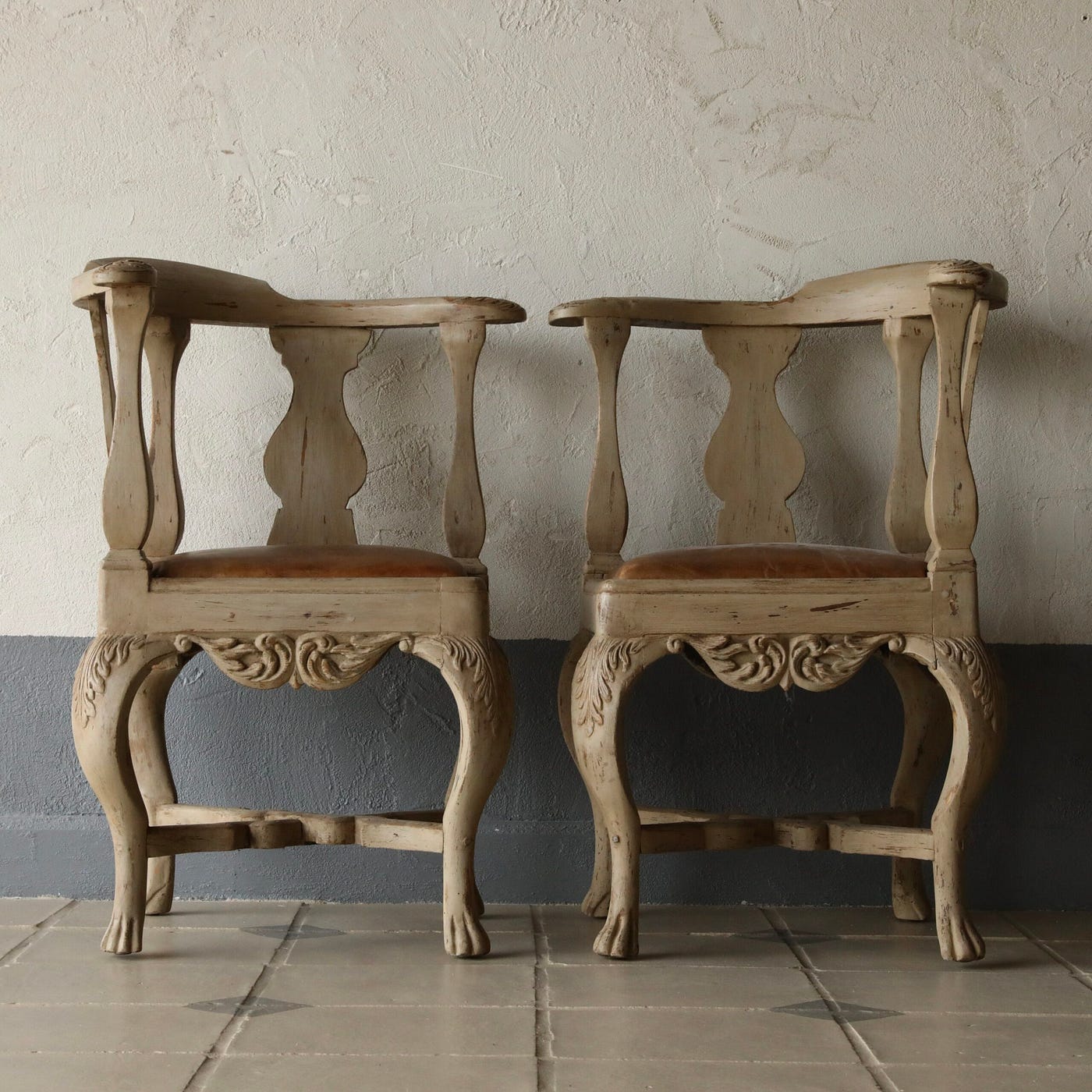
- Asymmetry: One of the hallmarks of Rococo style, asymmetry in Swedish Rococo furniture adds a dynamic and visually intriguing aspect. Unlike the strict symmetries of previous styles, Rococo pieces often feature compositions that seem to move and flow, with elements like serpentine fronts and sides on commodes and cabinets.
- Naturalistic Floral Patterns: Reflecting the Rococo love for nature, Swedish furniture of this era frequently incorporates elaborate floral and foliate carvings. These patterns are not just embellishments but are integrally carved into the wood, showcasing scenes teeming with life, including flowers, vines, and leaves.
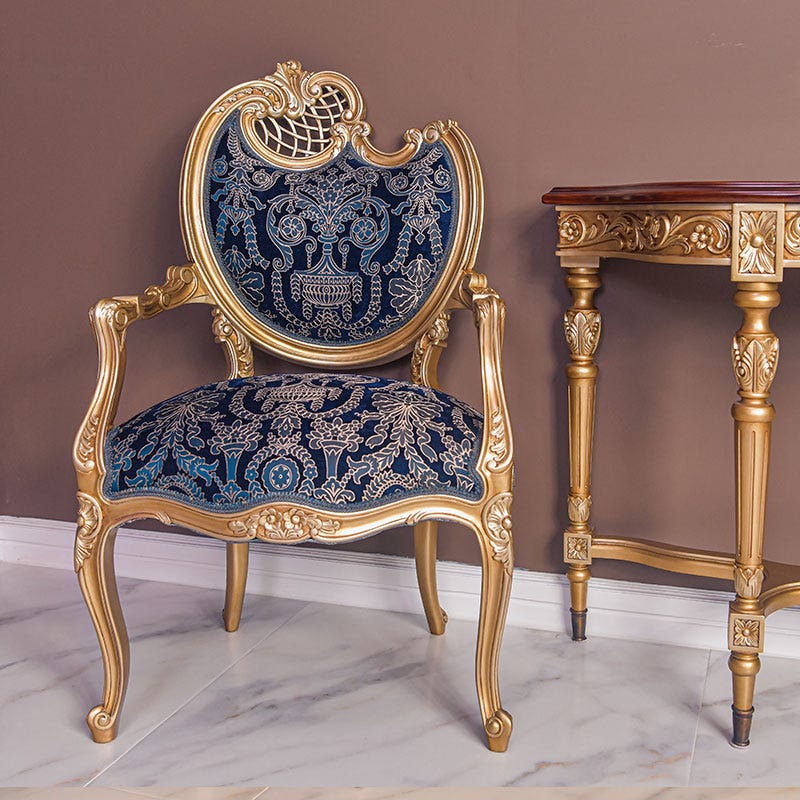
- Sinuous Curves: The curves in Swedish Rococo furniture are gentle and flowing, creating a sense of movement and softness. This is particularly evident in the legs and arms of chairs and the contours of tables and other furnishings, which often exhibit a graceful, almost dance-like form.
Materials and Techniques
The choice of materials and the techniques used to work them are fundamental to the distinctive quality of Swedish Rococo furniture:
- Luxurious Materials: While mahogany was popular in many parts of Europe, Swedish Rococo also made use of locally sourced woods such as pine, which were often painted or stained to imitate more exotic materials. This not only speaks to the adaptability and resourcefulness of Swedish craftsmen but also to their ability to engage with international aesthetic trends while utilizing available resources.
- Marquetry and Gilding: Marquetry in Swedish Rococo furniture often involves intricately pieced together veneers of different colored woods, creating complex and detailed images and patterns. Gilding, albeit used more sparingly in Sweden than in some other countries, was applied to highlight the ornate carvings and enhance the furniture’s luxurious appearance.
Functionality
Despite its elaborate appearance, Swedish Rococo furniture was designed with a keen sense of practicality:
- Designed for Use: Chairs and sofas are not only beautiful but also comfortable, with considerations made for the sitter’s ease, such as slightly tilted backs and well-padded seats. Tables, cabinets, and other pieces are proportioned to be functional in everyday life, often featuring drawers and compartments that add to their utility.
- Adaptability: Many pieces were designed to serve multiple purposes; for example, a writing desk might also contain compartments for storing personal items, or a large cabinet might feature a fold-out desk surface. This adaptability made Rococo furniture particularly suited to the domestic environments of the time, where elegance and practicality were both prized.
Influence and Legacy
Enduring Popularity
Swedish Rococo furniture has maintained its allure and remains a staple in antique markets and among collectors worldwide. Its enduring popularity can be attributed to its timeless elegance and the exceptional craftsmanship it showcases, which appeal to both aesthetic sensibilities and the desire for historical pieces. The intricate designs and the rich history encapsulated in each piece continue to fascinate enthusiasts and connoisseurs, ensuring that Swedish Rococo furniture finds a cherished place in modern homes.
Modern Adaptations
Contemporary designers frequently look to the past for inspiration, and Swedish Rococo is no exception. Its influence is evident in modern furniture that embraces fluidity, ornamentation, and functionality. Today’s designers reinterpret the traditional Rococo curves and floral motifs with a modern twist, integrating cutting-edge materials and techniques while maintaining the essence of Rococo’s whimsical charm. This revival and adaptation underscore the timeless nature of Rococo design principles and their adaptability to current trends.
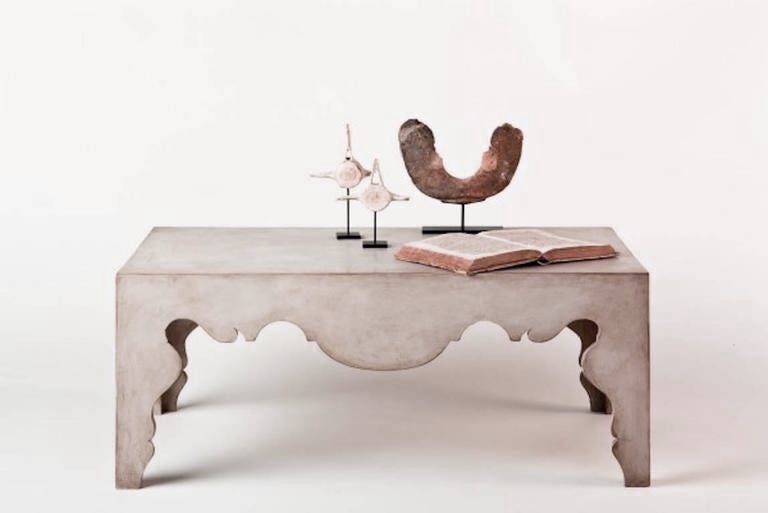
Swedish Rococo furniture represents a pivotal moment in design history, characterized by its elaborate ornamentation, refined elegance, and practical utility. Its adoption in Sweden during the 18th century marked a significant evolution in interior design, reflecting broader societal shifts and the Swedish adaptation of international styles. Today, the legacy of Swedish Rococo continues to influence modern design, proving that true style is indeed timeless.
For those intrigued by the intricate beauty and historical depth of Swedish Rococo furniture, consider visiting local museums or galleries that feature period artifacts. Institutions like the Nationalmuseum in Stockholm house extensive collections where you can experience the splendor of Rococo firsthand. Additionally, exploring design books and online resources can further enrich your appreciation and understanding of this fascinating style.
[embed]
메타데이터
- post_id
- cfbc5ce7bc6e
- slug
- the-elegance-of-excess-cfbc5ce7bc6e
- url
- https://medium.com/@bhys/the-elegance-of-excess-cfbc5ce7bc6e
- canonical_url
- https://medium.com/@bhys/the-elegance-of-excess-cfbc5ce7bc6e
- author_url
- https://medium.com/@bhys
- status
- ok
- fetched_at
- 2026-07-21 07:40:18