Fertility Support: Understanding Acupuncture
In the realm of fertility support, acupuncture emerges as a holistic and increasingly popular avenue. Couples navigating the challenging…
Fertility Support: Understanding Acupuncture
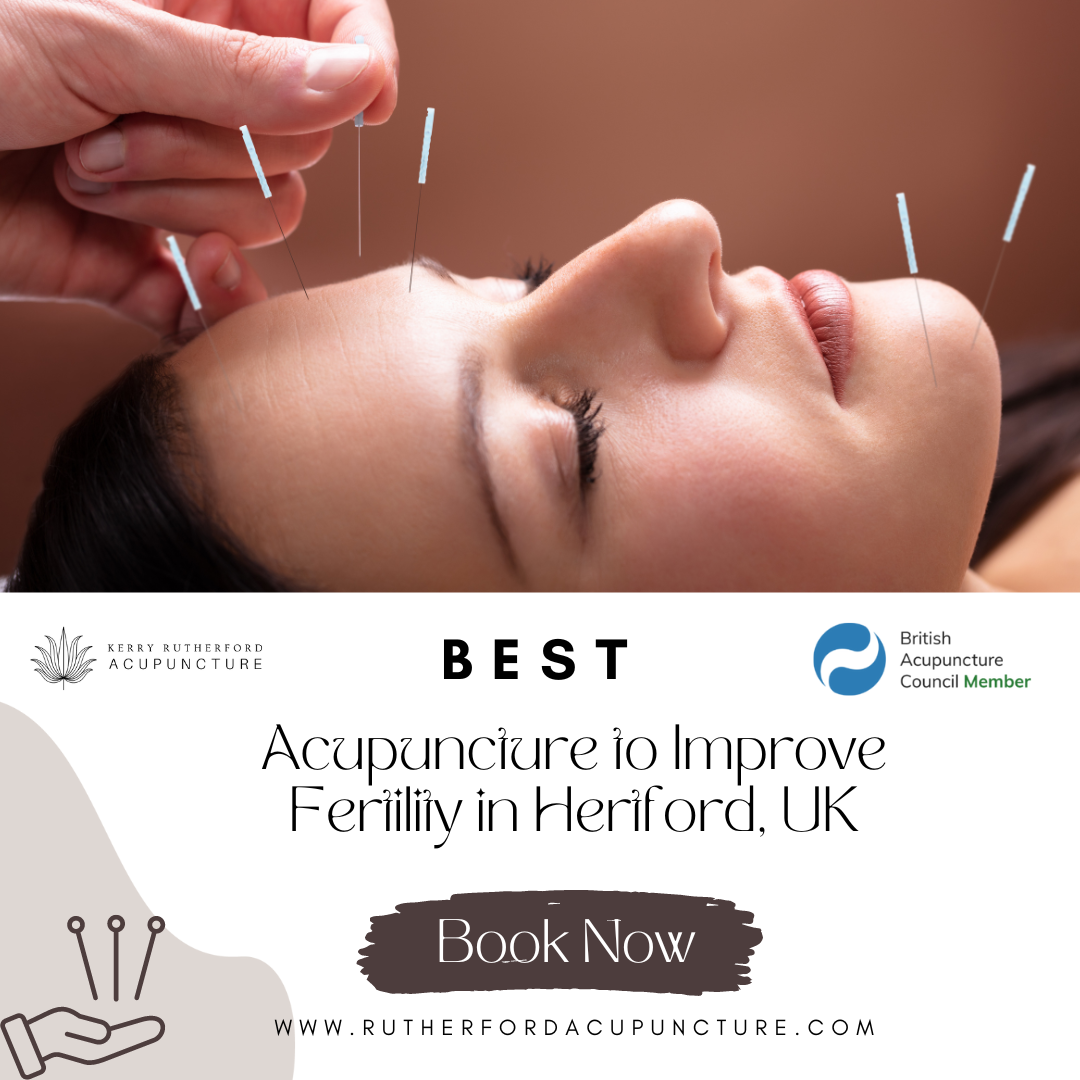
In the realm of fertility support, acupuncture emerges as a holistic and increasingly popular avenue. Couples navigating the challenging journey of conception often seek alternative therapies alongside conventional treatments. Acupuncture, with its roots in ancient Chinese medicine, offers a unique approach to addressing fertility concerns. This article delves into the science, benefits, and practical applications of **acupuncture for fertility support in Hertford, UK**.
The Basics of Acupuncture
Acupuncture is a key component of traditional Chinese medicine (TCM) that involves the insertion of thin needles into specific points on the body. These points, known as acupuncture points or acupoints, are believed to be interconnected along pathways called meridians. The goal of acupuncture is to restore balance and promote the smooth flow of qi, or vital energy, throughout the body.
Acupuncture and Fertility
While acupuncture has been used for centuries to treat various health conditions, its application in fertility support has gained significant attention in recent years. Research suggests that acupuncture may influence reproductive health through several mechanisms:
- Regulating Hormones: Acupuncture may help regulate hormonal imbalances that can affect fertility. By stimulating certain acupoints, acupuncture may influence the release of hormones such as follicle-stimulating hormone (FSH), luteinizing hormone (LH), and estradiol.
- Improving Blood Flow: Proper blood flow to the reproductive organs is essential for optimal fertility. Acupuncture has been shown to improve blood circulation, potentially enhancing the delivery of nutrients and oxygen to the ovaries and uterus.
- Reducing Stress: Stress can negatively impact fertility by disrupting hormone levels and menstrual cycles. Acupuncture has stress-reducing effects, promoting relaxation and potentially mitigating the impact of stress on fertility.
- Supporting Egg Quality and Ovulation: Acupuncture may play a role in improving egg quality and promoting regular ovulation. By addressing underlying imbalances in the body, acupuncture could enhance the overall environment for conception.
- Augmenting Assisted Reproductive Techniques (ART): Acupuncture is often used as a complementary therapy alongside assisted reproductive techniques such as in vitro fertilisation (IVF) and intrauterine insemination (IUI). Studies suggest that acupuncture may improve the success rates of these procedures by enhancing blood flow to the uterus, reducing inflammation, and alleviating stress.
What to Expect During an Acupuncture Session
If you’re considering acupuncture for fertility support, you may wonder what to expect during a session. Here’s a general overview:
- Consultation: Your first session will typically begin with a thorough consultation. Your acupuncturist will discuss your medical history, fertility concerns, and treatment goals.
- Acupuncture Treatment: During the acupuncture treatment, you’ll lie comfortably on a treatment table. The acupuncturist will insert thin needles into specific acupoints based on your individual needs. You may feel a slight sensation upon needle insertion, but acupuncture is generally painless and relaxing.
- Relaxation: Many people find acupuncture sessions to be deeply relaxing. You’ll have the opportunity to rest quietly for the duration of the treatment, which typically lasts between 20 to 40 minutes.
- Follow-Up: Depending on your treatment plan, you may schedule follow-up acupuncture sessions to maintain progress and address ongoing fertility concerns.
Choosing an Acupuncturist
When seeking acupuncture for fertility support, it’s essential to choose a qualified and experienced acupuncturist. Look for practitioners who specialise in fertility support and have a track record of success in helping couples conceive. Additionally, consider factors such as credentials, certifications, and patient testimonials when selecting an acupuncturist.
Integrating Acupuncture with Conventional Treatments
Acupuncture can complement conventional fertility treatments such as medication, intrauterine insemination (IUI), and in vitro fertilisation (IVF). Many fertility clinics now offer acupuncture as part of their comprehensive treatment plans. Integrating acupuncture with conventional therapies can enhance overall fertility support and improve the chances of success.
Real-Life Success Stories
Numerous couples have shared their experiences of using acupuncture for fertility support, often with positive outcomes. While individual results may vary, many people report improvements in menstrual regularity, hormone balance, and overall well-being after incorporating acupuncture into their fertility journeys.
Conclusion
Acupuncture offers a gentle and holistic approach to fertility support, addressing both physical and emotional aspects of reproductive health. By promoting balance within the body and reducing stress, acupuncture may enhance natural fertility and support conventional treatments such as IVF and IUI. If you’re considering acupuncture for fertility support, consult with a qualified acupuncturist to develop a personalised treatment plan tailored to your needs. With its long history of use and growing body of research, acupuncture continues to be a valuable resource for couples on the path to parenthood.
메타데이터
- post_id
- cfd565bd1f45
- slug
- fertility-support-understanding-acupuncture-cfd565bd1f45
- url
- https://medium.com/@kerryrutherfordacupuncture/fertility-support-understanding-acupuncture-cfd565bd1f45
- canonical_url
- https://medium.com/@kerryrutherfordacupuncture/fertility-support-understanding-acupuncture-cfd565bd1f45
- author_url
- https://medium.com/@kerryrutherfordacupuncture
- status
- ok
- fetched_at
- 2026-07-31 09:22:26