5 Medical Myths That Refuse to Die and What Science Says Instead
From hydration hype to detox scams, these common health beliefs sound harmless — until you see what science really says.
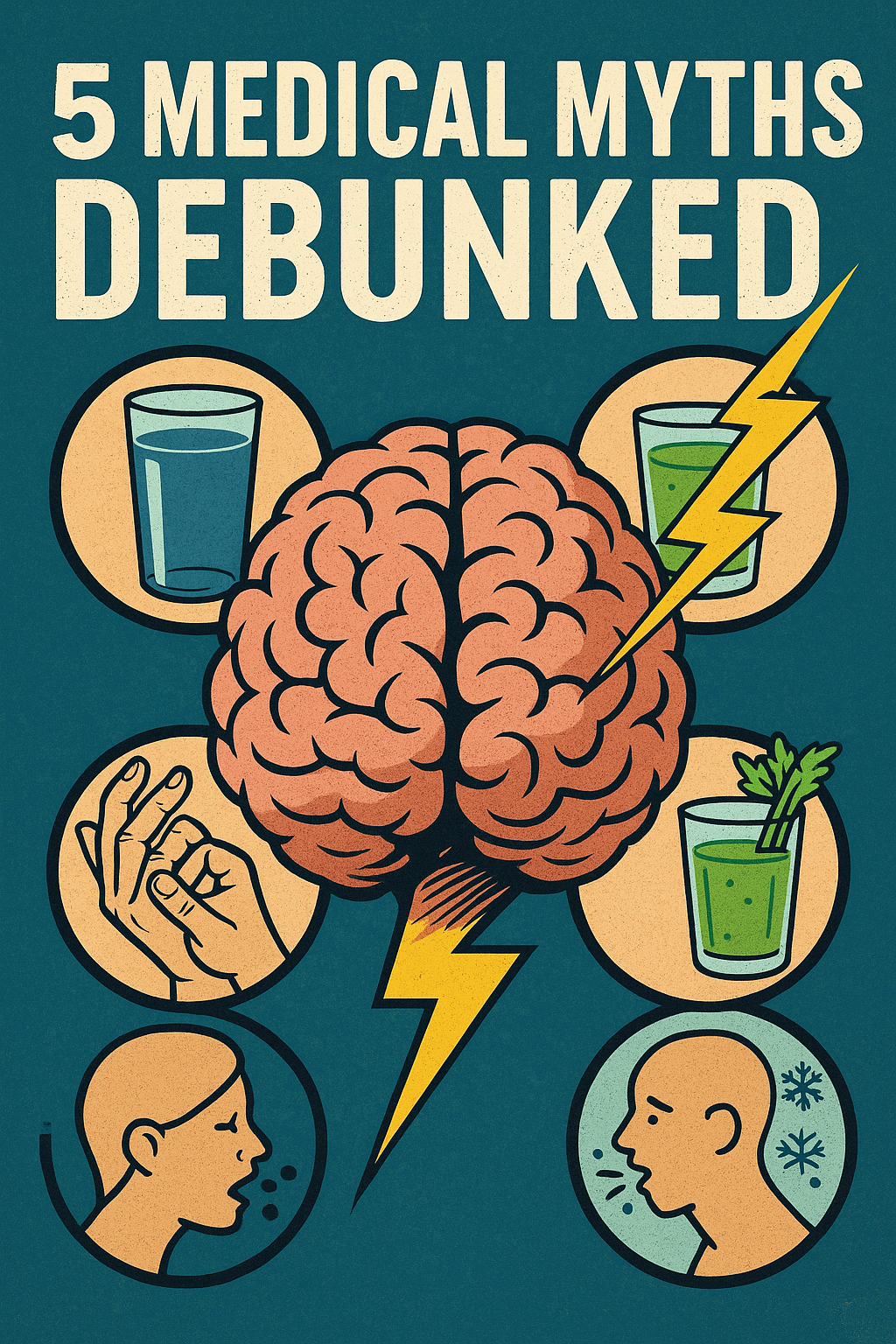
Striking brain-centered illustration debunking five persistent medical myths, from hydration hype to cold-weather colds.
5 Medical Myths That Refuse to Die and What Science Says Instead
From hydration hype to detox scams, these common health beliefs sound harmless — until you see what science really says.
In the 18th century, British doctors prescribed mercury tonics for everything from headaches to constipation.
Ancient Egyptians used crocodile dung as birth control. A hundred years ago, American entrepreneurs sold “radium water” as a cure-all, right up until people’s jaws started falling apart.
These were not fringe ideas. They were mainstream medical advice, trusted and followed.
Fast forward to today, and you would think we have outgrown such nonsense. Yet some of the health beliefs we carry around are just as absurd when you look closely.
We live in a world with access to more scientific data than ever before.
But myths still sneak into our habits, conversations, and even our doctors’ offices. They persist because they feel true, they sound simple, and they spread easily.
By the end of this, you will never look at a glass of water, a juice cleanse, or a winter sniffle in quite the same way again.
Here are five of the most common medical myths still floating around and what science actually says.
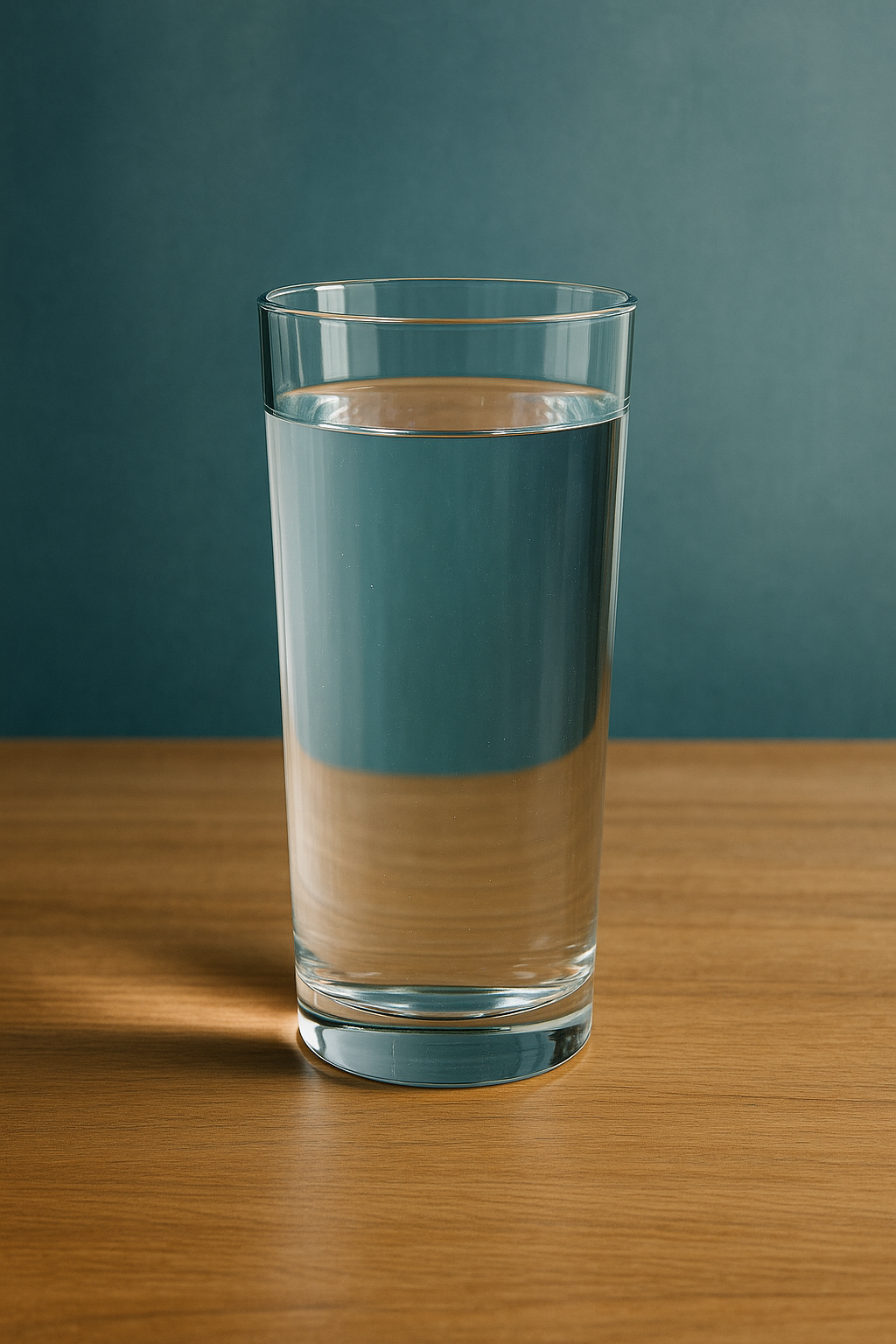
Striking image of a tall glass of water, representing the popular but misleading “eight glasses a day” hydration myth.
1. You Must Drink Eight Glasses of Water a Day
If you grew up believing the “8×8” rule — eight eight-ounce glasses of water daily — you are not alone.
The idea comes from a 1945 U.S. Food and Nutrition Board recommendation stating that adults need about 2.5 liters of water a day. But there was a catch.
The original statement also said most of that comes from food, which was quietly ignored.
Water in fruits, vegetables, soups, and even coffee counts toward hydration. Your body does not care if that fluid came from a crisp apple or a tall glass of plain water.
The science is straightforward. Healthy adults should drink when they feel thirsty. In hot climates or during intense exercise, you will need more. For most people, forcing down a set number of glasses is unnecessary.
Overhydration is a real risk. Drinking excessive amounts in a short period can cause hyponatremia — dangerously low sodium in the blood — which can be life-threatening.
Your kidneys are not an artisanal filter subscription service. They handle the job without you micromanaging every sip.
Takeaway: Drink to thirst, pay attention to your body’s cues, and remember that your salad and soup count.
2. Cracking Your Knuckles Causes Arthritis
Parents have been warning kids about this one for decades. The claim is that popping your knuckles wears down the joints, leading to arthritis later in life.
The truth? There is no scientific evidence linking knuckle cracking to arthritis.
The popping sound comes from gas bubbles forming and collapsing in the synovial fluid that lubricates your joints. It is called cavitation, and it is harmless.
Donald Unger, a California doctor, famously cracked the knuckles on his left hand twice daily for fifty years while leaving the right hand alone.
At the end of the experiment, neither hand showed any difference in arthritis. He even won an Ig Nobel Prize for his dedication.
Some people may notice temporary swelling or reduced grip strength if they crack their knuckles excessively, but this is not a direct cause of joint disease.
Takeaway: Cracking your knuckles is mostly an annoyance to people around you, not a ticket to arthritis.
3. Detox Diets Flush Out Toxins
From juice cleanses to activated charcoal shots, detox culture is thriving. The promise is simple: follow the plan, and your body will be rid of harmful toxins.
The word “toxin” is rarely defined in these programs. It is usually a vague stand-in for anything you do not like — processed food, pollution, alcohol.
The problem is that your body already has a world-class detox system: your liver and kidneys.
The liver breaks down and filters harmful substances. The kidneys filter waste and excess fluid from your blood. Your lungs, skin, and digestive system all play supporting roles.
When detox programs claim to “rest” your organs or “reset” your system, they are selling a story, not science.
Studies show no measurable benefit from juice cleanses or herbal detoxes in healthy people.
Activated charcoal can bind toxins in emergencies such as poisoning, but it also binds nutrients and medications, which can be harmful if used without medical supervision.
The most dangerous detox trends involve colonics or extended fasting without medical oversight. These can cause dehydration, electrolyte imbalance, and in rare cases, perforation of the bowel.
If your liver had Yelp reviews, it would have five stars for detox efficiency. You do not need to micromanage it with celery juice.
Takeaway: Support your body’s natural detox system with adequate sleep, regular exercise, a balanced diet, and minimal alcohol. That is the real cleanse.
Want more science-backed ways to feel healthier without falling for fads? → Grab my **Micro-Habits ebook bundle **— the same strategies I share with my patients to help them live longer, stronger lives.
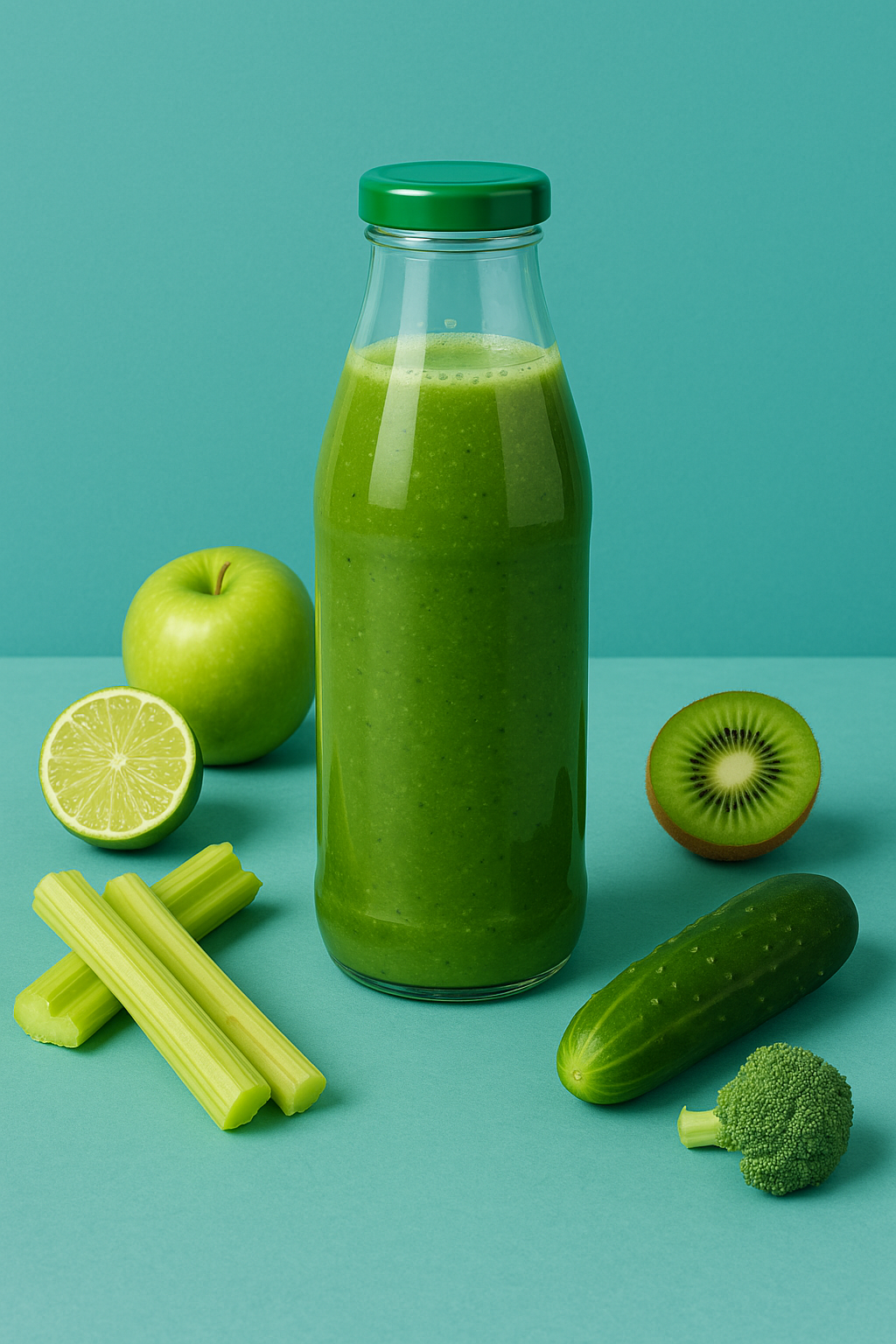
Colorful image of a green detox juice surrounded by fresh produce, illustrating the popular but misleading detox diet myth.
4. You Only Use Ten Percent of Your Brain
Hollywood loves this myth. It gives us movies where a character “unlocks” the other ninety percent and suddenly develops telekinesis or instant genius.
The myth likely originated in the early 20th century, when psychologist William James wrote that “we are making use of only a small part of our possible mental and physical resources.”
Over time, this was twisted into the idea that we use only ten percent of our brain’s capacity.
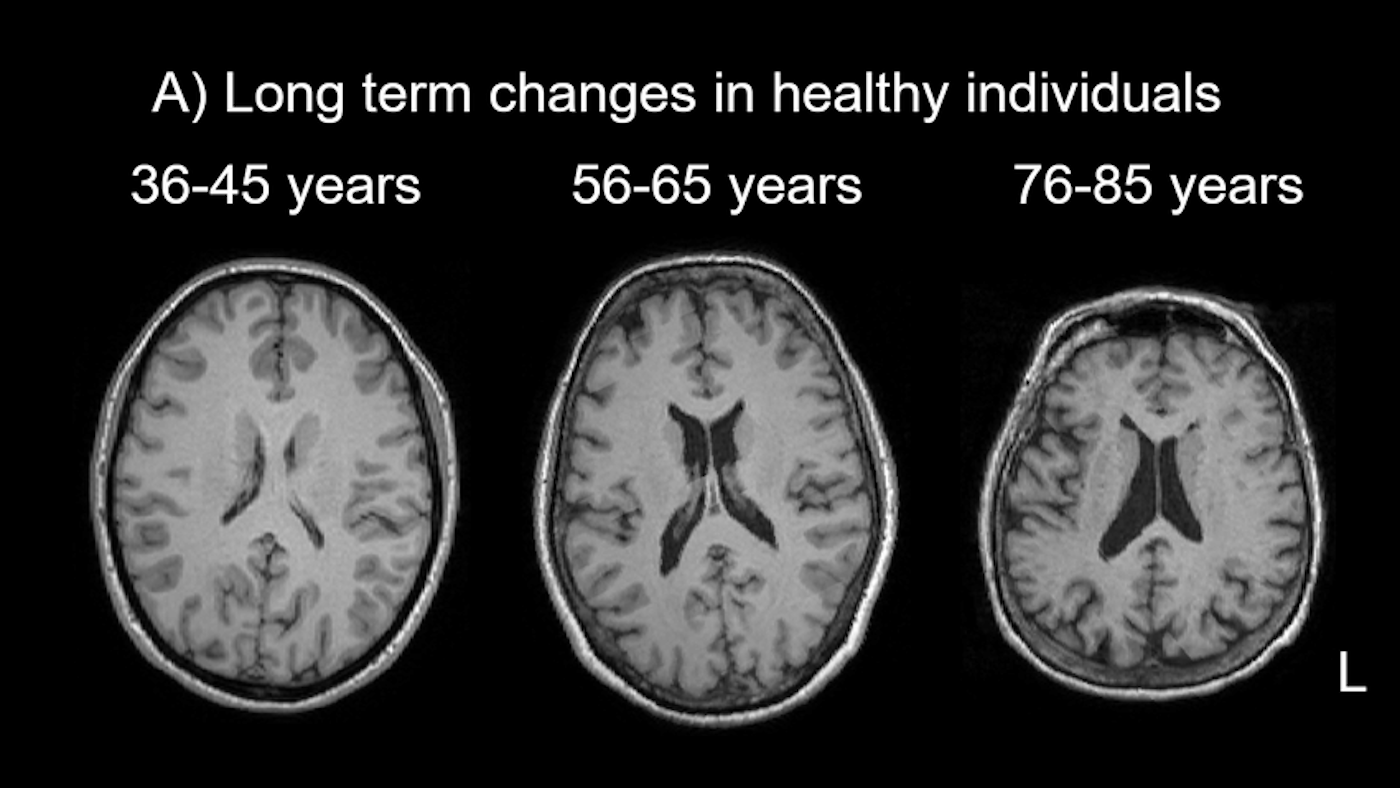
Modern neuroscience shows the truth. Functional MRI scans reveal that almost every part of the brain is active over a day, even during rest or sleep.
Lesion studies — where brain injury damages specific areas — show that losing even small regions can have major consequences.
No dormant lobes are waiting to be activated. What you can do is improve your brain's efficiency.
Adequate sleep, regular exercise, mental challenges, and strong social connections all help keep your neural circuits healthy.
The ten percent myth is not just wrong; it is a missed opportunity. Believing it can make people underestimate the value of everyday brain care.
Takeaway: You already use your whole brain. Focus on protecting and challenging it, not “unlocking” imaginary reserves.
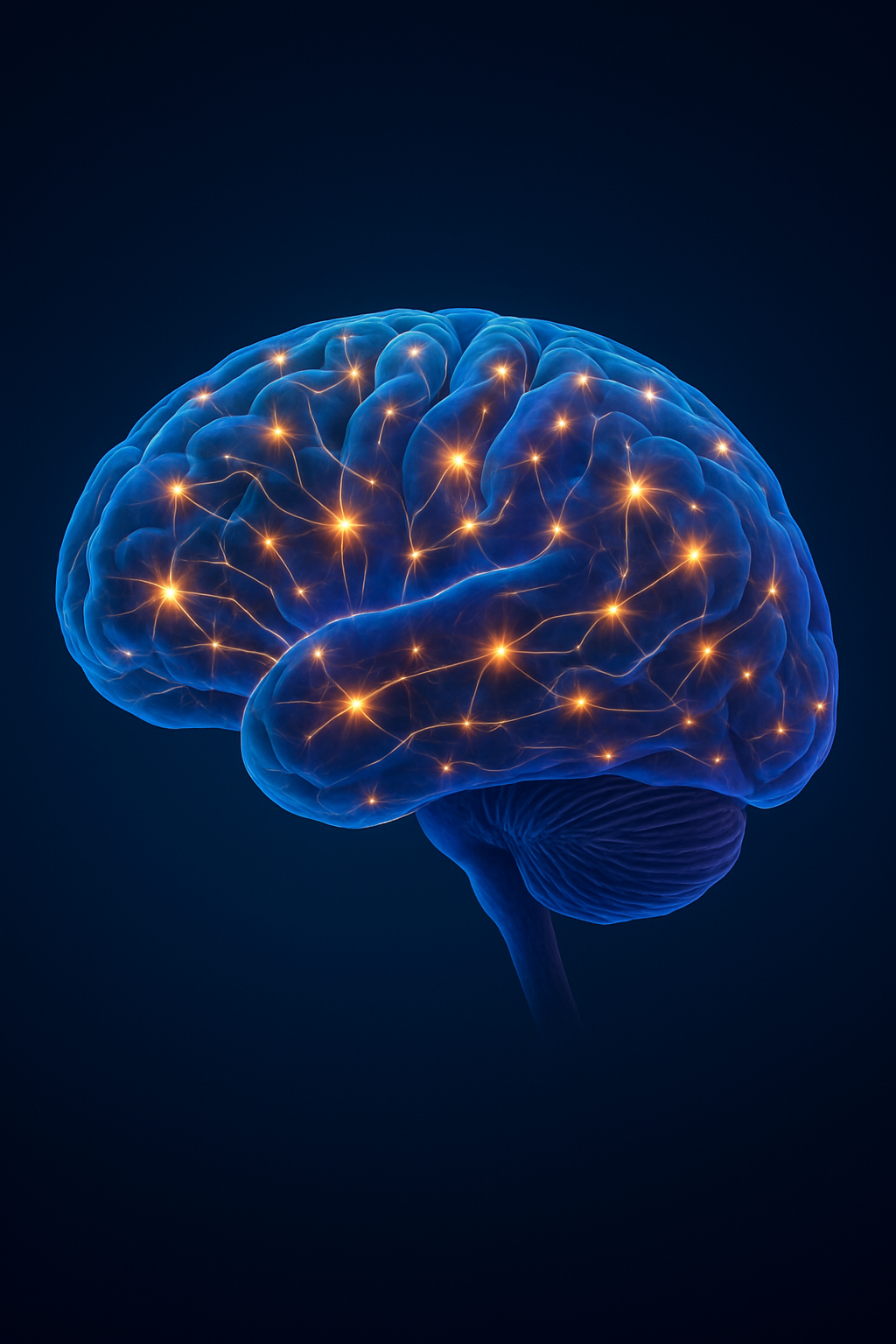
Illuminated brain visual showing active neural pathways, debunking the myth that humans use only ten percent of their brains.
5. Cold Weather Gives You a Cold
The name alone can confuse. Colds are caused by viruses, most commonly rhinoviruses. You cannot get one simply by being outside in chilly weather.
So why do colds seem more common in winter? Researchers point to several factors. People spend more time indoors in close contact, making it easier for viruses to spread.
Cold, dry air may help viruses survive longer outside the body. And your nasal passages may be less effective at trapping and clearing viruses when the temperature drops.
But the cold air itself does not carry the virus. If it did, penguins and polar researchers would be in constant quarantine.
Layer up to stay comfortable, but do not fear the weather.
The real protection comes from washing your hands, avoiding close contact with sick people, and keeping your immune system strong through rest and nutrition.
Takeaway: Cold weather might make you shiver, but only viruses can make you sick.

Visual contrast between cold weather and viral illness, highlighting that cold air alone does not cause colds.
Final Thoughts
Medical myths survive because they are easy to remember, easy to repeat, and often comforting. They offer simple answers to complex questions.

Symbolic image of examining medical information closely, underscoring the importance of questioning and fact-checking health advice.
The danger is that they can distract us from what actually works. Believing that you need a detox juice can keep you from focusing on a balanced diet.
Thinking that cold weather causes colds can make you ignore the role of hand hygiene.
Science rarely fits neatly into a slogan. It requires curiosity, patience, and sometimes the humility to admit we were wrong. The reward is health advice that is not only accurate but also actually works.
If you want a healthier life, start by questioning what you have always been told. Check the source. Look for evidence. Ask why.
Ready to take the guesswork out of healthy living? → Grab my Micro-Habits ebook bundle for practical, proven strategies you can start today.
More myth-busting and science-backed health tips: → Read my viral article: *25 Proven Ways to Reduce Your Cancer Risk* → Follow me on Medium for weekly deep dives into longevity, wellness, and medical truth-telling.
메타데이터
- post_id
- d00adfce731d
- slug
- 5-medical-myths-that-refuse-to-die-and-what-science-says-instead-d00adfce731d
- url
- https://medium.com/dr-michael-hunters-wellness/5-medical-myths-that-refuse-to-die-and-what-science-says-instead-d00adfce731d
- canonical_url
- https://medium.com/dr-michael-hunters-wellness/5-medical-myths-that-refuse-to-die-and-what-science-says-instead-d00adfce731d
- author_url
- https://medium.com/@drmichaelhunter
- status
- ok
- fetched_at
- 2026-07-26 23:38:14