Oil Cooler Heat Exchanger: Improving Efficiency, Reliability, and Equipment Life in Modern…
Introduction
Oil Cooler Heat Exchanger: Improving Efficiency, Reliability, and Equipment Life in Modern Industries
Introduction
Industrial machinery operates under demanding conditions every day. Whether it is a hydraulic press in a manufacturing plant, a construction excavator on a job site, or a power generation system running continuously, heat is an unavoidable byproduct of operation. Excessive heat can significantly reduce equipment efficiency, increase maintenance costs, and shorten the lifespan of critical components.
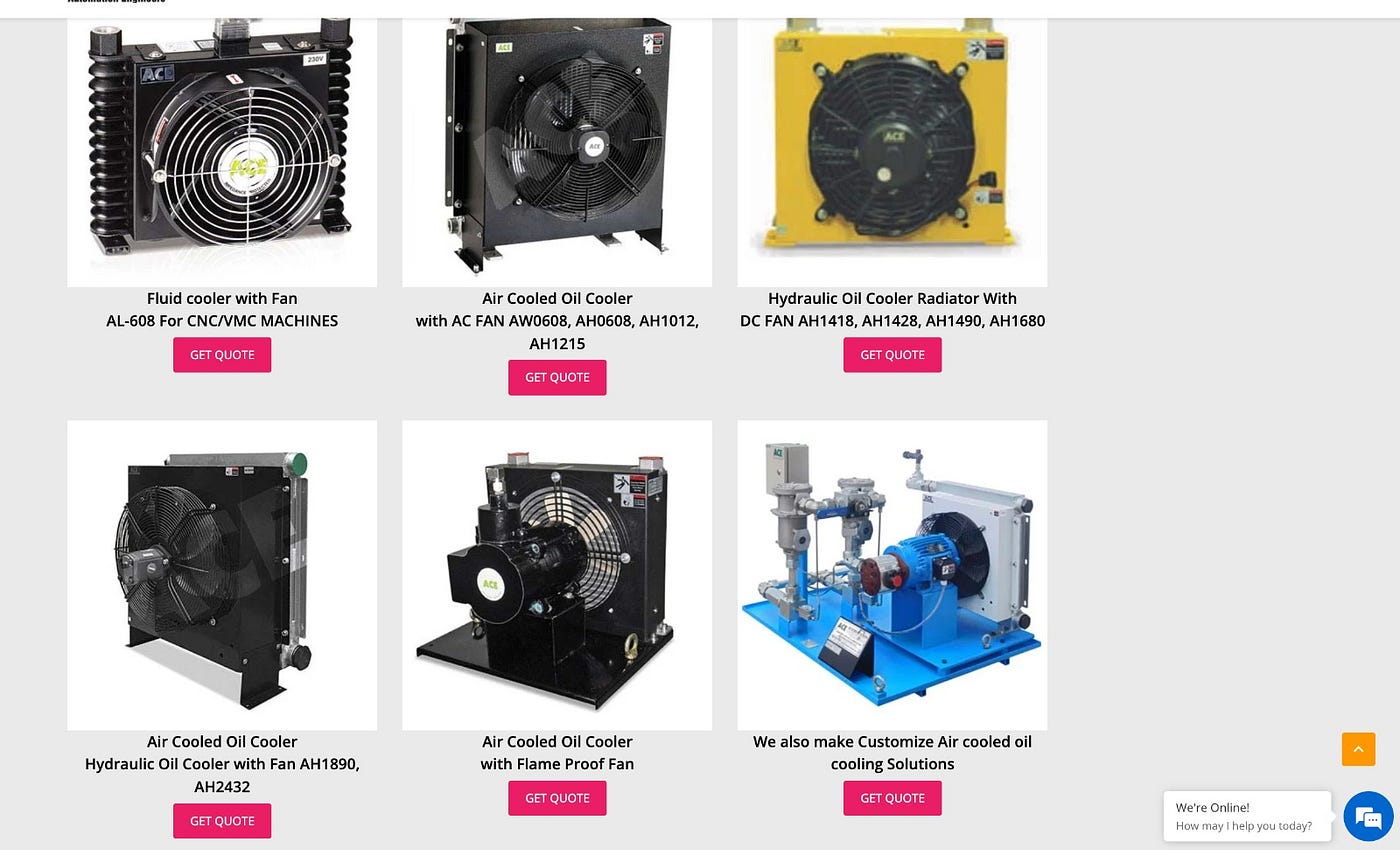
To overcome these challenges, industries rely on advanced cooling solutions such as the **Oil Cooler Heat Exchanger**. This essential component helps regulate oil temperature and ensures that machines continue to perform efficiently even under heavy workloads. By controlling heat levels, an oil cooler heat exchanger contributes to better productivity, reduced downtime, and long-term operational reliability.
The Growing Importance of Thermal Management
As industrial systems become more powerful and complex, thermal management has become increasingly important. Modern machinery often operates at higher pressures and speeds than ever before. These demanding conditions generate significant heat within lubrication and hydraulic systems.
Without proper cooling, excessive temperatures can lead to:
- Reduced machine efficiency
- Increased wear and tear
- Frequent maintenance issues
- Premature equipment failure
- Higher operating expenses
An Oil Cooler Heat Exchanger serves as a critical defense against these problems by continuously removing excess heat from circulating oil.
The Role of Oil in Industrial Equipment
Oil is much more than just a lubricant. In industrial applications, oil performs several essential functions.
Lubrication
Oil creates a protective layer between moving parts, reducing friction and wear.
Heat Absorption
As equipment operates, oil absorbs heat generated by mechanical processes.
Contamination Control
Oil helps transport contaminants toward filtration systems.
Corrosion Protection
Special additives within oil help protect internal components from corrosion and oxidation.
When oil temperatures rise beyond recommended limits, these functions become less effective. This is why maintaining proper temperature is so important.
How an Oil Cooler Heat Exchanger Supports Performance
The primary purpose of an Oil Cooler Heat Exchanger is to remove thermal energy from oil before it can negatively impact system performance.
The cooling process helps:
- Maintain proper oil viscosity
- Improve lubrication quality
- Prevent overheating
- Increase equipment reliability
- Reduce energy consumption
By ensuring stable temperatures, the heat exchanger allows industrial systems to operate at peak efficiency for longer periods.
Industries That Depend on Oil Cooler Heat Exchangers
Manufacturing Industry
Production facilities rely on precision equipment that must operate continuously. Stable oil temperatures help maintain consistent production quality and reduce downtime.
Construction Sector
Construction machinery often works under extreme conditions. Excavators, cranes, loaders, and bulldozers generate substantial heat during operation. Effective cooling helps these machines remain productive throughout the workday.
Mining Operations
Mining equipment operates in harsh environments where reliability is critical. Oil cooling systems help protect expensive machinery from heat-related damage.
Power Generation Facilities
Generators and turbines require effective thermal management to maintain performance and operational stability.
Transportation Industry
Commercial vehicles, heavy trucks, and specialized equipment use oil cooling solutions to enhance engine and transmission performance.
Benefits of Installing an Oil Cooler Heat Exchanger
Increased Productivity
Equipment that operates within optimal temperature ranges can work more efficiently and consistently.
Reduced Equipment Failures
Overheating is one of the leading causes of mechanical breakdowns. Proper cooling significantly lowers this risk.
Longer Service Life
Maintaining controlled temperatures reduces stress on components and extends equipment lifespan.
Lower Operating Costs
Preventing overheating reduces repair expenses, maintenance requirements, and unexpected downtime.
Improved Energy Efficiency
Well-cooled systems require less effort to perform their functions, resulting in better energy utilization.
Common Challenges Solved by Oil Cooler Heat Exchangers
Industrial operators frequently encounter issues related to excessive heat.
Oil Degradation
High temperatures accelerate oil oxidation, reducing its effectiveness.
Component Wear
Heat increases friction and causes accelerated wear on internal parts.
Seal Damage
Extreme temperatures can weaken seals and increase the risk of leaks.
Reduced System Efficiency
Hot oil may lose its ideal viscosity, affecting system performance.
An Oil Cooler Heat Exchanger helps solve these challenges by maintaining stable operating conditions.

Factors to Consider Before Choosing an Oil Cooler Heat Exchanger
Heat Dissipation Requirements
The cooling system should match the amount of heat generated by the equipment.
Operating Environment
Environmental conditions such as dust, humidity, and temperature influence cooling performance.
Space Availability
Installation space should be considered when selecting the appropriate heat exchanger design.
Maintenance Accessibility
Easy access simplifies inspection and maintenance procedures.
Material Durability
High-quality materials improve reliability and resistance to corrosion.
Maintenance Practices for Long-Term Reliability
Regular maintenance helps maximize cooling performance and equipment lifespan.
Clean Cooling Surfaces
Dust and debris can reduce heat transfer efficiency.
Monitor Oil Condition
Maintaining clean oil supports effective cooling and lubrication.
Inspect Connections
Routine inspection helps detect leaks before they become serious problems.
Verify Cooling Performance
Temperature monitoring can identify potential issues early.
Schedule Preventive Maintenance
Planned maintenance reduces the risk of unexpected equipment failures.
Environmental and Economic Benefits
Modern industries are increasingly focused on sustainability and cost efficiency. Oil Cooler Heat Exchangers contribute to both objectives.
Reduced Energy Consumption
Efficient thermal management minimizes wasted energy.
Lower Waste Oil Generation
Proper cooling extends oil life, reducing disposal requirements.
Improved Resource Utilization
Longer equipment lifespan means fewer replacement parts and reduced material consumption.
Enhanced Operational Sustainability
Reliable equipment operation supports long-term business success.
Future Innovations in Oil Cooling Technology
Technology continues to transform industrial cooling systems. Modern Oil Cooler Heat Exchangers are becoming smarter, more efficient, and more compact.
Emerging developments include:
- Intelligent temperature monitoring
- Automated cooling control systems
- High-efficiency aluminum designs
- Compact heat exchanger configurations
- Energy-saving cooling technologies
These advancements help industries achieve greater efficiency while reducing operating costs.
Conclusion
The Oil Cooler Heat Exchanger has become an indispensable component in modern industrial operations. By controlling oil temperature and preventing overheating, it helps improve equipment efficiency, extend component life, reduce maintenance costs, and support reliable performance. From manufacturing plants and construction sites to power generation facilities and mining operations, industries depend on effective oil cooling systems to maintain productivity and protect valuable assets. Investing in a high-quality Oil Cooler Heat Exchanger is a practical step toward achieving long-term operational excellence and business success.
메타데이터
- post_id
- d01ebfe942ca
- slug
- oil-cooler-heat-exchanger-improving-efficiency-reliability-and-equipment-life-in-modern-d01ebfe942ca
- url
- https://medium.com/@aircooledoilcooler37/oil-cooler-heat-exchanger-improving-efficiency-reliability-and-equipment-life-in-modern-d01ebfe942ca
- canonical_url
- https://medium.com/@aircooledoilcooler37/oil-cooler-heat-exchanger-improving-efficiency-reliability-and-equipment-life-in-modern-d01ebfe942ca
- author_url
- https://medium.com/@aircooledoilcooler37
- status
- ok
- fetched_at
- 2026-07-31 15:09:05