Exploring the value of cedar trees with T’Sou-ke First Nation
Finding ways to assess and measure the value of natural environments is an increasingly popular approach to conservation, one that is being…
Exploring the value of cedar trees with T’Sou-ke First Nation
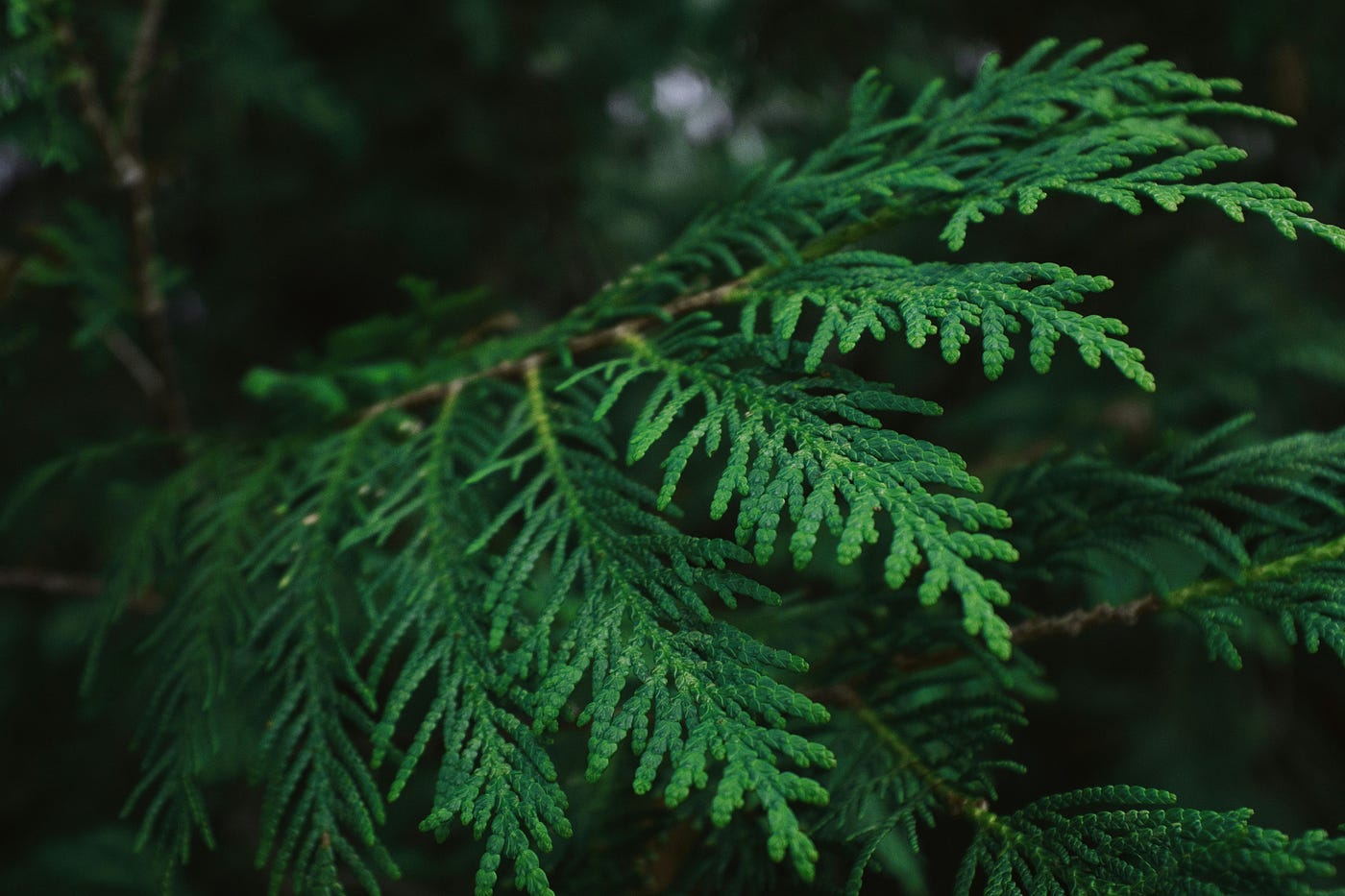
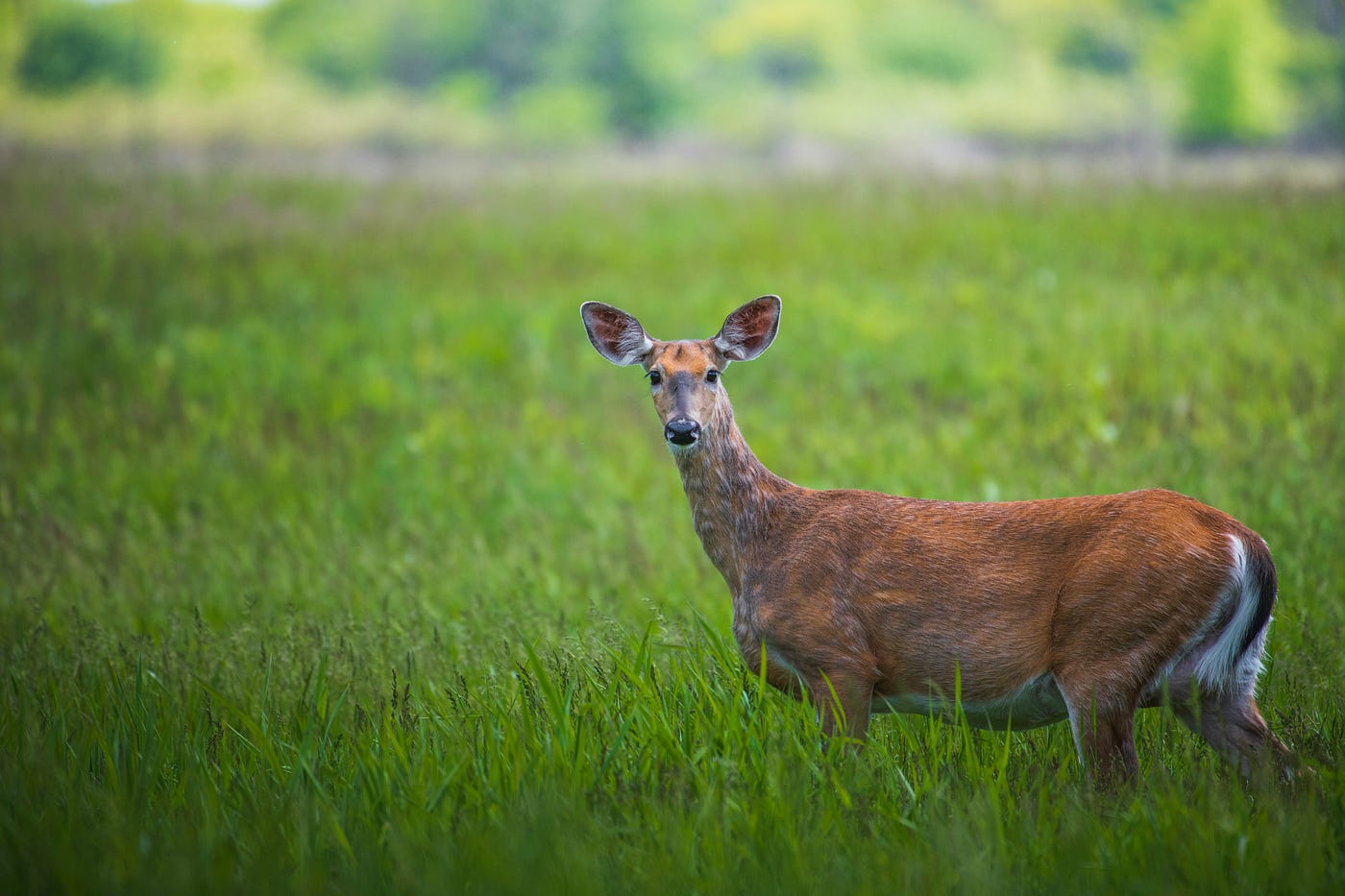
Photo by Adam Kring on Unsplash
Finding ways to assess and measure the value of natural environments is an increasingly popular approach to conservation, one that is being used around the world. However, this practice often focuses on a Western understanding of nature’s value and overlooks the unique ways by which Indigenous people understand, interact with, and benefit from nature.
This article describes a community-based research project done in partnership with T’Sou-ke First Nation, an Indigenous community on Vancouver Island, Canada. The project explored the value of cedar trees, which are very significant for many Indigenous communities in the region. This research aimed to demonstrate the importance on different knowledge systems the assessment of environmental, and to show that the unique characteristics of Indigenous knowledges.
Read this open access paper on the FACETS website.
We used participatory mapping, a research method that uses maps and interactive tools such as stickers and notepads to engage participants, to explore what cedar means to the community. With the help of research collaborators in T’Sou-ke Nation we organized two participatory mapping events, the first for T’Sou-ke leadership and administration and the second for the greater community. We also conducted one interview to further explore the topics which arose during these events.
This analysis revealed eight interconnected forms of value connected to cedar and the surrounding environment: 1) cultural knowledges, 2) self-determination, 3) environmental health, 4) territorial reclamation, 5) cedar technologies, 6) economic value, 7) food systems, and 8) aesthetic appreciation. These findings highlight the diversity of benefits which humans receive from the environment and show how assessing environmental value from an exclusively Western perspective limits our understanding of the full range of these benefits.
We argue that centering Indigenous knowledges and value systems in assessing the value of natural environments is essential for attaining a comprehensive understanding of ecological systems and developing more holistic approaches to environmental management.
Read the paper — “Where would we be without cedar?”: Indigenous environmental value systems through participatory mapping with T’Sou-ke First Nation by Bethany Woodbridge, Crystal Tremblay, Pamela Spalding, David Castle, and Eva Shaffer in FACETS.
메타데이터
- post_id
- d032d50e8ea4
- slug
- exploring-the-value-of-cedar-trees-with-tsou-ke-first-nation-d032d50e8ea4
- url
- https://medium.com/facets/exploring-the-value-of-cedar-trees-with-tsou-ke-first-nation-d032d50e8ea4
- canonical_url
- https://medium.com/facets/exploring-the-value-of-cedar-trees-with-tsou-ke-first-nation-d032d50e8ea4
- author_url
- https://medium.com/@cdnsciencepub
- status
- ok
- fetched_at
- 2026-06-10 08:17:25