NEXT-GEN CONNECTION TECHNIQUES FOR LIGHT GAUGE STEEL
Mastering the art of connections in light-gauge steel framing can be the difference between a structurally sound building and expensive…
NEXT-GEN CONNECTION TECHNIQUES FOR LIGHT GAUGE STEEL
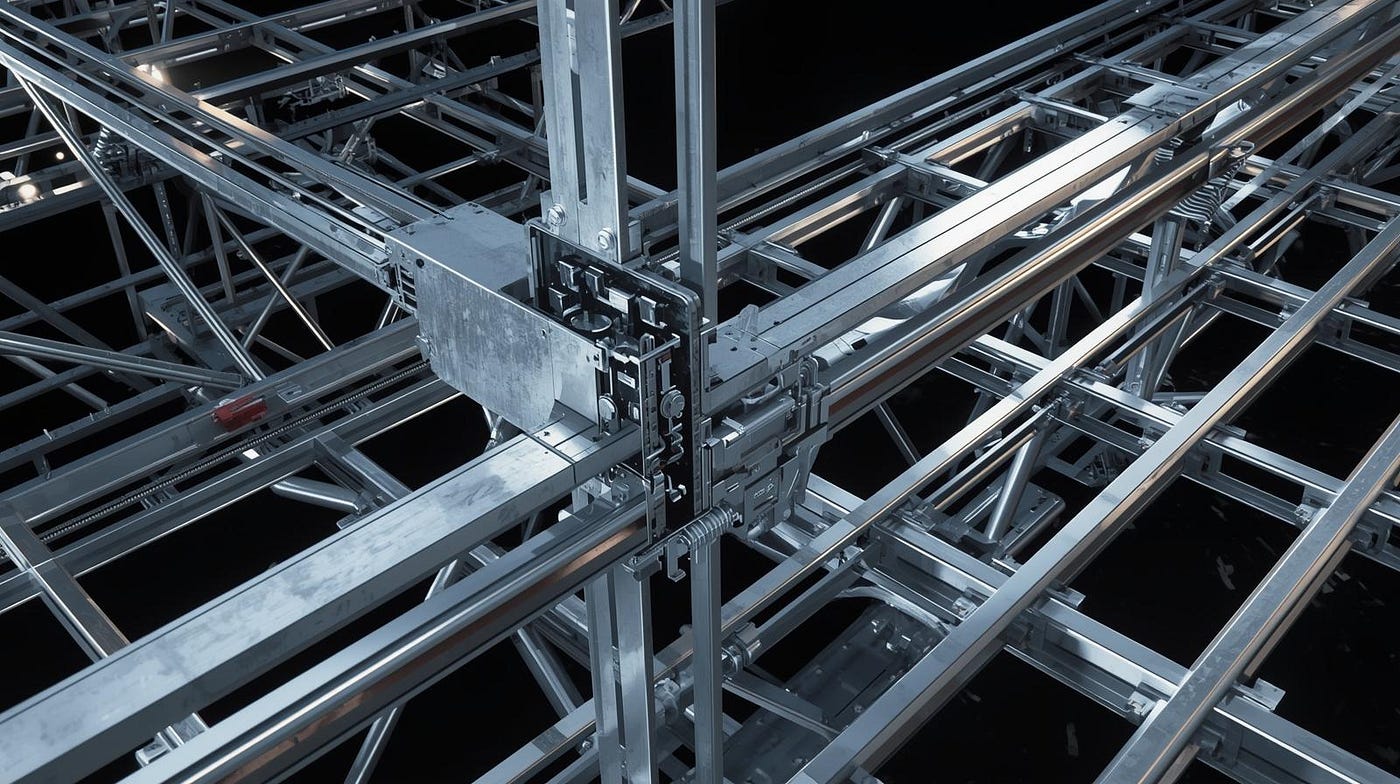
Mastering the art of connections in light-gauge steel framing can be the difference between a structurally sound building and expensive field fixes. Thoughtful detailing, proper fastener selection, and a clear understanding of load paths all play a crucial role in ensuring performance and durability.
Let’s take a closer look at practical detailing insights that structural engineers can apply right away to their next project — helping deliver safer structures, smoother installations, and fewer on-site corrections
Why Connection Design Matters in Light Gauge Steel
In light-gauge steel framing, connections are much more than simple fastening points — they are the critical load-transfer elements that define how the entire structure performs. Unlike heavy structural steel or wood framing, light gauge systems depend on precisely engineered connections to achieve their full strength and stability.
When connection design is overlooked or poorly detailed, the results can be serious: premature failures, excessive deflection, and expensive rework. Because the steel sections are thin, there is very little room for error. That makes accurate detailing, proper fastening methods, and thoughtful engineering essential from the very beginning.
33% Structural failures are traced to connection-related issues
2x Load capacity can be achieved with optimized connection design
Self-Drilling Screws: The Workhorse Connection
Self-drilling screws continue to be the most versatile and widely used connection method in light-gauge steel construction. These fasteners combine a drill bit and screw thread into a single component, eliminating the need for pre-drilling and speeding up installation. For structural applications, it is recommended to specify #10 or #12 screws with at least 3/4-inch embedment into the receiving member to ensure proper strength and performance.
Proper Installation
For best results, drive screws perpendicular to the surface at a speed of 1,500–2,500 RPM. Avoid overdriving, as it can strip the threads and reduce the connection capacity by as much as 40%. Correct installation technique is essential to maintain structural integrity.
Edge Distance
Always maintain a minimum edge distance of 3/8 inch from steel edges. This helps prevent tearing and ensures full load transfer through the connection.
Spacing Standards
Screw spacing typically varies depending on the application. Shear walls commonly require screws spaced 6 inches on centre, while non-structural assemblies generally use 12 inches on centre. Proper spacing is critical to achieving the intended performance of the system.
Clip Angles and Structural Brackets
When standard screw connections aren’t enough to carry the load, clip angles and prefabricated structural brackets offer added strength and reliability. These components help spread forces across a wider area, making them suitable for higher shear and moment requirements.
L-shaped clip angles are commonly used for beam-to-column connections, while speciality hurricane clips and hold-downs are designed to resist uplift forces in high-wind zones. Always confirm that the manufacturer’s load tables align with your specific steel thickness and connection setup before installation.
1. Choose the Right Bracket Select a bracket with a load capacity that meets your design requirements, including at least a 20% safety margin.
2. Install According to Specifications Follow the manufacturer’s instructions carefully and use every designated fastener hole. Missing fasteners can significantly reduce the connection’s strength.
3. Check Alignment Make sure the bracket sits flush and tight against both connecting members to ensure proper load transfer and performance.
Welded Connections: When Maximum Strength Is Essential
In light-gauge steel construction, screws handle most connections efficiently. However, when projects involve heavy loads or moment frames, welding becomes necessary to achieve the required structural strength.
Welding thin steel, though, comes with its own set of challenges. Because light-gauge steel has low thermal mass, heat builds up quickly. If not carefully controlled, this can lead to burn-through, distortion, or warping of the material.
Equipment Setup
Short-circuit MIG welding is typically recommended, using 0.023 or 0.030-inch wire. For 20-gauge steel, maintain voltage settings between 16–19 volts to ensure stable arc performance and better control.
Welding Technique
Start with tack welds to help control distortion and keep components aligned. Instead of running continuous beads, use stitch welding on thin materials to reduce heat buildup and minimise the risk of warping.
Quality Control
Carefully inspect welds to confirm proper penetration without burn-through. Excessive spatter often signals incorrect machine settings and should be corrected before continuing work.
For most residential and light commercial projects, Consac advises optimising screw connections before choosing welded assemblies. Welding increases field time and requires certified welders, making it a more resource-intensive option when not structurally necessary.
Innovative Connection Systems Changing the Game
Clinching Technology Mechanical clinching connects steel sheets without using fasteners or heat. Instead, it forms a strong interlock through localised cold forming, creating a permanent bond. This method is especially effective in repetitive manufacturing settings where speed and consistency matter. Although clinching requires specialised equipment, it offers reliable strength while reducing or even eliminating fastener costs.
Adhesive-Enhanced Connections Structural adhesives used alongside mechanical fasteners improve load distribution and reduce stress concentrations. High-performance polyurethanes and epoxies can bond dissimilar materials effectively while also sealing joints against moisture infiltration. This dual benefit enhances durability and long-term performance.
Common Connection Mistakes to Avoid
Insufficient Edge Distance
Placing fasteners too close to the edge of a steel member can lead to tearing when the connection is under load. Always maintain the minimum 3/8-inch edge distance, and increase it to 1/2 inch near corners for added safety and performance.
Mismatched Screw Length
Using screws that are too short reduces proper thread engagement and lowers the connection’s load capacity. Make sure screws extend at least three threads beyond the receiving member to ensure a secure and reliable hold.
Ignoring Corrosion Protection
In exterior applications, steel-to-steel connections must use galvanized or stainless steel fasteners to prevent rust and long-term damage. Avoid mixing dissimilar metals, as this can accelerate galvanic corrosion and weaken the connection over time.
Over-Tightening Fasteners
Applying too much torque can strip threads and cause thin steel to dimple, significantly reducing connection strength — sometimes by 30–50%. Use torque-limiting drivers to maintain consistency and protect structural integrity.
Engineering Excellence in Every Connection
Every successful light gauge steel project is built on smart, well-designed connections. The right connection details do more than hold members together — they ensure structural strength, ease of construction, long-term durability, and cost efficiency. When engineers clearly understand the advantages and limitations of each connection method, they can specify systems that perform reliably throughout the building’s entire lifecycle.
01 Analyze load paths and understand connection demands
02 Select the most appropriate connection methods
03 Detail connections with proper edge distances and spacing
04 Specify high-quality fasteners and adequate corrosion protection
05 Verify proper installation through thorough field inspection
Whether you’re designing a multi-story residential project or a commercial warehouse, advanced connection strategies form the backbone of structural success. The key is aligning the connection method with your project’s specific performance requirements — while always keeping constructability practical and efficient.
메타데이터
- post_id
- d0a0f7dacb5e
- slug
- next-gen-connection-techniques-for-light-gauge-steel-d0a0f7dacb5e
- url
- https://medium.com/consights/next-gen-connection-techniques-for-light-gauge-steel-d0a0f7dacb5e
- canonical_url
- https://medium.com/consights/next-gen-connection-techniques-for-light-gauge-steel-d0a0f7dacb5e
- author_url
- https://medium.com/@srijanichatterjee21
- status
- ok
- fetched_at
- 2026-07-07 23:16:40