CRISPR Explained in 2 Minutes
Imagine being able to edit DNA as easily as correcting a typo in a document. That’s essentially what CRISPR allows scientists to do.
CRISPR Explained in 2 Minutes
Imagine being able to edit DNA as easily as correcting a typo in a document. That’s essentially what CRISPR allows scientists to do.
What is CRISPR?
CRISPR is a powerful gene-editing tool that enables scientists to make precise changes to DNA. The name stands for Clustered Regularly Interspaced Short Palindromic Repeats, but don’t worry about memorizing that , the important part is what it does.
CRISPR was originally discovered in bacteria. Scientists found that bacteria use CRISPR as an immune system to defend themselves against viruses. When a virus attacks, bacteria store pieces of the virus’s DNA in their own genome. If the virus returns, the bacteria recognize it and destroy its DNA.
How Does It Work?
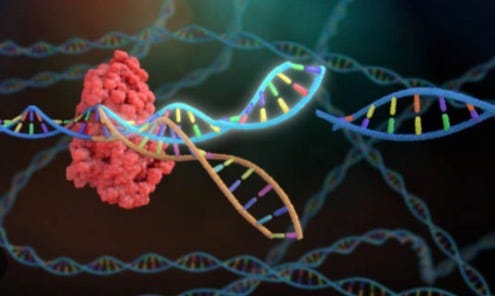
CRISPR relies on two main components: A guide RNA, which acts like a GPS and finds the specific DNA sequence scientists want to target.
A protein called Cas9, which acts like molecular scissors and cuts the DNA at that location. Once the DNA is cut, the cell naturally tries to repair it. Scientists can use this repair process to: Disable a gene, correct a mutation, or insert a new piece of DNA.
Why Is CRISPR Important?
CRISPR has transformed biological research because it is faster, cheaper, and more precise than previous gene-editing methods. Scientists are exploring its use for treating genetic diseases such as sickle cell disease, developing new cancer therapies, improving crops to resist pests and drought, studying how genes influence health and disease.
Ethical Questions
Despite its promise, CRISPR raises important ethical concerns. Should we edit embryos? Could gene editing be used to enhance human traits rather than treat diseases? How do we ensure the technology is used safely and fairly? These questions are just as important as the science itself.
The Bottom Line
CRISPR is a revolutionary gene-editing technology inspired by a bacterial defense system. By combining a guide RNA with the DNA-cutting protein Cas9, scientists can make precise changes to genetic material. It has enormous potential to improve medicine, agriculture, and research, but it also requires careful ethical consideration.
The ability to edit DNA may become one of the most significant scientific advances of the 21st century.
Written by Hanna Jaloszynska (2026) This article is intended for educational purposes and is based on information from the NIH, NSF, Broad Institute, and MedlinePlus Genetics.
메타데이터
- post_id
- d0df4e573923
- slug
- crispr-explained-in-2-minutes-d0df4e573923
- url
- https://medium.com/@hannajaloszynska2025/crispr-explained-in-2-minutes-d0df4e573923
- canonical_url
- https://medium.com/@hannajaloszynska2025/crispr-explained-in-2-minutes-d0df4e573923
- author_url
- https://medium.com/@hannajaloszynska2025
- status
- ok
- fetched_at
- 2026-06-21 15:33:18