AI vs Human Technology in 2026 | Future of Innovation
AI vs Human Technology in 2026: Who Will Shape the Future?
AI vs Human Technology in 2026 | Future of Innovation
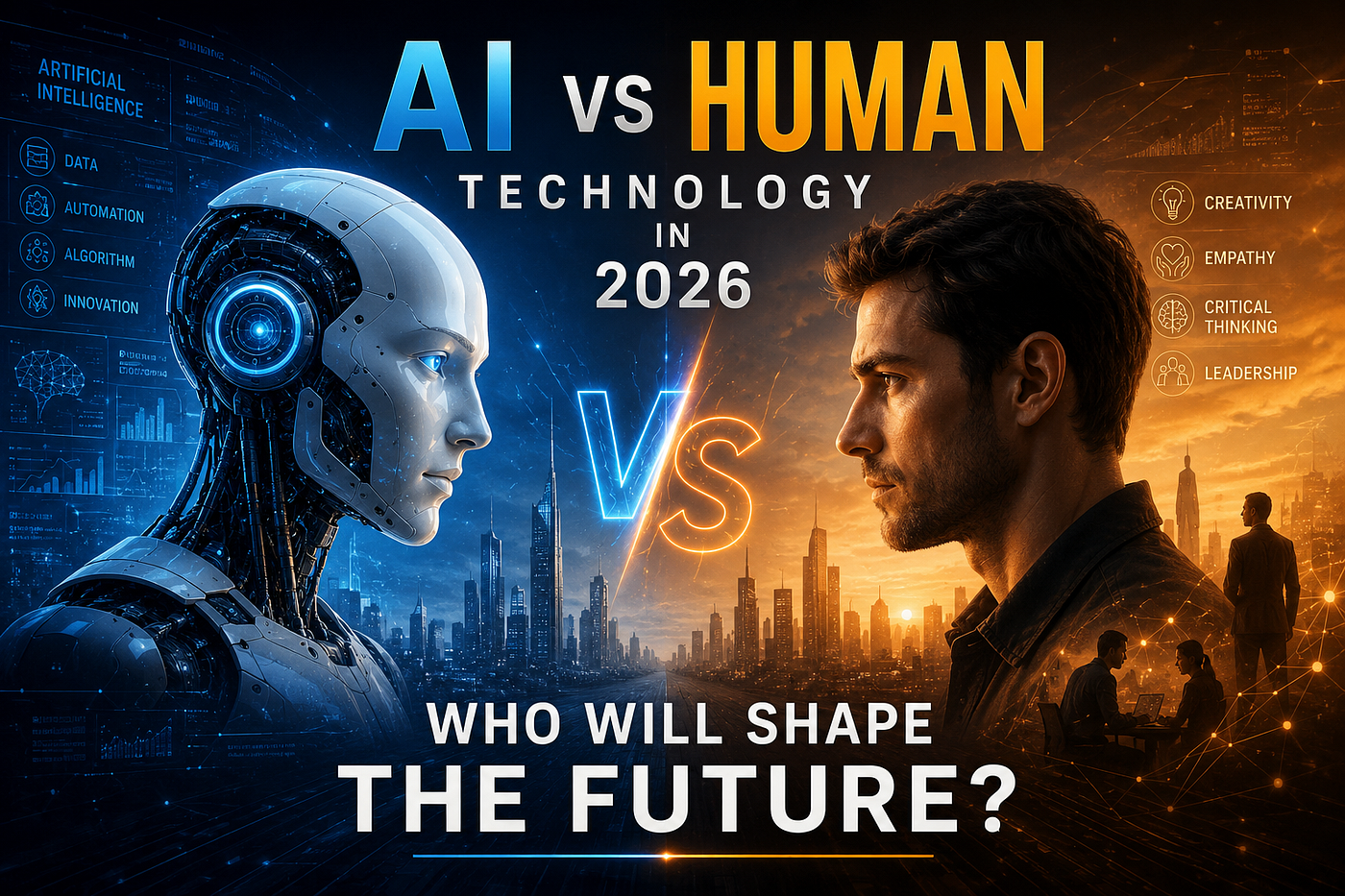
AI vs Human Technology in 2026 | Future of Innovation
AI vs Human Technology in 2026: Who Will Shape the Future?
AI vs Human Technology in 2026
Technology in 2026 is moving faster than ever before. Everywhere we look, artificial intelligence is changing the way people work, shop, communicate, and even think. From AI-powered chatbots to self-driving systems and smart marketing tools, the world is entering a new digital era. But one question still remains: Will AI replace humans, or will humans and AI work together?
This debate has become one of the biggest discussions in business, education, healthcare, and especially digital marketing. Some people fear that AI will take over jobs and creativity. Others believe AI is simply a tool designed to make human life easier. The truth probably lies somewhere in the middle.
Think of AI like a super-fast car engine. It can move quickly and handle massive workloads, but humans are still the drivers deciding where to go. Without human direction, AI has no real purpose. In 2026, the relationship between humans and technology is no longer about competition alone — it’s about collaboration.
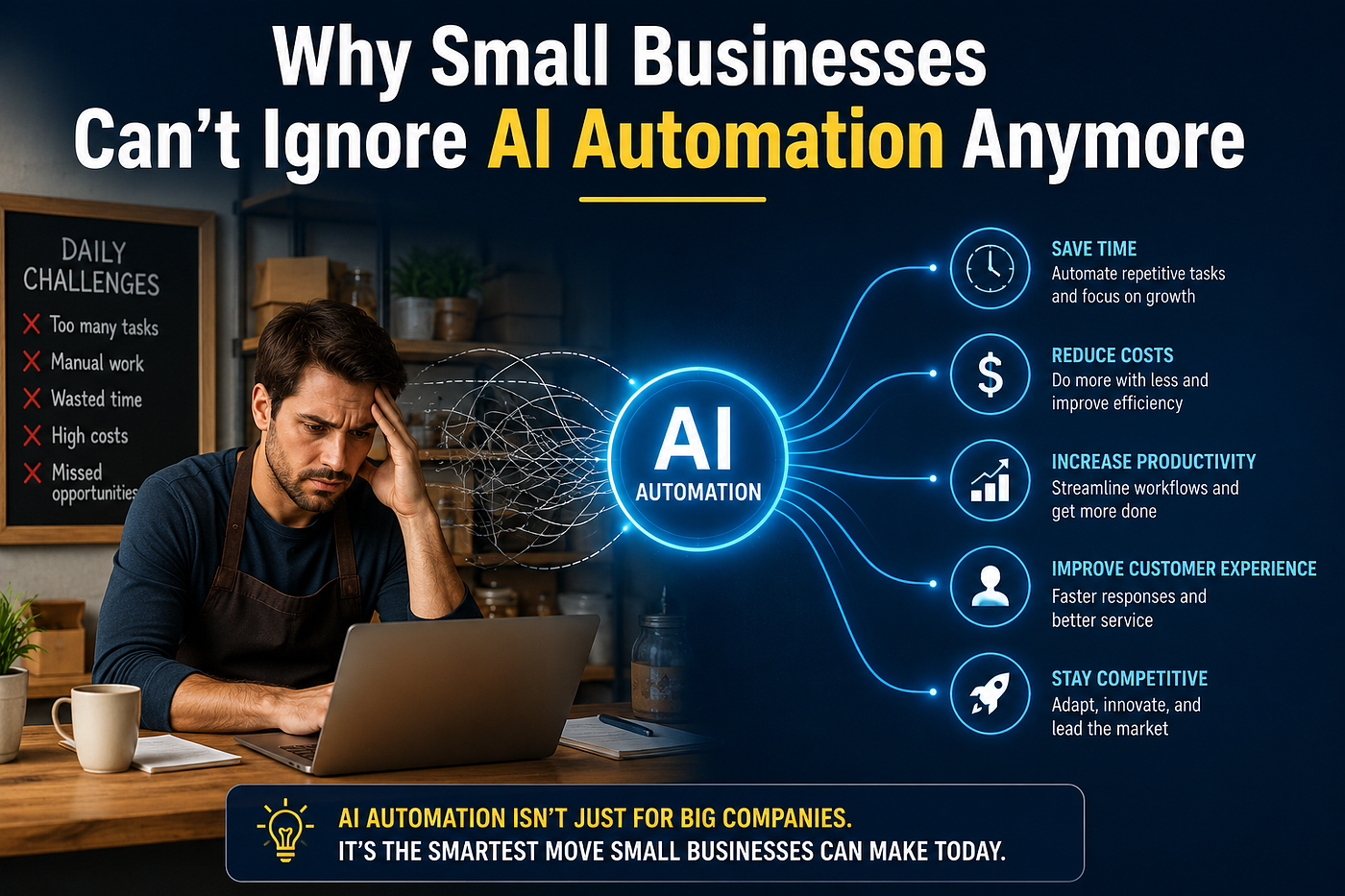
Businesses worldwide are using AI automation and **AI Marketing strategies to improve customer experiences, increase productivity, and reduce costs. Every Best Digital Marketing Company** is now integrating AI into campaigns, analytics, and customer engagement.
In this article, we’ll explore how AI and human intelligence compare in 2026, where AI shines, where humans still dominate, and what the future may look like for industries and society.
Explore AI vs Human Technology in 2026 with insights on Best Digital Marketing Company, AI Marketing, and AI automation trends.
Introduction to AI and Human Technology
Artificial Intelligence, commonly known as AI, has evolved from a futuristic idea into an everyday reality. In 2026, AI tools are handling tasks that once required human effort, such as writing emails, analyzing data, generating images, and even answering customer queries.
At the same time, humans continue to bring creativity, emotions, leadership, and critical thinking into the world. Machines may process information faster, but people understand emotions, relationships, and values in ways AI cannot fully replicate.
The balance between AI and human intelligence is shaping the future of every industry. Businesses that combine both effectively are staying ahead of competitors.
What Makes AI Powerful in 2026
Speed and Efficiency
AI systems can analyze millions of data points in seconds. Tasks that once took days now happen instantly. This speed allows businesses to make smarter decisions quickly.
Automation Capabilities
One major advantage of AI is automation. Companies use AI automation to manage repetitive tasks like scheduling, customer support, inventory tracking, and data entry.
24/7 Availability
Unlike humans, AI never gets tired. Chatbots and automated systems work around the clock, improving customer service and reducing delays.
Data Analysis
AI can identify trends and patterns humans might miss. This helps businesses understand customer behavior and market trends better.
Human Intelligence vs Artificial Intelligence
Creativity and Innovation
Humans are naturally creative. We write stories, create art, develop strategies, and invent new ideas. AI can assist creativity, but true imagination still comes from human experiences.
Emotional Understanding
Humans understand emotions, empathy, and relationships. AI may recognize emotional patterns, but it does not truly feel emotions.
Decision-Making
AI decisions are based on data and algorithms. Humans combine logic with intuition, ethics, and personal experiences.
Learning Ability
AI learns from data, while humans learn from life experiences. That difference remains important in leadership and problem-solving.
AI in Everyday Life
In 2026, AI is part of everyday routines.
People use AI assistants to manage schedules, recommend products, control smart homes, and answer questions instantly. Social media platforms use AI to personalize content. Streaming apps recommend movies based on viewing habits.
Even online shopping is powered by AI. Businesses use customer behavior data to recommend products and improve user experiences.
AI is no longer a luxury — it’s becoming a necessity.
AI Marketing and Business Growth
How AI Marketing Works
AI Marketing uses artificial intelligence to improve advertising and customer engagement. Businesses can now predict customer preferences and deliver personalized content automatically.
Smarter Advertising
AI tools analyze customer behavior to create targeted ads. This increases conversion rates and reduces wasted advertising budgets.
Content Generation
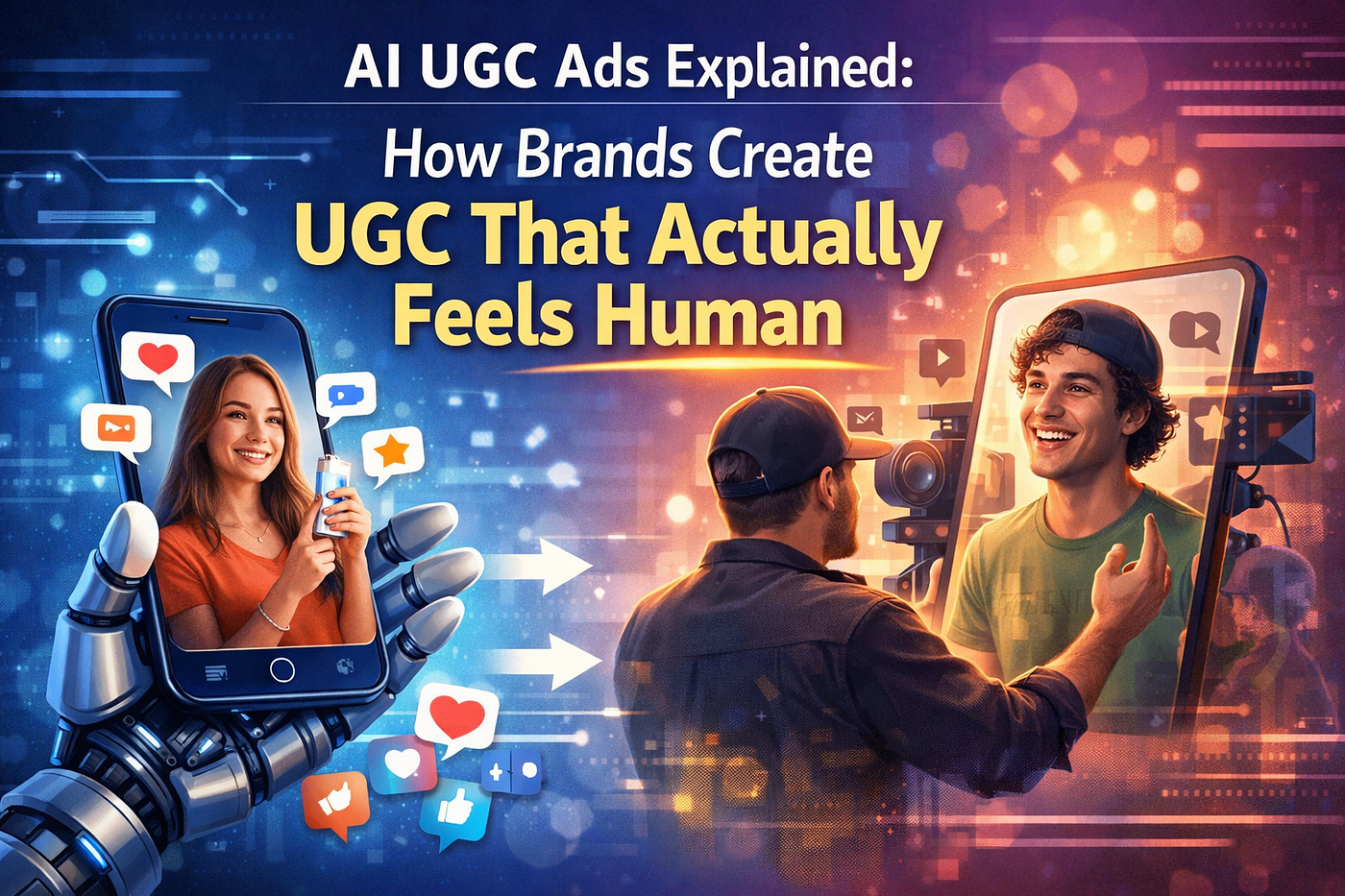
Many companies use AI tools to generate blog ideas, captions, and product descriptions. However, human editing remains essential for originality and emotional connection.
Customer Insights
AI helps businesses understand what customers want. This allows brands to improve products and services faster.
Today, every **Best Digital Marketing Company** uses AI tools to optimize campaigns and stay competitive.
The Role of Humans in Creative Industries
Even though AI can create content, music, and images, human creativity still matters deeply.
A machine may generate a painting, but it cannot fully understand human experiences behind art. Writers, designers, filmmakers, and musicians bring emotions and personal stories into their work.
Creativity is more than patterns and data. It involves passion, imagination, and cultural understanding.
AI can assist creators, but humans remain the heart of creative industries.
AI Automation in Workplaces
Improved Productivity
Businesses are adopting AI automation to handle repetitive tasks, allowing employees to focus on strategic work.
Reduced Human Errors
AI systems reduce mistakes in calculations, reporting, and data management.
Remote Work Support
AI tools improve virtual meetings, workflow management, and online collaboration.
Customer Support
AI chatbots now provide instant support to customers worldwide.
Automation is changing jobs, but it is also creating new opportunities for skilled workers.
Benefits of AI Technology
Faster Operations
AI speeds up business processes and improves efficiency.
Cost Savings
Automation reduces operational costs and increases productivity.
Better Personalization
Businesses can deliver customized experiences to users.
Improved Decision-Making
AI provides real-time insights and accurate forecasting.
Innovation Opportunities
AI helps companies develop smarter products and services.
These advantages explain why AI adoption is increasing globally.
Challenges and Risks of AI
Job Displacement
Many workers fear losing jobs to automation.
Privacy Concerns
AI systems collect massive amounts of personal data, raising privacy issues.
Bias in Algorithms
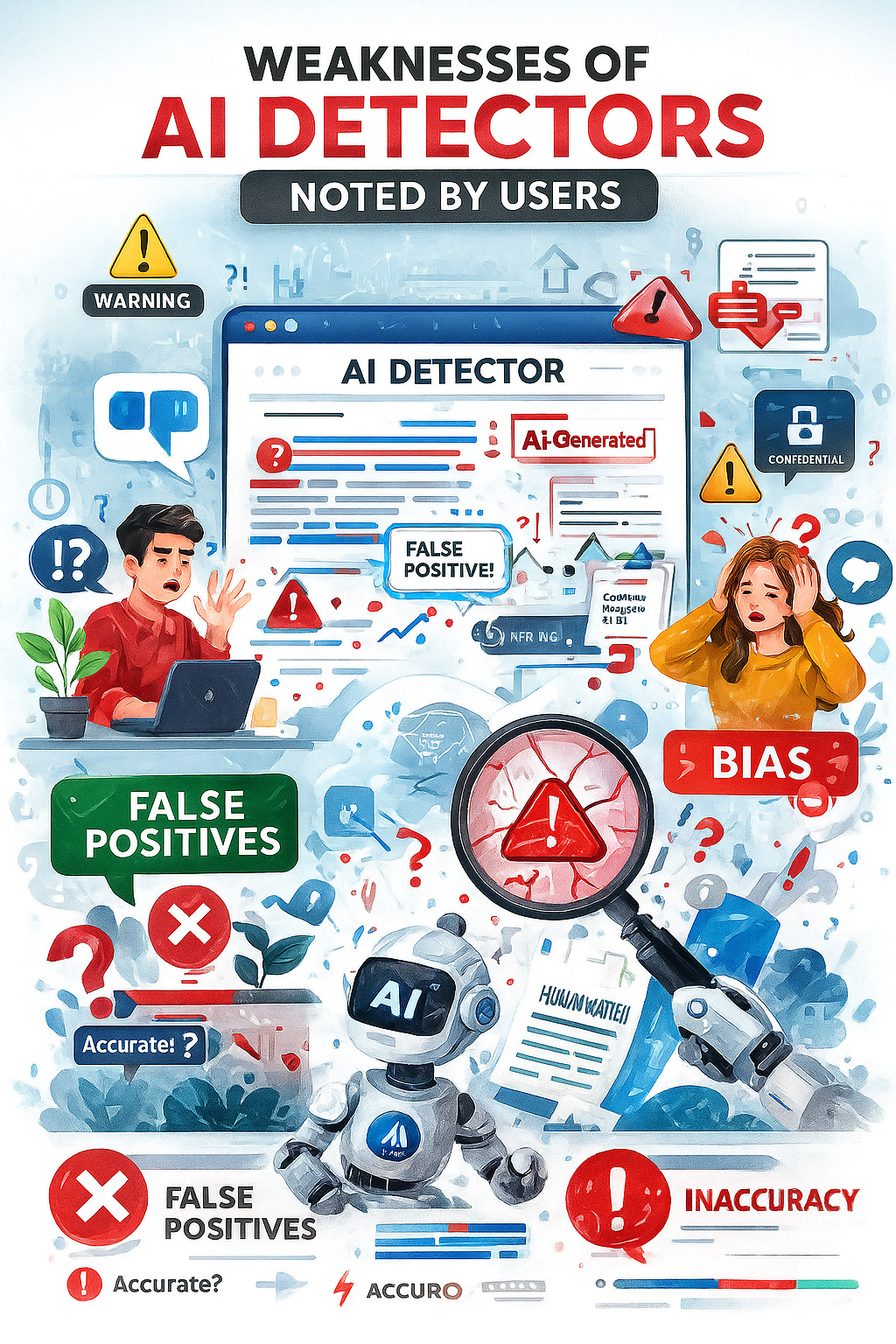
AI systems may produce biased outcomes if trained on biased data.
Dependence on Technology
Over-reliance on AI may reduce human critical thinking skills.
Cybersecurity Risks
AI-powered cyberattacks are becoming more advanced.
While AI offers benefits, responsible use remains essential.
Can AI Replace Human Jobs?
This is one of the biggest concerns in 2026.
The answer is complicated. AI is replacing some repetitive jobs, especially in customer service, manufacturing, and data processing. However, it is also creating new careers in AI management, digital strategy, cybersecurity, and data science.
Jobs requiring empathy, creativity, leadership, and emotional intelligence remain difficult for AI to replace.
Instead of replacing humans entirely, AI is changing the way people work.
The future belongs to workers who adapt and learn new skills.
Human Emotions vs Machine Logic
AI operates using logic and algorithms. Humans operate using both logic and emotion.
For example, a customer service chatbot may answer questions quickly, but a human representative can understand frustration, comfort customers, and build trust.
Emotional intelligence plays a major role in leadership, relationships, and communication.
Machines may become smarter, but human emotions still create meaningful connections.
AI in Healthcare and Education
Healthcare Improvements
AI helps doctors diagnose diseases faster and more accurately. Robotic surgeries and predictive analytics are improving patient care.
Personalized Learning
Educational platforms use AI to customize lessons based on student performance.
Virtual Assistants
AI assistants help students learn anytime, anywhere.
Medical Research
AI accelerates research by analyzing medical data quickly.
Even in these industries, human expertise remains irreplaceable.
The Future of Digital Marketing
Digital marketing has changed dramatically because of AI.
Personalized Campaigns
AI helps businesses create highly personalized advertisements and emails.
Voice Search Optimization
As voice assistants become popular, marketers optimize content for voice searches.
Predictive Analytics
AI predicts customer behavior and future trends.
Automated Marketing Tools
Businesses use AI-driven platforms for email marketing, lead generation, and social media management.
The Best Digital Marketing Company in 2026 combines human creativity with AI-powered tools to deliver outstanding results.
AI and Ethical Concerns
As AI grows, ethical concerns are becoming more important.
Who Controls AI?
Governments and companies must create rules to ensure AI is used responsibly.
Data Protection
Users want transparency about how their data is collected and used.
Fake Content and Deepfakes
AI-generated fake videos and misinformation are major challenges.
Human Responsibility
Humans must remain accountable for decisions made using AI systems.
Ethics will play a critical role in shaping the future of AI technology.
Final Thoughts on AI vs Humans
The debate between AI and humans is not about choosing one over the other. It’s about understanding how both can work together.
AI brings speed, automation, and data-driven intelligence. Humans bring creativity, empathy, ethics, and emotional understanding. Together, they can achieve incredible things.
In 2026, the smartest businesses are not replacing humans with AI — they are empowering humans through AI.
Whether it’s AI Marketing, **AI automation**, or advanced digital strategies, companies that balance technology with human creativity will lead the future.
The world doesn’t need humans or AI alone. It needs the strengths of both.
FAQs
1. What is the difference between AI and human intelligence?
AI works using data, algorithms, and automation, while human intelligence includes creativity, emotions, intuition, and personal experiences.
2. Can AI completely replace humans in the future?
No, AI can automate many tasks, but human creativity, empathy, and leadership are difficult to replace.
3. How is AI used in digital marketing?
AI helps businesses with customer targeting, personalized advertising, predictive analytics, and automated marketing campaigns.
4. What are the biggest risks of AI technology?
Some major risks include job displacement, privacy concerns, biased algorithms, and cybersecurity threats.
5. Why is AI automation important for businesses?
AI automation improves productivity, reduces costs, minimizes errors, and allows businesses to focus on strategic growth.
메타데이터
- post_id
- d0ebebb245c1
- slug
- ai-vs-human-technology-in-2026-future-of-innovation-d0ebebb245c1
- url
- https://medium.com/@infoscalzai/ai-vs-human-technology-in-2026-future-of-innovation-d0ebebb245c1
- canonical_url
- https://medium.com/@infoscalzai/ai-vs-human-technology-in-2026-future-of-innovation-d0ebebb245c1
- author_url
- https://medium.com/@infoscalzai
- status
- ok
- fetched_at
- 2026-06-09 15:37:30