The Unequal Tax Burden
Why the Middle Class Pays While the Wealthy Avoid
Information Warfare — Information War — Tax Burden
The Unequal Tax Burden
Why the Middle Class Pays While the Wealthy Avoid
Introduction: The viral image captures a sentiment growing louder across democracies worldwide: “I don’t mind having to pay taxes when the poor can’t. What upsets me is having to pay taxes when the rich won’t.” It’s a striking condemnation of systemic tax injustice — one that resonates because it confronts the fundamental social contract of fairness. Why do ordinary citizens carry the weight of public finance while billionaires shelter wealth offshore? This article explores the mechanisms, history, and consequences of tax avoidance among the wealthy, and why it undermines democracy, public trust, and economic equity.
1. The Moral Logic of Progressive Taxation: Taxes are, ideally, a collective contribution to society. Roads, schools, defense, healthcare, and infrastructure do not fund themselves. In a functioning democracy, those with the most means contribute proportionally more to ensure a strong and healthy society for all. That is the essence of progressive taxation — one of the most accepted moral and economic frameworks since the early 20th century.
But what happens when those with the most wealth exploit legal loopholes to avoid contributing altogether?
2. How the Rich Avoid Taxes: Legal, But Not Fair The ultra-wealthy don’t need to break the law to dodge taxes — they simply use the system to their advantage.
- Tax Havens and Shell Companies: Nations like the Cayman Islands, Bermuda, and even states like Delaware and South Dakota serve as safe zones for anonymous, untaxed wealth.
- Capital Gains and Stock Options: The rich often receive income in the form of investments rather than salaries. While a teacher might pay 22–24% in taxes, a billionaire’s income from stocks may be taxed at just 15–20%, or not at all if unrealized.
- Inheritance Loopholes: The “stepped-up basis” allows wealthy families to pass on massive estates without triggering significant tax bills.
- Debt as a Lifestyle: Many billionaires live off borrowed money rather than selling assets, which allows them to spend without technically earning — and therefore without being taxed.
These tactics are legal — but they tilt the economy in favor of those who already have outsized influence and capital.
3. The Middle-Class Burden: Stuck in the Squeeze The result? Wage earners — teachers, nurses, truck drivers, small business owners — pay a disproportionate share of taxes relative to their wealth.
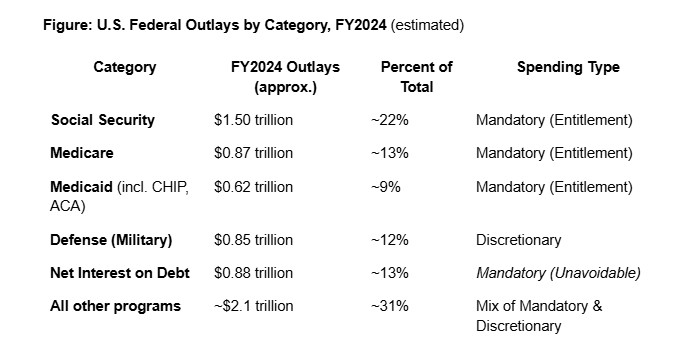
A 2021 report from the White House Council of Economic Advisers found that the top 1% legally avoid paying around $175 billion in taxes each year. Meanwhile, middle-class families can’t shelter income in exotic trusts or offshore funds. They pay payroll taxes, income taxes, and local taxes with little recourse.
This isn’t just about economics — it’s about trust. If citizens feel the system is rigged, they lose faith in the institutions meant to represent them.
4. Consequences for Society and Democracy
- Weakened Public Services: When wealthy individuals and corporations don’t pay their fair share, it reduces funding for schools, healthcare, public transportation, and housing.
- Widening Inequality: The gap between rich and poor isn’t just income — it’s also opportunity, access, and power. Tax avoidance accelerates this divide.
- Political Capture: Billionaires can use untaxed wealth to fund lobbyists, PACs, and media outlets that influence policy — often in ways that protect their own financial interests.
The irony is stark: those who benefit most from a stable, functioning society often contribute the least to its upkeep.
5. Reforming the System: Solutions for a Fairer Future Tax justice is possible, but it requires bold political will.
- Global Tax Transparency: Support for global agreements on minimum corporate taxes (like the OECD’s proposal) can limit the race to the bottom.
- Wealth Taxes: A modest tax on net wealth (as proposed by economists like Thomas Piketty or Elizabeth Warren) could generate trillions.
- Close Loopholes: Remove preferential treatment for capital gains, limit trust abuse, and eliminate stepped-up basis laws.
- Strengthen the IRS: Funding for audit and enforcement can ensure the rich are held to the same standard as everyone else.
Conclusion: A Social Contract Worth Fighting For Paying taxes is a civic duty — but it should be a shared one. The frustration captured in the image isn’t about paying for a society that cares for its vulnerable; it’s about watching the privileged avoid their share while the rest carry the load.
A healthy democracy cannot survive long-term inequality and impunity. Until the tax code reflects the principle that everyone contributes to the common good — especially those who benefit most — distrust and division will continue to deepen.
It’s not envy. It’s about fairness. And until the system is fixed, the silent tax rebellion of the everyday citizen will only grow louder.
Keywords: Tax justice, inequality, wealth gap, economic policy, progressive taxation, tax avoidance, fairness doctrine, income disparity, oligarchy, social contract.
메타데이터
- post_id
- d1331d7e119d
- slug
- the-unequal-burden-d1331d7e119d
- url
- https://money-politics.com/the-unequal-burden-d1331d7e119d
- canonical_url
- https://money-politics.com/the-unequal-burden-d1331d7e119d
- author_url
- https://medium.com/@hase_fiero
- status
- ok
- fetched_at
- 2026-06-14 11:28:49