THE BOY WHO WALKED INTO THE WRONG WAR
An American Story About Shelters, Secrets, and a Son Lost Somewhere Between Two Countries
THE BOY WHO WALKED INTO THE WRONG WAR
An American Story About Shelters, Secrets, and a Son Lost Somewhere Between Two Countries
I. The Boy Who Built Things
Before the war, before Moscow, before the regiment with the number that would later appear in Ukrainian police reports, there was a boy who built shelters.
He built them everywhere — in the backyard, in the woods, in the living room, in the snow.
He built them for his sisters, for the neighbor’s dog, for imaginary travelers passing through the forest behind the house. He built them out of pillows, branches, blankets, cardboard, anything he could find. He built them the way other children draw superheroes — instinctively, compulsively, as if the world needed more places to hide.
His parents used to laugh about it. “He’s preparing for something,” his father would say. “He’s protecting someone,” his mother would add.
They didn’t know then how prophetic those words were.
His mother worked in a building with no windows. His father had served in a war he never talked about. The house was full of quiet rules and unspoken things.
But Michael lived outside. He slept under stars. He learned the names of trees. He believed the world could be repaired if you just used your hands.
He was the kind of boy who thought injustice was a physical thing — something you could push back with enough strength, enough courage, enough stubbornness.
He was the kind of boy who should have grown into a man who built houses.
But stories rarely honor the paths we imagine for them.
II. The Drift Begins Quietly
The first sign that something was shifting came in the form of a photograph.
He was standing in a square — a very famous square, in a very dangerous country, at a very dangerous time.
Behind him: red walls, a clock tower, a history that had swallowed millions.
He was smiling.
His parents saw the photo. They saw the caption. They saw the comments.
But parents are experts at explaining away the things that frighten them.
“He’s traveling.” “He’s exploring.” “He’s young.” “He’s idealistic.”
They did not say: “He is drifting toward something we cannot name.”
Not yet.
III. The Country of Strangers
In 2023, he left home for good.
He moved through Italy, Türkiye, Georgia. He slept on floors, in tents, in borrowed rooms. He rebuilt earthquake‑damaged houses. He worked on farms. He joined the Rainbow Family gathering. He played guitar with strangers.
He was searching for something — a purpose, a tribe, a story to belong to.
But the world is full of stories that look like purpose and feel like belonging and end in violence.
Somewhere between the farms and the forests, his online posts changed. He began talking about “Western propaganda.” He defended Russia’s position in the war. He wrote about corruption in Ukraine. He shared Soviet‑style drawings. He posted videos of Putin.
He was not radicalized. He was not brainwashed. He was not recruited.
He was drifting — and drift is the most dangerous form of movement, because it feels like freedom.
IV. The Visa
In August 2023, he obtained a Russian visa.
He told his parents he had “found work.” He said he was saving money for a trip to Africa. He said he had friends there.
He did not say he was spending time at a Moscow recruitment center known for enlisting foreigners.
He did not say he was considering joining the Russian army.
He did not say he was walking toward a war.
Parents hear what they can bear. The rest becomes silence.
V. The Regiment With a Number
On September 5, 2023, he signed a contract with the Russian Armed Forces.
He was assigned to the 137th Guards Airborne Regiment — a regiment with a number that appears in Ukrainian police reports, in witness testimonies, in lists of war crimes.
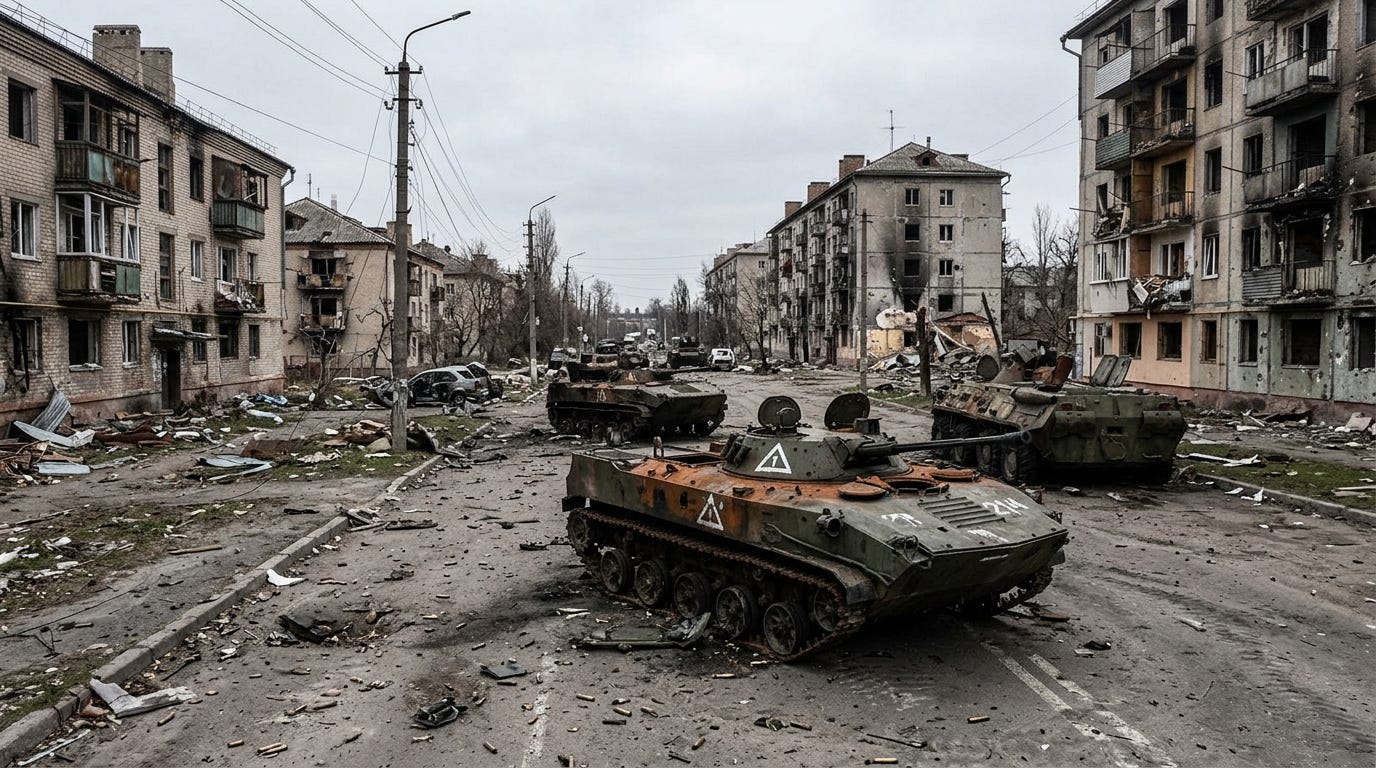
Irpin. Bucha. Ten civilian cars shot up on the road out of town. Children among the dead.
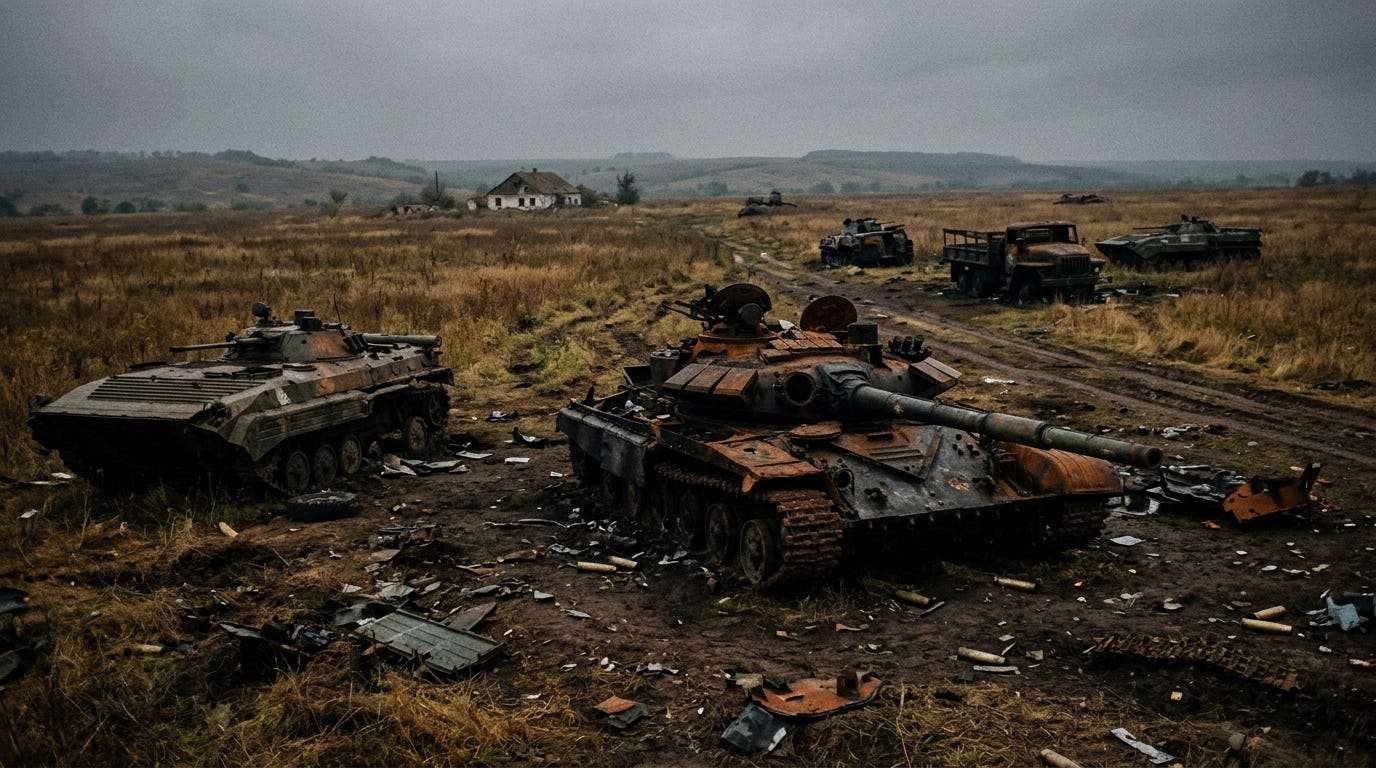
The regiment had been shattered outside Kyiv. It had been shredded in Bakhmut. It had been rebuilt with whoever Russia could find — convicts, volunteers, foreigners.
It was a regiment that had lost its veterans, its discipline, its shape. It was a regiment that had become a machine for grinding bodies.
This was the regiment he joined.
This was the regiment he would die with.
VI. The Mother Who Knew Too Much
Back in Virginia, his mother went to work every morning at the CIA.
She was the Deputy Director for Digital Innovation — a role that oversees cyber operations, digital intelligence, adversary monitoring.
Her job was to understand Russia. Her son was living in Russia.
Her job was to track digital threats. Her son was posting pro‑Russian content.
Her job was to analyze adversary behavior. Her son had joined an adversary army.
The family says they did not know.
Maybe they didn’t.
But there are silences in this world that are not ignorance — they are survival.
VII. The Front Line
In December 2023, he was sent to the front.
The 137th Regiment was holding positions near Bakhmut — a place where the earth itself seemed to bleed.
The regiment was exhausted, under‑equipped, constantly shelled. It was a place where young men went to disappear.
He wrote home less. He posted less. He slept in trenches. He carried a rifle. He followed orders in a language he barely spoke.
He had crossed a line — the kind you don’t cross back from.
VIII. The Death
On April 4, 2024, during an assault, he tried to help a wounded comrade.
Artillery struck. He bled out.
He was twenty‑one.
His parents learned of his death from a U.S. consular official.
Not from Russia. Not from the regiment. Not from the war he had chosen.
From the country he had left behind.
IX. The President Who Needed a Story
Months later, Vladimir Putin spoke about him at the Valdai Forum.
He described him as brave. He described him as noble. He described him as a hero.
He said:
““This young man himself, bleeding profusely, tried to help his Russian comrade…(Этот молодой парень сам, истекая кровью, пытался оказывать помощь своему русскому товарищу…)”
He used Michael’s death as a political instrument — a way to show that even the son of a CIA deputy director had chosen Russia.
It was a propaganda gift.
And the family said nothing.
X. The Funeral Without a War
In December 2024, in a church in Fairfax, they buried him.
The obituary did not mention Russia. It did not mention the army. It did not mention the war. It did not mention the regiment. It did not mention Putin.
It said he died “during his travels overseas.”
It said he had a noble heart. It said he had a warrior spirit. It said he loved nature, music, justice.
All of that was true.
But it was not the whole truth.
The whole truth was too heavy to carry into a church.
XI. The Question That Remains
There is a question that hangs over this story like smoke:
What does a family owe when their son dies fighting for an army that commits atrocities?
Do they owe an apology? Do they owe an explanation? Do they owe silence? Do they owe the truth?
His mother, a senior CIA official, could not have been unaware of what the Russian army did in Bucha, in Irpin, in Mariupol.
She could not have been unaware of the regiment’s history.
She could not have been unaware of the war’s brutality.
And yet the obituary speaks of shelters, forests, music, and Tolkien.
It speaks of the boy he was. Not the man he became.
XII. The Story No One Wanted to Tell
In the end, this is a story about contradictions:
A boy who built shelters joined an army that destroyed cities. A protector of the unseen joined a regiment that shot civilians in cars. A seeker of justice fought for a state that bombs apartment blocks. A son of the CIA died for Vladimir Putin. A family that understood the world could not understand their own child.
It is a story that should not exist.
And yet it does.
Because people are not consistent. Because families are not omniscient. Because wars pull in the lost, the idealistic, the unstable, the searching. Because propaganda is powerful. Because grief edits memory. Because love rewrites history.
Michael Gloss lived a brief, fiercely beautiful life. He died a violent, unnecessary death.
Between those two points lies a story that no obituary can hold — a story about a boy who built shelters, and a world that built none for him.
메타데이터
- post_id
- d177071a3ccd
- slug
- the-boy-who-walked-into-the-wrong-war-d177071a3ccd
- url
- https://medium.com/@briefsitrep/the-boy-who-walked-into-the-wrong-war-d177071a3ccd
- canonical_url
- https://medium.com/@briefsitrep/the-boy-who-walked-into-the-wrong-war-d177071a3ccd
- author_url
- https://medium.com/@briefsitrep
- status
- ok
- fetched_at
- 2026-06-09 15:37:30