How the Internet Is Reshaping Attention and Intellectual Depth
I grew up believing that access to information automatically leads to understanding. The internet seems to confirm this belief at first…
How the Internet Is Reshaping Attention and Intellectual Depth
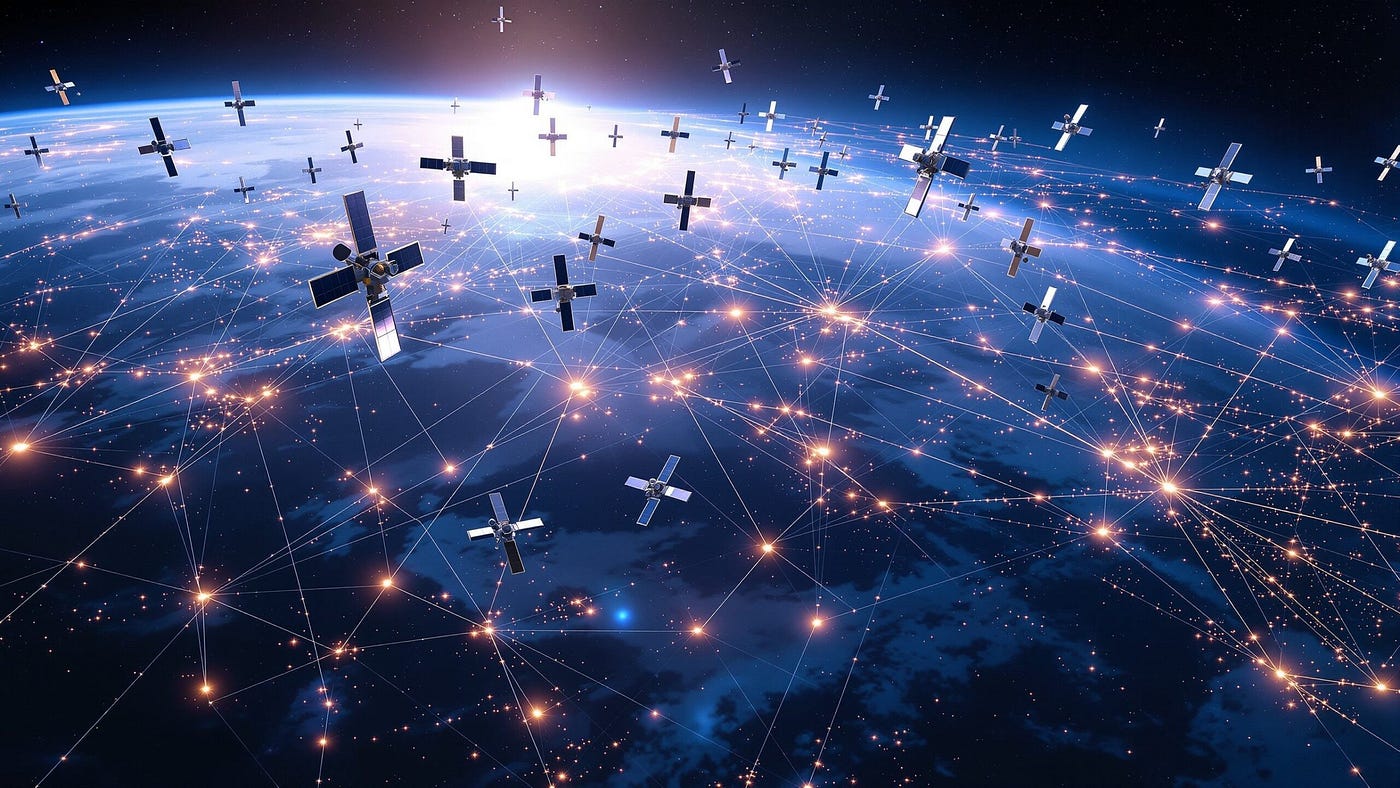
Internet Is Reshaping
I grew up believing that access to information automatically leads to understanding. The internet seems to confirm this belief at first glance. Answers are instant. Knowledge is searchable. Ideas circulate faster than ever. Yet the more time I spend online, the more I notice a strange contradiction. We know more facts, but we struggle to sit with them. We consume more ideas, but we rarely digest them. Attention feels fragmented, and intellectual depth feels increasingly rare.
What worries me is not the distraction itself. Distraction has always existed. What feels different now is scale and permanence. The internet does not merely interrupt thought, it restructures how thought forms. It rewards speed over reflection and immediacy over depth. Over time, this changes how we read, how we listen, and how we reason. It becomes harder to stay with complex ideas without craving stimulation or resolution.
As the founder of Grands Digital, I notice this shift most clearly in myself. Long articles feel heavy. Slow books require effort. Silence feels uncomfortable. My mind expects novelty, even when the subject demands patience. This is not a personal failure, it is an environmental one. When attention becomes a scarce resource, intellectual depth quietly becomes collateral damage.
How Constant Stimulation Trains the Mind to Skim
I see the internet training my mind to skim rather than settle. Endless feeds condition me to scan headlines, jump between tabs, and abandon content the moment it slows down. This habit does not stay online. It follows me into conversations, reading, and thinking. I feel the urge to move on before ideas fully land.
Skimming creates the illusion of productivity. I touch on many topics but rarely stay long enough to understand them deeply. Familiarity replaces comprehension. I recognize phrases, arguments, and viewpoints without engaging with their foundations. Over time, this leads to shallow confidence. I feel informed while remaining underdeveloped intellectually.
What concerns me is how this habit reshapes learning itself. Deep understanding requires friction. Confusion, repetition, and sustained focus are part of the process. The internet minimizes friction by design. When everything is optimized for speed and ease, the mind adapts by avoiding effort. Depth begins to feel unnecessary or even inconvenient.
Why Attention Is Becoming the Most Contested Resource
I realize that attention is no longer just personal, it is economic. Every platform competes to capture and hold it. Notifications, alerts, autoplay, and endless scroll are not neutral features. They are designed to fragment focus into manageable pieces that can be repeatedly harvested.
This constant competition creates a state of low-level urgency. I feel pulled in multiple directions at once. Even when focusing, part of my mind stays alert for interruption. This divided state weakens concentration and makes sustained thinking difficult. Intellectual depth requires continuity, but the internet thrives on interruption.
Over time, this environment reshapes expectations. Content must entertain immediately or risk being ignored. Ideas must perform quickly or disappear. As a result, complex thinking often gets simplified or sensationalized. What cannot be compressed loses visibility, and what loses visibility slowly loses value.
The Decline of Patience and Its Impact on Thinking
In my book, Quantum Curious: A Fun Guide for Normal People, I wrote, “When speed becomes the default, patience begins to feel like a flaw rather than a strength, and thinking quietly loses its place.” That idea shapes how I observe the decline of patience and its impact on thinking. I notice patience fading in subtle ways. Waiting feels intolerable. Long explanations feel excessive. Nuanced arguments feel tiring. This impatience does not come from lack of intelligence but from constant exposure to faster alternatives. When answers are instant, the process of thinking feels inefficient.
Patience is essential for intellectual depth. It allows ideas to unfold gradually. It creates space for uncertainty and revision. Without patience, thinking becomes reactive rather than reflective. I respond instead of reason. I judge instead of exploring.
This decline affects discourse as well. Conversations become polarized because nuance takes time. People gravitate toward certainty because ambiguity feels uncomfortable. The internet amplifies this tendency by rewarding confident simplicity over thoughtful complexity. As patience erodes, so does the capacity for deep understanding.
How Information Abundance Weakens Knowledge Formation
I live surrounded by more information than I can ever process. Paradoxically, this abundance makes it harder to build knowledge. When everything is available, nothing feels urgent to learn deeply. I bookmark articles instead of reading them. I save videos instead of watching them fully.
Knowledge requires integration. Facts must connect, conflict, and settle into frameworks. Constant exposure to new information interrupts this process. The mind stays in intake mode, rarely entering synthesis. I consume endlessly without consolidating what I learn.
This leads to a form of intellectual inflation. Ideas lose weight because they are easily replaceable. When one concept becomes challenging, another is immediately available. Over time, this conditions the mind to avoid difficulty. Depth gives way to breadth, and understanding becomes optional.
How Online Culture Rewards Opinion Over Understanding
I notice how the internet encourages expression before comprehension. Opinions are shared instantly, often before ideas are fully formed. Visibility rewards confidence, not contemplation. This creates an environment where speaking matters more than listening.
I feel pressure to react quickly. Silence looks like ignorance. Pausing looks like indecision. Yet meaningful insight often emerges after reflection, not immediacy. When reaction becomes the default, thinking becomes performative rather than exploratory.
This culture weakens intellectual humility. Admitting uncertainty feels risky. Changing one’s mind feels like failure. Over time, this hardens perspectives and discourages growth. Intellectual depth depends on the willingness to be wrong, but the internet rarely rewards that posture.
What We Lose When Depth Becomes Optional
I believe the loss of intellectual depth has personal and societal consequences. On a personal level, shallow engagement limits growth. I feel less capable of sustained concentration, less comfortable with complexity, and more reactive emotionally. These changes affect how I relate to ideas and people.
On a broader level, shallow thinking weakens collective decision-making. Complex problems require careful analysis and long-term thinking. When attention fragments and depth declines, solutions become simplistic. Debates turn hostile. Progress slows.
What we lose is not intelligence, but capacity. The ability to think deeply is a skill that requires practice. When the environment discourages that practice, the skill atrophies. Rebuilding it becomes harder the longer it remains unused.
Relearning Focus in a Distracted Environment
I am learning that reclaiming attention requires intentional resistance. The internet is not designed for depth, so depth must be chosen deliberately. This means setting boundaries, not as punishment, but as protection for cognitive health.
I practice staying with one idea longer than feels comfortable. I read without checking other tabs. I allow confusion to exist without immediately resolving it. These small acts feel difficult at first, which tells me how much my attention has been trained elsewhere.
Over time, focus strengthens. Ideas begin to connect. Thinking slows down in a productive way. This does not require abandoning the internet but using it consciously. Tools become servants instead of masters when intention replaces impulse.
Redefining Intelligence Beyond Speed and Output
I question the assumption that intelligence equals quickness. The internet celebrates fast responses and rapid production. Yet some of the most meaningful insights emerge slowly. Depth values quality over speed and understanding over performance.
Redefining intelligence means honoring processes that cannot be rushed. Careful reading. Thoughtful listening. Deliberate thinking. These practices do not scale easily, but they endure. They create insight that lasts beyond the moment.
When I allow myself to think slowly, I regain confidence in my capacity to understand deeply. I stop measuring worth by how quickly I respond and start valuing how well I comprehend. This shift restores dignity to thinking itself.
Choosing Depth in an Age of Endless Distraction
I accept that the internet will continue to shape attention. The question is not whether it influences us, but how consciously we respond. Choosing depth requires effort, but it offers clarity in return. It grounds thought and stabilizes identity.
I remind myself that not everything needs to be consumed. Not every idea needs a reaction. Some thoughts deserve silence and time. By choosing depth selectively, I protect my ability to think meaningfully. In a world optimized for distraction, depth becomes a form of quiet resistance. It is not flashy, but it is powerful. And it may be one of the most important skills we can preserve.
Feel free to reach out to me at https://www.linkedin.com/in/alamgirrajab/
Email: alamgir0500@gmail.com
메타데이터
- post_id
- d1b4de90baa8
- slug
- how-the-internet-is-reshaping-attention-and-intellectual-depth-d1b4de90baa8
- url
- https://medium.com/@alamgirrajab/how-the-internet-is-reshaping-attention-and-intellectual-depth-d1b4de90baa8
- canonical_url
- https://medium.com/@alamgirrajab/how-the-internet-is-reshaping-attention-and-intellectual-depth-d1b4de90baa8
- author_url
- https://medium.com/@alamgirrajab
- status
- ok
- fetched_at
- 2026-08-03 04:17:10





