How to Become an Occupational Therapist in the UK: A Step-by-Step Career Guide
Training routes, apprenticeships, registration, salary, and real-world career progression explained.
How to Become an Occupational Therapist in the UK: A Step-by-Step Career Guide
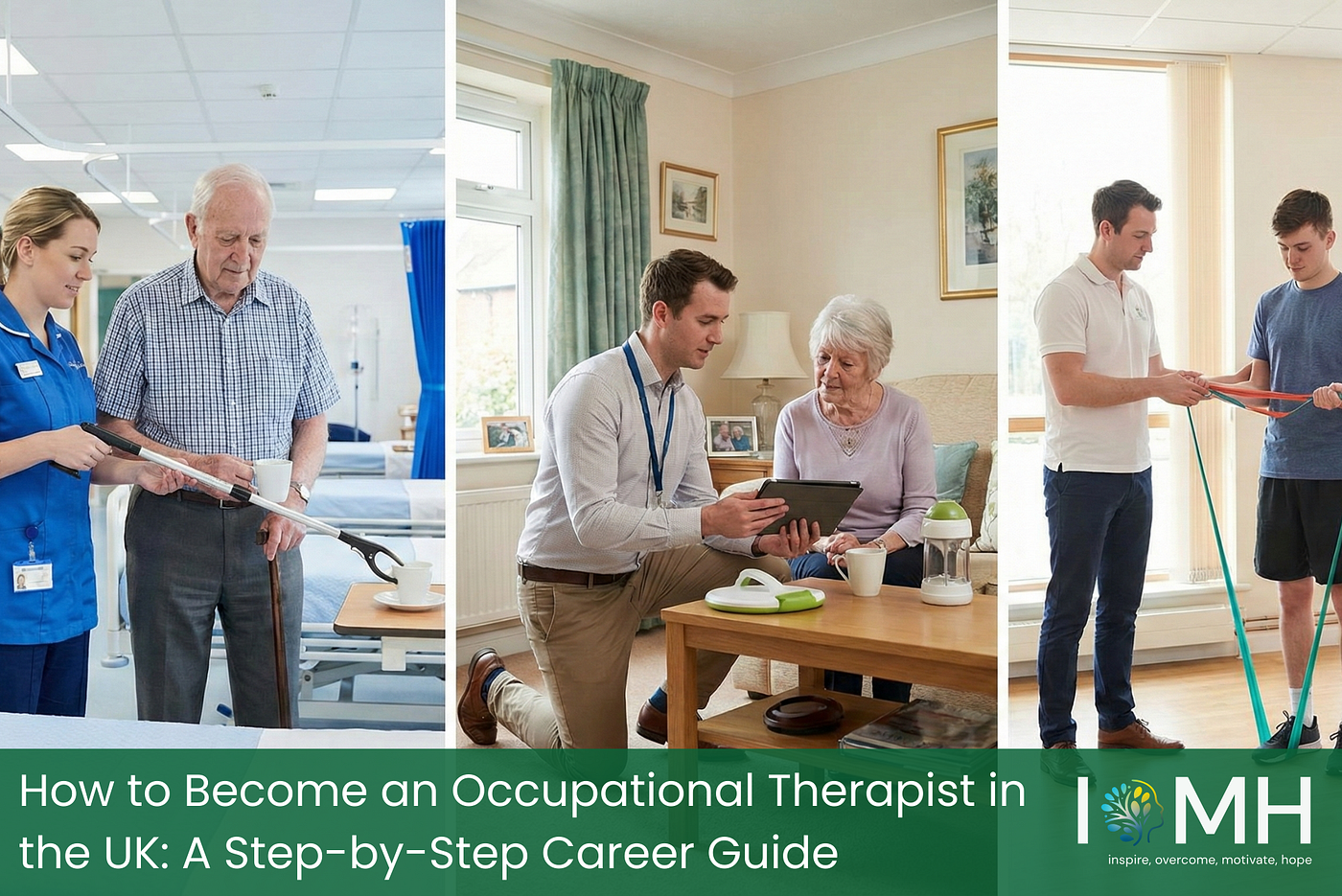
Training routes, apprenticeships, registration, salary, and real-world career progression explained.
Introduction: Why Occupational Therapy Is a Career That Truly Matters
Choosing a career is one of the most important decisions you will ever make. For many people in the UK, occupational therapy represents a unique balance of purpose, stability, creativity, and long-term career growth. It is a profession centred on helping people live more independent, meaningful lives, whether they are recovering from illness, adapting to disability, managing long-term conditions, or navigating mental health challenges.
Occupational therapy is not about quick fixes or one-size-fits-all solutions. Instead, it focuses on understanding the individual behind the condition. Occupational therapists work closely with people to help them regain everyday skills, confidence, and independence often at some of the most vulnerable points in their lives.
In today’s healthcare landscape, demand for occupational therapy jobs in the UK continues to grow. The NHS, local authorities, schools, charities, and private healthcare providers are actively recruiting skilled occupational therapists to support people across all stages of life. With an ageing population, rising mental health needs, and increasing focus on community-based care, occupational therapy has become more essential than ever.
This comprehensive guide walks you step by step through how to become an occupational therapist in the UK. You’ll learn what the role involves, the education and apprenticeship routes available, how to gain experience, registration requirements, salary expectations, career progression, and the pros and challenges of the profession. Whether you’re a school-leaver, graduate, career-changer, or healthcare worker looking to upskill, this guide offers a clear and practical roadmap into occupational therapy.
What Is Occupational Therapy?
Occupational therapy is a healthcare profession focused on enabling people to participate in the activities that matter most to them — often referred to as “occupations”. These activities can include daily self-care, work, education, social interaction, and leisure.
Occupational therapists work with individuals whose ability to carry out everyday activities has been affected by:
- Physical illness or injury
- Disability or long-term conditions
- Mental health challenges
- Neurological conditions such as stroke or brain injury
- Age-related changes
- Social or environmental barriers
Rather than focusing solely on symptoms, occupational therapy takes a holistic, person-centred approach. Practitioners consider physical health, mental well-being, environment, lifestyle, and personal goals when designing interventions.
For example, an occupational therapist might:
- Help an older adult adapt their home after a fall.
- Support a child with autism to develop sensory and social skills.
- Assist someone returning to work after an injury.
- Help a person with mental health difficulties establish daily routines.
- Enable stroke survivors to regain independence.
This breadth makes occupational therapy both challenging and deeply rewarding.

Why Choose Occupational Therapy as a Career?
There are many reasons people are drawn to occupational therapy jobs in the UK, but several stand out consistently.
A Career with Real Impact
Occupational therapy offers the opportunity to see tangible results from your work. Supporting someone to dress independently again, return to work, or participate in daily life creates a strong sense of purpose and fulfilment.
Strong Demand and Job Security
Occupational therapists are in high demand across the UK. With pressures on hospitals and a growing focus on community care, occupational therapy employment remains stable and expanding across multiple sectors.
Variety and Flexibility
No two days are the same. Occupational therapists work in hospitals, community teams, schools, mental health services, social care, charities, and private practice. Many roles offer flexible or part-time working options.
Clear Career Progression
The profession offers structured progression — from newly qualified roles to specialist, advanced, leadership, education, and research positions.
Respect and Professional Recognition
Occupational therapy is a regulated and well-respected allied health profession, with clear standards and professional support.
Educational Pathways to Become an Occupational Therapist in the UK
To practise as an occupational therapist in the UK, you must complete an approved qualification and register with the Health and Social Care Professions Council (HCPC). There are several routes to qualification.
Undergraduate Degree Route
The most common pathway is completing a BSc (Hons) in Occupational Therapy.
Key Features
- Duration: Typically 3 years full-time (4 years in Scotland)
- Combines academic learning with practice placements
- Placements take place in hospitals, community services, schools, and mental health settings.
Entry Requirements
While requirements vary by university, most courses expect:
- Five GCSEs including English, Maths, and Science
- Two or three A-levels (often including Biology, Psychology, or Health-related subjects), or equivalent qualifications
During the degree, students study anatomy, physiology, psychology, occupational science, and therapeutic approaches. Practice placements are essential, allowing students to apply their learning in real clinical environments.
Postgraduate / Conversion Courses
If you already hold a degree in another subject, you can qualify through a postgraduate diploma or a master’s degree in occupational therapy.
Who This Route Suits
- Career-changers
- Graduates from psychology, health sciences, education, or social sciences
Key Features
- Duration: Usually 2 years full-time
- Intensive academic and placement-based learning
- Leads directly to HCPC registration
This route is increasingly popular among mature students and professionals transitioning into healthcare.
Degree Apprenticeship Route
Occupational therapy degree apprenticeships allow you to earn while you learn, combining paid employment with academic study.
How Apprenticeships Work
- Duration: Usually around 4 years
- Apprentices work in healthcare settings while studying part-time at university.
- Tuition fees are covered by employers and government funding
Benefits
- No student debt
- Immediate workplace experience
- Strong employability with a qualification
This route is ideal for healthcare assistants, support workers, or mature learners already working in care settings.
Gaining Experience Before You Apply
Whether applying for a degree or apprenticeship, relevant experience strengthens your application and helps confirm occupational therapy is right for you.
Valuable Experience Includes:
- Volunteering in care homes, hospitals, or community services
- Shadowing an occupational therapist
- Supporting individuals with disabilities
- Working in mental health or social care roles
Admissions teams value applicants who understand the realities of occupational therapy and can reflect on what they’ve learned from experience.
Registration and Professional Bodies
After qualifying, you must register with the Health and Care Professions Council (HCPC) to practise legally as an occupational therapist in the UK. Registration requires:
- An approved qualification
- Ongoing continuing professional development (CPD)
- Renewal every two years
Many practitioners also join the Royal College of Occupational Therapists (RCOT), which offers professional guidance, networking, training, and career support.
Finding Occupational Therapy Jobs in the UK
Once registered, occupational therapy employment opportunities are available across a wide range of settings.
Common Employers Include:
- NHS hospitals and community teams
- Local authority social care services
- Schools and educational support services
- Mental health trusts
- Charities and voluntary organisations
- Private healthcare providers
Job titles may include:
- Occupational Therapist
- Newly Qualified Occupational Therapist
- Specialist Occupational Therapist
- Occupational Therapy Assistant (entry or support roles)
Occupational Therapy Salary and Career Progression
Salary Expectations

In the NHS, occupational therapists are paid under the Agenda for Change framework:
- Band 5 (Newly Qualified): £28,000+
- Band 6: £35,000–£42,000
- Band 7: £43,000–£46,000+
- Band 8 and above (senior/consultant roles): £50,000+
Private and charity-sector salaries may vary, but are often competitive.
Career Progression
With experience, occupational therapists can specialise in areas such as:
- Mental health
- Paediatrics
- Stroke and neurological rehabilitation
- Dementia care
- Vocational rehabilitation
Others progress into leadership, education, research, or consultancy roles.
Pros and Cons of Occupational Therapy
Advantages
- Meaningful, people-centred work
- Strong job security
- Wide variety of settings
- Clear progression pathways
Challenges
- Emotional demands
- High caseloads in some settings
- Administrative responsibilities
- Travel requirements in community roles
Understanding both sides helps ensure informed career decisions.
Practical Tips for Aspiring Occupational Therapists
- Gain early experience where possible.
- Develop reflective practice skills.
- Stay organised during training.
- Build strong communication and teamwork skills.
- Engage with professional networks early.
Conclusion: Is Occupational Therapy Right for You?
Occupational therapy is a career built on compassion, creativity, and practical problem-solving. It offers the opportunity to make a real difference while enjoying strong employment prospects, flexibility, and opportunities for professional growth.
If you’re looking for a healthcare career that combines stability with purpose and allows you to impact lives every day, occupational therapy may be the perfect path.
메타데이터
- post_id
- d1bca875638e
- slug
- how-to-become-an-occupational-therapist-uk-d1bca875638e
- url
- https://medium.com/@ahmad_alomgir/how-to-become-an-occupational-therapist-uk-d1bca875638e
- canonical_url
- https://medium.com/@ahmad_alomgir/how-to-become-an-occupational-therapist-uk-d1bca875638e
- author_url
- https://medium.com/@ahmad_alomgir
- status
- ok
- fetched_at
- 2026-07-16 02:36:38