PTSD — Beyond The Invisible Wounds
How chronic trauma rewires the brain, disrupts daily life, and shapes the collective heart of conflict-affected communities like Lebanon.
PTSD — Beyond The Invisible Wounds
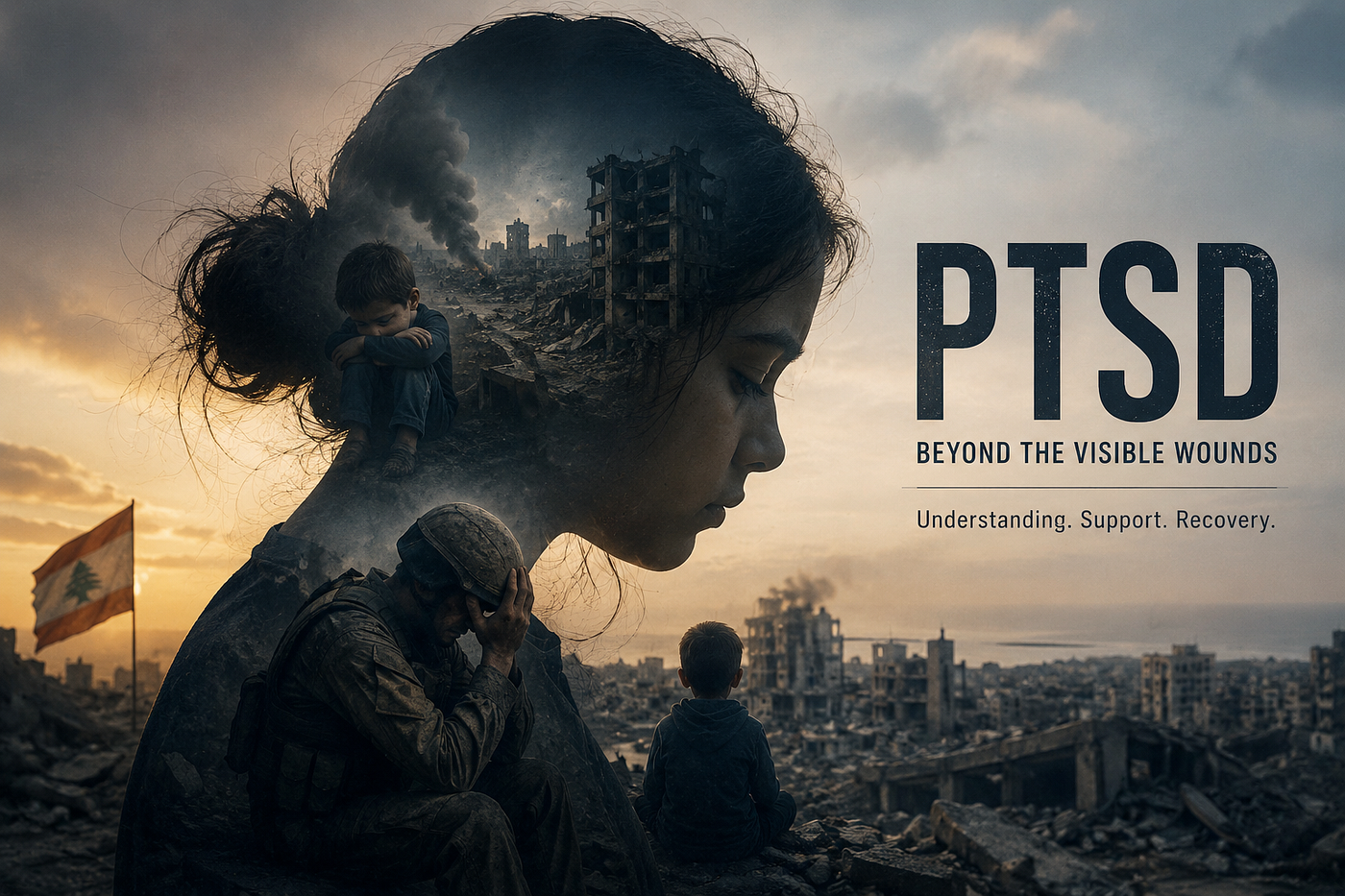
Understanding Post-Traumatic Stress Disorder, Its Causes, Consequences, and the Path Toward Recovery
1. Introduction
Trauma leaves a mark. For some, that mark fades with time, processed quietly, filed away, eventually becoming part of a story rather than an open wound. For others, it does not fade. It lingers in the body, disrupts sleep, surfaces without warning, and quietly dismantles a person’s ability to feel safe in a world that has already proved itself dangerous. That persistent wound has a name: Post-Traumatic Stress Disorder, or PTSD.
Mental health has long been recognized as fundamental to human functioning, shaping how people think, relate to others, handle adversity, and find meaning in daily life. Yet for much of history, the psychological consequences of extreme trauma were either invisible to those who studied the mind or simply dismissed as weakness. Today, the field of psychology understands differently. PTSD is one of the most complex and consequential conditions in clinical practice, not because it is rare, but because the traumatic experiences that cause it are disturbingly common.
Wars, armed conflicts, terrorism, displacement, natural disasters, sexual violence, accidents, and sudden bereavement have always been part of human experience. What has changed is the scientific capacity to name what trauma does to the brain, the body, and the self, and to develop treatments that genuinely help. PTSD research has expanded considerably over recent decades, driven in part by the psychological toll of modern warfare and mass displacement, and in part by a growing cultural willingness to take mental health seriously.
Lebanon offers a particularly instructive context for examining these questions. Decades of war, armed conflict, economic collapse, devastating explosions, and recurring instability have placed millions of civilians, including children, in direct contact with experiences that meet the clinical threshold for trauma. Lebanese soldiers who participated in military operations have confronted violence, destruction, and death firsthand. Children have grown up hearing explosions, losing loved ones, and learning that the sounds of the outside world can mean danger. These are not abstract scenarios; they are lived realities that carry lasting psychological consequences.
This paper examines PTSD in depth: its definition, historical recognition, known causes, clinical symptoms, identified subtypes, diagnostic criteria, and available treatments. It also considers the particular impact of war-related trauma in Lebanon, especially among soldiers and children. The broader aim is to underscore why trauma literacy matters, not only for clinicians, but for families, educators, and communities, and why timely psychological support can make an essential difference in whether suffering becomes permanent.
2. What PTSD Is and What It Is Not
At its core, Post-Traumatic Stress Disorder is what happens when fear does not stop. Following exposure to events involving actual or threatened death, serious injury, or violence, it is entirely normal for the nervous system to remain on alert. Fear is adaptive. The problem arises when that alarm system fails to reset, when weeks and months pass, yet the mind and body continue responding as though danger is imminent.
The Diagnostic and Statistical Manual of Mental Disorders, Fifth Edition (DSM-5) formally classifies PTSD within the category of trauma- and stressor-related disorders. Critically, the diagnostic criteria acknowledge that direct personal exposure is not the only pathway to PTSD. Individuals may develop the disorder after witnessing trauma happening to others, learning that a close person has experienced a violent or near-fatal event, or through repeated indirect exposure, as is the case with soldiers, emergency responders, surgeons, journalists, and mental health professionals working in crisis settings.
This breadth matters because it corrects a common misconception: that PTSD belongs only to combat veterans. In reality, it develops across populations, cultures, ages, and types of trauma. A child who survives a bombing, an adult who escapes domestic violence, a first responder who retrieves bodies after a disaster, and a journalist who documents atrocities may all develop PTSD through distinct routes but experience convergent suffering.
What distinguishes PTSD from ordinary stress or grief is persistence and functional impairment. After a traumatic experience, distress is expected. The human nervous system is designed to respond strongly to threat. Most people, given time and adequate support, recover. PTSD is the diagnosis that applies when symptoms extend beyond one month and meaningfully interfere with how a person works, relates to others, or simply moves through the world.
Neurobiologically, PTSD reflects disruptions in the brain’s fear-processing circuitry. Under acute stress, the body releases adrenaline and cortisol to mobilize rapid response to danger, a mechanism known as the fight, flight, or freeze response. After severe trauma, certain individuals appear to remain neurologically locked within that emergency state. The amygdala, which processes threat, becomes hyperreactive. The hippocampus, which contextualizes and files memories in time, may function less effectively. The result is a brain that has difficulty distinguishing between a past danger and a present one.
In Lebanon, this neurobiological reality has concrete faces: the veteran who cannot hear a car backfire without flinching; the child who refuses to go near windows during storms because the sound of thunder echoes the shelling she survived at age seven; the adult who has not slept peacefully in years, though the war ended long ago. These are not exaggerations or metaphors. They are the daily experience of individuals living with untreated or undertreated PTSD.
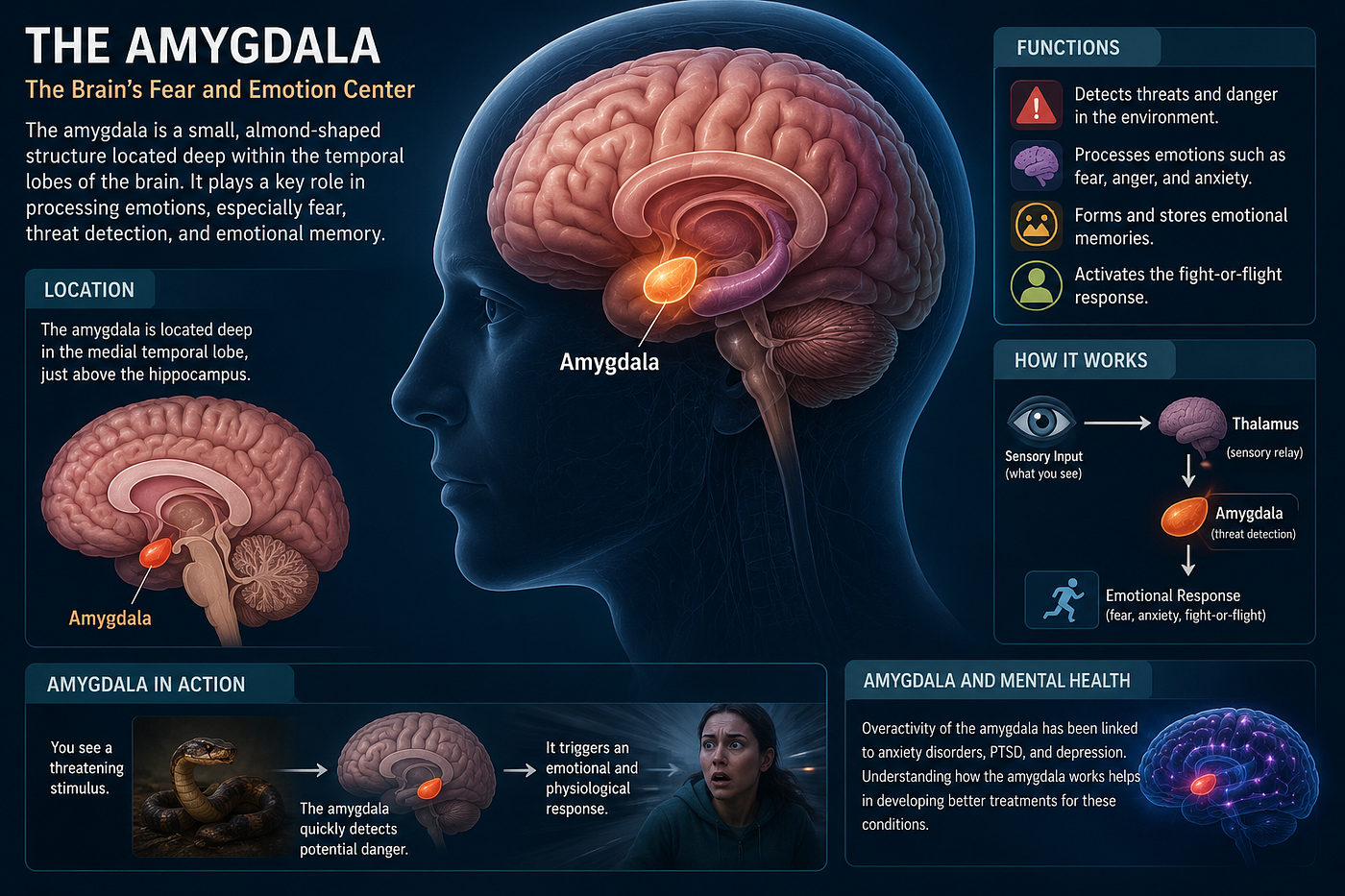
Inside the Traumatized Brain: How a hyperreactive amygdala keeps the nervous system locked in a permanent state of emergency.
3. A Disorder Long Before It Had a Name
The experience of psychological trauma is ancient. What has changed across centuries is not the suffering itself, but the degree to which societies have been willing, or equipped, to recognize it. For most of human history, emotional collapse after catastrophe was interpreted through moral, spiritual, or character-based frameworks. Soldiers who could no longer function after battle were accused of cowardice. Survivors of disasters who fell into prolonged despair were thought to lack faith or resilience. The idea that the mind could be wounded as surely as the body, and that such wounds warranted medical attention, was slow to arrive.
Early hints appeared in nineteenth-century medicine. Following industrial accidents and railway disasters, physicians observed that survivors sometimes developed debilitating symptoms, including panic, nightmares, tremors, and an inability to concentrate, even in the absence of obvious physical injury. The term ‘railway spine’ reflected the era’s assumption that something physical must explain these reactions, since purely psychological causes were not yet considered scientifically credible. The seeds of understanding had been planted, but the conceptual framework remained limited.
World War I forced a reckoning. Returning soldiers by the thousands were experiencing what contemporaries called ‘shell shock,’ including tremors, dissociation, emotional collapse, and an inability to speak or stop weeping. Military leadership initially responded with suspicion and punishment. These men were seen as malingering or weak. Yet the sheer volume of cases, and the consistency of their presentations across soldiers with no prior psychiatric history, eventually compelled medical attention. For the first time, clinicians began documenting that exposure to extraordinary violence, fear, and loss could produce predictable and serious psychological consequences.
World War II deepened this understanding. Similar syndromes emerged under different names: combat fatigue, war neurosis, operational exhaustion. Concentration camp survivors presented with symptoms that would later be recognized as consistent with complex trauma. The evidence accumulated, but formal diagnostic recognition remained elusive.
The turning point came with the Vietnam War. American veterans returning home faced not only the typical aftermath of combat exposure, but also a society deeply divided over the war itself, offering them neither clear narrative nor warm reception. Depression, flashbacks, rage, substance abuse, and social isolation were widespread. Veterans and their advocates pushed hard for recognition. The result was the formal inclusion of PTSD in the DSM-III in 1980, a landmark moment that validated, for the first time in psychiatric history, that trauma-related suffering was a legitimate clinical condition, not a character flaw.
Since 1980, research has expanded dramatically, and with it, the understanding that PTSD is far broader than its military origins. Childhood trauma, sexual violence, domestic abuse, refugee experiences, and natural disasters all emerged as recognized pathways. Children became a specific focus of study, as researchers discovered that early traumatic exposure could fundamentally reshape emotional development, brain architecture, and long-term psychological resilience.
In Lebanon, this historical arc has particular resonance. Generations of Lebanese have lived through cycles of war, displacement, and instability. For many, trauma was not a single event but a recurring condition of life. The psychological consequences, carried individually and collectively, have often gone unaddressed, both because mental health infrastructure was limited and because cultural stigma around emotional vulnerability discouraged disclosure. Understanding where PTSD stands historically helps explain why addressing it in contexts like Lebanon requires not just clinical intervention, but cultural and social change as well.
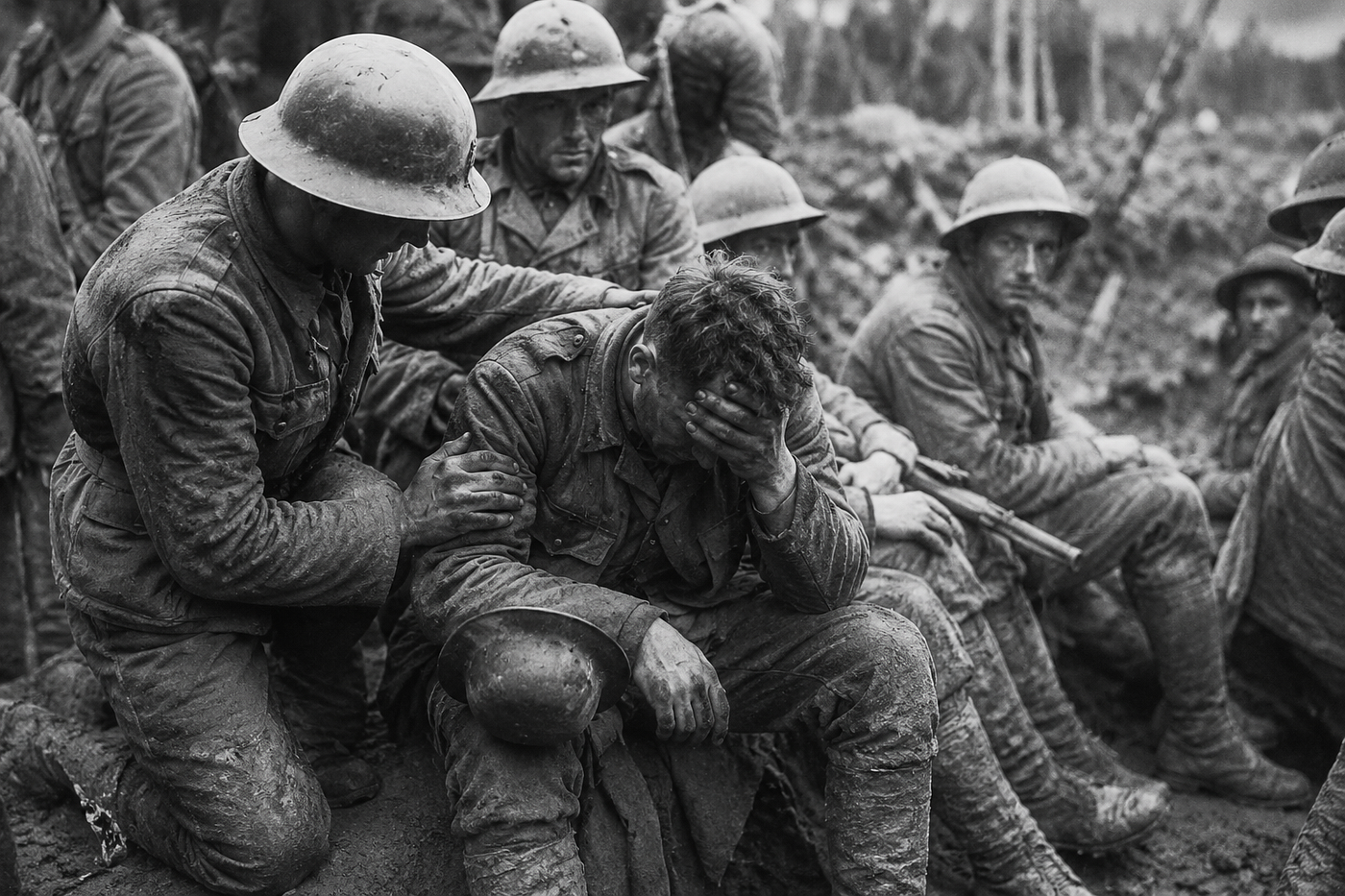
The ancient footprint of trauma: Echoes of “combat fatigue” and “shell shock” that eventually paved the way for modern trauma literacy.
4. What Causes PTSD
PTSD does not emerge from weakness. This point deserves emphasis, because misconceptions about psychological resilience lead many people to wonder why they cannot simply recover, or why others around them apparently have. The answer lies in a convergence of factors: the nature and severity of the traumatic event, the neurobiological makeup of the individual, the presence or absence of social support, and the cumulative history of prior adversity.
The most extensively studied cause is exposure to combat and armed conflict. Soldiers who engage in prolonged military operations face conditions that exceed the nervous system’s ordinary capacity to adapt: sustained threat, sleep deprivation, moral injury, exposure to death, and the responsibility of making split-second decisions with lethal consequences. The psychological cost of these experiences does not disappear upon returning home. For many veterans, symptoms intensify once they are removed from the high-alert environment of the battlefield and have space and quiet in which traumatic memories can surface.
Lebanese soldiers and civilians have experienced this trajectory across multiple conflicts. The repeated nature of Lebanon’s wars, rather than a single traumatic episode, means that many individuals have accumulated layers of exposure, each intensifying the neurological and emotional burden carried forward. For communities living near sites of violence, the trauma is not merely historical but encoded in the physical landscape itself: damaged buildings, displaced neighbors, the particular silence of streets that were once bustling.
Physical and sexual violence are also major causes of PTSD, and among the most likely to go unacknowledged. Survivors of assault or abuse frequently carry profound shame alongside their psychological symptoms, shame that can function as a barrier to disclosure, help-seeking, and treatment. The experience of being harmed by another person, particularly someone in a position of trust or authority, often generates a particular form of trauma that complicates both self-perception and the capacity to form trusting relationships afterward.
Serious accidents, medical emergencies, and natural disasters represent another broad category. What these events share is the sudden, unpredictable erasure of a sense of safety, the discovery that ordinary life can rupture without warning. Survivors may develop avoidance behaviors that significantly narrow their daily lives, refusing to drive, travel, or engage in situations associated with the original event.
Childhood trauma warrants particular attention, because its effects are compounded by developmental timing. Children are still forming the emotional and neurological architecture that will govern their functioning throughout adulthood. When that formation occurs in environments of chronic fear, abuse, neglect, or loss, the consequences can be far-reaching and pervasive, affecting emotional regulation, attachment, academic performance, and vulnerability to future mental health challenges. In conflict zones, children who witness bombings, displacement, or the deaths of family members may develop not only acute PTSD symptoms but lasting alterations in how they perceive the world and their place in it.
At the neurobiological level, trauma disrupts the interconnected systems responsible for fear processing, memory encoding, and emotional regulation. Elevated cortisol levels over extended periods can alter hippocampal functioning, impairing the brain’s ability to place traumatic memories appropriately in the past. The amygdala may remain sensitized, triggering alarm responses to stimuli that only superficially resemble the original threat, such as the Lebanese child who flinches at fireworks, whose nervous system cannot yet distinguish celebration from bombardment.
Social and relational factors also significantly shape whether trauma leads to PTSD and how severe its course becomes. Strong, consistent social support from family, community, or professional networks is one of the most robust protective factors identified in the research literature. Conversely, isolation, stigma, and lack of access to care increase risk. In societies where mental health remains poorly understood or carries social shame, trauma survivors may suffer in silence for years, and their symptoms may deepen and harden into chronic conditions that become progressively more difficult to treat.
5. How PTSD Presents
The clinical picture of PTSD is organized around four core symptom clusters, each reflecting a different way that unprocessed trauma disrupts mental and physical functioning. In practice, these clusters overlap and reinforce one another, creating a syndrome that touches virtually every domain of a person’s life.
Intrusion
The most defining feature of PTSD is the return of traumatic material without invitation. Intrusive symptoms take the form of flashbacks, vivid and often physically felt re-experiencing of the traumatic event, as well as recurring nightmares, unwanted memories, and intense psychological distress when encountering reminders of the trauma. A combat veteran may hear a car backfire and find himself, without any conscious decision, back in a firefight. A Lebanese child who experienced shelling may become distraught during a thunderstorm, not because she confuses the two intellectually, but because her nervous system responds with the same urgency.
Nightmares deserve particular attention because they disrupt the sleep that is essential to emotional regulation and recovery. Many individuals with PTSD develop a secondary fear of sleep itself, dreading the territory of the unconscious where control is relinquished and traumatic content often surfaces. Chronic sleep disruption then worsens daytime functioning, emotional stability, and the capacity to engage with treatment.
Avoidance
As a protective response to intrusive symptoms, individuals with PTSD often engage in systematic avoidance of anything associated with the trauma. This may be external, involving avoidance of particular places, people, sounds, or activities, or internal, involving deliberate efforts to suppress thoughts and feelings related to the event. While avoidance reduces immediate distress, it also prevents the psychological processing that natural recovery requires, effectively maintaining the disorder over time.
Social withdrawal is a common consequence. Survivors may pull back from relationships, not out of indifference, but because intimacy requires emotional availability they can no longer reliably access. Over time, avoidance can narrow an individual’s world considerably, with real consequences for relationships, employment, and general quality of life.
Negative Alterations in Cognition and Mood
PTSD frequently distorts how survivors understand themselves, others, and the future. Persistent guilt, shame, self-blame, and a pervasive sense of being fundamentally damaged or different are common. Some individuals develop what is known as survivor’s guilt, an agonizing awareness that they lived while others, perhaps more deserving, did not. Emotional numbing may develop as an adaptive response to overwhelming affect, but it dulls the full range of experience, making it difficult to feel joy, connection, or safety even when objective circumstances are favorable.
Cognitive difficulties, including problems with concentration, memory, and decision-making, affect daily functioning in both visible and subtle ways. In children, these difficulties are often misread by teachers and parents as behavioral problems or academic disengagement, when they are in fact symptomatic of ongoing psychological distress.
Hyperarousal and Reactivity
The fourth cluster reflects a nervous system that cannot downshift from emergency mode. Hypervigilance, a constant scanning of the environment for signs of threat, is exhausting and disorienting. Startle responses may be dramatically exaggerated; a slammed door becomes cause for alarm. Irritability and anger, sometimes erupting with disproportionate intensity, are frequently reported. Sleep disturbance closes the loop, as a hyperactivated nervous system resists the relaxation that sleep requires.
Physical symptoms manifest as well: headaches, muscle tension, gastrointestinal disturbances, fatigue, and immune suppression. The body bears the record of what the mind has not been able to fully process. In severe cases, and particularly without access to treatment, PTSD may escalate toward depression, substance misuse, self-harm, or suicidal ideation, not as character failures, but as desperate attempts to find relief from unrelenting distress.
6. Variations in Presentation and Course
PTSD is not a monolithic condition. It manifests differently depending on the nature and duration of traumatic exposure, the developmental stage of the survivor, and individual differences in neurobiology and social context. Clinical research has identified several meaningful variations, each with implications for diagnosis and treatment.
Acute PTSD refers to presentations in which full symptom criteria are met but the duration is less than three months. During this window, the prognosis is relatively favorable, particularly when support is available and trauma reminders can be managed. With appropriate intervention, many individuals in this phase recover without progressing to a chronic condition. Without intervention, acute presentations may solidify into longer-lasting syndromes.
Chronic PTSD describes presentations lasting three months or longer. This is the most common clinical picture in practice, in part because many trauma survivors do not seek help immediately, and in part because acute cases often go undetected. Veterans, refugees, and survivors of sustained domestic violence are particularly represented in chronic presentations. The symptoms in chronic PTSD tend to be entrenched and resistant to change, in part because avoidance behaviors have had time to become habitual, and in part because the social world of the survivor may have reorganized itself around their limitations.
Complex PTSD (C-PTSD) merits careful attention as a distinct syndrome with clinical features that go beyond standard PTSD criteria. Formally, C-PTSD develops following prolonged, repeated, or inescapable traumatic exposure, most commonly in the context of childhood abuse, human trafficking, prolonged domestic violence, extended captivity, or sustained exposure to armed conflict. What distinguishes C-PTSD is the additional layer of disturbance in self-organization: profound difficulties with emotional regulation, deeply entrenched shame and worthlessness, persistent disturbances in relating to others, and altered perceptions of the perpetrator, particularly in abuse contexts.
For children raised in conflict environments like Lebanon, where repeated exposure to instability, violence, and loss may extend across years or even an entire childhood, the risk of developing C-PTSD is significant. The cumulative nature of such exposure means that trauma is not a discrete event to be processed, but a chronic environmental condition that shapes development itself.
Delayed-onset PTSD refers to cases in which a full symptom profile does not emerge until at least six months after the traumatic event. Initial apparent resilience may reflect genuine coping, emotional suppression, or simply a lack of triggering circumstances. Later life transitions, including major loss, relationship breakdown, retirement, or renewed exposure to war-related content, can reactivate dormant traumatic material and precipitate a full-blown PTSD presentation. This pattern underscores the importance of long-term follow-up for trauma survivors, even those who initially appear to be coping well.
Secondary traumatic stress, sometimes termed vicarious trauma or compassion fatigue, affects individuals whose professional role involves sustained exposure to the trauma of others. Medical staff, psychologists, social workers, journalists, and humanitarian workers in conflict zones are particularly vulnerable. The cumulative weight of bearing witness, of holding the suffering of others while continuing to function, can produce PTSD-like symptoms in individuals who were never themselves directly threatened. This phenomenon is clinically important in Lebanon’s context, where emergency and mental health professionals have worked under extraordinary pressure across successive crises.
Finally, PTSD presents differently across developmental stages, and nowhere more distinctly than in children. Younger children, lacking the verbal capacities to describe their inner world, often communicate trauma through behavior: regression to earlier developmental stages, repetitive play that reenacts elements of the traumatic event, extreme separation anxiety, somatic complaints, and nightmares. Adolescents may display what appears to be conduct disorder, emotional instability, or social withdrawal. The absence of classic PTSD language does not mean the absence of PTSD, and failure to recognize the disorder in children carries serious long-term developmental costs.
Taken together, these variations in how PTSD presents and unfolds across time and populations serve as a reminder that trauma is not a uniform experience and that recovery is not a linear process. What they share, ultimately, is the same fundamental truth: that when human beings are exposed to events severe enough to overwhelm their capacity to cope, the resulting suffering is real, diagnosable, and, with the right support, treatable.
7. Who Is Most at Risk
Not everyone who experiences trauma develops PTSD. This is not a matter of strength or weakness, but of interaction: between the event itself, the individual’s neurobiology, their history, and the environment that surrounds them in the aftermath. Understanding which factors elevate risk is not about sorting people into categories of vulnerable and resilient, but about identifying where support is most urgently needed.
The severity and duration of the traumatic event is among the strongest predictors. A single, bxrief shock, however frightening, carries a different psychological weight than months of sustained violence, repeated displacement, or prolonged captivity. In regions like Lebanon, where traumatic exposure has not been episodic but layered across years and sometimes generations, the cumulative burden on individuals and communities is correspondingly greater. Each additional layer of trauma does not simply add to the total; it compounds it, progressively eroding the emotional resources available for recovery.
Age shapes vulnerability in important ways. Children are at elevated risk, not because they are fragile, but because trauma strikes during the developmental window in which the brain, emotional systems, and sense of self are still being built. Traumatic experiences during childhood do not merely distress a child; they can redirect the trajectory of development itself, shaping how the brain processes threat, how the person relates to others, and how safe the world feels for decades to come. Elderly individuals, particularly those facing trauma in the context of isolation or physical decline, also face heightened vulnerability, though children remain one of the highest-risk groups in conflict settings.
Gender influences risk in ways that continue to be investigated. Research consistently finds that women are more likely to develop PTSD than men following comparable traumatic exposure. This disparity appears to reflect a combination of biological, psychological, and social factors, including higher rates of sexual violence among women, differences in how trauma is processed emotionally, and the influence of social norms that shape how distress is expressed and whether help is sought. Among men, particularly soldiers, the pressure to project emotional strength often functions as a barrier to disclosure and treatment, meaning male PTSD may be underdiagnosed rather than genuinely less prevalent.
Prior traumatic experience is a significant risk multiplier. Individuals who have experienced abuse, violence, or loss earlier in life enter subsequent traumatic situations with fewer reserves. The nervous system, having already been shaped by previous threat, may respond more acutely to new trauma. This is particularly relevant in conflict-affected contexts where multiple generations have experienced violence, and where children may carry the emotional inheritance of their parents’ unprocessed trauma.
Genetic and family history factors add another layer. Individuals with relatives who have experienced anxiety, depression, or stress-related disorders may carry a biological predisposition toward heightened stress reactivity. This does not mean PTSD is inevitable; genes interact with environment, and traumatic exposure remains the necessary condition. But neurobiological sensitivity may mean that the same event produces more intense and more durable psychological effects in some individuals than in others.
The presence or absence of social support in the aftermath of trauma is one of the most powerful moderating factors identified in the literature. Individuals who feel genuinely heard, cared for, and not judged after traumatic experiences recover at significantly higher rates. Conversely, those who are dismissed, blamed, or left to manage alone tend to fare much worse. In societies where mental health carries stigma, where emotional expression is discouraged, or where practical barriers prevent access to care, the conditions for chronic PTSD are quietly cultivated. This is not a peripheral concern; in many ways, how a society responds to trauma determines as much about outcome as the trauma itself.
Professional exposure to others’ trauma also elevates risk. Soldiers, police officers, firefighters, emergency physicians, nurses, psychologists, journalists, and humanitarian workers all occupy roles that involve regular contact with violence, suffering, or death. In Lebanon, medical and emergency personnel have worked through repeated crises under conditions of inadequate resources and overwhelming need. The psychological cost of that sustained exposure, often unacknowledged and unsupported, is a form of occupational risk that deserves the same seriousness as physical danger.
Finally, pre-existing mental health conditions, including anxiety disorders, depression, and substance use disorders, reduce the psychological reserves available to cope with trauma. They do not cause PTSD, but they create a less stable foundation from which to absorb a catastrophic event. This underscores the importance of baseline mental health support, not only as a response to crisis, but as a form of preventive infrastructure.
8. Diagnosis: Naming What Cannot Always Be Spoken
Receiving a PTSD diagnosis can be, for many survivors, the first moment in which their experience is formally recognized as real. Not weakness. Not overreaction. Not something they should simply move past. This matters because the path to treatment begins with accurate identification, and accurate identification depends on a diagnostic process that is thorough, sensitive, and aware of the many ways trauma hides itself.
Mental health professionals typically begin with a clinical interview, a structured conversation designed to understand the individual’s traumatic history, current symptoms, emotional functioning, and the degree to which those symptoms interfere with daily life. The DSM-5 criteria provide the diagnostic framework: the individual must have experienced or witnessed a qualifying traumatic event; must present with symptoms from each of the four core clusters (intrusion, avoidance, negative cognition and mood, and hyperarousal); and those symptoms must have persisted for more than one month and caused meaningful impairment in social, occupational, or other areas of functioning.
This last condition is important. Distress following trauma is not itself pathological. The human nervous system is supposed to respond to danger. What the diagnosis identifies is the persistence of that response beyond the period of threat, and its interference with normal functioning. Someone who feels shaken and frightened for two weeks after witnessing violence is having a normal human reaction. Someone who, six months later, cannot leave their home, sleep through the night, or engage with their family without being pulled back into the terror of that moment meets the clinical threshold for PTSD.
Standardized psychological questionnaires and structured clinical tools are often used alongside interviews to measure symptom severity and track change over time. These instruments support clinical judgment rather than replacing it; no questionnaire alone can diagnose PTSD. The diagnostic process fundamentally requires a qualified clinician who can interpret what is being reported, notice what is being avoided in the conversation, and create the conditions in which honest disclosure is possible.
Diagnosis in children presents specific challenges. Young children often lack the conceptual vocabulary to describe what they are experiencing internally. Their distress emerges through behavior rather than language: regressive behaviors such as bedwetting or clingy attachment, repetitive play that replays elements of the traumatic event, disproportionate fear responses, and physical complaints without clear medical explanation. Adolescents may mask distress behind anger, risk-taking, social withdrawal, or apparent apathy. Teachers and parents observing these behaviors frequently attribute them to developmental difficulties or discipline problems rather than recognizing them as trauma responses, and the child’s suffering continues unnamed and unsupported.
One of the most significant practical obstacles to diagnosis is concealment. Many trauma survivors do not present for help. Shame, fear of judgment, cultural stigma, distrust of institutions, and the belief that one should simply cope are all common barriers. Soldiers frequently avoid help-seeking because acknowledging psychological vulnerability feels incompatible with professional identity. In Lebanese society, as in many others, emotional distress has historically been managed within families rather than brought to professionals, and admitting psychological suffering can carry social costs that many feel unable to bear.
Delayed-onset presentations add further complexity. Some individuals appear stable for months or years following trauma, then suddenly develop a full PTSD syndrome when circumstances change: a stressful life event, a media image that mirrors the original trauma, an anniversary, or simply the accumulated weight of years spent containing what was never fully processed. These delayed presentations may be misattributed to new stressors, leaving the original trauma unidentified and untreated.
Early diagnosis matters enormously. The longer PTSD goes unrecognized, the more deeply avoidance behaviors become entrenched, the more relationships deteriorate, and the more likely secondary complications such as depression, substance use, and social isolation are to develop. Identifying PTSD promptly, and communicating that diagnosis with clarity and compassion, is itself a therapeutic act, one that begins the process of converting an overwhelming and nameless suffering into something that can be understood, addressed, and ultimately changed.
9. Treatment: What Helps and Why
Recovery from PTSD is possible. This is not a polite reassurance; it is an evidence-based conclusion supported by decades of clinical research across diverse populations, trauma types, and cultural contexts. What recovery looks like varies, its pace is rarely linear, and it is not the same as forgetting. But the capacity of the human mind to reorganize itself around traumatic experience, to integrate rather than be overwhelmed by it, is well-documented. The question is not whether treatment works, but which treatments work, for whom, and under what conditions.
Psychotherapy
Trauma-focused psychotherapy is the treatment of first choice for PTSD. Among the most extensively studied and consistently effective approaches is Cognitive Behavioral Therapy (CBT), which targets the distorted beliefs and maladaptive behavioral patterns that develop in the wake of trauma. Individuals with PTSD frequently construct beliefs about themselves and the world that were adaptive responses to the traumatic context but become obstacles to recovery afterward: that nowhere is safe, that they cannot be trusted, that other people are inevitably dangerous. CBT helps individuals examine these beliefs systematically, test them against current reality, and gradually replace them with more accurate and functional ways of understanding their experience.
Exposure-based therapies, including Prolonged Exposure (PE), represent another well-validated approach. The core logic of exposure therapy is that avoidance, while reducing immediate discomfort, perpetuates PTSD by preventing the nervous system from learning that the traumatic memory, however distressing, is not itself dangerous. By gradually approaching feared memories, situations, and internal experiences in a controlled therapeutic environment, individuals allow the emotional intensity associated with those stimuli to diminish. This process, known as extinction, does not erase the memory; it changes the meaning and emotional charge it carries.
Eye Movement Desensitization and Reprocessing (EMDR) has accumulated substantial research support as an effective treatment for PTSD. Through bilateral sensory stimulation, typically guided eye movements, while holding traumatic memories in mind, EMDR appears to facilitate the brain’s natural processing of distressing material, allowing memories to be integrated rather than remaining fragmented and intrusive. Many clients find that traumatic memories lose their visceral intensity relatively quickly through this approach, though the mechanism of action continues to be studied.
Group therapy offers a dimension of healing that individual therapy cannot fully replicate: the recognition that one is not alone. When trauma survivors, whether veterans, refugees, abuse survivors, or disaster victims, gather in structured therapeutic groups, the shared experience of being understood by others who have endured comparable suffering can be profoundly restorative. Isolation is one of PTSD’s most damaging secondary effects; group therapy directly counters it. In communities affected by collective trauma, as in Lebanon’s post-conflict context, group approaches may also carry particular cultural resonance.
Family therapy addresses the reality that PTSD rarely affects only the individual. Emotional withdrawal, irritability, sleep disturbance, and hypervigilance create ripple effects throughout families, straining relationships and often leaving partners and children struggling to understand what has changed and why. Family therapy creates a space in which these dynamics can be named, the impact on all family members acknowledged, and more supportive patterns of communication developed.
Medication
Pharmacological treatment plays a supporting role in PTSD management, most effectively in combination with psychotherapy. Selective serotonin reuptake inhibitors (SSRIs) have the strongest evidence base among medications and are often used to reduce the severity of anxiety, depression, and hyperarousal symptoms. Prazosin has demonstrated effectiveness specifically for trauma-related nightmares. Anti-anxiety medications may provide short-term relief but require careful management given their potential for dependence. The goal of medication in PTSD treatment is not cure but symptom stabilization, creating sufficient reduction in distress to allow the deeper work of psychotherapy to proceed.
Complementary and Supportive Approaches
Alongside evidence-based psychological and pharmacological treatments, a range of complementary approaches contribute meaningfully to recovery. Regular physical exercise has demonstrated reductions in PTSD symptom severity, likely through its effects on stress hormones, sleep quality, and mood regulation. Mindfulness-based interventions help individuals develop a different relationship with intrusive thoughts and sensations, observing them without being consumed by them. Art therapy, music therapy, and play therapy are particularly valuable for children and individuals who struggle to access or articulate trauma verbally; creative expression offers an alternative language for what words cannot easily reach.
In Lebanon and other conflict-affected settings, access to formal psychological treatment has historically been uneven, constrained by limited infrastructure, cost, and stigma. Community-based interventions, peer support programs, and psychosocial support integrated into schools and humanitarian assistance represent pragmatic adaptations that extend the reach of mental health support beyond clinical settings. These are not substitutes for evidence-based treatment, but they are meaningful complements, and in some contexts, the most feasible entry points into care.
What unites all effective treatment, regardless of modality, is a therapeutic relationship characterized by safety, honesty, and genuine regard for the individual’s experience. Trauma is, at its core, often an experience of powerlessness. Treatment that restores agency, that positions the survivor as the author of their own recovery rather than the passive recipient of clinical procedures, reflects the most current and compassionate understanding of what healing after trauma actually requires.
10. Coping and Adaptation: Living With and Beyond Trauma
Formal treatment is essential, but recovery from PTSD does not happen only in therapy offices. Much of the work of healing takes place in the ordinary texture of daily life, in how individuals relate to others, manage their bodies, structure their time, and make meaning of what they have experienced. Coping mechanisms are the strategies, conscious and unconscious, through which people regulate distress and maintain functioning under conditions of ongoing difficulty.
Social connection is consistently among the most powerful. Trauma isolates; genuine human contact counters that isolation. This does not require that survivors discuss their trauma in detail; often what matters most is simply the experience of being in the presence of someone who is reliably safe, who does not require explanation or justification, and who continues to show up. For children especially, the consistent availability of a caring adult, whether a parent, teacher, or community member, provides the emotional scaffolding within which recovery can occur.
Routine and structure serve a function that is easy to underestimate. Trauma dismantles the ordinary sense that the world is predictable and safe. Reestablishing reliable daily patterns, regular sleep, meals, movement, and activity, gradually rebuilds what trauma has disrupted: the sense that the present moment is navigable, that time moves forward, that life has shape. This is not about rigid control but about creating enough predictability to allow the nervous system to begin downregulating from its chronic state of alert.
Physical activity deserves particular mention. Exercise reduces circulating stress hormones, improves sleep architecture, and produces neurochemical changes that directly counter depression and anxiety. It also offers something more elusive: a way of experiencing the body as capable and strong rather than as a site of fear and vulnerability. For trauma survivors whose relationship with their own bodies has been profoundly disrupted, this reclamation has psychological significance that extends beyond the physiological benefits.
Mindfulness and relaxation practices help individuals develop a different relationship with intrusive thoughts and emotional reactivity. The goal is not to eliminate distressing mental content, which is not within voluntary control, but to change how one responds to it: observing rather than being engulfed, noticing without immediate reaction. Regular practice builds the capacity for a kind of internal spaciousness that trauma tends to collapse.
Creative expression, through writing, drawing, music, or storytelling, offers another avenue for processing what resists direct verbal articulation. For children, play is the natural medium through which emotional experience is metabolized and understood; therapeutic play allows this to happen in a supported context. For adults, creative work can serve a similar integrative function, giving form to experiences that otherwise remain chaotic and formless.
Spirituality and faith, for those for whom they are meaningful, may provide a framework of meaning within which even devastating experiences can be contextualized. In Lebanese society, as in many cultures shaped by religious tradition, faith communities often provide both practical support and existential anchoring during periods of crisis. This is not a universal resource, and it should never be substituted for psychological care, but its contribution to resilience and meaning-making is real and worth acknowledging.
Not all coping is beneficial. Alcohol and substance use are among the most common maladaptive strategies, offering short-term relief at the cost of worsening long-term outcomes. Emotional withdrawal and social isolation reduce immediate discomfort while progressively deepening it. Aggression and risk-taking may function as indirect expressions of dysregulation that damage relationships and safety. Recognizing these patterns, without judgment, as understandable attempts to manage unbearable distress, is the first step toward replacing them with strategies that do not extract such a high price.
Recovery from PTSD is rarely a clean progression. Periods of relative stability alternate with periods of heightened distress, particularly around anniversaries, significant life transitions, or renewed exposure to trauma-related stimuli. This is not failure; it is the normal rhythm of healing from a serious and complex disorder. What matters is not the absence of setbacks but the gradual shift in their duration, intensity, and the speed with which equilibrium is restored.
11. The Reach of PTSD: Effects on Daily Life
PTSD is not experienced only in flashbacks and nightmares. Its effects extend into every domain of daily functioning, shaping how individuals work, learn, relate, and inhabit their own bodies. Understanding the breadth of these effects is important not only for clinicians, but for the families, teachers, employers, and communities surrounding trauma survivors, because much of what PTSD produces is easily misread when its origins are unknown.
Emotional instability is perhaps the most immediately apparent effect. Anxiety, irritability, sudden fear, emotional numbness, and disproportionate reactions to ordinary triggers create an internal landscape that is exhausting to inhabit and often bewildering to those nearby. Family members who cannot understand why a person panics at a car horn, or becomes unreachable after a news broadcast, may experience frustration or helplessness that, without information and support, can erode even close relationships.
Relationships bear a particular burden. Emotional withdrawal, difficulty with trust, reduced capacity for intimacy, and the volatility of hyperarousal all place strain on partnerships and friendships. Children in these families are not insulated from the effects; they absorb the emotional atmosphere, adapt to the unpredictability, and sometimes develop their own trauma-related symptoms in response. The family unit, which ideally functions as the primary support for recovery, can itself become a site of secondary distress when PTSD goes unaddressed.
Academic and occupational functioning are reliably affected. Concentration difficulties, memory impairment, emotional dysregulation, and chronic fatigue reduce the cognitive bandwidth available for sustained complex work. For students, particularly children in conflict-affected regions like Lebanon, the classroom becomes a difficult environment: the demand for sustained attention competes with an overwhelmed nervous system, and academic underperformance may follow. The child who stares out the window, who becomes aggressive with peers, or who cannot complete assignments is not necessarily uninterested or undisciplined; they may simply be unable to be fully present in a room when so much of their psychological energy is consumed by managing what is happening internally.
Physical health is a less frequently discussed but significant casualty of chronic PTSD. Sustained activation of stress-response systems takes a measurable toll on the body: elevated cardiovascular risk, compromised immune function, disrupted sleep physiology, chronic pain, and gastrointestinal disturbance are all documented correlates of long-term psychological stress. The mind and body are not separate systems; what the mind carries, the body reflects.
Social isolation often develops as a secondary consequence of avoidance behaviors. As the circle of situations, places, and interactions that feel tolerable progressively narrows, the individual’s social world contracts. This contraction, while offering short-term relief, compounds longer-term suffering by eliminating the very connections that support recovery. Loneliness and PTSD are mutually reinforcing; addressing one requires attending to both.
Substance use disorders represent one of the most serious secondary complications. The appeal of alcohol or other substances to a person in chronic psychological pain is not difficult to understand; they offer rapid, if temporary, relief from intrusive thoughts, emotional dysregulation, and sleep disturbance. But they also compromise the effectiveness of psychotherapy, interfere with medication, destabilize relationships and employment, and progressively narrow the individual’s world and prospects. When substance use disorders co-occur with PTSD, which they frequently do, integrated treatment addressing both simultaneously produces substantially better outcomes than treating either in isolation.
In Lebanon, the effects of PTSD on daily life cannot be understood in purely individual terms. Societies that have experienced sustained collective trauma develop collective symptoms: elevated baseline anxiety, heightened sensitivity to political instability, intergenerational transmission of fear and insecurity, reduced social trust. Rebuilding a community that has been traumatized requires not only individual clinical care but the restoration of safety, stability, and hope at a social level, conditions that are necessarily political and economic as well as psychological.
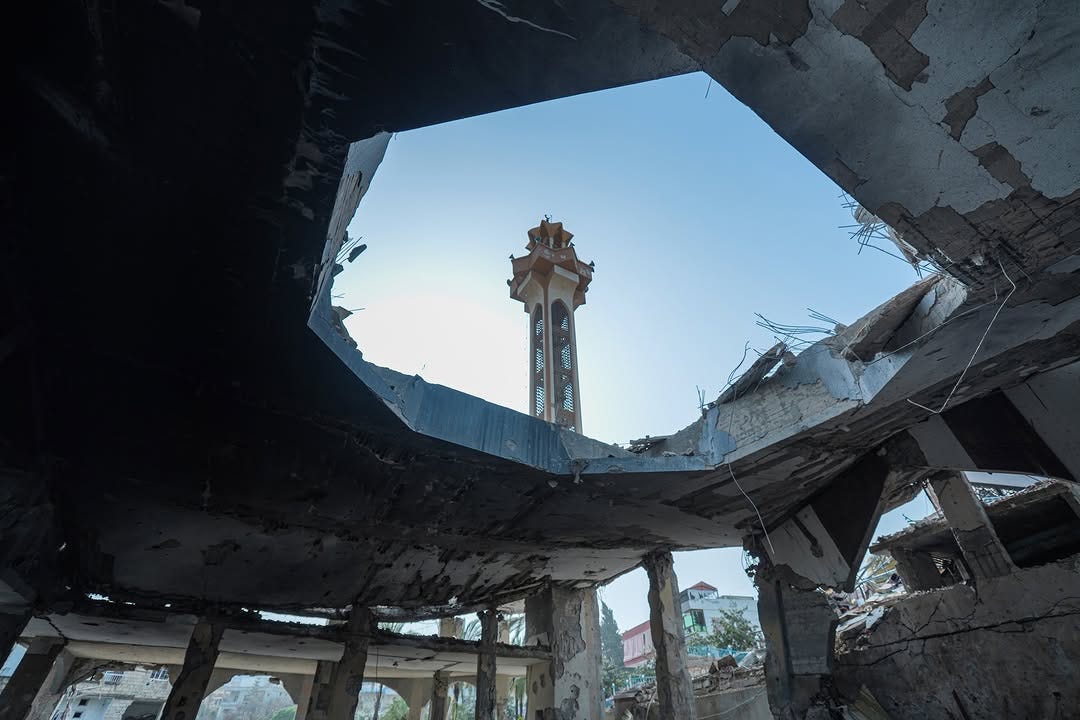
More than ruined stone: When war destroys a childhood landmark, it ruptures the community’s shared landscape of safety, leaving a deep psychological wound that echoes across generations
11.1 War Trauma in Lebanon
Lebanon’s modern history is inseparable from the experience of repeated, collective trauma. Multiple wars, prolonged armed conflicts, devastating explosions, political assassinations, and sustained economic collapse have created conditions in which traumatic exposure is not exceptional but ordinary, not a single rupture but a recurrent feature of life across generations. Understanding PTSD in the Lebanese context requires acknowledging this cumulative dimension, because the psychological effects of trauma that is chronic and collective differ in important ways from those produced by isolated events.
For Lebanese soldiers who served in periods of active conflict, the burden of combat exposure is direct and documented. Witnessing death, sustaining injuries, losing fellow soldiers, and operating in environments of sustained threat without clear resolution all create the conditions in which PTSD develops. The reintegration challenges that follow military service, navigating civilian life with a nervous system still calibrated for combat, are compounded in Lebanon’s context by the absence of robust veteran mental health infrastructure and by cultural norms that make acknowledgment of psychological vulnerability difficult for many men.
Civilians, including and especially children, have borne a profound share of Lebanon’s traumatic history. Children who have grown up hearing explosions, who have lost parents or siblings to violence, who have been displaced from their homes and schools, and who have lived in environments in which fear is a constant companion carry psychological burdens that do not resolve simply because the immediate violence stops. The nervous system that has learned, across years of experience, that the world is dangerous does not quickly unlearn that lesson. Sound sensitivity, separation anxiety, difficulties with trust, chronic hypervigilance, and emotional dysregulation are among the lasting markers of early childhood exposure to sustained conflict.
The 2020 Beirut port explosion crystallized, for many Lebanese and international observers, the cumulative nature of traumatic exposure in Lebanon. For a population already carrying years of accumulated stress, the explosion struck a nervous system that was already compromised. The scale of sudden loss, physical destruction, and psychological shock, layered on top of existing economic crisis and political instability, created conditions for widespread PTSD across socioeconomic groups and age ranges. Many survivors, individuals and communities alike, are still in the long process of recovery.
The intergenerational transmission of trauma is a dimension of Lebanon’s experience that deserves particular attention. Research on populations affected by sustained collective violence has demonstrated that the psychological effects of trauma can be transmitted across generations through multiple channels: through parenting practices shaped by unresolved fear and loss, through family narratives, through the biological effects of parental stress on child development, and through the continuation of the social and political conditions that produced the original trauma. Children growing up in Lebanon today may carry the emotional inheritance of conflicts they did not personally witness, a form of cumulative vulnerability that any serious approach to mental health in Lebanon must recognize.
Lebanese society has also demonstrated remarkable resilience across its history, a capacity for solidarity, adaptation, and reconstruction that coexists with the suffering and should not be minimized. But resilience is not immunity, and the cultural valorization of endurance, while genuinely adaptive in many respects, can also function as a barrier to acknowledging psychological need and seeking professional help. The goal is not to replace a narrative of strength with one of victimhood, but to create space for both: acknowledging the depth of what has been endured while also creating the conditions under which those who are suffering can access the care they need without shame.
12. PTSD in Children and Adolescents
Children are not simply small adults when it comes to trauma. Their neurological immaturity, dependence on caregivers for safety, and ongoing developmental vulnerability mean that traumatic experience affects them in ways that are qualitatively distinct from adult presentations, more diffuse in their expression, more deeply entangled with development, and in some respects more consequential in their long-term effects.
The fundamental challenge in recognizing PTSD in children is that it often does not announce itself directly. Children, particularly young ones, frequently lack the conceptual vocabulary to name what they are experiencing internally. Their distress emerges through behavior: a child who becomes intensely clinging where before she was independent; a child who begins wetting the bed again after years of night-time dryness; a child whose play becomes repetitively and grimly violent in ways that mirror the traumatic event; a child who erupts in rages that seem disconnected from any immediate provocation. These are communications. They require adults who know how to receive them.
In Lebanon, generations of children have grown up in environments that exceed the ordinary capacity of a developing nervous system to absorb safely. Children who heard the Beirut explosion while at school, who lost relatives in bombings, who grew up in families carrying the unprocessed trauma of previous conflicts, or who experienced displacement and loss of their familiar worlds carry psychological burdens that are real, measurable, and without appropriate support, lasting.
Intrusive symptoms in children often take forms that differ from adult flashbacks. Rather than the vivid, fully formed re-experiencing characteristic of adult PTSD, children may show trauma intrusion through fragmented elements, a particular sound that provokes sudden terror, a smell that triggers inexplicable distress, a visual detail that appears in nightmares in distorted form. The content of their play may reveal trauma themes that they cannot articulate verbally. A child drawing explosions and injured figures repeatedly is communicating something important; the question is whether the adults in their world have the knowledge to hear it.
Adolescents occupy a particular developmental position that shapes how trauma manifests. Old enough to understand the magnitude of what they have experienced, but lacking the emotional regulation and life experience to integrate it, teenagers with PTSD may present with symptoms that are easily attributed to typical adolescent turbulence: emotional volatility, social withdrawal, risk-taking behavior, substance experimentation, plummeting academic performance, and hostility toward authority. These patterns deserve careful assessment rather than normalization, because unrecognized PTSD in adolescence substantially elevates the risk of serious mental health complications in adulthood.
The school environment is particularly important for traumatized children and adolescents, both as a potential source of difficulty and as a powerful site of intervention. Concentration difficulties, hypervigilance, startle responses, emotional dysregulation, and the cognitive sequelae of chronic stress all compromise academic functioning in ways that teachers may misinterpret as motivational or behavioral rather than psychological. At the same time, when schools are equipped to recognize trauma, provide supportive relationships, and connect children with appropriate services, they can serve as critical protective environments, particularly for children whose home environments offer limited stability.
Treatment for children with PTSD has a robust evidence base. Trauma-Focused Cognitive Behavioral Therapy (TF-CBT), developed specifically for children and adolescents, has demonstrated effectiveness across diverse trauma types and cultural settings. Play therapy and art therapy provide therapeutic access to traumatic material through the medium most natural to children: play and creative expression. Family involvement in treatment is generally recommended, both because caregiver support is central to child recovery and because parents frequently carry their own trauma that, if unaddressed, may compromise their capacity to provide the emotional environment their children need.
Prevention and early intervention with traumatized children and adolescents is one of the highest-yield investments a society affected by conflict can make. Trauma experienced in childhood does not remain childhood experience; it travels forward in time, shaping the adults, parents, workers, and community members that children become. Addressing it early and seriously is not only a matter of individual welfare; it is an investment in the psychological health of the next generation, and in the long-term resilience of Lebanese society as a whole.
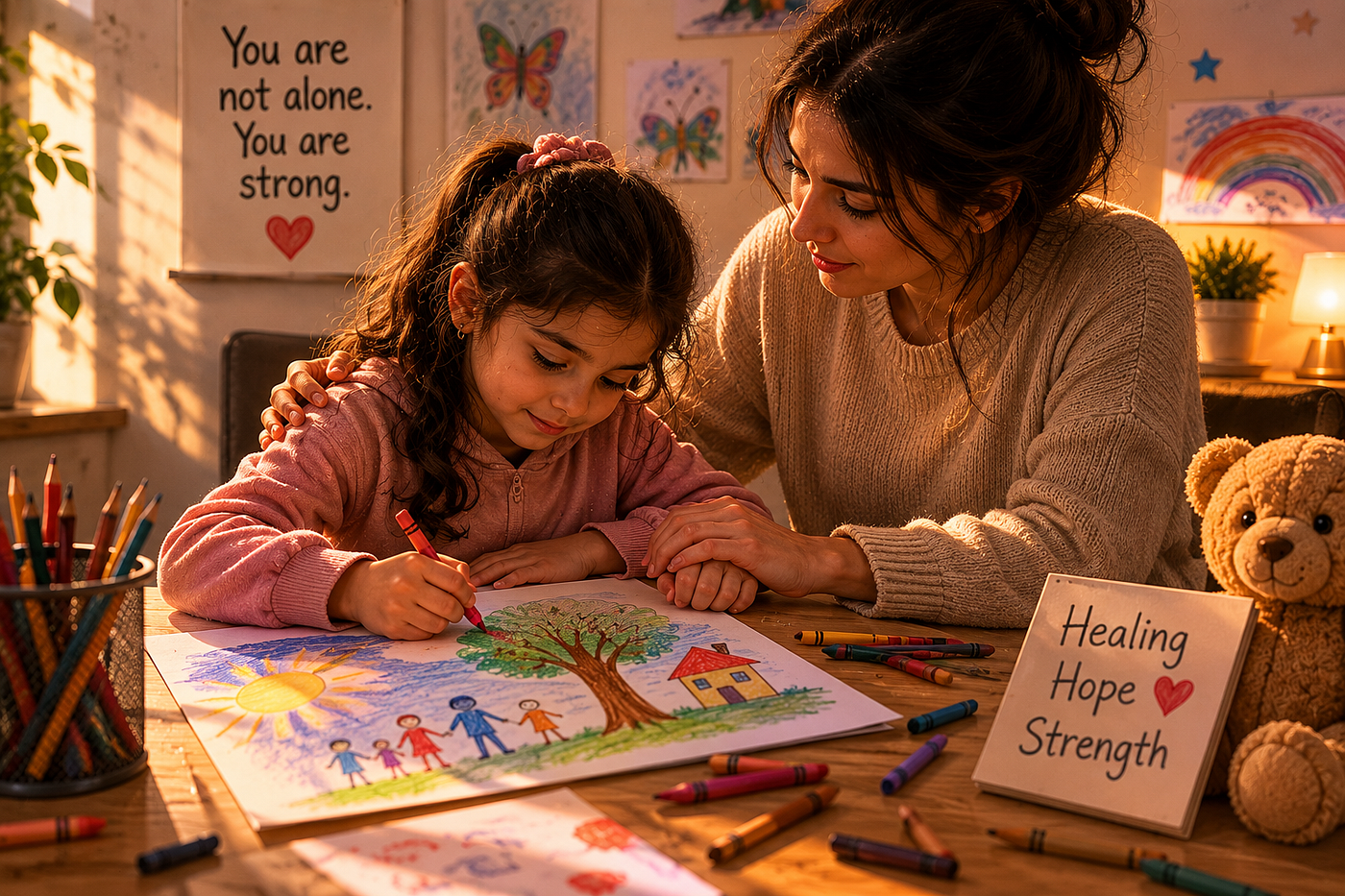
Rewriting the future early: Creative expression and therapeutic play give children an alternative language to process what words cannot easily reach, protecting their developing nervous system .
13. Prevention: Reducing the Risk Before and After Trauma
Prevention in the context of PTSD operates on multiple levels, because the opportunities to interrupt the pathway from traumatic exposure to chronic disorder are multiple. Some interventions occur before or during trauma, through policies and practices that reduce exposure or strengthen resilience. Others occur immediately after, through psychological first aid and early support. Still others occur over time, through the maintenance of mental health infrastructure, community solidarity, and social conditions that allow healing to proceed.
The most fundamental form of prevention is the reduction of traumatic exposure itself. Wars, armed conflicts, domestic violence, child abuse, and social inequality are not natural disasters; they are human-created conditions, and reducing them is both a moral imperative and a public health priority. In Lebanon’s context, the pursuit of political stability, economic justice, and social security is inseparable from the pursuit of mental health.
Psychological first aid, provided in the immediate aftermath of traumatic events, represents an evidence-informed approach to early prevention. This is not crisis counseling or therapy; it is practical, humane support that provides safety, comfort, information, connection to resources, and the recognition that what the person is experiencing is a normal response to an abnormal situation. Early intervention of this kind can interrupt the consolidation of traumatic memory and help establish the conditions in which natural recovery is more likely.
Family environments play an essential early protective role. Children who have access to consistent, emotionally available caregivers who can provide reassurance, stability, and age-appropriate explanations of frightening events are substantially more resilient in the face of traumatic exposure than those who do not. Parent-focused interventions that help caregivers manage their own distress in order to better support their children represent a high-yield prevention strategy, particularly in contexts where parental trauma is prevalent.
Schools are underutilized sites of prevention and early intervention. Teachers who understand trauma responses, who can distinguish trauma symptoms from behavioral problems, and who know how to create emotionally safe classroom environments offer a form of protective contact that extends well beyond the academic. In Lebanon, school-based psychosocial programs have demonstrated meaningful impact in supporting children affected by conflict and displacement.
Public awareness and mental health literacy are essential prevention infrastructure. The single most powerful barrier to help-seeking for PTSD is not lack of services but stigma: the pervasive cultural belief that psychological distress reflects personal weakness rather than legitimate medical need. Communication campaigns that normalize mental health struggles, that present help-seeking as an act of intelligence and self-care rather than vulnerability, and that accurately describe what PTSD is and how it is treated can meaningfully reduce the burden of untreated disorder in affected communities.
Support structures for high-risk professional groups, including soldiers, emergency personnel, healthcare workers, and humanitarian staff, represent another critical prevention priority. Routine psychological monitoring, confidential peer support programs, access to professional counseling, and organizational cultures that genuinely support help-seeking rather than merely endorsing it on paper can reduce the incidence of occupational PTSD in these populations and the social cost of the suffering it causes when untreated.
Resilience is not a personality trait that some people have and others lack; it is a product of relationships, environments, and experiences. Communities, families, and institutions can actively cultivate the conditions under which resilience develops: social connectedness, access to competent and compassionate care, economic security sufficient to allow focus on recovery, and cultural narratives that make space for grief and healing alongside strength and endurance. Prevention, ultimately, is not only a clinical undertaking; it is a social and political one.
Trauma is not what happens to you. Trauma is what happens inside you, as a result of what happened to you. — Dr. Gabor Maté
14. Conclusion
Post-Traumatic Stress Disorder is, at its foundation, a disorder of unprocessed experience. It develops when the human mind and nervous system encounter something so overwhelming that they cannot complete the ordinary work of integration: moving through the experience, making sense of it, filing it away, and returning to the present. Instead, the traumatic material remains active, raw, and intrusive, shaping perception and behavior long after the threat has passed. Understanding PTSD means understanding this: that the symptoms are not signs of breakdown but of a mind doing its best to manage something it was never designed to absorb alone.
This paper has traced PTSD from its historical origins through its clinical definition, causes, presentations, and treatment. It has examined the particular experience of trauma in Lebanon, where war, instability, and repeated catastrophe have created conditions for widespread and often unacknowledged psychological suffering across generations. It has attended to the specific vulnerabilities of children and adolescents, to the complexity of diagnosis when suffering is concealed, and to the range of therapeutic approaches through which recovery, genuine and lasting recovery, is possible.
Several conclusions emerge from this examination. First, PTSD is not rare, not peripheral, and not confined to combatants. It is a common response to uncommon suffering, and it affects individuals across all ages, genders, occupations, and cultural contexts. Second, it is not inevitable even following severe trauma; the presence of social support, early intervention, and access to competent care can substantially alter outcomes. Third, it is not permanent. With appropriate treatment, the brain’s capacity for reorganization and healing can be mobilized even after years of chronic suffering.
In Lebanon’s context, these conclusions carry particular weight. A society that has endured what Lebanon has endured carries a correspondingly enormous need: for mental health services that are accessible and destigmatized, for professionals trained in trauma-informed care, for schools and communities equipped to recognize and respond to psychological distress, and for a broader cultural shift that treats emotional suffering as worthy of attention and care rather than silence and endurance. Meeting that need is not only a matter of individual welfare; it is a matter of collective healing and social regeneration.
PTSD is not a sign of weakness. It is what happens when a person encounters more than any human being should have to face, without sufficient support to process it. The appropriate response, from clinicians, families, communities, and governments, is not judgment but understanding; not dismissal but care; not silence but the kind of honest, compassionate attention that makes healing possible. Recovery exists. It is within reach. It begins with the decision to take trauma seriously.
15. References
Books and Academic References
- American Psychiatric Association. (2013). Diagnostic and Statistical Manual of Mental Disorders (5th ed.). Washington, DC: American Psychiatric Publishing.
- Psychological Terminology. [Course Reference Material].
- .المعجم الموسوعي في علم النفس لل د. غسان يعقوب و د. ليلى دمعة
Online and Organizational Sources
- American Psychological Association. Trauma and PTSD. Retrieved from https://www.apa.org
- National Institute of Mental Health. Post-Traumatic Stress Disorder. Retrieved from https://www.nimh.nih.gov
- World Health Organization. Mental health and trauma-related disorders. Retrieved from https://www.who.int
- Mayo Clinic. Post-traumatic stress disorder (PTSD): Symptoms and treatment. Retrieved from https://www.mayoclinic.org
- Cleveland Clinic. Post-Traumatic Stress Disorder (PTSD). Retrieved from https://my.clevelandclinic.org
메타데이터
- post_id
- d265a1d52311
- slug
- ptsd-beyond-the-invisible-wounds-d265a1d52311
- url
- https://medium.com/@ahmd.fahs/ptsd-beyond-the-invisible-wounds-d265a1d52311
- canonical_url
- https://medium.com/@ahmd.fahs/ptsd-beyond-the-invisible-wounds-d265a1d52311
- author_url
- https://medium.com/@ahmd.fahs
- status
- ok
- fetched_at
- 2026-06-09 15:37:30