How Surge Arresters Protect Electrical Systems from Lightning and Overvoltage
Modern electrical systems are designed to operate within specific voltage limits. However, unexpected events such as lightning strikes…
How Surge Arresters Protect Electrical Systems from Lightning and Overvoltage
Modern electrical systems are designed to operate within specific voltage limits. However, unexpected events such as lightning strikes, switching operations, and electrical faults can create dangerous overvoltages that threaten equipment and disrupt power supply.
One of the most effective ways to protect electrical infrastructure from these transient events is through the use of surge arresters.
From power substations to industrial facilities and renewable energy projects, surge arresters play a vital role in maintaining the safety and reliability of electrical networks.
What Is a Surge Arrester?
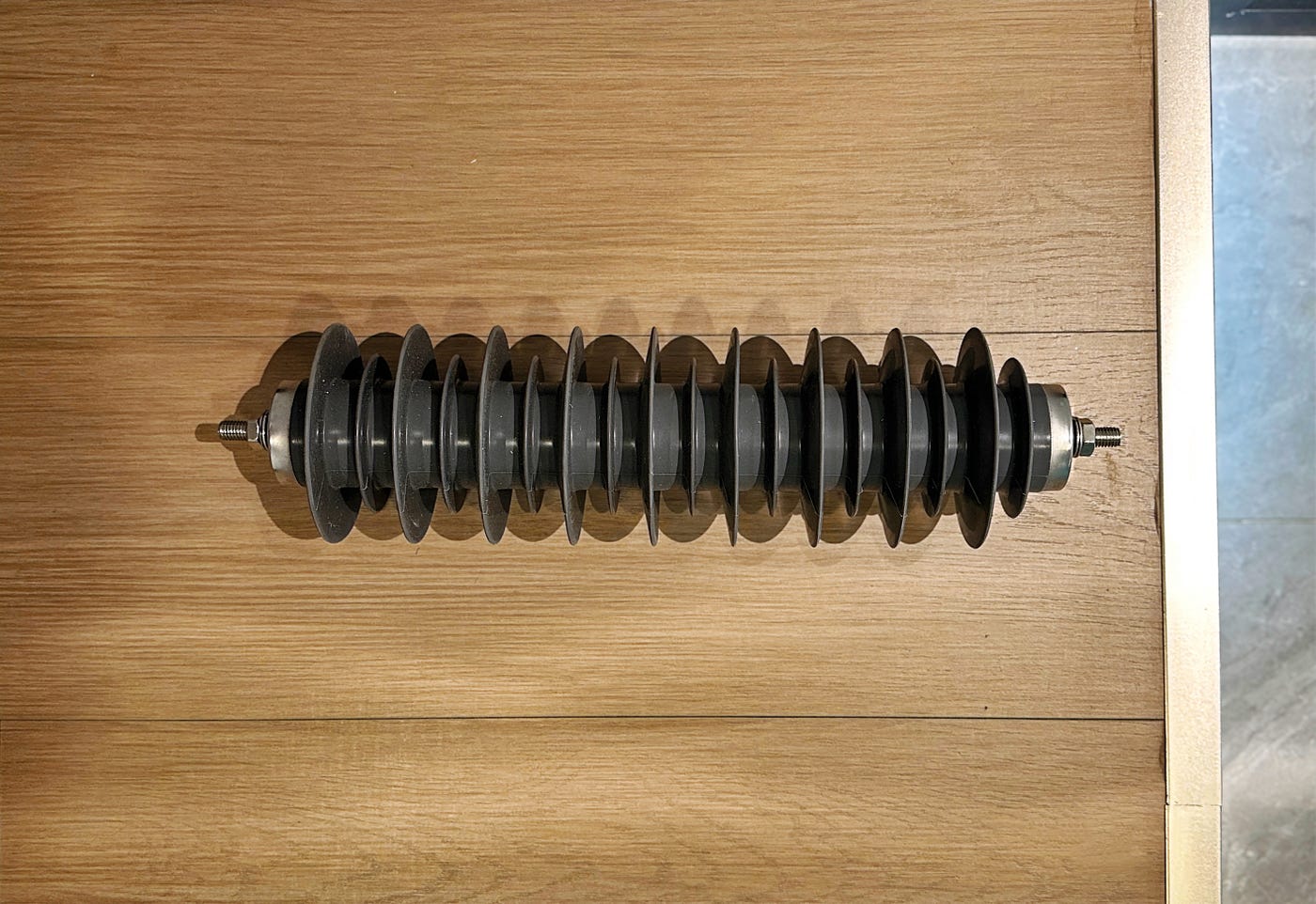
A surge arrester is a protective device that limits excessive voltage by safely diverting surge energy to the ground. Under normal operating conditions, it has little effect on the electrical system. When a voltage surge occurs, the arrester responds almost instantly, reducing the overvoltage to a safe level before it can damage equipment.
Unlike a fuse or circuit breaker, a surge arrester does not interrupt normal current flow. Its purpose is to protect equipment from short-duration voltage spikes.
What Causes Overvoltage?
Electrical systems can experience overvoltage for several reasons, including:
- Lightning strikes on transmission or distribution lines
- Switching operations in substations
- Fault clearing by circuit breakers
- Temporary grid disturbances
- Electromagnetic events in industrial facilities
Without proper protection, these events may damage transformers, switchgear, motors, generators, and sensitive electronic equipment.
Where Are Surge Arresters Used?
Surge arresters are widely installed in a variety of applications, including:
- Electrical substations
- Transmission and distribution networks
- Industrial manufacturing plants
- Renewable energy projects
- Wind and solar power stations
- Battery energy storage systems
- Commercial and utility power systems
Their role is to protect valuable electrical assets and improve overall system reliability.
How Do Surge Arresters Work?
A surge arrester remains in a high-resistance state during normal operation.
When a transient overvoltage occurs, its internal components become conductive, allowing the surge current to pass safely to ground. Once the surge has ended, the arrester quickly returns to its normal insulating state.
This rapid response helps prevent insulation breakdown and equipment failure.
Benefits of Using Surge Arresters
Installing surge arresters offers several important advantages:
- Protects electrical equipment from overvoltage
- Improves system reliability
- Reduces maintenance and repair costs
- Extends the service life of transformers and switchgear
- Minimizes unexpected downtime
- Supports safe operation of critical infrastructure
For utilities and industrial facilities, effective surge protection is an essential part of a comprehensive electrical protection strategy.
Choosing the Right Surge Arrester
Selecting a surge arrester involves more than matching the system voltage. Engineers should also consider:
- Rated voltage
- Continuous operating voltage
- Discharge current rating
- Installation environment
- Pollution level
- System grounding method
The correct selection helps ensure reliable performance under real operating conditions.
The Growing Importance of Surge Protection
As modern power systems become more interconnected, the need for effective surge protection continues to grow.
Renewable energy installations, smart grids, electric vehicle charging infrastructure, and data centers all depend on stable and reliable electrical systems. Properly designed surge protection helps maintain system performance and reduce the risk of costly equipment damage.
Supporting Reliable Power Infrastructure
Reliable electrical protection is a key element of every modern power system.
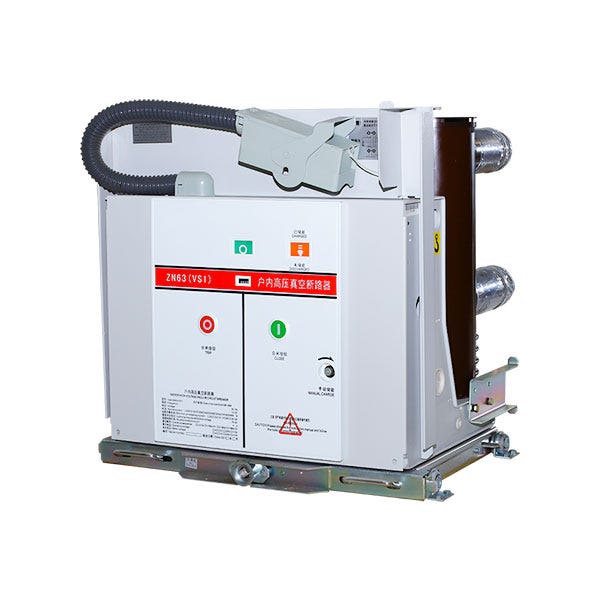
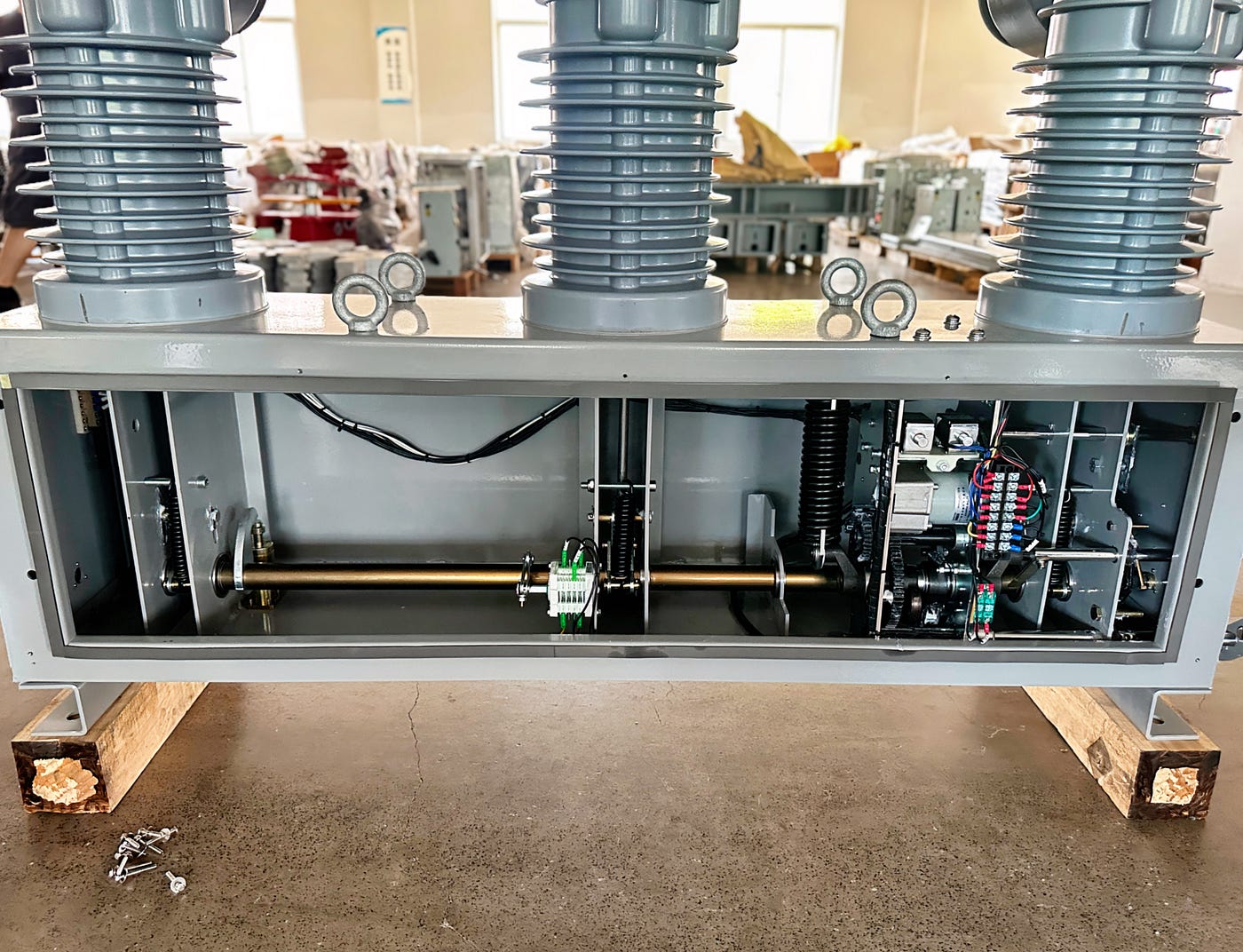
MinRong provides high voltage electrical equipment and power distribution solutions, including surge arresters, vacuum circuit breakers, switchgear, disconnect switches, and other products for substations, industrial facilities, and renewable energy projects.
Learn more about our solutions:
Conclusion
Surge arresters are small components with a significant impact on power system reliability. By limiting transient overvoltages caused by lightning and switching operations, they help protect valuable equipment and ensure the safe operation of electrical infrastructure.
As electrical networks continue to evolve, surge protection will remain an essential part of building safer, more reliable, and more resilient power systems.
메타데이터
- post_id
- d266ee2e22de
- slug
- how-surge-arresters-protect-electrical-systems-from-lightning-and-overvoltage-d266ee2e22de
- url
- https://medium.com/@minrong202303/how-surge-arresters-protect-electrical-systems-from-lightning-and-overvoltage-d266ee2e22de
- canonical_url
- https://medium.com/@minrong202303/how-surge-arresters-protect-electrical-systems-from-lightning-and-overvoltage-d266ee2e22de
- author_url
- https://medium.com/@minrong202303
- status
- ok
- fetched_at
- 2026-08-19 09:45:39