Tokenisation Fraud: A Growing Threat Hiding in Plain Sight
As digital wallets like Apple Pay, Samsung Pay, and Google Pay become the default way people pay, a quieter risk has grown alongside them…
Tokenisation Fraud: A Growing Threat Hiding in Plain Sight
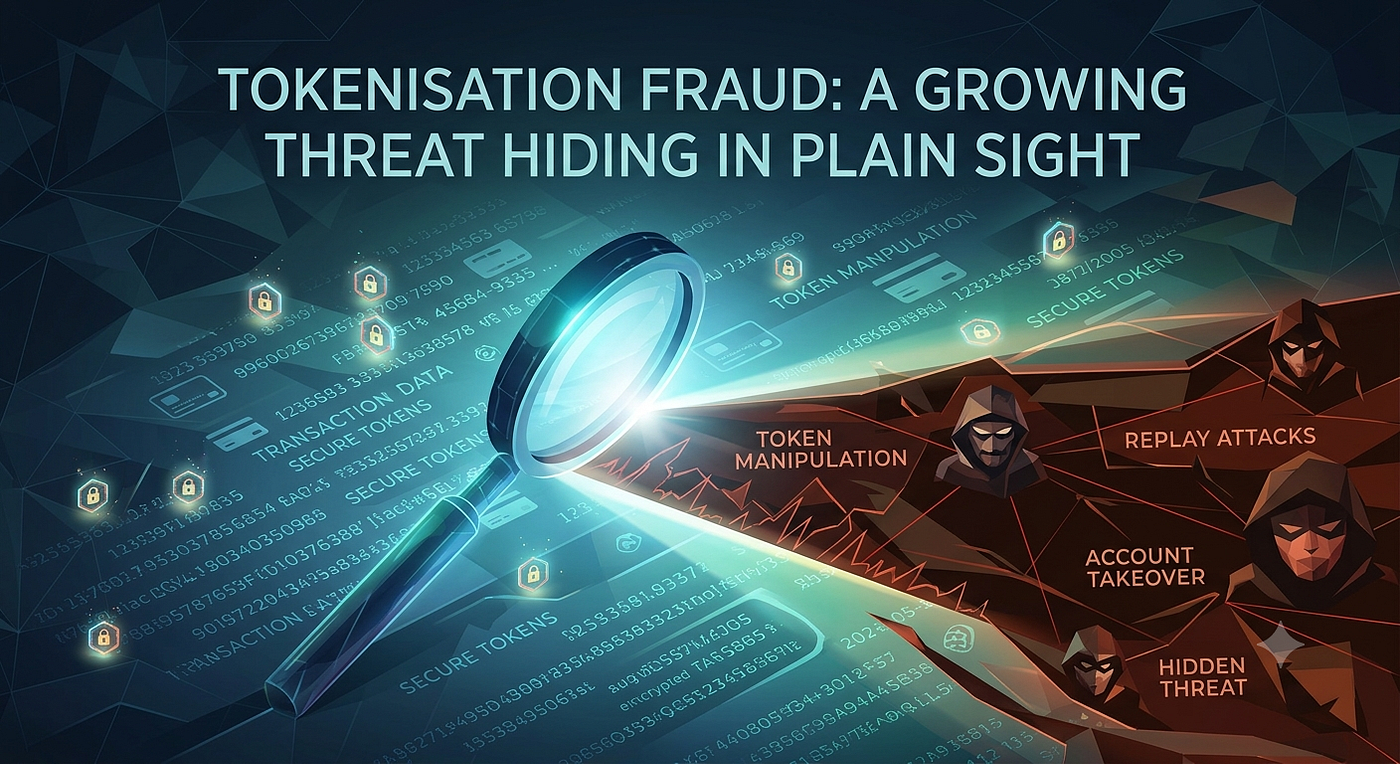
As digital wallets like Apple Pay, Samsung Pay, and Google Pay become the default way people pay, a quieter risk has grown alongside them: tokenisation fraud. It’s a scam that exploits the very convenience these tools were built to offer — and understanding it is quickly becoming essential knowledge for anyone working in banking, fraud prevention, or customer trust.
Over the past year, I’ve spent time studying how this fraud pattern works, why it’s so effective, and what organisations and individuals can do to stay ahead of it. Here’s what I’ve learned — and why I believe proactive education is our strongest defence.
Understanding the Mechanism
Tokenisation itself is a genuine security innovation. When you link a card to a digital wallet, the system doesn’t store your actual card number on the device — it generates a secure “token” that represents your card instead. A one-time password (OTP) verifies the activation, and after that, transactions flow seamlessly without repeated OTP checks.
The problem isn’t the technology. It’s that fraudsters have learned to weaponise the same trust and convenience the system relies on.
How Fraudsters Exploit It
Tokenisation fraud requires two things: your card details and your OTP. Criminals typically obtain both through calculated social engineering rather than technical hacking, including:
- Impersonation tactics — posing as police, government officials, or bank representatives to pressure victims into disclosing sensitive information.
- Deceptive digital channels — fake advertisements, cloned websites, and phishing messages designed to harvest card details under the guise of legitimacy.
Once armed with both pieces of information, a fraudster can activate the victim’s card on a device they control — effectively hijacking the ability to spend someone else’s money without ever touching their physical card.
Why This Matters for Leadership in Financial Security
What strikes me most about tokenisation fraud is that it isn’t a technology failure — it’s a trust failure. The people most at risk are often the most trusting: those who assume that a call from “the bank” or “the police” must be legitimate. That reframes the challenge from a purely technical one into a leadership and communication challenge — one that requires clear, proactive, ongoing customer education rather than reactive damage control after a loss occurs.
This is the mindset I try to bring to fraud prevention: treat awareness as a product, not an afterthought. A single warning buried in fine print won’t stop a determined scammer. Sustained, accessible, human-centred communication will.
Practical Safeguards Worth Sharing
Based on this research, here are the core habits I recommend to anyone I mentor or advise on digital payment security:
- Read every OTP message in full. Understand exactly what action it authorises before entering or sharing it.
- Cross-check the amount. If an OTP relates to a purchase, confirm the value matches what you’re actually buying.
- Treat unsolicited OTPs as a red flag. If you receive a code to activate a card on a digital wallet you didn’t request, stop immediately and report it through official channels.
Final Thought
Fraud prevention isn’t just about spotting bad actors — it’s about designing systems, communications, and cultures that make it harder for deception to succeed in the first place. That’s the kind of thinking I want to keep bringing to every team and project I’m part of: staying a step ahead, translating complex risks into simple action, and putting people’s trust at the centre of every decision.
FraudPrevention #DigitalPayments #CyberSecurity
메타데이터
- post_id
- d26e66ec0085
- slug
- tokenisation-fraud-a-growing-threat-hiding-in-plain-sight-d26e66ec0085
- url
- https://medium.com/@hythamabd2025/tokenisation-fraud-a-growing-threat-hiding-in-plain-sight-d26e66ec0085
- canonical_url
- https://medium.com/@hythamabd2025/tokenisation-fraud-a-growing-threat-hiding-in-plain-sight-d26e66ec0085
- author_url
- https://medium.com/@hythamabd2025
- status
- ok
- fetched_at
- 2026-07-09 13:22:05