AI in Materials Science: Revolutionizing Innovation and Research
5 Key Trends That Will Redefine Innovation in 2025

AI in Materials Science: Revolutionizing Innovation and Research
5 Key Trends That Will Redefine Innovation in 2025
AI and Materials Science: A Personal Journey into the Future of Innovation
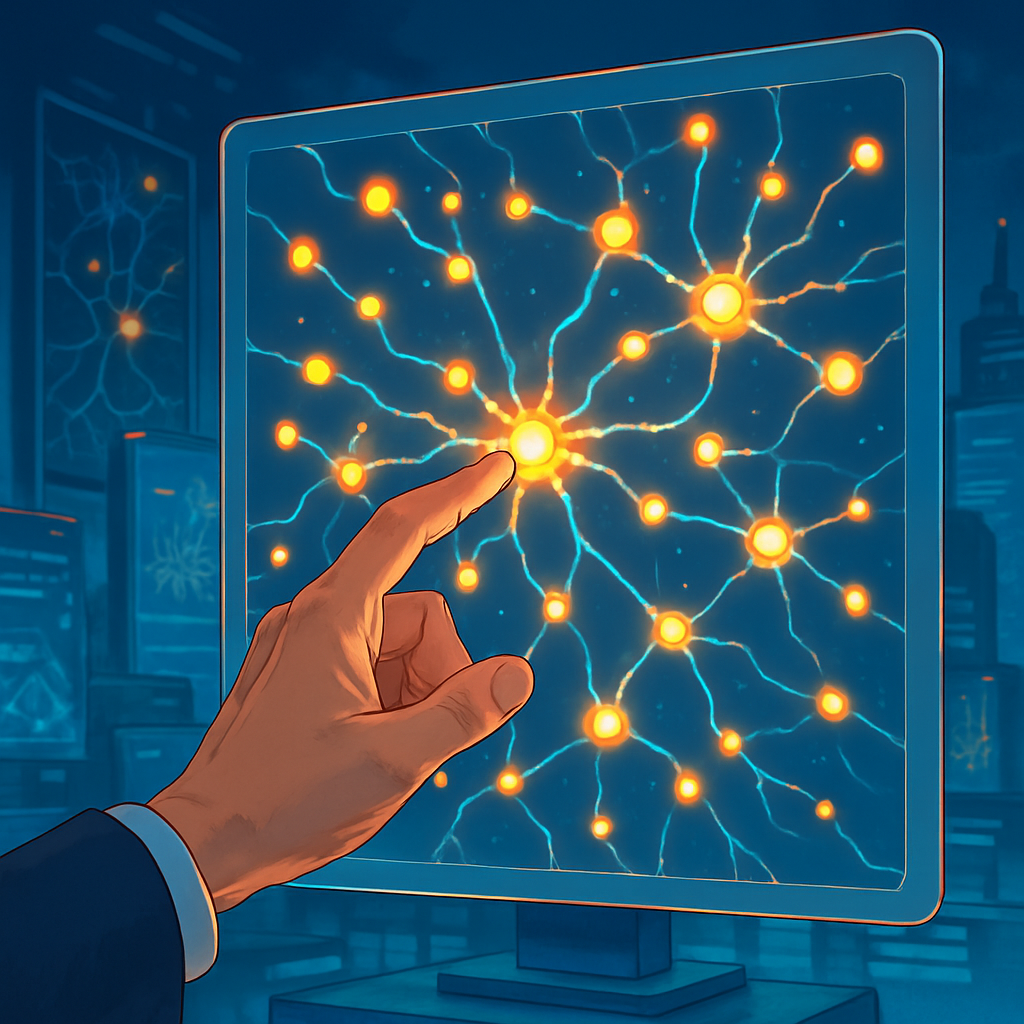
The fusion of AI and materials science is reshaping innovation, promising breakthroughs in efficiency and precision. As these fields converge, we witness a transformation that challenges traditional methods, paving the way for unprecedented advancements. This journey explores how AI is set to redefine materials science by 2025, drawing from personal experiences and insights.
A Moment of Realization
I remember the day vividly when I first witnessed AI’s potential in materials science. It was during a conference where a colleague demonstrated an AI model predicting material properties with stunning accuracy. It was a moment that shifted my perspective, revealing the untapped potential of AI in materials science. This was not just a technological advancement but a glimpse into the future, where AI could revolutionize how we approach material innovation.
Understanding the Intersection
As I delved deeper into the integration of AI with materials science, I realized the complexity and promise it held. AI’s ability to process vast amounts of data and identify patterns was a game-changer, especially in fields like healthcare and manufacturing. It brought a new level of efficiency, allowing us to predict material behaviors and optimize processes like never before. This integration was not just about technology but about reimagining the possibilities in materials science. For more on how AI is transforming industries, check out 7 powerful types of knowledge graphs revolutionizing AI in 2025.
Facing the Challenges
The journey wasn’t without its challenges. The initial excitement was tempered by the realization of the hurdles we faced. Data privacy concerns, ethical implications, and the need for standardization were significant barriers. Additionally, the fear of bias in AI models loomed large, especially in critical applications like healthcare. These challenges were daunting, but they also underscored the importance of responsible AI integration. The AGI revolution: hype, hope, and reality check is a crucial aspect to consider in this context.
Discovering Solutions
In the face of these challenges, solutions began to emerge. Vertical AI integration became a pivotal trend, offering tailored solutions for specific industries. This approach enhanced productivity and efficiency, streamlining processes and improving decision-making. Transfer learning further accelerated AI development, enabling systems to learn from existing models and apply knowledge across different tasks. These advancements were not just theoretical but practical solutions that addressed real-world challenges. For insights on effective AI implementation, refer to 7 effective ways to implement artificial intelligence in business for success.
A Unique Approach to AI Integration
One approach that stood out was the integration of AI into cloud services. This not only enhanced business operations but also democratized access to advanced analytics and machine learning tools. By offering personalized experiences and automating routine tasks, businesses could focus on strategic initiatives. This approach was a game-changer, allowing even small companies to leverage AI’s power without extensive resources.
The Hidden Gem: Embracing Edge Computing
Among the various strategies, edge computing emerged as a hidden gem. By processing data closer to its source, edge computing reduced latency and improved data security. This was particularly beneficial in industries like healthcare, where timely data processing was critical. Embracing edge computing allowed for real-time analytics, enhancing decision-making and operational efficiency. For more on this topic, see the dawn of AI agents revolutionizing digital assistance.
Insights from Experts
Throughout this journey, insights from experts played a crucial role. Dr. Fei-Fei Li’s work on AI and computer vision provided valuable perspectives on integrating AI into various applications. Similarly, Dr. Andrew Ng’s contributions to deep learning underscored the importance of making AI accessible and practical. These experts not only validated the potential of AI but also inspired new ways to harness its power.
Reflecting on the Outcomes
The integration of AI into materials science has yielded remarkable results. Improved efficiency, enhanced precision, and the ability to predict material behaviors are just the beginning. These advancements have not only transformed industries but also changed how we approach innovation. Reflecting on this journey, I am reminded of the power of AI to redefine possibilities and drive progress.
Addressing Common Questions
- How does AI improve material innovation? AI enhances material innovation by predicting properties, optimizing processes, and improving precision.
- What are the ethical concerns with AI? Ethical concerns include data privacy, bias in models, and the need for responsible AI use.
- How does edge computing benefit industries? Edge computing reduces latency, enhances data security, and enables real-time analytics.
- What role do experts play in AI integration? Experts provide insights, validate approaches, and inspire innovative applications of AI.
- What future trends can we expect in AI materials science? Expect advancements in edge computing, transfer learning, and AI integration into cloud services.
Conclusion: A New Era of Innovation
As we conclude this exploration, it’s clear that AI is ushering in a new era of innovation in materials science. The journey has been one of discovery, learning, and transformation. By embracing AI’s potential and addressing its challenges, we can unlock new possibilities and drive meaningful progress. This journey is just the beginning, and I invite you to share your experiences and insights as we continue to explore this exciting frontier.
Call-to-Action
I encourage you to share your thoughts and experiences in the comments below. If you found this story valuable, please clap and follow me on social media for more insights. Let’s continue this conversation and explore the future of AI and materials science together.
메타데이터
- post_id
- d28f4e8e9893
- slug
- ai-in-materials-science-revolutionizing-innovation-and-research-d28f4e8e9893
- url
- https://medium.com/@meisshaily/ai-in-materials-science-revolutionizing-innovation-and-research-d28f4e8e9893
- canonical_url
- https://medium.com/@meisshaily/ai-in-materials-science-revolutionizing-innovation-and-research-d28f4e8e9893
- author_url
- https://medium.com/@meisshaily
- status
- ok
- fetched_at
- 2026-06-09 15:37:30