Sanatana Dharma Values for Modern Life: A Timeless Guide to Living with Purpose
Sanatana Dharma is more than an ancient tradition — it is an eternal way of life that continues to guide humanity toward truth, compassion…
Sanatana Dharma Values for Modern Life: A Timeless Guide to Living with Purpose
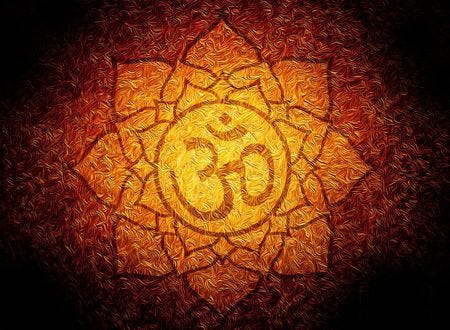
Sanatana Dharma is more than an ancient tradition — it is an eternal way of life that continues to guide humanity toward truth, compassion, and inner peace. At Dev Foundation, we are committed to sharing the timeless wisdom of **Sanatana Dharma**, helping individuals embrace its universal values and apply them in today’s fast-paced world.
Introduction
The world has changed dramatically over the past few decades. Technology has revolutionized communication, transportation, education, healthcare, and business. While these advancements have made life more convenient, they have also introduced new challenges. Stress has become a daily companion for many people. Anxiety, depression, loneliness, unhealthy competition, and the constant pressure to achieve more have become common experiences across all age groups.
In the midst of this rapid transformation, people are searching for something deeper than material success. They seek purpose, emotional balance, meaningful relationships, and lasting happiness. This search often leads them toward timeless wisdom rather than temporary solutions.
This is where Sanatana Dharma becomes more relevant than ever.
Unlike systems based solely on customs or rituals, Sanatana Dharma is a philosophy of life rooted in eternal principles. It teaches individuals how to live harmoniously with themselves, with others, and with nature. Its wisdom transcends culture, geography, and time, making it universally applicable to modern life.
At **Dev Foundation**, we believe these ancient teachings are not confined to history. They offer practical guidance for today’s families, professionals, students, entrepreneurs, and seekers who aspire to live with integrity, purpose, and spiritual awareness.
Understanding Sanatana Dharma
The Sanskrit word Sanatana means “eternal,” while Dharma refers to righteousness, natural law, duty, moral responsibility, and the universal order that sustains life. Together, Sanatana Dharma signifies the eternal principles that govern both the universe and human existence.
Rather than prescribing a rigid path, Sanatana Dharma encourages individuals to discover truth through self-inquiry, wisdom, experience, and disciplined living. It recognizes that every individual is unique and therefore allows different paths to spiritual growth while remaining rooted in universal values.
The teachings of Sanatana Dharma are preserved in sacred texts such as the Vedas, Upanishads, Bhagavad Gita, Ramayana, Mahabharata, Yoga Sutras, Puranas, and numerous spiritual traditions passed down through generations. These scriptures explore profound questions about the nature of existence, consciousness, ethics, and the ultimate purpose of life.
One of the greatest strengths of Sanatana Dharma is its inclusiveness. It does not insist that one path fits everyone. Instead, it acknowledges diverse temperaments and provides multiple approaches to self-realization, including devotion, knowledge, meditation, selfless service, and righteous action.
Why Sanatana Dharma Is Relevant in the Modern World
Many people assume that ancient wisdom belongs only to history. However, the principles of Sanatana Dharma address challenges that remain fundamentally human, regardless of technological progress.
Today’s world faces problems such as:
- Rising mental health concerns
- Work-life imbalance
- Family conflicts
- Social isolation
- Environmental degradation
- Ethical dilemmas in business
- Information overload
- Loss of inner peace
These challenges cannot always be solved through technology alone. They require wisdom, emotional maturity, and ethical living.
Sanatana Dharma provides practical guidance for navigating these complexities by emphasizing character over possessions, inner stability over external validation, and long-term well-being over temporary pleasure.
Its teachings encourage us to cultivate awareness rather than react impulsively, to serve rather than merely consume, and to seek fulfillment within rather than constantly chasing external achievements.
The Eternal Values of Sanatana Dharma
The heart of Sanatana Dharma lies in its timeless values. These principles are not restricted to monasteries or temples — they can be practiced in homes, schools, workplaces, and communities.
1. Dharma — Living According to Righteousness
Dharma is one of the most profound concepts in Sanatana Dharma. It represents righteous living and fulfilling one’s responsibilities with sincerity and integrity.
Every individual has different roles in life — as a parent, child, student, professional, citizen, or leader. Dharma teaches us to perform these responsibilities honestly and selflessly.
For example:
- A teacher fulfills Dharma by educating with dedication.
- A doctor fulfills Dharma by serving patients with compassion.
- A business leader fulfills Dharma by maintaining ethical practices.
- Parents fulfill Dharma by nurturing their children with love and wisdom.
Living according to Dharma creates trust, stability, and harmony within society.
2. Satya — Truth as the Foundation of Life
Truth, or Satya, occupies a central place in Sanatana Dharma. It goes beyond simply avoiding lies. Satya means aligning one’s thoughts, words, and actions with reality and integrity.
In today’s digital age, misinformation and superficial appearances often dominate social interactions. Practicing truth requires courage, especially when honesty may be inconvenient.
Truth also means being honest with oneself. Self-awareness begins when individuals acknowledge their strengths, weaknesses, fears, and aspirations without denial.
A truthful life builds confidence, strengthens relationships, and promotes inner peace because there is no conflict between one’s inner and outer self.
3. Ahimsa — Compassion Beyond Non-Violence
Ahimsa is often translated as non-violence, but its meaning extends much further. It includes kindness in speech, compassion in action, and purity in thought.
Modern life presents countless opportunities to practice Ahimsa:
- Speaking respectfully even during disagreements
- Avoiding unnecessary criticism
- Helping those in need
- Respecting animals and nature
- Choosing empathy over anger
- Promoting understanding instead of division
Practicing Ahimsa transforms relationships and contributes to a more compassionate society.
4. Seva — The Joy of Selfless Service
One of the most inspiring teachings of Sanatana Dharma is Seva, or selfless service.
Seva means helping others without expecting recognition, reward, or personal gain. It reminds us that serving humanity is a sacred act because the same divine consciousness exists in every being.
Acts of Seva may include:
- Feeding the hungry
- Supporting education
- Caring for the elderly
- Assisting disaster relief efforts
- Protecting the environment
- Volunteering within local communities
At Dev Foundation, Seva is not viewed merely as charity but as a spiritual practice that cultivates humility, gratitude, and compassion. Through various community initiatives and service activities, we encourage individuals to experience the transformative power of giving.
5. Self-Discipline — The Key to Inner Freedom
Many people associate freedom with doing whatever they desire. However, Sanatana Dharma teaches that true freedom arises through self-discipline.
Without discipline, desires constantly pull the mind in different directions, leading to stress and dissatisfaction.
Self-discipline includes:
- Maintaining healthy daily routines
- Practicing moderation in food and consumption
- Managing emotions wisely
- Using technology mindfully
- Developing consistent spiritual practices
- Honoring commitments
Over time, discipline strengthens character and allows individuals to make conscious choices rather than reacting impulsively.
Living These Values Every Day
The beauty of Sanatana Dharma lies in its practicality. Its teachings do not require extraordinary circumstances or dramatic lifestyle changes. Small, consistent actions — speaking kindly, acting honestly, serving others, and cultivating inner awareness — can gradually transform one’s life.
These values form the foundation for a meaningful existence and prepare individuals to face life’s uncertainties with wisdom, resilience, and compassion.
Karma: Understanding the Law of Cause and Effect
One of the most misunderstood concepts of Sanatana Dharma is Karma. Many people believe Karma simply means fate or destiny. In reality, Karma is the universal law of cause and effect. Every thought, every word, and every action creates an impression that eventually bears fruit.
Karma is not about punishment or reward. It is about responsibility.
Imagine planting a seed. If you plant a mango seed, you cannot expect an apple tree. Similarly, the actions we perform today shape our future experiences. Good actions generate harmony, while selfish or harmful actions eventually create suffering.
This understanding encourages people to become more mindful in everyday life.
Before speaking harshly, we pause.
Before making unethical decisions, we reflect.
Before reacting in anger, we ask ourselves whether our response will create peace or conflict.
In modern workplaces, the principle of Karma reminds professionals to act ethically even when shortcuts seem attractive. Integrity may not produce immediate rewards, but it builds trust, reputation, and lasting success.
Students benefit from Karma by understanding that consistent effort brings knowledge. Families experience stronger relationships when kindness becomes a daily habit. Entrepreneurs earn long-term respect by placing honesty above temporary profit.
Rather than blaming circumstances, Sanatana Dharma teaches individuals to become conscious creators of their own future through responsible action.
Yoga: More Than Physical Exercise
Across the world, yoga has become associated with flexibility and fitness. While physical postures certainly improve health, Sanatana Dharma views yoga as a complete science of life.
The word Yoga means “union.”
It represents the union between the individual self and universal consciousness.
Yoga integrates the body, mind, emotions, and spirit into one harmonious whole.
A complete yogic lifestyle includes:
- Physical discipline
- Breath awareness
- Meditation
- Ethical conduct
- Self-control
- Inner awareness
- Devotion
- Selfless action
Modern lifestyles often involve long working hours, poor posture, irregular eating habits, and constant screen exposure. These factors contribute to stress and fatigue.
Regular yoga practice offers numerous benefits:
- Improved flexibility
- Better posture
- Reduced stress hormones
- Stronger immunity
- Enhanced concentration
- Better sleep quality
- Increased emotional balance
More importantly, yoga teaches awareness.
Instead of living on autopilot, practitioners become conscious of their thoughts, emotions, and habits. This awareness gradually transforms every aspect of life.
Meditation: The Medicine for the Restless Mind
Today’s greatest challenge is not a lack of information — it is an overload of information.
Notifications, emails, advertisements, and endless digital content constantly compete for our attention. As a result, the mind rarely experiences silence.
Sanatana Dharma has long recognized that a restless mind cannot experience lasting peace.
Meditation is therefore one of its most valuable practices.
Meditation does not require escaping from life.
It teaches us how to remain peaceful while fully participating in life.
Scientific research continues to demonstrate the benefits of meditation, including reduced anxiety, improved focus, lower blood pressure, and enhanced emotional resilience. These findings align with the ancient wisdom preserved within Sanatana Dharma.
Simple meditation practices include:
- Focusing on the breath
- Repeating a sacred mantra
- Observing thoughts without judgment
- Practicing gratitude
- Silent self-inquiry
Even fifteen minutes of daily meditation can gradually improve mental clarity and emotional stability.
Family Values in Sanatana Dharma
Strong civilizations are built upon strong families.
One of the enduring strengths of Sanatana Dharma is its emphasis on family relationships based on respect, gratitude, and responsibility.
Parents are regarded as the first teachers.
Children are encouraged to cultivate humility, discipline, and gratitude.
Elders are respected for their wisdom and life experience.
Marriage is viewed as a partnership built on mutual trust, support, and spiritual growth rather than merely a social contract.
Modern lifestyles often reduce meaningful family interactions. Long work hours, digital distractions, and social pressures leave little time for genuine conversations.
The teachings of Sanatana Dharma remind families to reconnect through simple practices:
- Eating meals together
- Spending quality time without devices
- Celebrating festivals together
- Respecting elders
- Teaching values through example
- Practicing forgiveness
These seemingly small habits create emotional security and stronger family bonds.
Ethics in Business and Professional Life
Modern businesses operate in highly competitive environments.
The temptation to compromise ethics for short-term gains is common.
Sanatana Dharma encourages professionals to build success on strong moral foundations.
Ethical business practices include:
- Honest communication
- Fair treatment of employees
- Transparency
- Social responsibility
- Respect for customers
- Environmental awareness
- Long-term thinking
Organizations guided by values often develop stronger reputations, greater customer trust, and sustainable growth.
Success achieved through integrity lasts longer than success built on deception.
Emotional Intelligence Through Spiritual Wisdom
Many emotional struggles arise because people become controlled by their reactions.
Sanatana Dharma teaches that emotions are natural, but they need not dominate our lives.
Instead of suppressing emotions, it encourages observation and understanding.
When anger arises, we become aware of it.
When fear appears, we examine it.
When jealousy surfaces, we learn from it.
This awareness gradually weakens destructive emotional patterns.
Emotional intelligence grows through:
- Self-awareness
- Compassion
- Patience
- Forgiveness
- Gratitude
- Reflection
These qualities strengthen relationships in both personal and professional life.
Living Mindfully in the Digital Age
Technology is one of humanity’s greatest achievements.
However, excessive dependence on digital devices can create distraction, comparison, and emotional exhaustion.
Sanatana Dharma teaches moderation rather than rejection.
Healthy digital habits include:
- Limiting unnecessary screen time
- Taking regular breaks
- Spending time in nature
- Reading spiritual literature
- Practicing silence each day
- Prioritizing face-to-face relationships
Technology should enhance life, not replace human connection.
Daily Practices Inspired by Sanatana Dharma
Living according to Sanatana Dharma does not require dramatic changes.
Transformation begins with small daily habits.
You can start by:
- Waking up with gratitude.
- Spending ten minutes in meditation.
- Practicing honesty in every interaction.
- Helping someone without expecting recognition.
- Speaking kindly.
- Eating mindfully.
- Respecting nature.
- Reading inspiring spiritual teachings.
- Reflecting on your actions before sleeping.
- Ending each day with gratitude.
Over time, these simple practices reshape character and create lasting inner peace.
The Role of Dev Foundation in Preserving Timeless Wisdom
In today’s rapidly changing world, organizations that preserve spiritual knowledge play an essential role.
Dev Foundation is dedicated to sharing the eternal wisdom of Sanatana Dharma in ways that are practical, accessible, and meaningful for modern society.
Through spiritual education, meditation programs, devotional gatherings, value-based learning, community outreach, and selfless service initiatives, Dev Foundation seeks to inspire individuals to live with compassion, integrity, and awareness.
Rather than viewing spirituality as separate from daily life, Dev Foundation encourages individuals to integrate these timeless values into their families, workplaces, and communities.
Every act of kindness, every moment of meditation, every gesture of service, and every commitment to ethical living becomes an expression of Sanatana Dharma.
When individuals transform themselves, society naturally becomes more compassionate and harmonious.
The Universal Relevance of Sanatana Dharma
One of the most remarkable aspects of **Sanatana Dharma** is that its wisdom transcends geographical boundaries, cultures, languages, and historical periods. While it originated in the Indian subcontinent, its core teachings address universal human values that are relevant to every individual.
The principles of truth, compassion, self-discipline, gratitude, humility, and selfless service are not confined to any one community or nationality. They speak directly to the human experience.
Whether someone is a student striving for academic excellence, a parent raising children, an entrepreneur building a business, or a retiree seeking inner peace, the teachings of Sanatana Dharma provide timeless guidance.
Unlike philosophies that focus only on external success, Sanatana Dharma emphasizes developing character alongside achievement. It teaches that genuine happiness comes from living in harmony with one’s conscience, fulfilling responsibilities with sincerity, and recognizing the interconnectedness of all life.
As globalization connects societies more closely than ever before, these universal values become increasingly important. Respect, empathy, cooperation, and ethical living are qualities that can unite people beyond cultural and religious differences.
Why Today’s Youth Need Sanatana Dharma
Young people today grow up in an environment filled with opportunities, but also unprecedented pressures.
They face:
- Academic competition
- Career uncertainty
- Social media comparison
- Information overload
- Mental health challenges
- Peer pressure
- Digital addiction
In such circumstances, Sanatana Dharma offers more than philosophical knowledge — it provides practical life skills.
Its teachings encourage young people to:
- Build confidence through self-awareness.
- Develop discipline instead of procrastination.
- Respect parents and teachers.
- Handle success with humility.
- Learn from failure without losing hope.
- Choose integrity over shortcuts.
- Develop emotional resilience.
- Live with purpose instead of comparison.
Rather than chasing temporary validation, young individuals learn to cultivate inner confidence based on character and values.
This inner strength becomes one of the greatest assets throughout life.
Frequently Asked Questions (FAQs)
What is Sanatana Dharma?
Sanatana Dharma is the eternal way of life that teaches universal values such as truth, compassion, self-discipline, selfless service, and spiritual growth. It emphasizes living in harmony with oneself, society, and nature.
Is Sanatana Dharma relevant today?
Yes. The teachings of Sanatana Dharma address timeless human challenges such as stress, relationships, ethics, purpose, and inner peace, making them highly relevant in modern life.
How can beginners practice Sanatana Dharma?
Beginners can start by practicing honesty, gratitude, meditation, kindness, respect for nature, selfless service, and mindful living. Small daily habits gradually lead to lasting transformation.
What role does Seva play in Sanatana Dharma?
Seva, or selfless service, is considered a sacred practice. Helping others without expecting personal rewards purifies the heart and strengthens compassion.
Conclusion
The modern world offers incredible opportunities, yet it also presents unprecedented challenges. Amid rapid technological advancement, increasing stress, and constant distractions, humanity continues to search for lasting peace, purpose, and meaningful relationships.
The timeless wisdom of Sanatana Dharma provides answers that remain as relevant today as they were thousands of years ago. Its teachings encourage us to live with truth, compassion, discipline, humility, gratitude, and selfless service. These are not merely philosophical ideals but practical values that can transform individuals, families, workplaces, and communities.
By embracing these principles, we develop the inner strength to face life’s uncertainties with confidence and wisdom. We learn that success is not measured only by material achievements but also by the quality of our character and the positive impact we create in the lives of others.
At **Dev Foundation, we are committed to preserving and sharing the eternal values of Sanatana Dharma** in ways that inspire modern society. Through education, meditation, Seva, and spiritual guidance, we encourage individuals to experience these teachings in their daily lives and contribute to a more compassionate and harmonious world.
As we move forward in an ever-changing world, the wisdom of Sanatana Dharma reminds us that true progress begins within. When we cultivate inner peace, act with integrity, and serve others with love, we not only enrich our own lives but also help build a brighter future for generations to come.
메타데이터
- post_id
- d2bf326045f4
- slug
- sanatana-dharma-values-for-modern-life-a-timeless-guide-to-living-with-purpose-d2bf326045f4
- url
- https://medium.com/@pranaydevfoundation/sanatana-dharma-values-for-modern-life-a-timeless-guide-to-living-with-purpose-d2bf326045f4
- canonical_url
- https://medium.com/@pranaydevfoundation/sanatana-dharma-values-for-modern-life-a-timeless-guide-to-living-with-purpose-d2bf326045f4
- author_url
- https://medium.com/@pranaydevfoundation
- status
- ok
- fetched_at
- 2026-07-09 05:53:33