Return-to-Duty vs Follow-Up Drug Testing: What’s the Difference?
Drug and alcohol testing programs are designed to promote workplace safety, compliance, and accountability — especially in safety-sensitive…
Return-to-Duty vs Follow-Up Drug Testing: What’s the Difference?
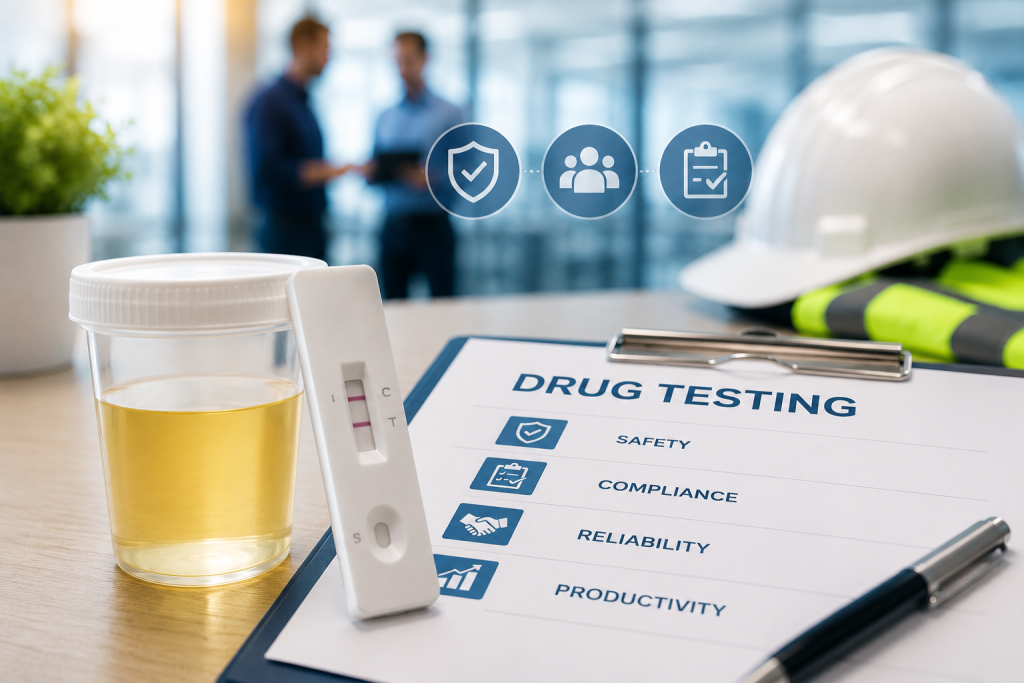
Drug and alcohol testing programs are designed to promote workplace safety, compliance, and accountability — especially in safety-sensitive industries like transportation, construction, healthcare, aviation, and manufacturing. Two commonly misunderstood testing types are Return-to-Duty (RTD) testing and Follow-Up testing.
While they are closely connected, they serve very different purposes in the drug testing process.
Understanding the difference is important for employers, HR teams, owner-operators, and employees navigating Department of Transportation (DOT) or non-DOT compliance requirements.
What Is Return-to-Duty Drug Testing?
A Return-to-Duty (RTD) drug test is required after an employee violates a workplace drug or alcohol policy and must demonstrate they are eligible to resume safety-sensitive duties.
This test typically occurs after:
- A positive drug or alcohol test
- A refusal to test
- An adulterated or substituted specimen result
- A violation of DOT drug and alcohol regulations
- Completion of a Substance Abuse Professional (SAP) program or treatment plan
Under DOT regulations, an employee cannot return to safety-sensitive work until they successfully complete the required SAP evaluation and pass a Return-to-Duty test.
Purpose of Return-to-Duty Testing
The main goal of RTD testing is to verify that the employee is currently drug- and alcohol-free before resuming work responsibilities.
This is essentially the “clearance” test that confirms the employee can return to duty.
For DOT-regulated employees, the RTD process includes:
- Initial SAP evaluation
- Education or treatment recommendations
- Completion of treatment or counseling
- Follow-up SAP evaluation
- Return-to-Duty test
- Follow-Up testing program
Key Features of Return-to-Duty Testing
1. It Happens Before Returning to Work
The RTD test must be completed and passed before the employee can resume safety-sensitive duties.
2. It Is Usually Observed
DOT Return-to-Duty urine collections must be conducted under direct observation.
3. One Negative Result Is Required
The employee must receive:
- A negative drug test result, and/or
- An alcohol concentration below 0.02 for alcohol testing
4. It Does Not End the Monitoring Process
Passing the RTD test does not complete the employee’s compliance obligations. Most employees must still undergo Follow-Up testing afterward.
What Is Follow-Up Drug Testing?
Follow-Up drug testing is a series of unannounced tests conducted after an employee successfully completes the Return-to-Duty process.
These tests are designed to monitor ongoing compliance and discourage relapse.
Follow-Up testing is determined by the SAP and may continue for months or years depending on the employee’s case and treatment outcome.
Purpose of Follow-Up Testing
The goal of Follow-Up testing is long-term monitoring.
Instead of confirming a single moment of sobriety, Follow-Up testing evaluates whether the employee continues to remain compliant after returning to work.
This testing helps employers:
- Reduce workplace risk
- Maintain DOT compliance
- Monitor employee recovery progress
- Support safer work environments
- Deter future substance misuse
Key Features of Follow-Up Testing
1. It Happens After Returning to Work
Unlike RTD testing, Follow-Up testing occurs only after the employee resumes safety-sensitive duties.
2. Tests Are Unannounced
Employees are not given advance notice. DOT regulations require Follow-Up tests to occur randomly and without a predictable pattern.
3. Multiple Tests Are Required
For DOT employees, the SAP must require at least:
- Six unannounced Follow-Up tests within the first 12 months
Testing may continue for up to five years depending on the SAP’s determination.
4. Random Testing Does Not Replace Follow-Up Testing
A Follow-Up test is separate from standard random drug testing programs. Employers cannot substitute one for the other.
Who Determines the Follow-Up Testing Schedule?
In DOT-regulated programs, the SAP determines:
- Number of Follow-Up tests
- Frequency of testing
- Whether drug testing, alcohol testing, or both are required
Employers are responsible for ensuring the testing plan is completed exactly as directed.
DOT vs Non-DOT Return-to-Duty Testing
DOT Return-to-Duty Testing
DOT RTD testing follows strict federal regulations under 49 CFR Part 40.
Industries covered include:
- Trucking
- Aviation
- Railroads
- Transit
- Maritime
- Pipeline operations
DOT testing requires:
- SAP involvement
- Direct observation procedures
- Documented compliance steps
- Follow-Up testing plans
- Clearinghouse reporting for FMCSA-regulated drivers
Non-DOT Return-to-Duty Testing
Non-DOT employers may also implement RTD and Follow-Up testing programs as part of company policy.
However, non-DOT programs generally offer more flexibility regarding:
- Testing frequency
- Observation procedures
- Return-to-work requirements
- Treatment protocols
Employers should still maintain clear written policies to avoid inconsistencies and legal risk.
Common Misunderstandings About RTD and Follow-Up Testing
“Passing the RTD test means the process is over.”
Not true. The RTD test is only one step in the overall compliance process. Follow-Up testing typically continues afterward.
“Random tests count as Follow-Up tests.”
DOT regulations specifically prohibit substituting random tests for Follow-Up tests.
“The employer decides the Follow-Up schedule.”
For DOT programs, the SAP — not the employer — determines the Follow-Up testing plan.
“Follow-Up testing only lasts a few months.”
Testing may continue for as long as five years depending on the SAP’s recommendation.
Best Practices for Employers
Maintain Clear Written Policies
Your policy should explain:
- RTD procedures
- Follow-Up testing expectations
- Employee responsibilities
- Consequences for noncompliance
Work With Qualified Testing Providers
Choose experienced drug testing administrators and SAP professionals familiar with DOT and non-DOT regulations.
Keep Accurate Documentation
Maintain records related to:
- Violations
- SAP reports
- RTD test results
- Follow-Up testing schedules
- Compliance communications
Ensure Confidentiality
Drug testing records should be handled securely and only shared with authorized personnel.
Why These Tests Matter
Return-to-Duty and Follow-Up drug testing play a major role in maintaining workplace safety and regulatory compliance.
RTD testing verifies that an employee is ready to resume work safely. Follow-Up testing helps ensure long-term accountability after returning to duty.
Together, they create a structured process that supports:
- Safer workplaces
- Reduced liability
- Regulatory compliance
- Employee rehabilitation and accountability
- Public safety in transportation and other safety-sensitive industries
For employers, understanding the distinction between these testing types is essential to managing a compliant and effective drug testing program.
Originally published at https://www.linkedin.com.
메타데이터
- post_id
- d2cae1d4c7c3
- slug
- return-to-duty-vs-follow-up-drug-testing-whats-the-difference-d2cae1d4c7c3
- url
- https://medium.com/@ushealthtesting/return-to-duty-vs-follow-up-drug-testing-whats-the-difference-d2cae1d4c7c3
- canonical_url
- https://medium.com/@ushealthtesting/return-to-duty-vs-follow-up-drug-testing-whats-the-difference-d2cae1d4c7c3
- author_url
- https://medium.com/@ushealthtesting
- status
- ok
- fetched_at
- 2026-07-10 05:19:05