Winter Term Reality Check: Why Motivation Feels Different After the Break
Moving from the lazy stillness of the December holidays into the reality of a winter term is a major shift. This often feels like the ideal…
Winter Term Reality Check: Why Motivation Feels Different After the Break

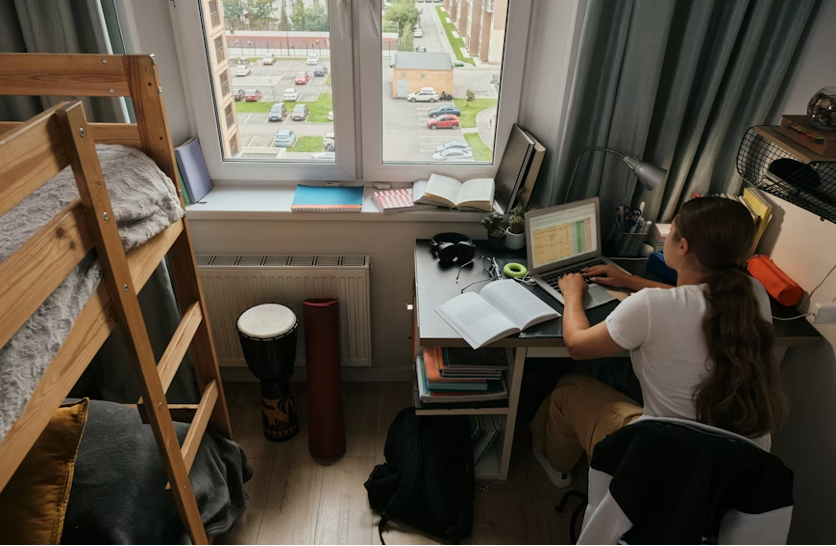
A student reading by a window during the winter term, rebuilding focus and routine after the holidays
Moving from the lazy stillness of the December holidays into the reality of a winter term is a major shift. This often feels like the ideal moment for a fresh start. However, even after you’ve rested during the vacations, you feel more tired than before.
Do not worry if you are less motivated now than you were in September. You are not just being lazy. It is a real mental shift where your brain’s post-break reset crashes into the brutal demands of the winter season.
The Psychology of Post-Break Demotivation
Most of this slump comes from a misunderstanding of how rest works for the human brain. During a normal semester, your mind is under high cognitive pressure. When the break hits, that pressure disappears overnight.
While you need that break, it leads to mental deconditioning. Your academic muscles need a warm-up period, but the fast pace of a winter term rarely allows for that transition.
During the holidays, your daily activities included staying in bed longer and engaging in social interactions solely for pleasure. Abruptly returning to strict time limits and morning classes creates mental friction. This is also referred to as the Contrast Effect.
Your brain naturally resists returning to a state where others control your time. This slump is often mistaken for a lack of willpower. However, it is only a reaction to a sudden change in your environment.
The Winter Sprint
Winter sessions, such as three-week intensives, feel different from fall sessions because they are built as sprints. In a typical 15-week semester, you get a grace period. You can spend the first week just getting books and finding your classes.
In a winter term, a single day can cover a week’s worth of information. Everything fits into a small window, so there’s no room for the natural thawing process your motivation needs.
The calendar wants you to go at full speed on day one, yet the winter blues make you need more time to get moving. This creates a frustrating paradox, leading to early-semester burnout.
The Routine Reset
The hardest part about coming back in January is that you have lost all your momentum. By November, your habits are on autopilot. Winter break often weakens routine memory.
However, this reset is not all bad news. These moments are referred to as fresh start effects by psychologists. Since the vacations disturbed your previous habits, you can now develop a more effective way of working.
The lack of motivation could indicate that your body is weary of past survival mechanisms, including just four hours of sleep and caffeine. Concentrate on being constant rather than merely being quick, using this blank slate.
Regaining Focus Without the Burnout
How do you transition from holiday mode to student mode when it is gray outside and the workload is heavy?
Start with Small Wins
Keep things steady and basic. You don’t have to master the whole course in the first two days. Stick to the easy stuff instead of a major research paper. Organizing your folders, purchasing your books, and entering every deadline into a calendar are all small victories that can be achieved without exhausting your mental resources, making the workload feel lighter.
Watch the Light Gap
One of the primary reasons for winter tiredness is Seasonal Affective Disorder. Due to less sunlight, your brain’s chemistry is affected. This not only creates a sensation of physical exhaustion, but it also restricts your focus on basic activities.
To combat this physical tiredness, it is beneficial to study near a window or take a brief walk in the sunshine. This helps your body remain active, allowing you to focus well.
Self-Negotiation
When the workload is high, negotiate with yourself. Set achievable goals instead of quitting. Beginning things in winter is among the most difficult tasks one can undertake. However, once you start, you’ll find learn that maintaining pace requires little effort.
Redefine Being Productive
You might have felt productive last autumn just by staying at the library till midnight. Being productive in the winter means finishing your work by dinner so you can stay warm and rest. Changing your expectations to match the season is an effective way to protect yourself from burnout before February even begins.
Summary
Many people feel fatigued in winter. Try to stay calm and consistent to manage your studies and activities in the cold weather, rather than worrying. Follow the basics and take little steps throughout the winter term to reach the end of the semester. This approach ultimately helps students stay engaged and perform better academically.
After all, you are a human, not a robot.
메타데이터
- post_id
- d2cdbe45b255
- slug
- winter-term-reality-check-why-motivation-feels-different-after-the-break-d2cdbe45b255
- url
- https://medium.com/@nerdify/winter-term-reality-check-why-motivation-feels-different-after-the-break-d2cdbe45b255
- canonical_url
- https://medium.com/@nerdify/winter-term-reality-check-why-motivation-feels-different-after-the-break-d2cdbe45b255
- author_url
- https://medium.com/@nerdify
- status
- ok
- fetched_at
- 2026-06-15 20:49:13