Troy Was Never About Achilles — And That Changes Everything About The Iliad
Hey readers,
Troy Was Never About Achilles — And That Changes Everything About The Iliad
Hey readers,
I recently saw a teaser for an upcoming film — The Odyssey by Christopher Nolan. It pulled me back into Greek mythology in a way I didn’t expect.
I opened The Odyssey thinking I should finally read it before the adaptation.
But somewhere between curiosity and distraction, I ended up rewatching Troy.
And this time, something felt different.
I had always assumed it was a cinematic retelling of Homer’s Iliad.
It isn’t.
Not in tone. Not in structure. Not in soul.
And once you notice that, you can’t unsee it.
Because the real difference between them is not plot.
It is meaning.
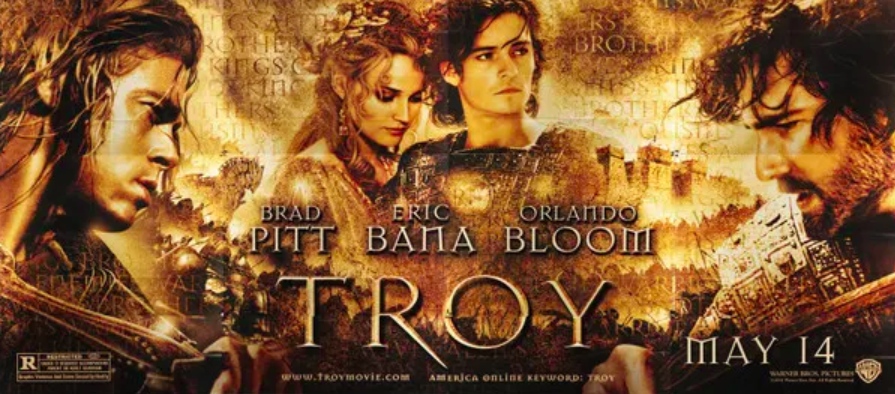
When gods disappear, humans become heavier
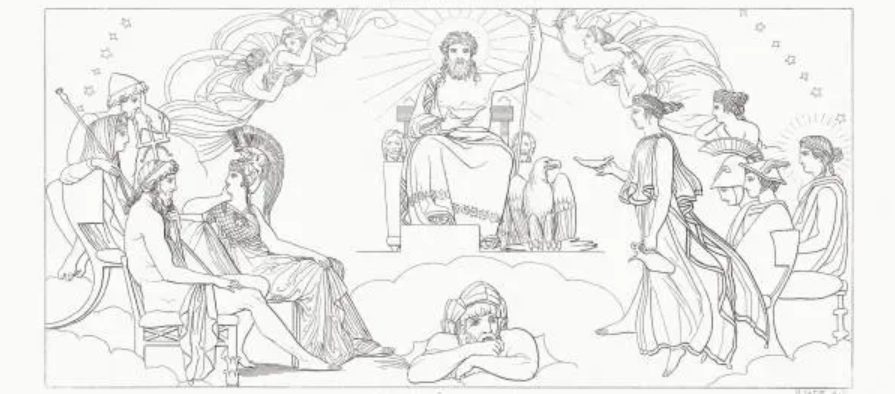
In Homer’s world, war is never just war.
It is interference. It is fate wearing many faces.
Apollo doesn’t just watch the battlefield — he sends plague into it. Athena doesn’t advise warriors — she manipulates their decisions mid-action. Zeus doesn’t participate — he balances destiny like a ruler tired of chaos.
No one is fully in control of their own story.
But in Troy, the gods disappear.
And with them, something invisible disappears too — not mythology, but fate itself.
What remains is a world of humans trying to justify destruction through:
· pride
· politics
· fear
· and ego
It feels realistic.
But also smaller.
Achilles: from mythic rage to modern fear of being forgotten
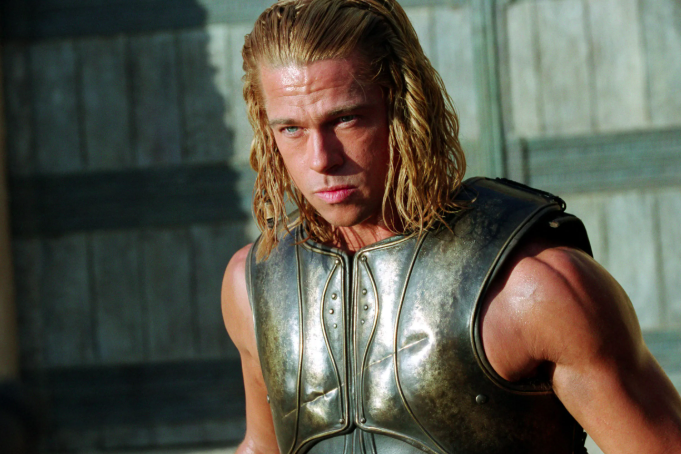
Brad Pitt’s Achilles is magnetic because he feels modern.
He is powerful, beautiful, detached — but underneath it all, he is restless.
He does not just want to win wars.
He wants to be remembered after death.
His fear is not defeat.
It is disappearance.
But Homer’s Achilles is something far more extreme.
He is not built on insecurity.
He is built on eruption.
The Iliad does not begin with war.
It begins with rage.
And that rage is not symbolic — it is destructive force with a human face.
When Patroclus dies, Achilles does not simply grieve.
He collapses into something beyond reason.
He stops fighting like a warrior and starts destroying like something that no longer understands limits.
That is the difference:
The film gives us a man trying to matter.
Homer gives us a man who cannot stop burning.
Briseis: when Hollywood replaces consequence with emotion
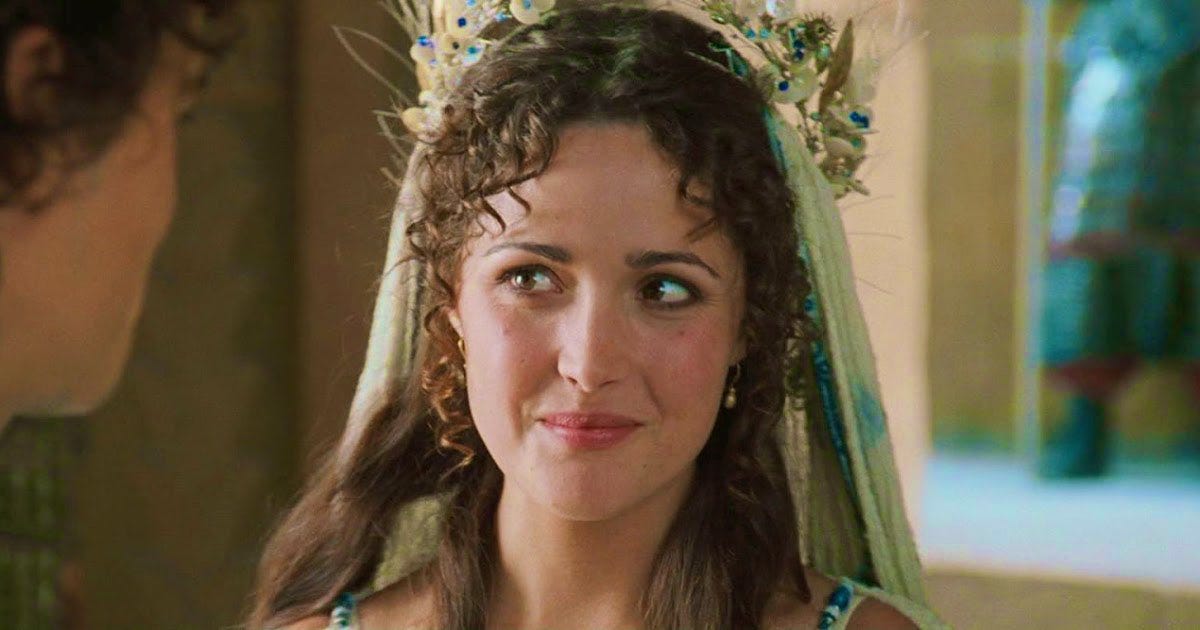
One of the clearest examples of adaptation is Briseis.
In the Iliad, she is not a love story.
She is not a romantic bridge.
She is a war prize — central to a political rupture between Achilles and Agamemnon.
Her presence represents ownership, power, and humiliation.
But in Troy, she becomes:
· Hector’s cousin
· Achilles’ emotional connection
· a soft human link between enemies
This shift is not just narrative.
It is emotional redesign.
The harshness of war is softened into something more familiar for modern audiences: love, redemption, and personal connection.
Hector: the man who fights like he already understands loss
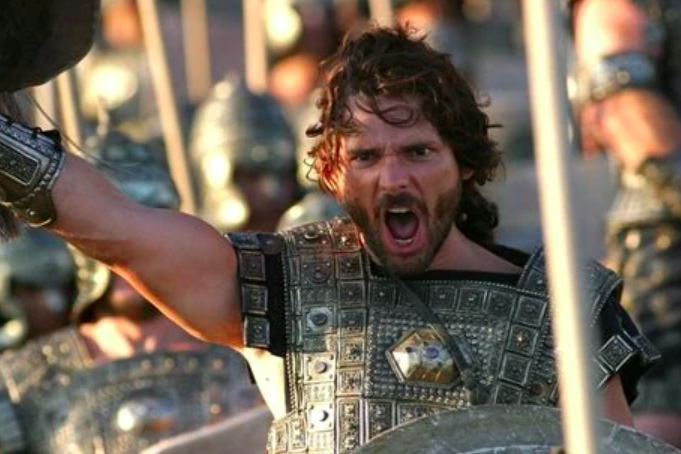
In the film, Hector feels like the emotional center of everything.
He is not chasing immortality.
He is not chasing legend.
He is holding together something he knows is already breaking.
He fights because responsibility leaves no alternative.
For his family. For his city. For people who will outlive him only briefly.
Even Homer treats Hector with deep humanity, but Troy amplifies him into something more accessible — a man carrying the weight of a future he cannot save.
That is why his duel with Achilles feels less like combat and more like inevitability.
The illusion of a complete ending
One of the most important differences in Troy is also the easiest to miss.
In the film, everything ends.
Heroes die. Troy burns. The story closes.
It feels final — complete.
But that is not how Greek mythology works.
In Homer’s tradition, war rarely ends where stories want it to end.
Even Agamemnon does not have his true ending in Troy. His fate continues beyond the war into a cycle of betrayal and death that the film does not show.
Because Troy needs something Greek myth never cared about:
closure.
A sense that everything is resolved.
But mythology does not resolve.
It continues.
It echoes.
And that changes everything.

Odysseus and the idea of being remembered
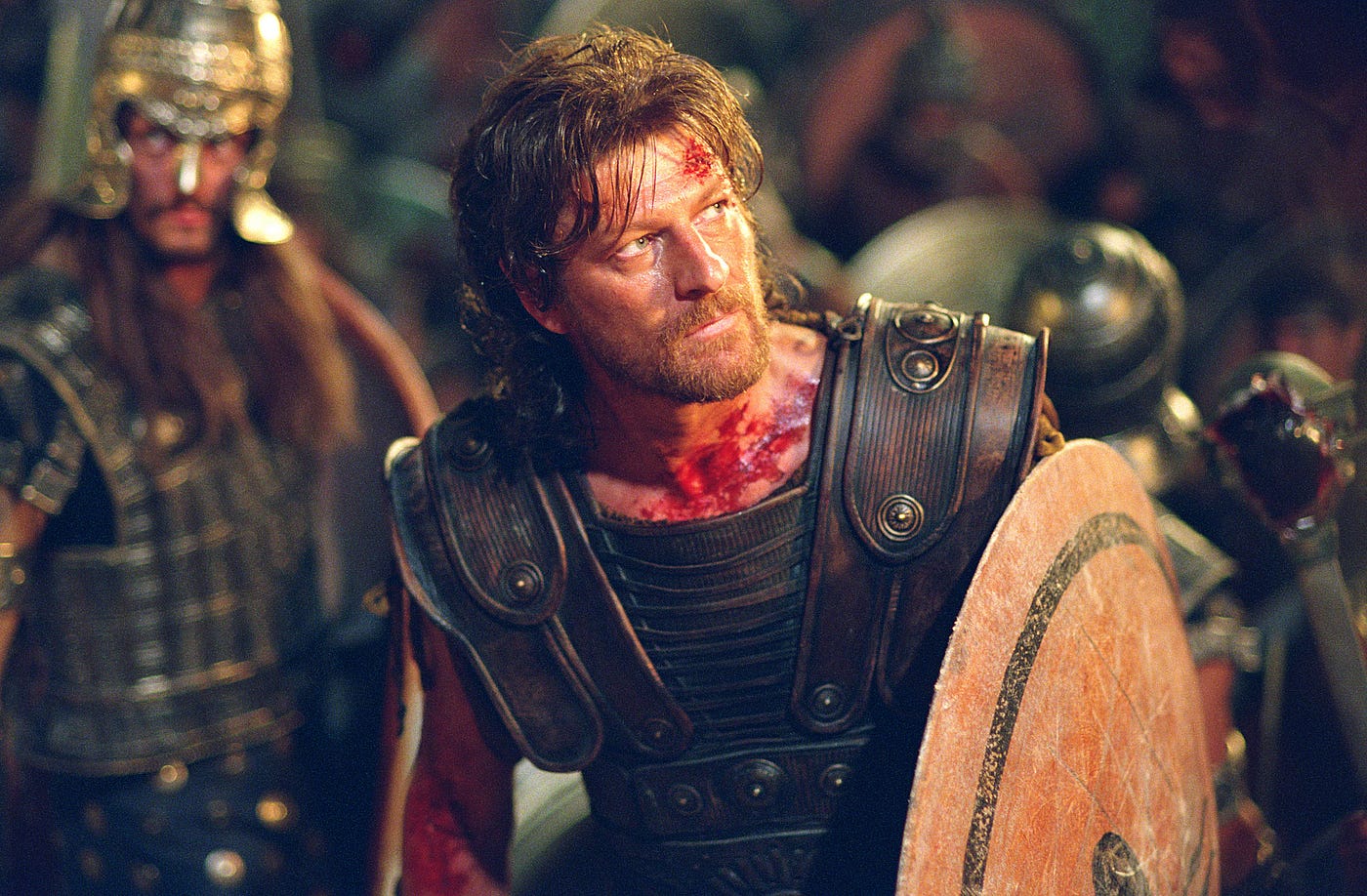
One of the most memorable parts of Troy is the presence of Odysseus and his final reflection.
“Men are haunted by the vastness of eternity…”
“If they ever tell my story, let them say I walked with giants…”
These lines were written for the film, not Homer.
But they capture the emotional philosophy of Troy perfectly.
Because in this version of the story, war is not just about survival.
It is about legacy.
About the hope that something of you will remain after everything else disappears.
Final thought
Maybe that is why these stories refuse to die.
Because every version reshapes them into something new.
Homer’s world mourns war.
Troy turns it into legend.
And each generation returns to it again — not to find the same answers, but to ask the same questions in a different voice.
메타데이터
- post_id
- d2d89e7bf5fa
- slug
- troy-was-never-about-achilles-and-that-changes-everything-about-the-iliad-d2d89e7bf5fa
- url
- https://medium.com/@gulrezqayyum/troy-was-never-about-achilles-and-that-changes-everything-about-the-iliad-d2d89e7bf5fa
- canonical_url
- https://medium.com/@gulrezqayyum/troy-was-never-about-achilles-and-that-changes-everything-about-the-iliad-d2d89e7bf5fa
- author_url
- https://medium.com/@gulrezqayyum
- status
- ok
- fetched_at
- 2026-06-21 19:25:17