How Knowledge Graphs Solve Machine Learning Problems
The human brain uses the same concept as a knowledge graph, and its name is a reference frame
How Knowledge Graphs Solve Machine Learning Problems
The human brain uses the same concept as a knowledge graph, and its name is a reference frame
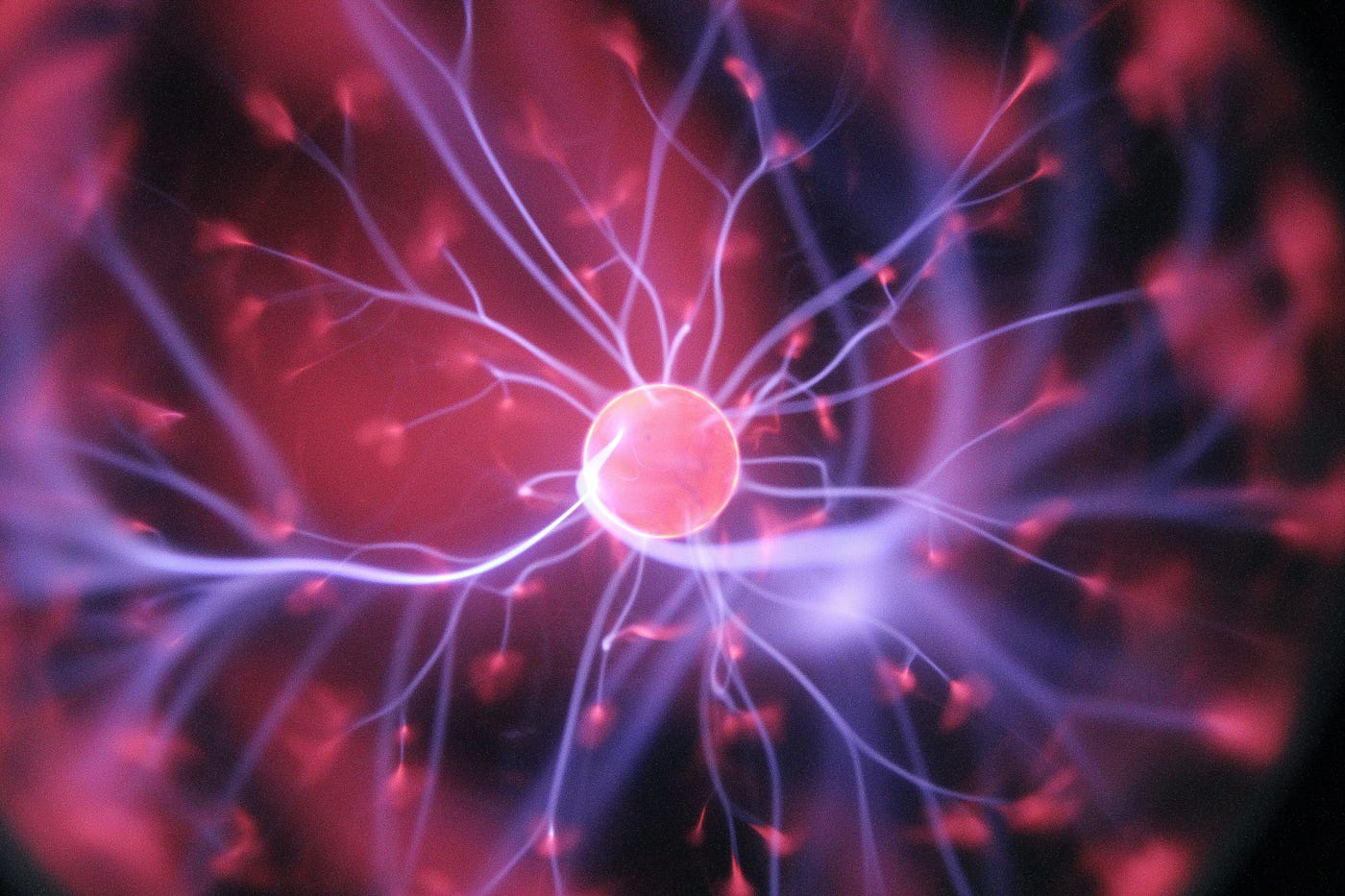
Photo by Hal Gatewood on Unsplash
Data representation and data itself is the main prerequisite for a successful design and operation of a machine learning model. Data as the input of AI-based systems, such as input signals to a non-AI-based system, are typically correlated with other data elements. Incorrect data collection and representation similar to wrong feature extraction from data is why AI projects do not achieve a mature state as a product. A good example is the collected data from various sensors of an autonomous vehicle, which are related to one another in the time or space domain and whose analysis could help make a more precise prediction of possible events in AI components.
What is a knowledge graph?
A graph contains nodes connected by edges, and it is a visual representation of a network. A graph describes the relationship between nodes through edges. A graph visualizes a network; for example, the internet is a network of user computers as nodes and network protocol interaction as its edges. Another example is social networks like Facebook, where nodes are people and edges are friendships between them.
A knowledge graph represents knowledge in the form of a graph. A knowledge graph uses a graphically-structured data model or topology to integrate the data in the domain Knowledge Representation and Reasoning of AI. Knowledge-based Artificial Intelligence (KBAI) helps make the learning process of artificial intelligence algorithms more efficient and effective. Knowledge Graph generates new knowledge by collecting information and integrating it into the graphically structured topology. All data from different sources are linked and presented to solve a new problem much more quickly.
Typical applications of knowledge graphs
Search engines like Google are one of the most common uses of knowledge graphs that has a knowledge engine to answer your question or provide links that could likely answer your question.
Another application is conversational AI like Alexa or Siri, which answers your questions more advanced than chatbots, designed to answer specific questions.
Social networks like Linkedin connect people or companies with different properties in the professional world. The properties or capabilities of nodes in such networks affect the relationship between the nodes in the graph.
What is the new knowledge that the knowledge graph provides?
A knowledge graph can combine many data sources; for example, KBpedia is an open-source knowledge graph that combines seven different data sources such as Wikipedia, Wikidata, etc. An important property of a knowledge graph is to give context to the data. Combining different data types that somehow correlate with each other and their integration into a representation form provides new information for the algorithm to make better decisions and predictions.
Many statistical analyzes could be applied to the knowledge graph to find new helpful information. For example, finding the most influential node in the graph affects other nodes and is a key player in the network. Many centralities analyzed, such as “betweenness centrality,” which determines the shortest path that players in a network will take, or “eigenvector centrality,” which determines the degree of connected nodes connected to many other players, can be investigated on knowledge graphs.
The visual representation offers a better understanding of relationships and how a network evolves in knowledge graphs. The visualization helps to analyze how different clusters in the graph are related to one another and how the graph develops in a time domain. We can follow the story behind the evolution of the graph in the time domain and, if necessary, take the right action to affect the graph for a good reason.

Photo by JJ Ying on Unsplash
Knowledge graphs are an essential factor in the machine-learning model training process
Adding context to data:
The performance of a machine learning model improves when we provide all of the related data that the application requires as input into the model. Giving the data a context as the most significant feature of a knowledge graph increases the informative value of the collected data that is given to the model. Just feeding the machine learning algorithm with data is not enough to achieve a mature product. Many requirements in autonomous driving projects can only be met with AI solutions, as human perception is no longer available in an autonomous car. The AI needs to understand the context for a reliable perception algorithm and not just get information about a single scene that happens in a very short time as input.
Combine all available resources:
Before Google introduced Knowledge Graph, a search was based on the String-Searching algorithm, which means you had to type in the combination of all the text, numbers, and symbols to find the result you wanted. But now, the Google Search AI engine predicts your needs based on your previous searches and valuable information available and linked in the knowledge graph.
Knowledge fusion:
The data collected for training an AI application has different types and storage formats. We should first integrate various data correlated with one another in the same context in one single database in order to make it accessible in a meaningful way. Knowledge fusion is mandatory because you have multiple data sources, e.g., merge two data elements, one in Boolean type and the other in the text. Applying data from various sources is critical to understanding human intelligence.
Reference frame:
Jeff Hawkins introduced a new theory of human intelligence in his book “A Thousand Brains.”; humans create a reference frame for the world around them and constantly update it by movement. This theory is entirely in line with the concept of a knowledge graph. The human brain behaves like a knowledge graph. Making a new decision by the human is started by referring to the already created knowledge graph in the neocortex. The first step in building intelligence as capable as humans is to provide the AI system with the correct data and regularly update it as a human’s reference frame to ensure the availability of all relevant data for the required application.
메타데이터
- post_id
- d2f0da031cd5
- slug
- how-knowledge-graphs-solve-machine-learning-problems-d2f0da031cd5
- url
- https://medium.com/data-science/how-knowledge-graphs-solve-machine-learning-problems-d2f0da031cd5
- canonical_url
- https://medium.com/data-science/how-knowledge-graphs-solve-machine-learning-problems-d2f0da031cd5
- author_url
- https://medium.com/@bhbenam
- status
- ok
- fetched_at
- 2026-08-12 08:04:51