Is Hantavirus the New Global Threat?
Not much time has passed since the whole world watched Covid-19 snatch away millions of lives in an instant. Humans have a weak memory — we…
Is Hantavirus the New Global Threat?
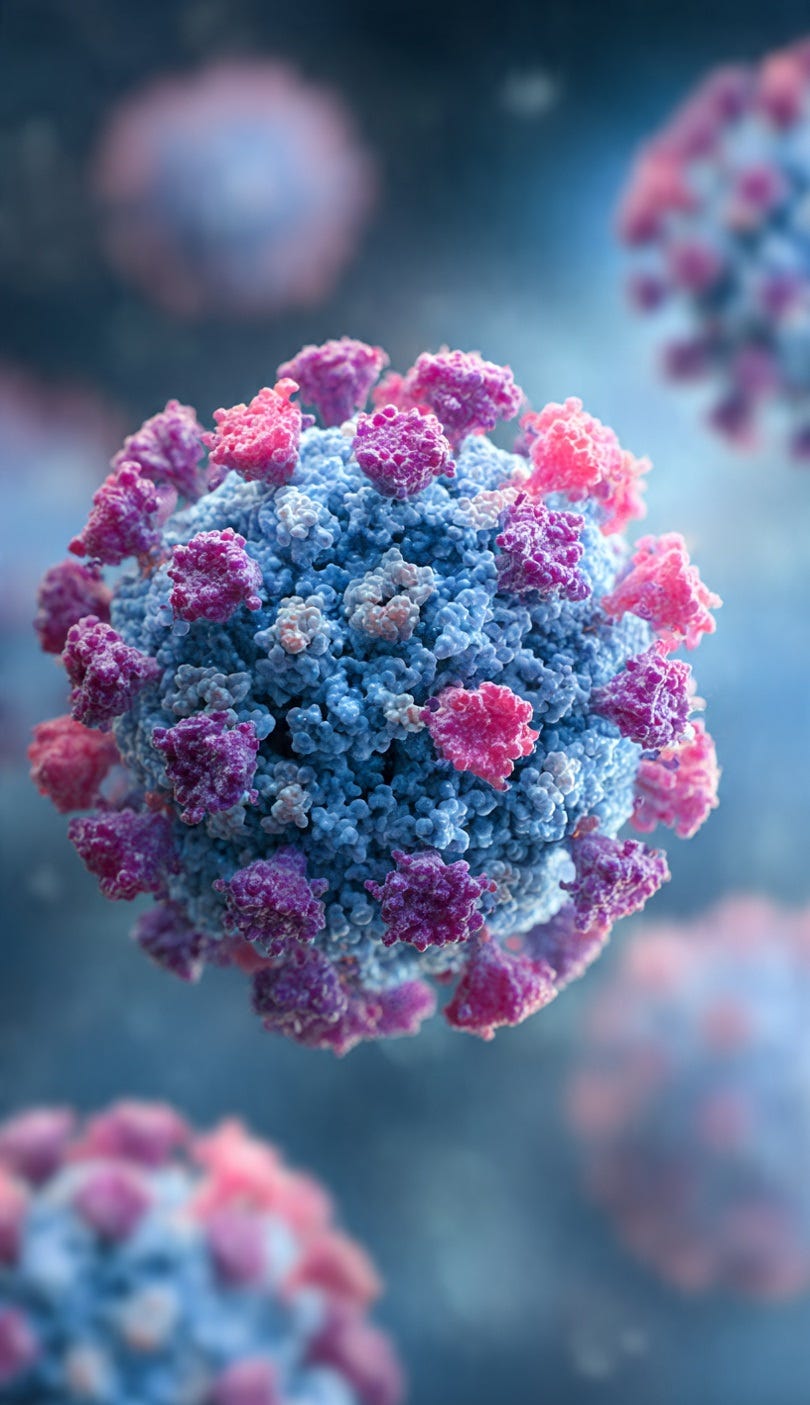
picture by META AI
Not much time has passed since the whole world watched Covid-19 snatch away millions of lives in an instant. Humans have a weak memory — we only raise noise about the present and learn nothing from it. History books are full of plagues and smallpox that wiped out entire cities and villages together. But Covid-19 repeated history and proved those old stories true again.Initially people took these diseases lightly.
The World Health Organization (WHO) has recently issued a stern warning following a deadly outbreak on the luxury expedition ship MV Hondius. As global discussions intensify, here is an in-depth analysis of the Hantavirus crisis, its symptoms, and the current global response.
1. The MV Hondius Incident
In early May 2026, tragic reports emerged from the Dutch-flagged vessel MV Hondius during its Atlantic voyage. Having departed from Ushuaia, Argentina, on April 1, the ship became a floating quarantine zone as passengers and crew succumbed to severe respiratory distress.
- Casualties and Infections: To date, three deaths have been confirmed. Out of eight suspected cases, laboratory tests have confirmed Hantavirus in five individuals.
- The Indian Connection: Two Indian crew members were initially identified as high-risk. According to the latest update from India’s Ministry of Health, both remain asymptomatic but are under strict international monitoring.
- The Andes Strain: Investigations confirmed the outbreak was caused by the ‘Andes strain’ of Hantavirus. This is particularly concerning to health officials because, unlike most variants, the Andes strain is capable of human-to-human transmission.
2. What is Hantavirus?
Hantaviruses are a family of viruses spread primarily by rodents. Depending on the region and the strain, the virus typically manifests in two life-threatening ways:
- Hantavirus Pulmonary Syndrome (HPS): Predominantly found in the Americas, this affects the lungs and respiratory system.
- Hemorrhagic Fever with Renal Syndrome (HFRS): More common in Europe and Asia, this primary targets the kidneys.
The Andes Virus, the culprit behind the MV Hondius incident, causes HPS. Its ability to spread through close physical contact makes it a significant threat to public health.
3. How Does Infection Spread?
Hantavirus usually spreads in these ways:
Aerosolization: When droppings, urine, or saliva of infected rodents dry and mix into the air as tiny particles, and humans inhale them.
Direct contact: From a bite by an infected rodent, or touching their waste and then touching your nose, mouth, or eyes.
Human-to-human: Only in the case of Andes strain, through very close physical contact or prolonged time in the same enclosed space.
4. Symptoms and Identification
Symptoms can appear 1 to 8 weeks after infection, in two stages:Early Symptoms:
High fever and chills.
Severe muscle pain, especially in thighs, hips, and back.
Fatigue, headache, and dizziness.
Stomach issues like vomiting, diarrhea, nausea.Late Stage:
After 4 to 10 days, the condition worsens:
Fluid buildup in lungs (Pulmonary Edema).
Extreme difficulty breathing.
After 4 to 10 days, the condition worsens:
Fluid buildup in lungs (Pulmonary Edema).
Extreme difficulty breathing.
Low blood pressure and shock. Mortality rate: HPS cases can have a 35% to 40% fatality rate, making it extremely deadly.5. Current Situation and Global Response
Currently, MV Hondius is heading toward Spain’s Canary Islands. Global health agencies are monitoring it closely: WHO’s role: The World Health Organization issued alerts to 12 countries because some passengers had already disembarked and traveled to places like the UK, Singapore, Australia, etc.CDC action: The U.S. Centers for Disease Control and Prevention activated a ‘Level 3’ emergency response.ECDC: European health officials are contact tracing passengers to prevent community spread.India’s preparedness: India’s Ministry of Health is monitoring the situation via NCDC and IDSP. Since Indian citizens are part of the crew, protocols for their safety and return to India are being ensured.6. Prevention and Treatment
Since Indian citizens are part of the crew, protocols for their safety and return to India are being ensured.6. Prevention and Treatment. There is currently no specific vaccine or antiviral treatment for Hantavirus.Treatment: The only approach is ‘supportive care’. If a patient reaches a hospital/ICU early and gets oxygen therapy or ventilator support, chances of survival increase.Prevention measures: Stay away from places where rodents live.
Don’t stir up dust while cleaning — use wet mops.
Use proper ventilation and masks in closed spaces.
메타데이터
- post_id
- d2fe1cffd979
- slug
- is-hantavirus-the-new-global-threat-d2fe1cffd979
- url
- https://medium.com/@umar.uk.khalid/is-hantavirus-the-new-global-threat-d2fe1cffd979
- canonical_url
- https://medium.com/@umar.uk.khalid/is-hantavirus-the-new-global-threat-d2fe1cffd979
- author_url
- https://medium.com/@umar.uk.khalid
- status
- ok
- fetched_at
- 2026-06-09 15:37:30