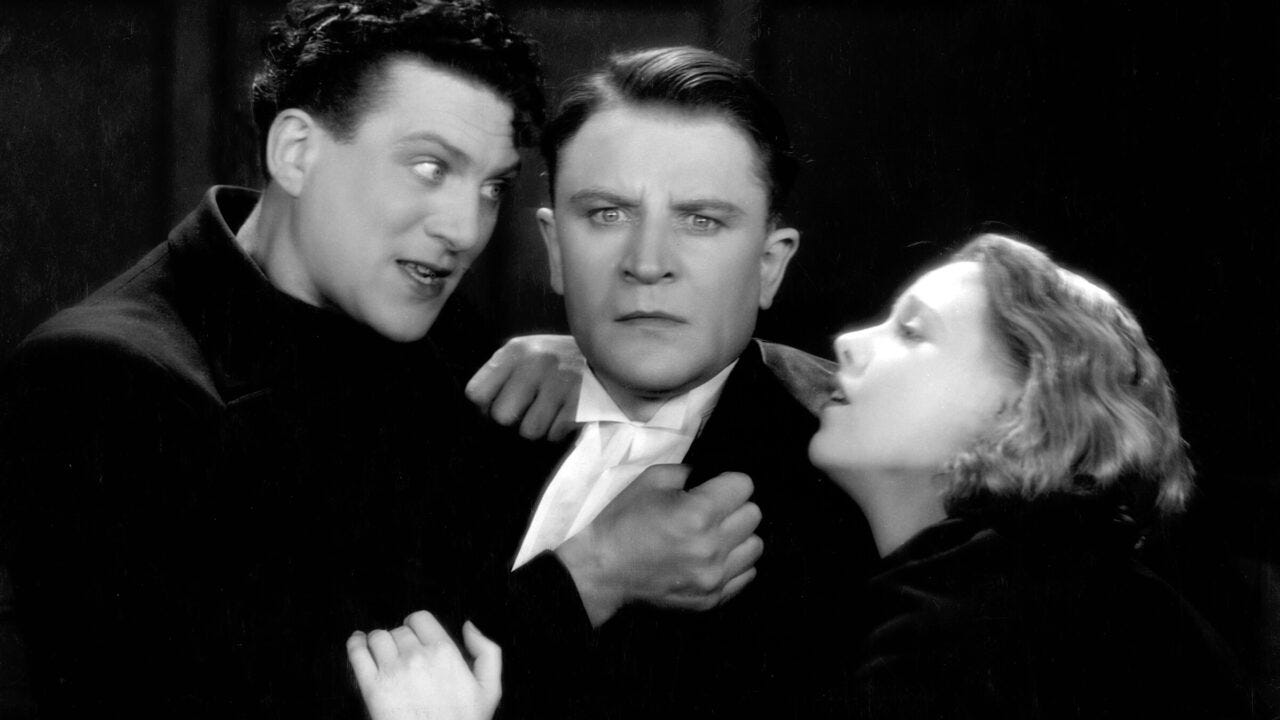
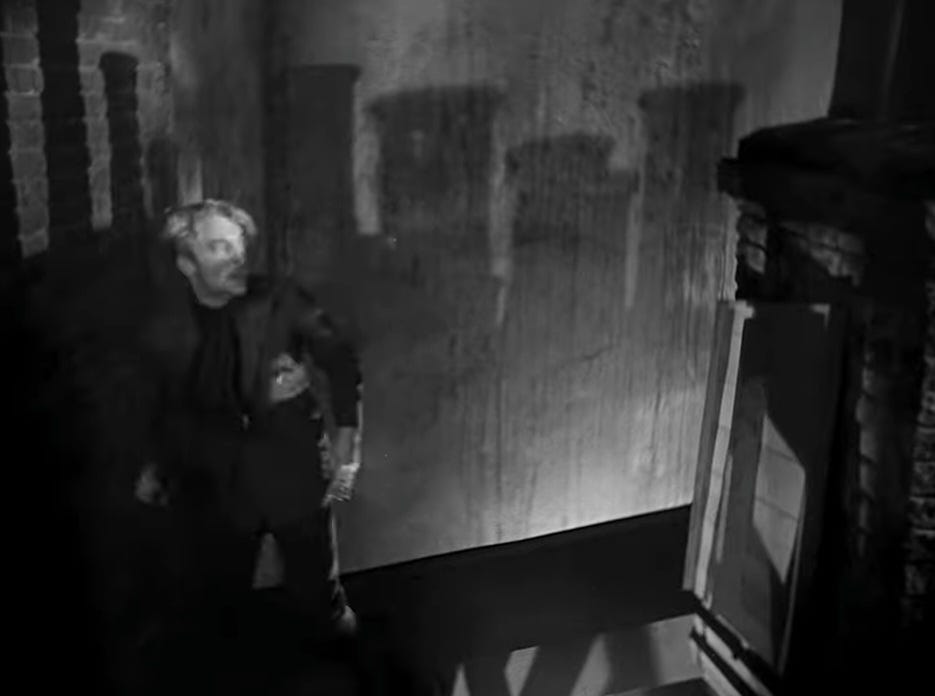
Pandora's Box (1929) — Confessions of a Dishonorable Woman
Louise Brooks had had it with Hollywood. The 21-year-old starlet, having grown frustrated with her treatment by the bosses at Paramount…
“Pandora’s Box” (1929) by Georg Wilhelm Pabst
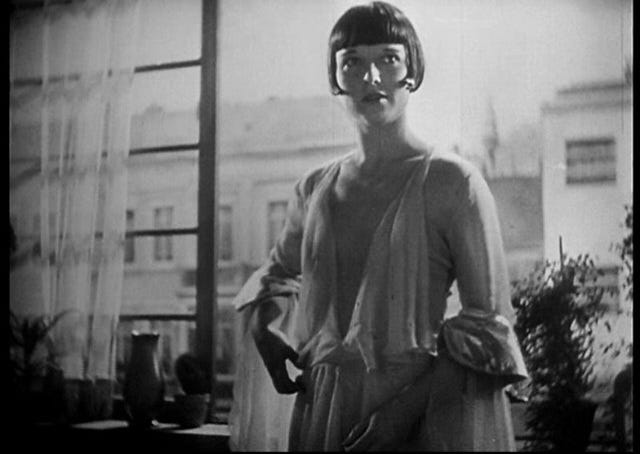
Louise Brooks had had it with Hollywood. The 21-year-old starlet, having grown frustrated with her treatment by the bosses at Paramount Pictures, took the advice of an associate, packed her bags and shipped off to Berlin.
She was told to meet a Mr. Georg Wilhelm Pabst, a filmmaker from Austria. After years of the exaggerated stylings of Expressionism, Pabst had risen as the voice of the New Objectivity in German cinema, which eschewed the theatrics of Expressionism in favor of more grounded realism, in stories, performances, and visual presentation.
The first film Brooks made with Pabst was *Pandora's Box*. It is seen as the prime example of the New Objectivity movement on film. A film which wrangles taboo subjects – namely sexual politics – with a degree of intelligence, wit, compassion and intrigue that almost feels Hitchcockian.
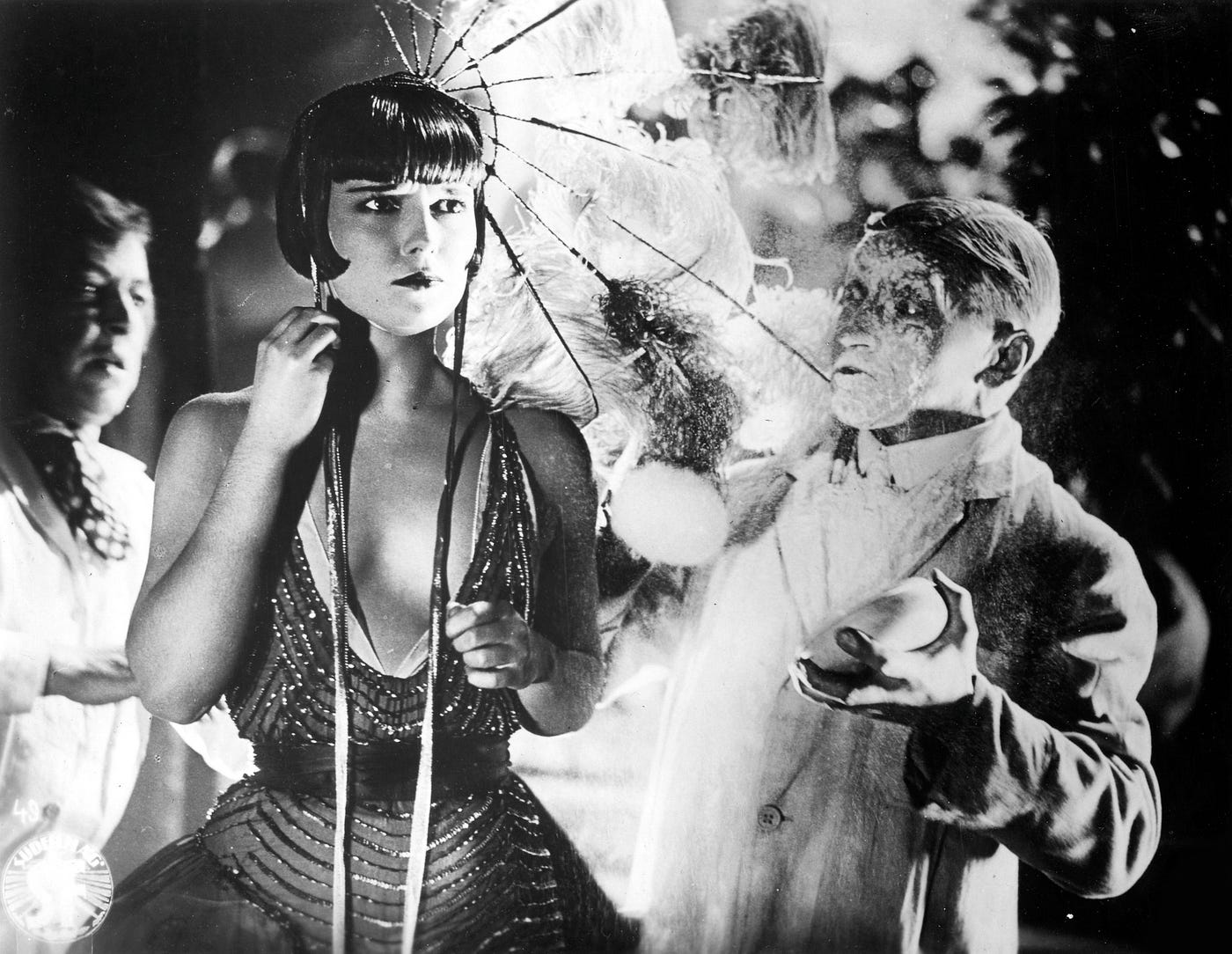
Brooks stars as Lulu, a young woman making her living as a call girl for wealthy, old coots. Her clients do her favors in return, helping her get out of sticky situations and landing her big-time gigs. One of them is a newspaper tycoon (Fritz Kortner) who suggests a role for her in a stage show as a dancer. However, in preparation for the show backstage, Lulu finds out who put her up to the act, and she protests. “I'm not going on!” She believes it's for the benefit of Kortner and his fiancée.
Here's my favorite moment in the film… Kortner grabs her by the arm and drags her into a storage closet. He shakes her like a Magic 8 Ball and demands she go on. After a bit of heated struggle, the two gravitate towards each other and wind up in an embrace. Just then, the door opens, and they are discovered by Kortner's fiancée.
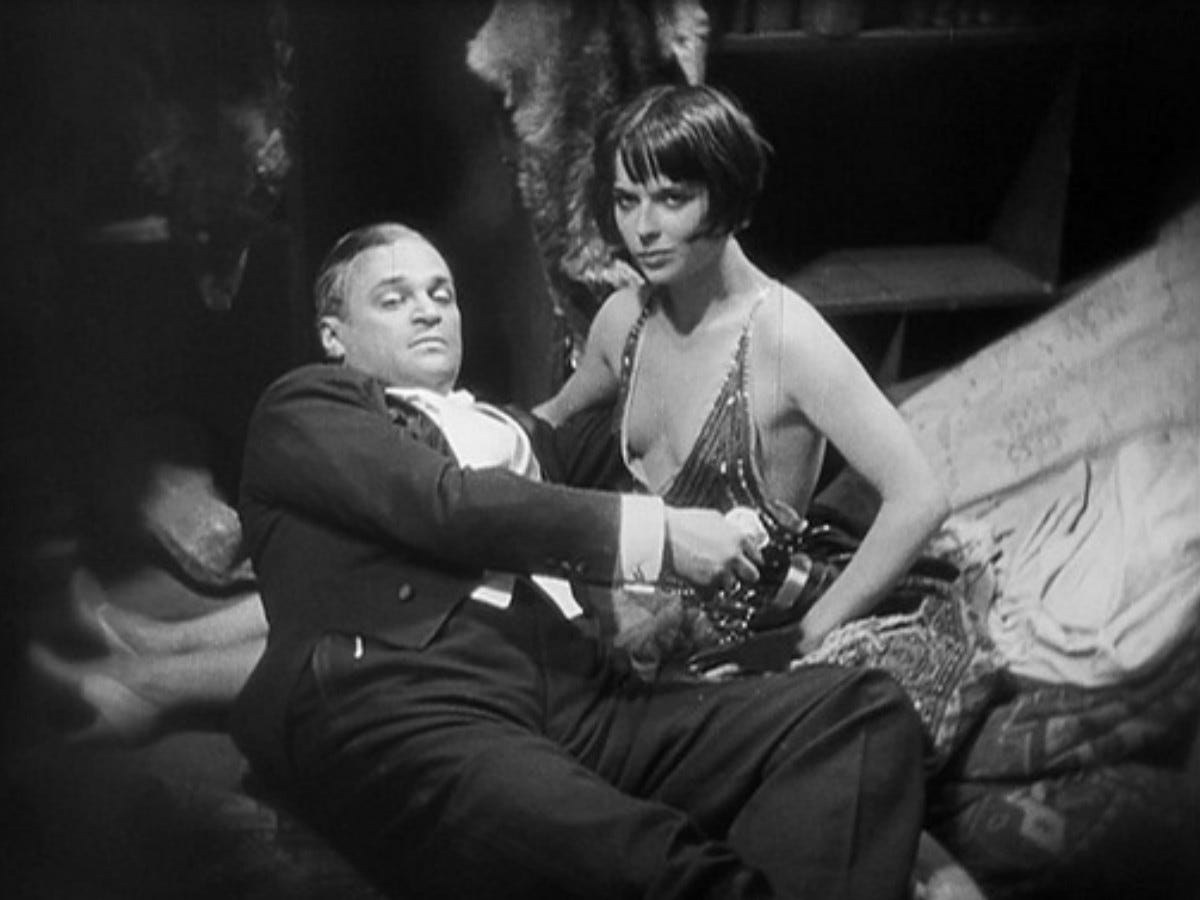
In an instant, the power dynamic has been turned on its head. Lulu is in complete control and eager to go on stage, now that she's sufficiently bruised enough egos. The catharsis is so palpable, you can't help but smile along with her.
Without giving everything away, things escalate quickly, and Lulu winds up on trial. A crowd of repressed older ladies sit in the gallery, listening intently, murmuring to each other, and even applauding Lulu's defense attorney, as if they're watching the Lifetime network. Just as Lulu is being sentenced, Schigolch – her old acquaintance – swoops in to save the day, pulling a fire alarm and activating a stampede which sweeps her out of the courthouse.
She decides to flee the country with a companion, so they plan to board a train to France, borrowing a passport from one of her partners – an obsessive lesbian ex. Since the customs officer doesn't bother to look inside the compartment to see whose passport he's stamping, their plan is successful…
…At first, until one Marquis Casti Piani recognizes Lulu from a newspaper, and blackmails the pair into coming along with him. It’s at this point forward that it really felt more like a proto-Hitchcock film.
Hitch had premiered a film just a little over a week earlier in London called The Manxman (1929). Both that film and Pandora’s Box involve men risking their high-ranking positions over a secret affair with a woman. It isn’t likely that Hitchcock and Pabst were spying on each other’s dailies and copying one another, however, it may be likely that they were both inspired by another film called *Flesh and the Devil (1926), in which two old friends are torn apart over their love of Greta Garbo. All three films feature a similar sermon on lust and sin, on the temptress luring men to their doom. Whilst these tropes certainly didn’t originate with Flesh and the Devil*, that film made them popular for a while, so much so that filmmakers around the world were taking cues from it.
Pandora's Box is a much better film than Flesh and the Devil. It's a more thoughtful, progressive-minded, and compassionate film. Lulu has lived on the fringes of society all her life, and – like a character in a Hitchcock film – trouble always seems to catch up with her. She gets the book thrown at her by a society that sees only her crimes. Her sins have negated her humanity.
Berlin was one of the most culturally liberal cities in the world. It's especially eerie to see this film and think of how much worse life would be for undesirables like Lulu once the National Socialists rose to power. She even has a menorah displayed in her apartment.
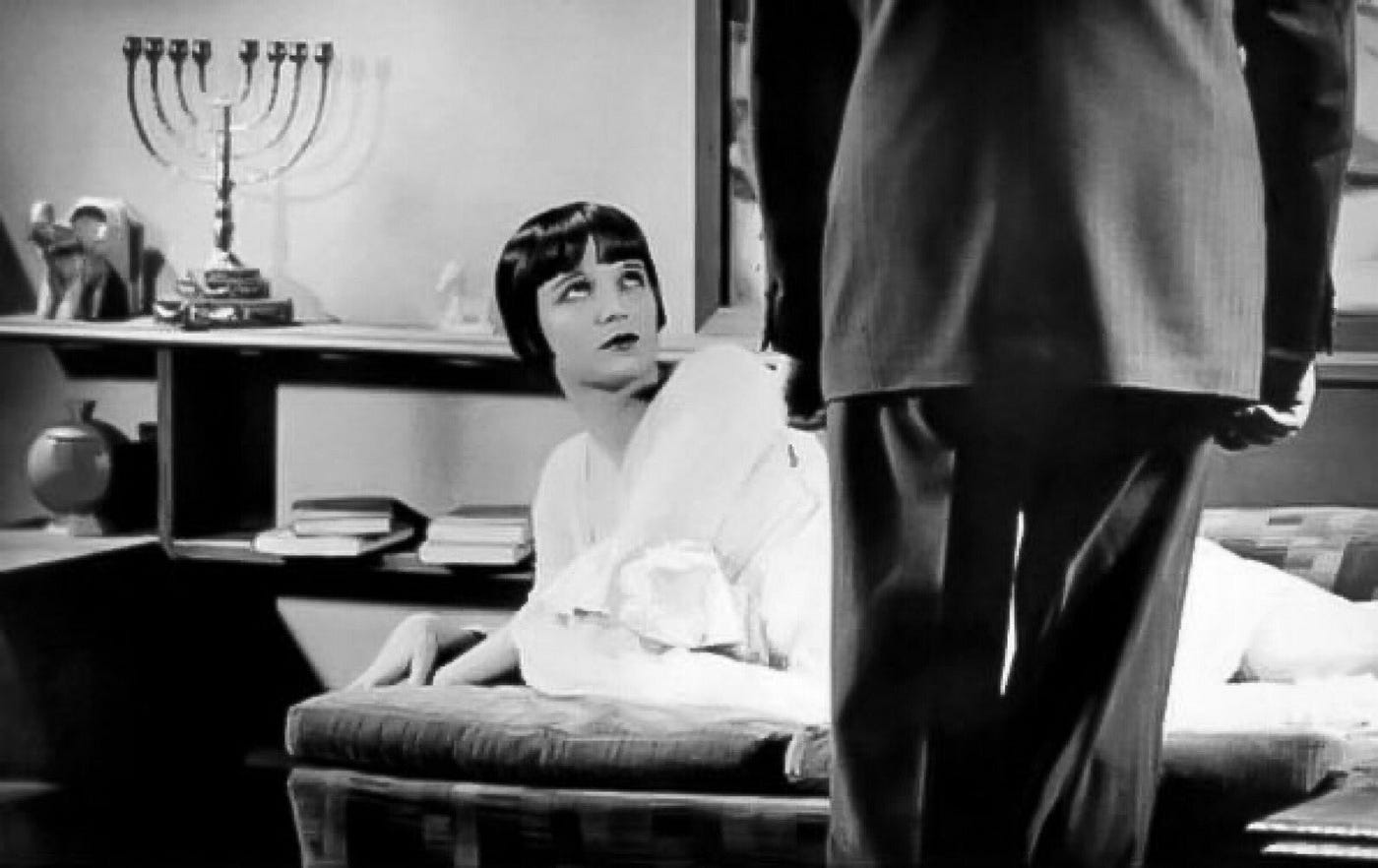
Art imitates life, and vice versa. Lulu is similar to Brooks in many ways. Both had reputations for being promiscuous. Both were bisexual. Both tried their hand at show business. Both were eventually shunned. Both fell into prostitution to get by.
Pandora's Box is the main film that people remember Louise Brooks for today. It's as if her legend is inseparable from that of Lulu. For both her and Pabst, the film was their way of rejecting the popular cinema of their countries and embracing more authenticity.
메타데이터
- post_id
- d31f8ff7d5da
- slug
- pandoras-box-1929-confessions-of-a-dishonorable-woman-d31f8ff7d5da
- url
- https://medium.com/the-early-years/pandoras-box-1929-confessions-of-a-dishonorable-woman-d31f8ff7d5da
- canonical_url
- https://medium.com/the-early-years/pandoras-box-1929-confessions-of-a-dishonorable-woman-d31f8ff7d5da
- author_url
- https://medium.com/@itsonlyamovieshow
- status
- ok
- fetched_at
- 2026-06-13 07:35:29