Cozy Is a Loan, Not a Genre
Ten beloved life-sims tell one story: charming art buys a Very Positive rating up front, then the same grind quietly empties the lobby. Two…
Cozy Is a Loan, Not a Genre
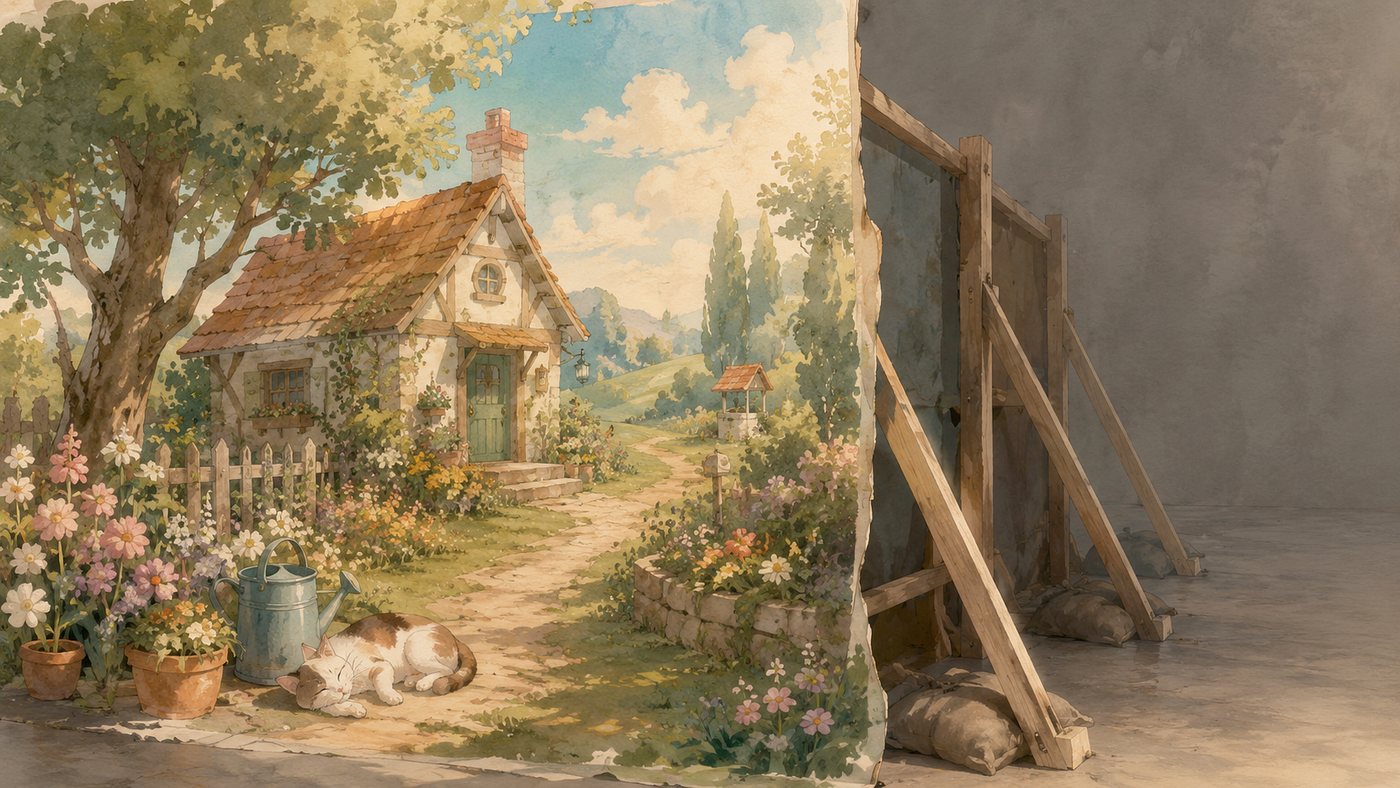
Ten beloved life-sims tell one story: charming art buys a Very Positive rating up front, then the same grind quietly empties the lobby. Two games paid the loan back. Eight didn’t.
Here’s the number that should worry cozy-game studios: two of these ten titles account for roughly 97% of the concurrent players in this sample. The other eight, combined, hold about 1,905 people online at any given moment.
Every one of the ten is rated Very Positive or better.
Every one of them gets called “addictive” in the reviews too.
The rating and the player count have stopped agreeing with each other, and that’s the real subject of this piece.
Cattails sits at 2 concurrent players. Garden Paws, 5. Littlewood, 7. These aren’t failed games by the usual scoreboard — Cattails is rated Overwhelmingly Positive, 2,565 positive reviews against 110 negative.
Players adored it.
Then they left, and the reviews stayed glowing while the lobby went dark.
So what happened between the five-star review and the empty server?
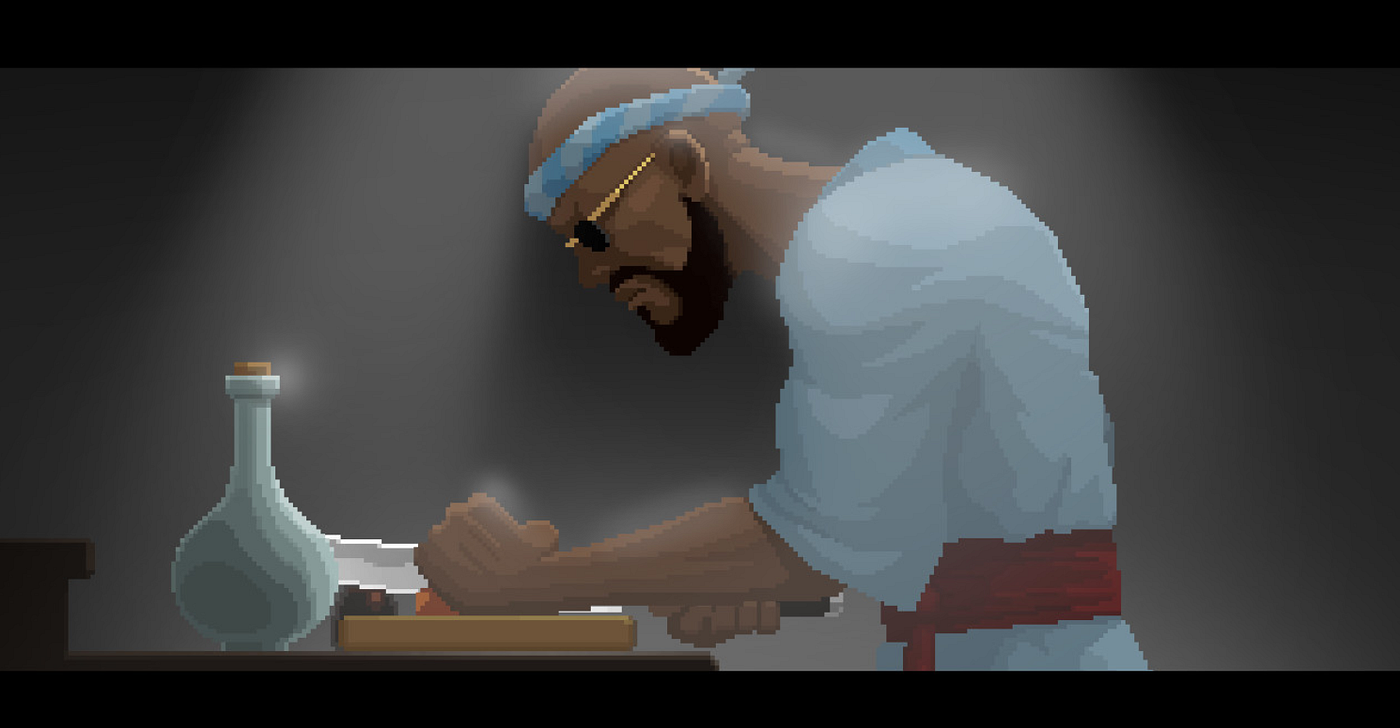
The same complaint, almost every time
Read the critical issues across all ten reports and a version of the same complaint shows up in the top two or three issues of most of them: the core loop is repetitive, the progression is thin, the back half is a grind.
It’s not the single biggest issue everywhere — by raw frequency it’s the outright #1 complaint in only two of the ten, Potion Craft and Stardew Valley — but it sits close to the top almost everywhere else, usually trailing whatever technical or content problem ranks above it.
Spiritfarer carries the worst of it on both counts among the games where it shows up — 27% of its reviews flag the loop as repetitive, and it posts the highest Design Mismatch score in the sample, a flat 10.0. One reviewer, twenty hours in, put it more bluntly:
“completely and utterly done with the tedious nature of every single repetitive task.”
Potion Craft, Stardew Valley, and Travellers Rest cluster right behind it, all in the 26–27% range on the identical complaint.
Even DAVE THE DIVER, a critical darling, isn’t exempt — 18% of its reviews mention repetition, another 21% mention harsh death penalties and a missing autosave.
Five of the eight games with churn-driver data name Design Mismatch as the single biggest reason players leave — the other three split between technical failures and onboarding friction, and two games in the sample don’t have churn-driver data at all.
The label is dry. The meaning is sharp: people showed up expecting one game and got handed another.
The positioning audits say it without needing a number.
My Time at Portia’s audit: players wanted farming and friendship, got tedious time-gated crafting.
Spiritfarer’s: players came for a cozy escape and met “demanding management and resource-gathering aspects, which can feel more like chores than enjoyable gameplay.”
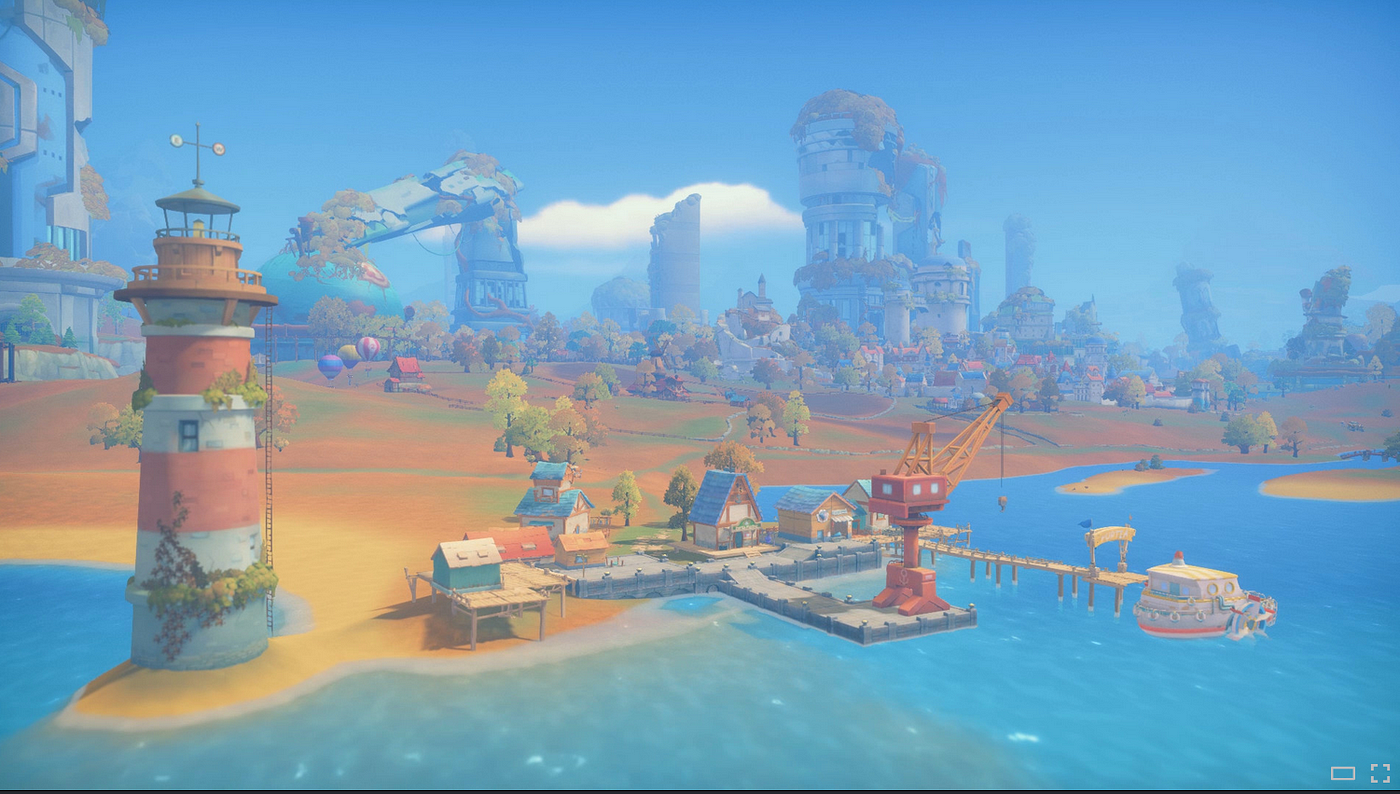
Travellers Rest’s: a tavern sim that buried its tavern under farming and side activities.
This is the lie the genre keeps telling. Not a malicious one — a hopeful one. “Cozy” gets stamped on the store page because the art is warm and the palette is soft.
But cozy is a promise about how the game feels to keep playing, not how it looks on the box, and most of these games only deliver on that promise for the first afternoon.
Charm buys the first two hours
Credit where it’s due — these studios got a lot right, and the affection in the data is real. Spiritfarer’s emotional narrative and art are praised in nearly every positive review we sampled.
Potion Craft’s alchemy mechanic is genuinely novel, the kind of thing players discover and can’t stop talking about.
Cattails nails its core fantasy — be a cat, build a colony — well enough to pull in the entire Warrior Cats fandom on its own.
Dave the Diver’s art, humor, and soundtrack land it on a thousand “best of” lists.
None of that is the problem.
The charm is what makes the first two hours work, and it’s why all ten games clear a Very Positive rating — a player opens the game, feels the warmth, and writes the review while the goodwill is still fresh.
That review is honest. It’s also written early.
Cat Cafe Manager’s average playtime is 12 hours.
Potion Craft and Littlewood stretch to 24 and 35. The affection is genuine, the retention isn’t, and the distance between those two facts is the entire cozy graveyard.
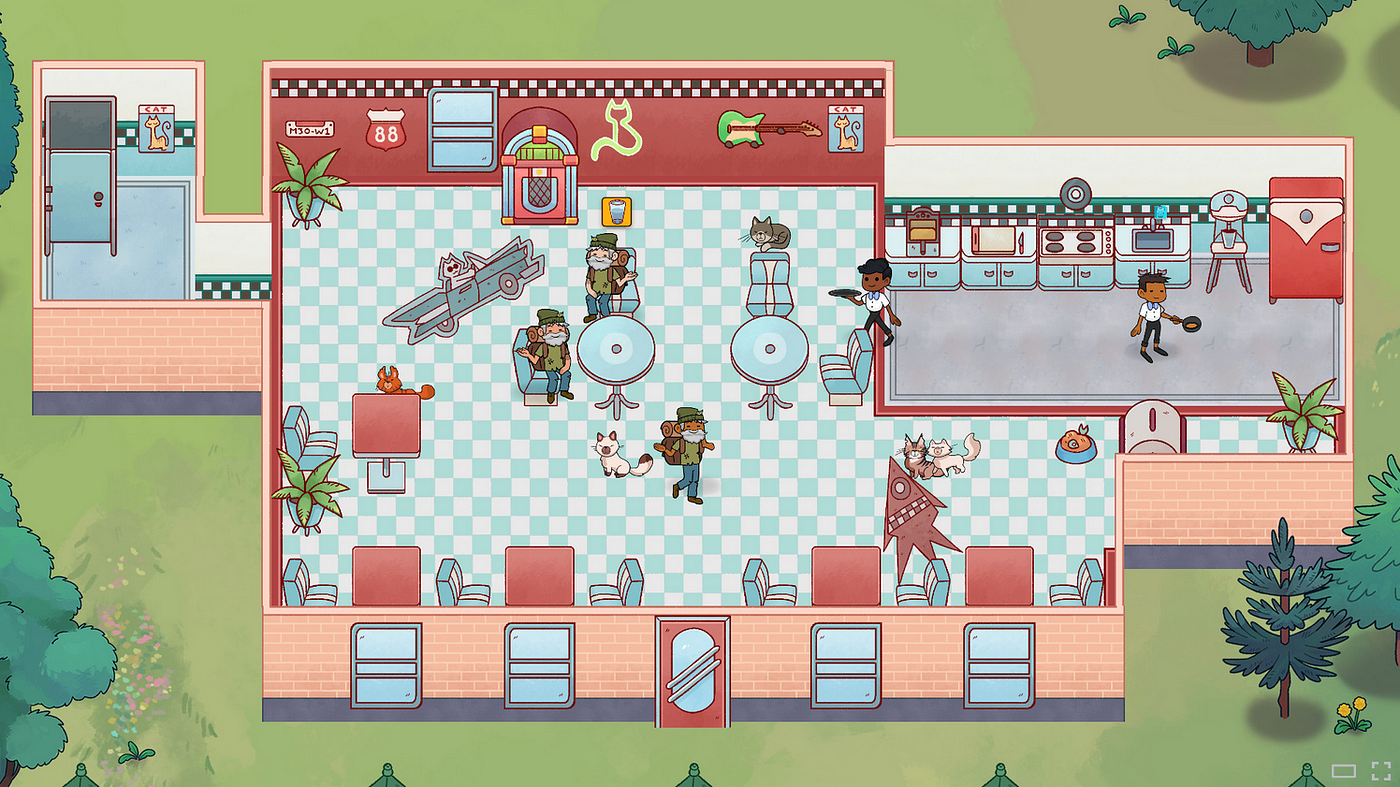
What the survivors actually did
Now put Stardew Valley next to that. Average playtime: 576 hours. Owners: 30 million. Gross revenue between $205M and $268M. A live concurrent count of 53,888 — a decade after launch, still charting at rank 22 on a platform with tens of thousands of games.
Stardew carries the same critical complaint as the rest of the sample — a 26% gripe about early-game grind and direction.
The difference is what sits behind the complaint.
Push past the first season and the game opens into mining, fishing, combat, relationships, the community center, and ten years of free updates from a developer who never stopped building. The charm got players in the door. The systems gave them 585 more hours of reasons to stay.
Dave the Diver pulled the same trick a different way — stacking a restaurant sim, a roguelike dive loop, boss fights, and a steady drip of new mechanics under the cute exterior. Its complaints are about too much content, not too little. That’s the good version of this problem.
The eight ghost towns share a quieter failure: they spent everything on the first impression and built no second act.
Garden Paws is the starkest case — a technical health score of 25, multiplayer that desyncs, game-breaking bugs, stacked on top of its own 18% grind complaint. It asked players to love it, then made loving it hard. The charm was a loan, and the game never paid it back.
The lesson hiding in the reviews
None of this was a surprise, and that’s the uncomfortable part. The grind complaints, the gap between the cozy promise and the chore reality, the thin endgame — they show up in the earliest reviews, not just the recent ones. The signal was there the whole time. It was just easier to read the star rating, see “Very Positive,” and assume the game was fine.
A star rating measures whether someone is glad they bought your game. It says nothing about whether they’re still playing it. For a genre whose economics now lean on word of mouth, wishlists, and the long tail, that second question is the only one that matters — and it’s the one the headline number hides.
If there’s a single instruction for a studio shipping into this space, it’s this: treat your Very Positive rating as a warning, not a trophy.
It means the charm landed. It tells you nothing about hour twenty. Go read the negative reviews and the lapsed players, find the moment the loop stops giving, and build something real on the other side of it.
The five reports that flagged Design Mismatch as the top churn driver were reading the same reviews any developer could have read on launch week. That’s the entire value of looking early — these crises were predictable, and predictable crises are the cheap ones to prevent.
That’s the work UNRIP exists to do.
Cute will get a player to install your game.
It will get you a screenshot, a review, a spot on a wishlist.
It will not get you to hour fifty.
Eight of these ten studios learned that after the lobby was already empty. The two that learned it before launch are the only two anyone is still playing.
Cozy & life-sim sample · 10 titles · $9.99–$29.99 · 88–99% Steam positive · ~38M combined owners · CCU range 2–53,888 · avg playtime 12–587 hrs · repetitive grind: #1 complaint in 2 of 10, top-3 in 8
메타데이터
- post_id
- d323600ce027
- slug
- cozy-is-a-loan-not-a-genre-d323600ce027
- url
- https://medium.com/@hello.unrip/cozy-is-a-loan-not-a-genre-d323600ce027
- canonical_url
- https://medium.com/@hello.unrip/cozy-is-a-loan-not-a-genre-d323600ce027
- author_url
- https://medium.com/@hello.unrip
- status
- ok
- fetched_at
- 2026-06-18 07:02:39