Why Distribution Management System Is Necessary in the FMCG Industry
The Fast-Moving Consumer Goods (FMCG) industry operates in a highly competitive and fast-paced environment. Products move quickly from…
Why Distribution Management System Is Necessary in the FMCG Industry
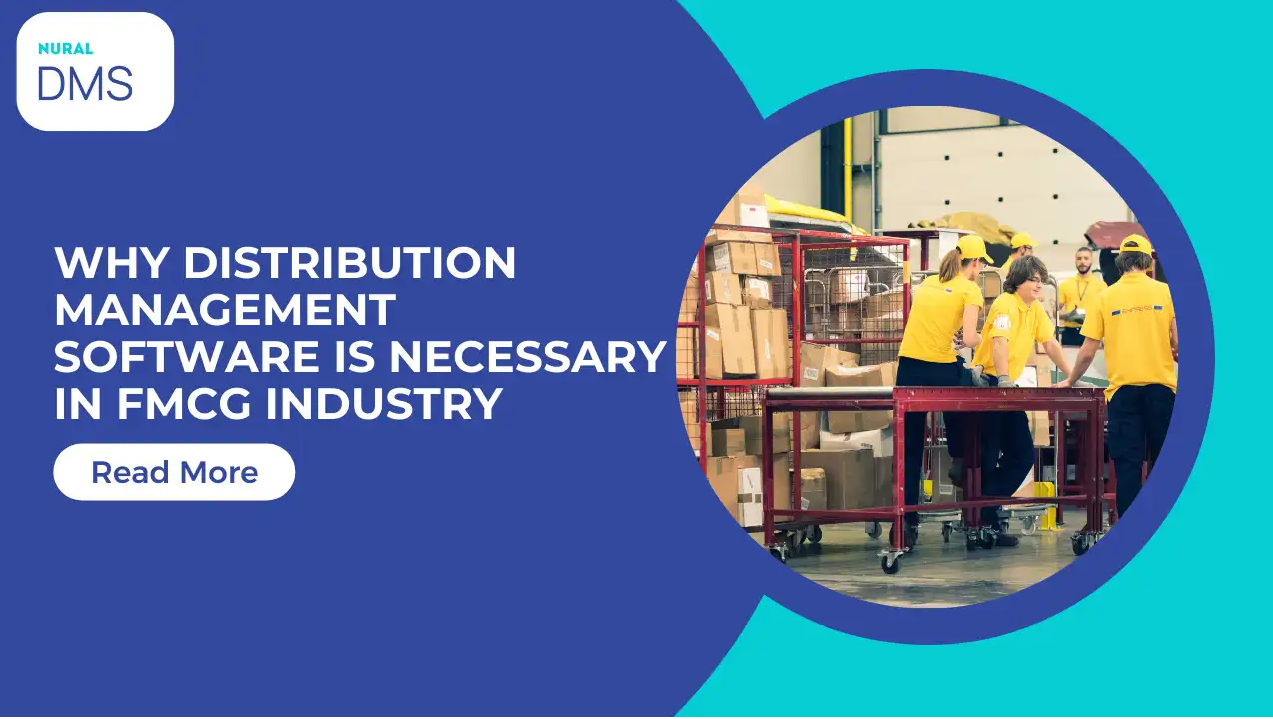
The Fast-Moving Consumer Goods (FMCG) industry operates in a highly competitive and fast-paced environment. Products move quickly from manufacturers to distributors, retailers, and finally to consumers. Managing this complex supply chain manually can lead to delays, stock shortages, inaccurate reporting, and lost sales opportunities.
To overcome these challenges, many FMCG companies are adopting a Distribution Management System (DMS) to streamline operations and improve visibility across the distribution network.
What Is a Distribution Management System?
A Distribution Management System is a software solution designed to manage and monitor the movement of goods from manufacturers to distributors, wholesalers, retailers, and end customers. It helps businesses automate order processing, inventory management, sales tracking, and distributor performance monitoring from a centralized platform.
By providing real-time information, a DMS enables FMCG companies to make faster and more informed business decisions.
Challenges Faced by FMCG Companies
FMCG businesses often deal with:
- Large distributor networks
- High-volume product movement
- Frequent stock replenishment requirements
- Complex order management processes
- Demand fluctuations
- Limited visibility into distributor inventory
- Delayed reporting from the field
Without proper systems, these challenges can affect customer satisfaction and business growth.
Why a Distribution Management System Is Important
Improved Supply Chain Visibility
A DMS provides real-time visibility into inventory levels, order status, stock movement, and distributor performance. This helps management track operations across multiple locations.
Faster Order Processing
Manual order handling can cause delays and errors. A Distribution Management System automates order capture and processing, reducing turnaround time and improving efficiency.
Better Inventory Management
The system helps monitor stock levels at warehouses and distributor locations. Businesses can prevent stock-outs and avoid excess inventory by maintaining accurate records.
Enhanced Distributor Management
A DMS allows companies to track distributor sales, inventory, order fulfillment, and performance metrics. This helps strengthen distributor relationships and improve accountability.
Accurate Sales Tracking
Sales data can be captured and analyzed in real time. Businesses can identify high-performing products, monitor market demand, and improve sales planning.
Reduced Operational Costs
Automation reduces manual work, paperwork, and administrative errors. This leads to lower operating costs and increased productivity.
Key Features of a Distribution Management System
When choosing a DMS for FMCG operations, businesses should look for features such as:
- Order management
- Distributor management
- Inventory tracking
- Sales force automation
- Scheme and promotion management
- Route planning
- Real-time reporting and analytics
- Mobile application support
- Secondary sales tracking
These features help businesses manage distribution operations more effectively.
Benefits for FMCG Businesses
Implementing a Distribution Management System can help FMCG companies:
- Increase order accuracy
- Improve stock availability
- Reduce delivery delays
- Enhance distributor engagement
- Improve forecasting and planning
- Strengthen market coverage
- Increase sales performance
The result is a more efficient and responsive distribution network.
Future of Distribution Management in FMCG
As FMCG companies continue to expand their market presence, digital transformation is becoming increasingly important. Modern DMS platforms are integrating with technologies such as cloud computing, mobile applications, business intelligence tools, and AI-powered analytics.
These innovations help businesses gain deeper insights into distribution operations and improve decision-making.
Conclusion
A Distribution Management System is no longer a luxury for FMCG companies — it has become a necessity. With increasing competition and growing customer expectations, businesses need complete visibility and control over their distribution network. A DMS helps improve inventory management, streamline order processing, enhance distributor performance, and support long-term business growth.
Organizations that invest in an effective Distribution Management System are better positioned to build an efficient supply chain and maintain a competitive advantage in the FMCG market.
메타데이터
- post_id
- d3586f95ce2e
- slug
- why-distribution-management-system-is-necessary-in-the-fmcg-industry-d3586f95ce2e
- url
- https://medium.com/@wm_13229/why-distribution-management-system-is-necessary-in-the-fmcg-industry-d3586f95ce2e
- canonical_url
- https://medium.com/@wm_13229/why-distribution-management-system-is-necessary-in-the-fmcg-industry-d3586f95ce2e
- author_url
- https://medium.com/@wm_13229
- status
- ok
- fetched_at
- 2026-07-11 04:07:45