𝗪𝗵𝘆 𝗙𝗮𝗺𝗶𝗹𝘆 𝗜𝘀𝗻’𝘁 𝗝𝘂𝘀𝘁 𝗔𝗯𝗼𝘂𝘁 𝗮 𝗦𝗵𝗮𝗿𝗲𝗱 𝗡𝗮𝗺𝗲, 𝗕𝗹𝗼𝗼𝗱 𝗼𝗿…
Claude Lévi-Strauss’s House & Jay Hughes’s Family of Affinity
𝗪𝗵𝘆 𝗙𝗮𝗺𝗶𝗹𝘆 𝗜𝘀𝗻’𝘁 𝗝𝘂𝘀𝘁 𝗔𝗯𝗼𝘂𝘁 𝗮 𝗦𝗵𝗮𝗿𝗲𝗱 𝗡𝗮𝗺𝗲, 𝗕𝗹𝗼𝗼𝗱 𝗼𝗿 𝗪𝗲𝗮𝗹𝘁𝗵
Claude Lévi-Strauss’s House & Jay Hughes’s Family of Affinity
For a while, anthropologists thought they understood kinship.
You traced descent via fathers or mothers. You inherited a name, assets and status via a biological line.
Then, they encountered a hitch.
Non-lineal Japanese “ie” (家), Polynesian chiefly lines and Pacific Northwest Coast tribes didnt fit the model.
These societies didn’t organise themselves around strict bloodlines but something else entirely.
They behaved like institutions.
Feudal Japanese families adopted capable sons-in-law (mukoyōshi), and the practice continues today.

Hawaiian nobles practised hānai (formal adoption) to place a capable heir or forge an alliance.
What mattered wasn’t bloodline per se, but continuity of the family, its identity, ethos, estate and name.
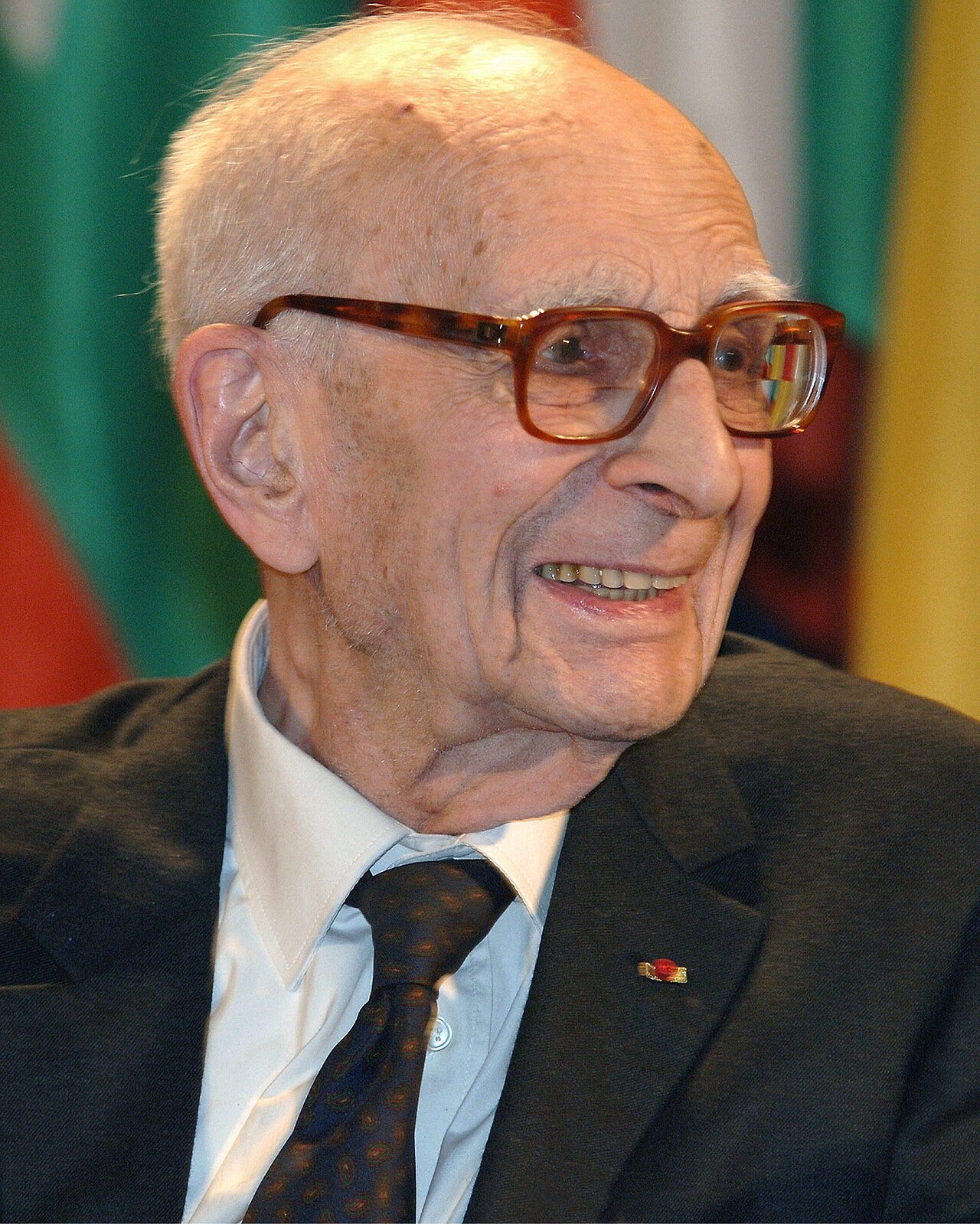
To make sense of this, the father of modern anthropology, Claude Lévi-Strauss, proposed the idea of the “Maison” (House): family as a corporate and moral person.
An entity that owns an estate — material and immaterial — and persists beyond the lives of its members. Individuals come and go; houses endure.
𝗙𝗿𝗼𝗺 𝗔𝗻𝘁𝗵𝗿𝗼𝗽𝗼𝗹𝗼𝗴𝘆 𝘁𝗼 𝗙𝗮𝗺𝗶𝗹𝘆 𝗚𝗼𝘃𝗲𝗿𝗻𝗮𝗻𝗰𝗲
The father of family governance, James E. Hughes, Jr, arrived at a strikingly similar insight.

He distinguishes between families defined by blood and those defined by affinity.
Families that think of themselves only as biological units become closed systems.
Isolated and inward-looking, such closed systems inevitably lose energy and, over time, fragment and fade.
Families of affinity, by contrast, are open ecosystems, bound by shared values, stories and purpose.
They actively incorporate spouses and adoptees as full participants, not peripheral, passing passengers.
In doing so, they fulfill the oldest social bond described by Lévi-Strauss — alliance through marriage.
Hughes is describing families as modern, Straussian Houses — no longer centred on land, assets or titles but shared human, intellectual, social and spiritual capital.
The family isn’t just a group of relatives, but a moral, corporate person that outlives its members.
𝗪𝗵𝗮𝘁 𝗙𝗮𝗺𝗶𝗹𝗶𝗲𝘀 𝗼𝗳 𝗔𝗳𝗳𝗶𝗻𝗶𝘁𝘆 𝗦𝗵𝗮𝗿𝗲
To sustain identity, unity and the capacity to flourish over generations, a family must act like a Straussian House and a Hughesian Family of Affinity.
Its members must choose to be bound together, not be forced together by name, blood or money.
But choice only exists if there’s something to choose.
Shared values must be named.
Shared stories must be told and retold.
A shared purpose must be articulated.
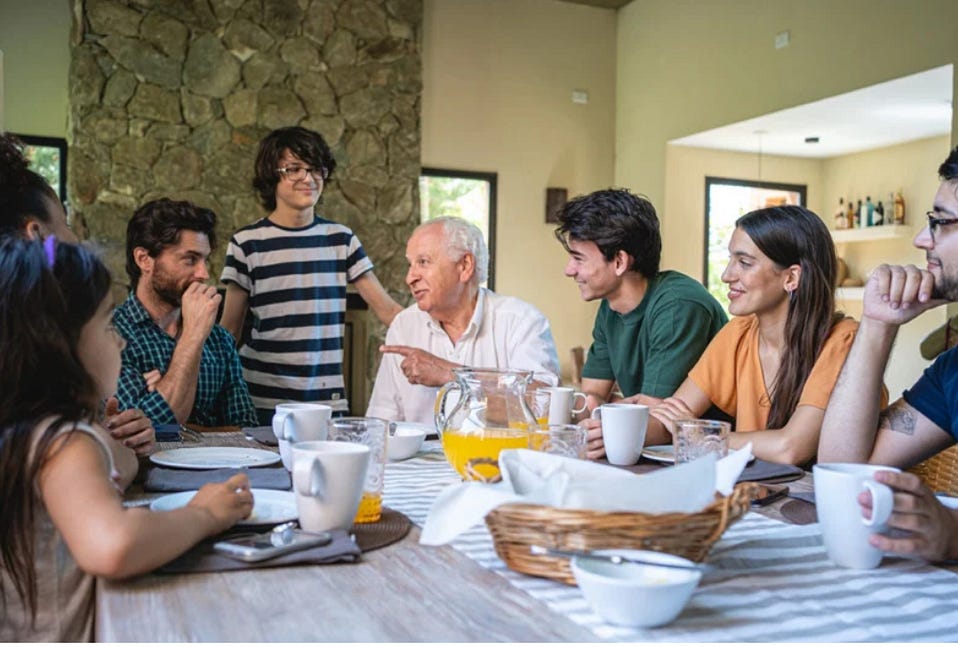
Otherwise, affinity becomes mere sentiment. With these, it becomes the organising ethos and force of a living, sustaining institution.
The work of every family, therefore, is not to guard or leave an inheritance, but to become one; to move from descent to ascent.
메타데이터
- post_id
- d3b9c772ae6f
- slug
- -d3b9c772ae6f
- url
- https://medium.com/@bernardchung/-d3b9c772ae6f
- canonical_url
- https://medium.com/@bernardchung/-d3b9c772ae6f
- author_url
- https://medium.com/@bernardchung
- status
- ok
- fetched_at
- 2026-06-09 15:37:30