Artificial Intelligence in Criminal Justice: Revolutionizing Justice or Creating New Risks?
Artificial intelligence is rapidly transforming many aspects of society, and the criminal justice system is no exception. From helping…
Artificial Intelligence in Criminal Justice: Revolutionizing Justice or Creating New Risks?
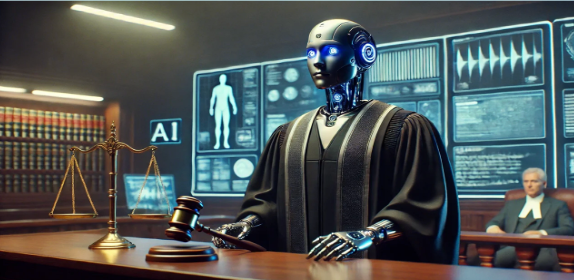
Figure 1: ABA Working Group publishes guidelines for responsible AI use by state and federal courts. Source: Ambrogi, 2025
Artificial intelligence is rapidly transforming many aspects of society, and the criminal justice system is no exception. From helping police departments analyze crime patterns to assisting courts with risk assessments, AI is becoming an increasingly important tool for law enforcement and legal professionals. While these technologies offer opportunities offer opportunities to improve efficency and decision making, they also raise huge concerns about fairness, privacy, and accountability. Researchers studying AI in criminal justice have emphasized that these benefits and risks must be carefully balanced to ensure justice remains fair and transparent.
What Is Artificial Intelligence?
Artificial intelligence refers to computer systems that can perform tasks that typically require human intelligence. These tasks include recognizing patterns, analyzing large amounts of data, making predictions, and generating recommendations. Unlike traditional computer programs that follow a fixed set of instructions, AI systems can learn from data and improve their performance over time. According to researchers in a 2025 study published in PLOS ONE, AI is increasingly being used as a decision support tool in criminal justice rather than as a replacement for human judgement. These systems help professionals process information quicker and identify patterns that may go unnoticed.
How AI Is Being Used in Criminal Justice Today
One of the most common applications of AI is predictive policing. According to the PLOS ONE study, predictive policing systems analyze historical crime data to identify locations where crimes are more likely to happen. Law enforcement agencies can use this information to allocate resources more efficiently and increase police presence in high risk areas.
AI is also used in risk assessment tools. Legal scholar Katalin Ligeti explains that programs such as the Correctional Offender management Profiling for Alternative Sanctions, also known as COMPAS, evaluate factors related to an individual’s criminal history and background to estimate the likelihood of reoffending. Judges and parole boards may consider these assessments when making decisions regarding sentencing, bail, or release.
Another growing application involves evidence analysis. The PLOS ONE researchers state that AI can process large volumes of digital evidence, including surveillance footage, social media activity, phone records, and electronic documents. By automating parts of the review process, investigators can focus more attention on critical evidence and active investigations.
AI helps criminal justice agencies manage administrative tasks such as case management, report organization, and information retrieval. Even though these applications receive less public attention than predictive policing, they can significantly improve efficiency and reduce workloads for criminal justice professionals.
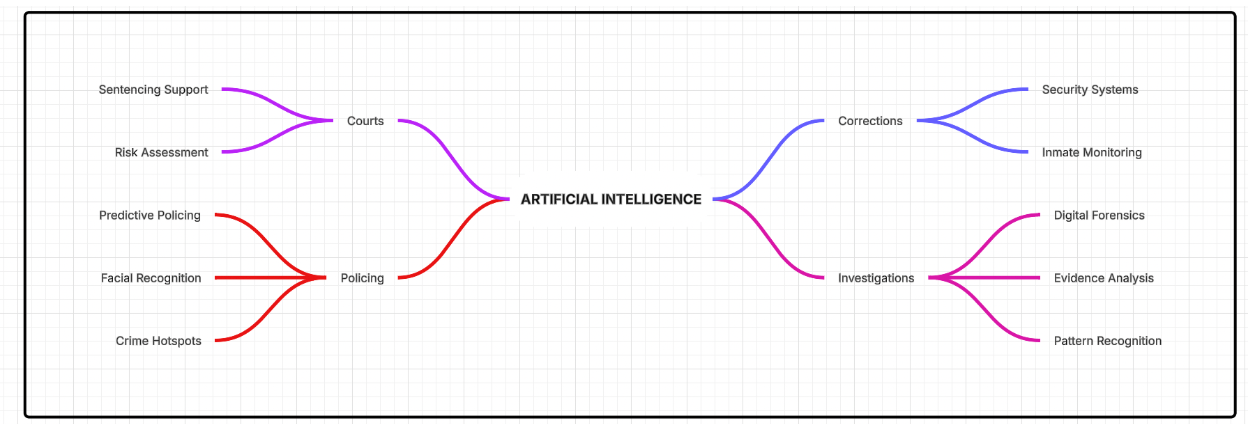
Figure 1: Applications of Artificial Intelligence in Criminal Justice. Source: Created by Chloe Dykema (Author).
Artificial intelligence is currently used throughout the criminal justice system, including policing, courts, investigations, and corrections. Common applications include predictive policing, facial recognition, risk assessment, digital forensics, evidence analysis, and inmate monitoring.
Benefits of Artificial Intelligence
Supporters of AI argue that it can improve the effectiveness of criminal justice agencies in several important ways.
First, AI systems can analyze data significantly faster than humans. A 2025 study published in PLOS ONE found that AI technologies can help professionals process large amounts of information more efficiently and identify important patterns that may otherwise be overlooked. Second, AI may improve consistency in decision making. Ligeti argues that because AI systems rely on standardized processes, they may reduce some forms of inconsistency that can occur when human decision makers are influenced by fatigue, stress, or other external factors. Third, AI can help agencies allocate resources more effectively. Predictive tools can identify areas where additional attention may be needed, helping departments maximize limited personnel and funding. Lastly, AI has the potential to improve public safety by assisting professionals in identifying threats, detecting criminal activity, and responding more quickly to emerging problems. Researchers continue to explore how these technologies can strengthen criminal justice operations while supporting human decision makers.
Ethical Concerns and Challenges
The use of AI in criminal justice is controversial. One major concern is algorithmic bias. Researchers have raised concerns that some predictive policing and risk assessment systems may disproportionately affect certain communities. According to a study published in PLOS ONE, AI systems can unintentionally reproduce patterns found in historical criminal justice data, potentially leading to biased outcomes if safeguards are not in place.
Another challenge within AI in criminal justice is transparency. Researchers note that many AI systems operate as black boxes, meaning that even experts may struggle to fully explain how specific recommendations are generated. This lack of transparency can make it difficult for defendants, attorneys, and judges to evaluate whether a decision is fair.
Privacy concerns have also emerged as agencies increasingly rely on surveillance technologies and data collection. The growing use of facial recognition systems, social media monitoring, and large scale data analysis has sparked debates about civil liberties and the protection of personal information.
Accountability is still one of the most significant concerns. Researchers studying AI and justice consistently emphasize that human oversight must remain a central component of any AI assisted decision making process. Borgesano and his colleagues argue that AI should support human decision makers rather than replace them entirely.
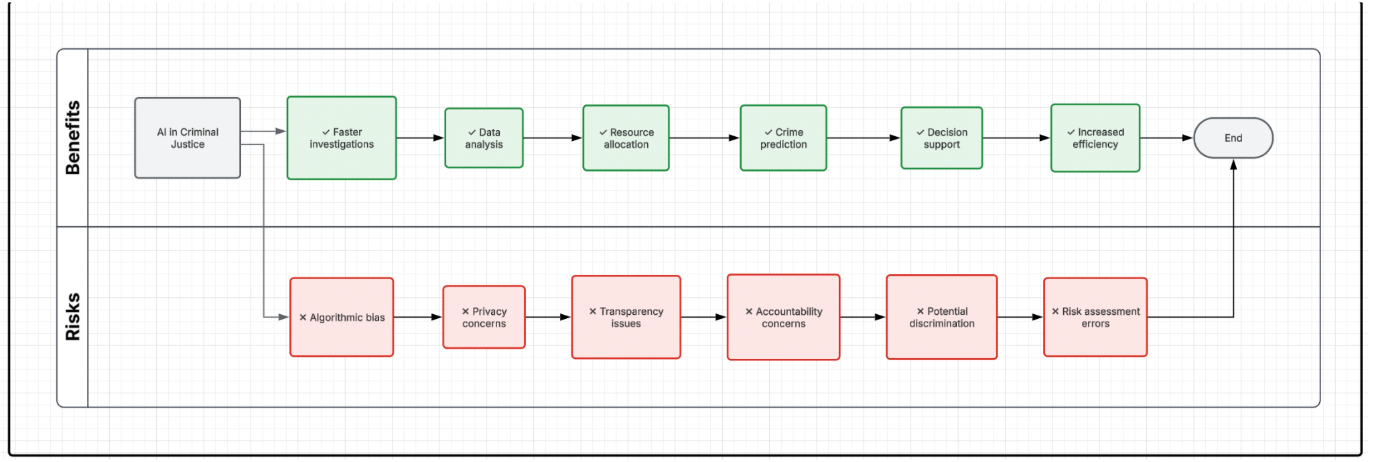
Figure 2. Benefits and Risks of Artificial Intelligence in Criminal Justice. Source: Created by Chloe Dykema (Author).
The Future of AI in Criminal Justice
The role of AI in criminal justice will continue to grow over the upcoming decades. Researchers continue to discuss the concept of human machine collaboration, where AI provides recommendations and human professionals maintain final decision making authority. Borgesano and his colleagues describe this approach as a human machine combination model that seeks to combine the speed and analytical power of AI with the ethical reasoning and discretion of human professionals. This approach attempts to capture the strengths of both humans and technology while reducing the weaknesses of each.
Some scholars have also explored the possibility of AI assisted judicial systems, sometimes referred to as the Robot Judge concept. Borgesano and his colleagues discuss how advanced AI systems could play a larger role in legal decision making, while legal commentator Christopher Jordan expresses how future courts may increasingly rely on AI generated analyses and recommendations. Both sources emphasize that human judgment remains essential because legal decisions involve ethical reasoning, contextual understanding, and discretion that extend beyond data analysis alone.
The growing use of AI has already created discussions about regulation. In 2025, legal journalist Bob Ambrogi reported on new guidelines developed by the American Bar Association to encourage responsible AI use in state and federal courts. This demonstrated the increasing recognition that transparency, accountability, and fairness must remain priorities as AI becomes more integrated into criminal justice systems.
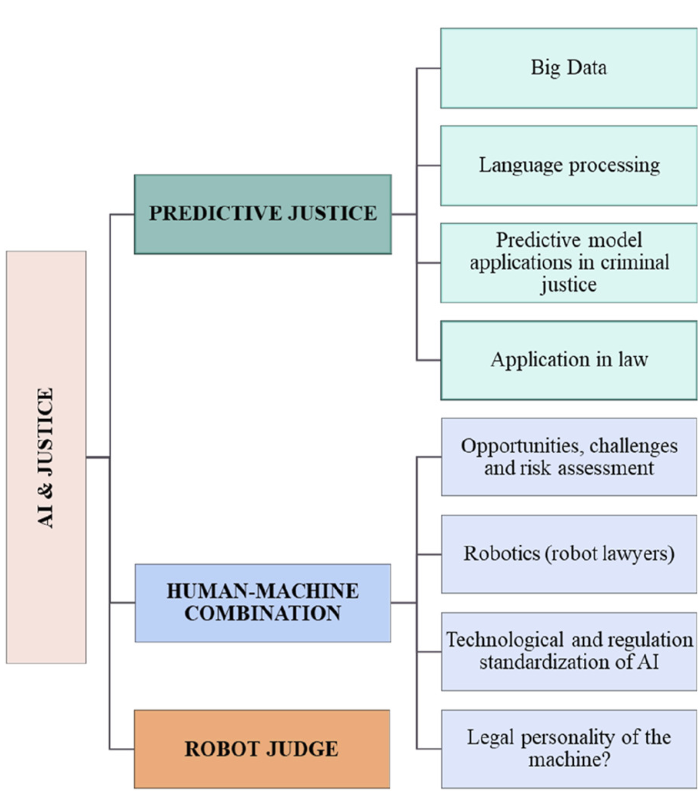
Figure 3: AI and Justice Framework. Source: Borgesano (2025) Artificial Intelligence and Justice: A Systematic Literature Review and Future Research Perspectives on Justice 5.0.
Why This Matters for Future Criminal Justice Professionals
For students who are pursuing careers in criminal justice, understanding AI is becoming increasingly important. Future law enforcement officers, investigators, analysts, attorneys, and federal agents will more than likely work with AI technologies throughout their careers. The most significant lesson is that technology alone cannot solve every problem. Successful criminal justice professionals must understand both the capabilities and limitations of AI. They must be prepared to evaluate information critically, recognize potential biases, and ensure that technological tools are used ethically and responsibly. Continuous learning will also be essential. As technology evolves, professionals must stay informed about new developments, emerging challenges, and best practices. The rapid growth of AI throughout criminal justice systems demonstrates the importance of ongoing education and professional development.
The future of criminal justice will likely involve collaboration between humans and intelligent technologies rather than the replacement of human professionals. As many researchers have concluded, AI should support justice, not replace human judgment. By maintaining strong ethical standards and human oversight, criminal justice agencies can use artificial intelligence to enhance public safety while preserving fairness, transparency, and public trust.
References
Ambrogi, B. (2025, February 27). ABA Working Group publishes guidelines for responsible AI use by state and federal courts. LawSites. https://www.lawnext.com/2025/02/aba-working-group-publishes-guidelines-for-responsible-ai-use-by-state-and-federal-courts.html
Borgesano, M., et al. (2025). Artificial Intelligence and Justice: Frameworks for Human-Machine Collaboration.
Jordan, C. (2024, May 18). The Supreme Court of 2035: Humanity on Trial by AI. Medium. https://medium.com/@blocksecureLegal/the-supreme-court-of-2035-humanity-on-trial-by-ai-650743bf8c8d
Ligeti, K. (2019). Artificial Intelligence and Criminal Justice. AIDP-IAPL Congress Proceedings.
Pacchioni, C., et al. (2025). Artificial Intelligence in Criminal Justice: Opportunities and Risks. PLOS ONE, 20(4), e0319793.
메타데이터
- post_id
- d3cb734edcac
- slug
- artificial-intelligence-in-criminal-justice-revolutionizing-justice-or-creating-new-risks-d3cb734edcac
- url
- https://medium.com/@chloedykema/artificial-intelligence-in-criminal-justice-revolutionizing-justice-or-creating-new-risks-d3cb734edcac
- canonical_url
- https://medium.com/@chloedykema/artificial-intelligence-in-criminal-justice-revolutionizing-justice-or-creating-new-risks-d3cb734edcac
- author_url
- https://medium.com/@chloedykema
- status
- ok
- fetched_at
- 2026-06-18 07:02:39




