Chicago Typewriter (2017) ~ How a Korean Drama Rewrote Korea’s Fight for Freedom
A Korean drama unlike any other, intertwining the true history of Korea’s revolutionary freedom fighters with a reincarnation mystery that…
Chicago Typewriter (2017) ~ How a Korean Drama Rewrote Korea’s Fight for Freedom
A Korean drama unlike any other, intertwining the true history of Korea’s revolutionary freedom fighters with a reincarnation mystery that echoes across lifetimes.
Memorable Quote: “The pen is mightier than the sword, so the typewriter is mightier than the gun.”
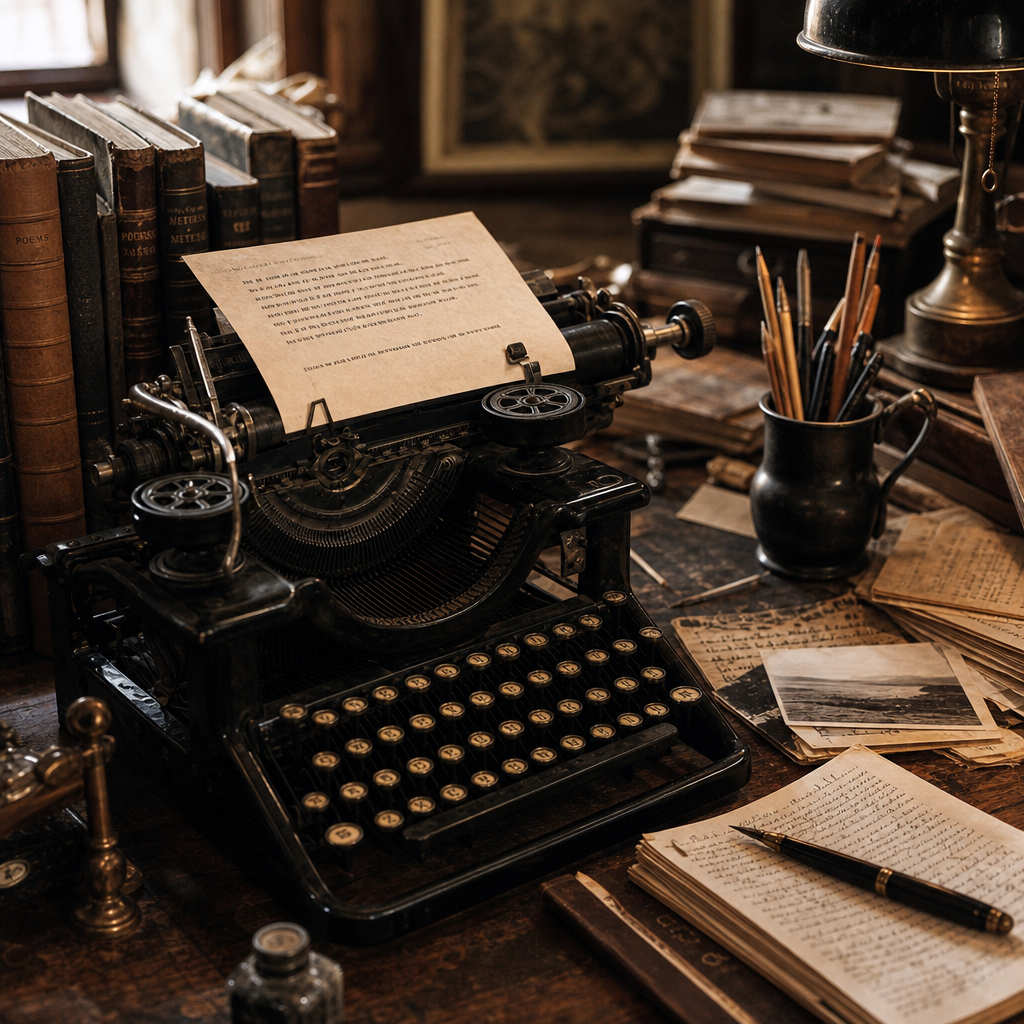
AI image created using free CoPilot tool
Awesome K-Drama to Binge Watch on a Rainy Day
“Chicago Typewriter” is a 2017 Korean drama series, categorized as fantasy (or supernatural), romance, and comedy. However, the story incorporates mystery and thriller elements as it spans across time, connecting three individuals in the modern day to their past lives. When you begin watching, it’s easy to get swept up in the reincarnation mystery, the ghostly humor, and the emotional slow burn between the characters. But beneath the fantasy lies a very real chapter of Korean history — one shaped by censorship, resistance, and the struggle to preserve one’s national identity under impossible, and extremely oppressive circumstances.
The Korean drama isn’t just telling a story about past lives. It’s telling a story about a past nation fighting to survive cultural erasure.
Once you understand the historical backdrop, the show becomes far more than a supernatural romance. It becomes a tribute to the unconquerable souls known as the Korean Freedom Fighters.

AsianWiki.com
The Japanese Occupation: The Dark History Behind the Story
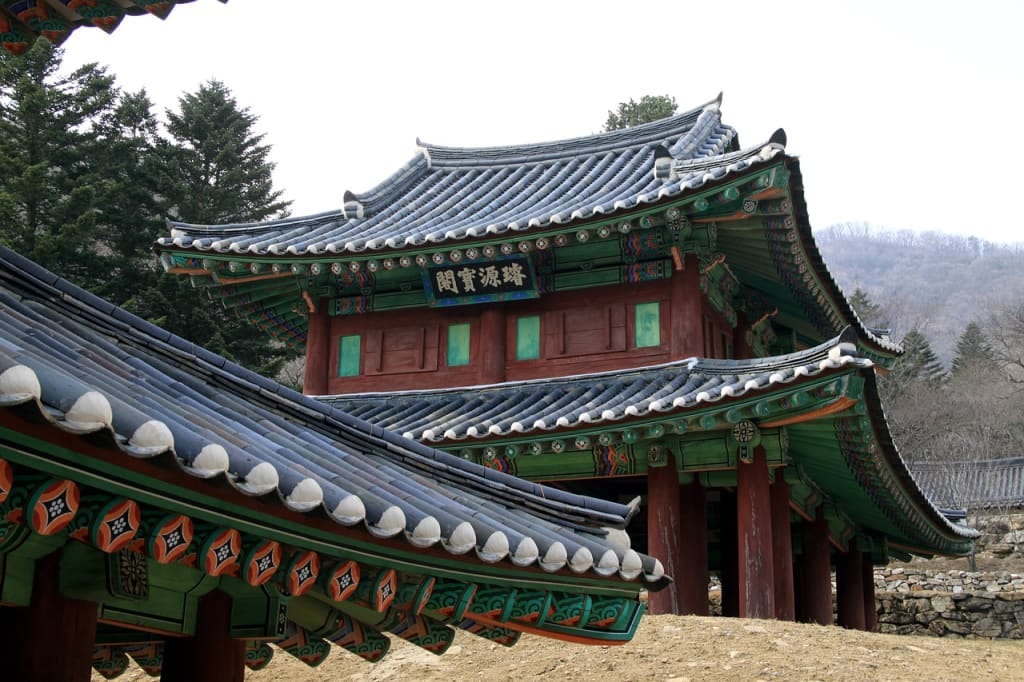
The past-life timeline in “Chicago Typewriter” unfolds during the Japanese occupation of Korea, a 35-year period, from 1910 to 1945, when the Korean people lived under strict colonial rule. During this time, the Korean language was banned in schools, newspapers were shut down, and writers, artists, and activists were imprisoned or executed for expressing national identity. Surveillance was constant, censorship was absolute, and even the smallest act of cultural preservation could be considered rebellion. This is the world where the K-drama’s heroic trio’s past selves lived, wrote, fought, and ultimately died. This cruel world wasn’t the backdrop — it was the battlefield.
Writers as Revolutionaries: Why the Typewriter Matters
During the 1930s, writing was not simply a creative act. It was an act of defiance. Korean writers used underground newspapers, coded stories, banned poetry, and secret printing presses to resist cultural erasure. They risked imprisonment or death to preserve their language and identity. This is why the drama centers on a typewriter — not as a quirky aesthetic choice, but as a symbol of truth, memory, and resistance. The typewriter becomes the weapon the characters wield when guns and protests are not enough. It represents the belief that stories can outlive oppression, and that words can be more dangerous and more powerful than bullets.
MEET the Heroic Trio: Fictional Characters, Real History
Although the characters are fictional, their roles mirror real groups from the Korean independence movement.
Han Se-Joo (played by Yoo Ah-In)
- Han Se‑Joo’s past self reflects the student activists who organized protests, distributed banned literature, and were often targeted first by colonial authorities. He is reincarnated as a bestselling writer who’s suffering from a serious case of writer’s block. No creativity, no muse … no nothing! But he refuses to use a ghostwriter.
Jeon Seol (played by Lim Soo-Jung)
- Jeon Seol’s past‑life identity echoes the female independence fighters, who made enormous contributions, but are often erased from historical records. She is reincarnated as a loyal fan/anti-fan of the bestselling writer.
Yoo Jin-Oh (played by Ko Kyoung-Pyo)
- Yoo Jin‑oh represents the intellectual resistance — the writers and artists who risked everything to keep Korean culture alive. He is reincarnated into a mysterious ghostwriter who came from … ???
Their fictional story is built from the real sacrifices of thousands who fought for freedom in ways both loud and quiet, i.e., weapons and words.
The 1930s Resistance Movements: What the K-Drama Gets Right
The show draws heavily from real historical elements of the resistance movement. Secret reading rooms, underground printing presses, coded messages, and banned books were all part of daily life for activists. Student-led resistance cells operated in the shadows, constantly threatened by informants and betrayal. The emotional weight you feel in the flashbacks — the tension, the fear, the urgency — isn’t just drama. It’s history. The series captures the atmosphere of a time when trust was fragile, loyalty was dangerous, and every act of expression carried enormous risk.
[ SIDE NOTE: There were many types of resistance fighters: The Righteous Army (Uibyeong), The Korean Independence Army, The Korean Liberation Army, and finally, underground writers, activists, and intellectuals. The characters in “Chicago Typewriter” are inspired by writers and intellectuals who resisted through literature, journalism, and underground publications. Their “weapons” were their “words”.]
The Tragedy of Betrayal: A Common Fate in Many Resistance Movements
One of the most painful threads in “Chicago Typewriter” is the betrayal within the trio’s activist circle. The storyline reflects a harsh reality of resistance movements during the occupation. Groups were frequently infiltrated, activists were forced to betray comrades under torture, and even the most loyal fighters could be turned into unwilling informants. The K-drama doesn’t sensationalize this. Instead, it humanizes the emotional devastation that betrayal leaves behind — guilt, grief, and the haunting sense of unfinished business that follows the characters into their next lives.
Why This Historical Layer Makes the “Chicago Typewriter” Storyline So Unique
Many K-dramas set in the occupation era focus on espionage, romance, or melodrama. “Chicago Typewriter” takes a quieter, more introspective approach. It focuses on writers, memory, guilt, and the emotional cost of resistance. The reincarnation theme becomes a metaphor for generational trauma — the idea that the past shapes the present in ways we don’t always understand. The characters don’t just remember their past lives. They remember their nation’s past wounds. That’s why the flashbacks feel sharper, heavier, and more vivid than the present‑day scenes. They’re not just memories. They are echoes of real history.
Viewership and Rating:
- IMDb: 8.2 out of 10 stars
- MyDramaList: 8.6 out of 10 stars
My personal rating is 9 out of 10 stars.
Watch Trailer: Yuliia Tarasenko. “Chicago Typewriter.” YouTube, 22 Jun. 2018, https://www.youtube.com/watch?v=aSMcgLWQmCs.
**Watch Free with Ads on Tubi TV**
♦ MY Conclusion: “Chicago Typewriter” is NOT Just the Past in Flashbacks
“Chicago Typewriter” breaks away from the usual reincarnation‑romance formula found in many Korean dramas. Instead of relying on constant flashbacks, it unfolds like a love letter-an homage to the real individuals who once fought with words when weapons failed them.
This Korean drama reminds us that stories can be acts of rebellion, that memory itself is a form of resistance, and that words live on, long after oppression tries to silence them.
“Chicago Typewriter” is far more than a reincarnation of a love triangle (the ever-so-familiar K-drama trope). The historical backdrop transforms the series into an inspiring tribute and testament to a nation determined to never forget who they are.
For me, as an American, it gave the phrase “We the People” a whole new meaning.
- venomishere22. “The 10 Best Historical K-Dramas Set During The Japanese Occupation.” YouTube, 27 Jan. 2025, https://www.youtube.com/watch?v=FkRZAH5mkyA.
[embed]“The 10 Best Historical K-Dramas Set During The Japanese Occupation.” YouTube
♦♦ Thanks for reading.
Similar Korean Dramas You Might Also Like:
- Mr Sunshine (2018) | Korean Historical Period Dramas
- Phantom (2023) | It’s Hard to Aim a Weapon at a Ghost
- The Vertex — A Story About a Warrior-Poet’s Pain
Originally published at Vocal.Media.
메타데이터
- post_id
- d3f6c2c39e2a
- slug
- chicago-typewriter-2017-how-a-korean-drama-rewrote-koreas-fight-for-freedom-d3f6c2c39e2a
- url
- https://medium.com/illuminations-mirror/chicago-typewriter-2017-how-a-korean-drama-rewrote-koreas-fight-for-freedom-d3f6c2c39e2a
- canonical_url
- https://medium.com/illuminations-mirror/chicago-typewriter-2017-how-a-korean-drama-rewrote-koreas-fight-for-freedom-d3f6c2c39e2a
- author_url
- https://medium.com/@cmoneyspinner
- status
- ok
- fetched_at
- 2026-06-21 15:33:18