How to Use a Generator During a Power Outage
When storms hit or the power grid becomes overloaded, outages can happen without warning and interrupt your routine. A portable generator —…
How to Use a Generator During a Power Outage
When storms hit or the power grid becomes overloaded, outages can happen without warning and interrupt your routine. A portable generator — whether gas, propane, or solar — can keep essential appliances running and help you stay comfortable. Still, knowing how to operate a generator safely during a blackout is crucial, especially if you’re using one that relies on fuel.
Gas and propane generators require extra caution because they release harmful fumes that can pose serious health risks. In contrast, solar battery backup systems, such as Jackery Solar Generators, offer a clean, reliable alternative. They can power key household devices like refrigerators, televisions, lights, and fans without producing toxic emissions. Their portability also makes it easy to move them around your home to energize different rooms as needed.
How to Use a Generator During a Power Outage: Step-by-Step Guide
Severe storms can trigger both short and long-term power failures, and a generator can keep important appliances running during these interruptions. Below is a clear step-by-step process for using a generator safely during a power outage.
Step 1: Set Up Your Generator
If you’re using a gas or propane generator, begin by checking the oil level and ensuring you’re using fresh fuel. Avoid storing fuel inside the unit for longer than a few months. Before turning anything on, make sure all loads are unplugged.
Step 2: Start Your Generator
Turn on the fuel valve to allow fuel to flow into the carburetor. If needed, use the choke to help the engine start. Switch on the ignition so the spark plug can activate, then press the starter button or pull the recoil cord. Let the engine warm up before connecting any appliances.
Step 3: Plug In Your Appliances
Connect your appliances directly to the generator or use a single, heavy-duty extension cord. Avoid linking multiple extension cords together. Never plug a generator into a household wall outlet — this dangerous practice, known as backfeeding, can cause electrocution.
Once power is restored, turn off the generator, disconnect all appliances and cords, and shut the fuel valve. Allow the unit to cool before storing it.
Generator Safety Tips (From the Washington State Department of Health and FEMA)
Avoid Overloading the Generator
Calculate the total wattage required for all appliances you plan to run at the same time. Your generator should provide more power than the combined running and starting watts of these devices. Overloading can damage both the generator and your appliances.
Never Use Fuel-Based Generators Indoors
Gas or propane generators must not be operated inside a home, garage, basement, or enclosed area — even with doors or windows open. Carbon monoxide can accumulate quickly, creating a deadly hazard. If you feel dizzy or sick while the generator is running, move to fresh air immediately. Installing battery-powered CO alarms adds an extra layer of safety.
Operate Gas or Propane Generators Outdoors
Place fuel-powered generators at least 20 feet away from your home, ensuring fumes cannot enter through doors, windows, or vents. Even at this distance, carbon monoxide can drift indoors, so a CO detector is strongly recommended.
Connect the Generator Correctly
Plug appliances directly into the generator whenever possible. If you want to power your home’s electrical system, hire a licensed electrician to install a transfer switch. Never attempt to energize house wiring by plugging the generator into an outlet.
Use and Store Fuel Safely
Turn off the generator and let it cool completely before refueling. Spilled gasoline on hot engine components can ignite. Store all fuel in approved containers and keep them outside your living spaces.
How to Use a Solar Generator During a Power Outage
Jackery offers high-efficiency solar generators, portable power stations, and solar panels designed for safe indoor use. A Jackery Solar Generator combines a Jackery Portable Power Station with Jackery SolarSaga Solar Panels to create a clean, reliable backup system.
The foldable solar panels capture sunlight and convert it into DC power, which is then stored in the portable power station. Its built-in pure sine wave inverter transforms this stored energy into AC electricity that can run household appliances for extended periods.
Because solar generators operate on clean, renewable energy and produce no toxic fumes, they are safe to use indoors — even in enclosed rooms — making them an excellent solution during outages.
Step 1: Place the Solar Panels Under Direct Sunlight
Unfold your Jackery SolarSaga Solar Panels and position them in direct sunlight. Angle the panels to ensure the monocrystalline silicon cells receive maximum exposure, allowing them to capture and convert as much solar energy as possible.
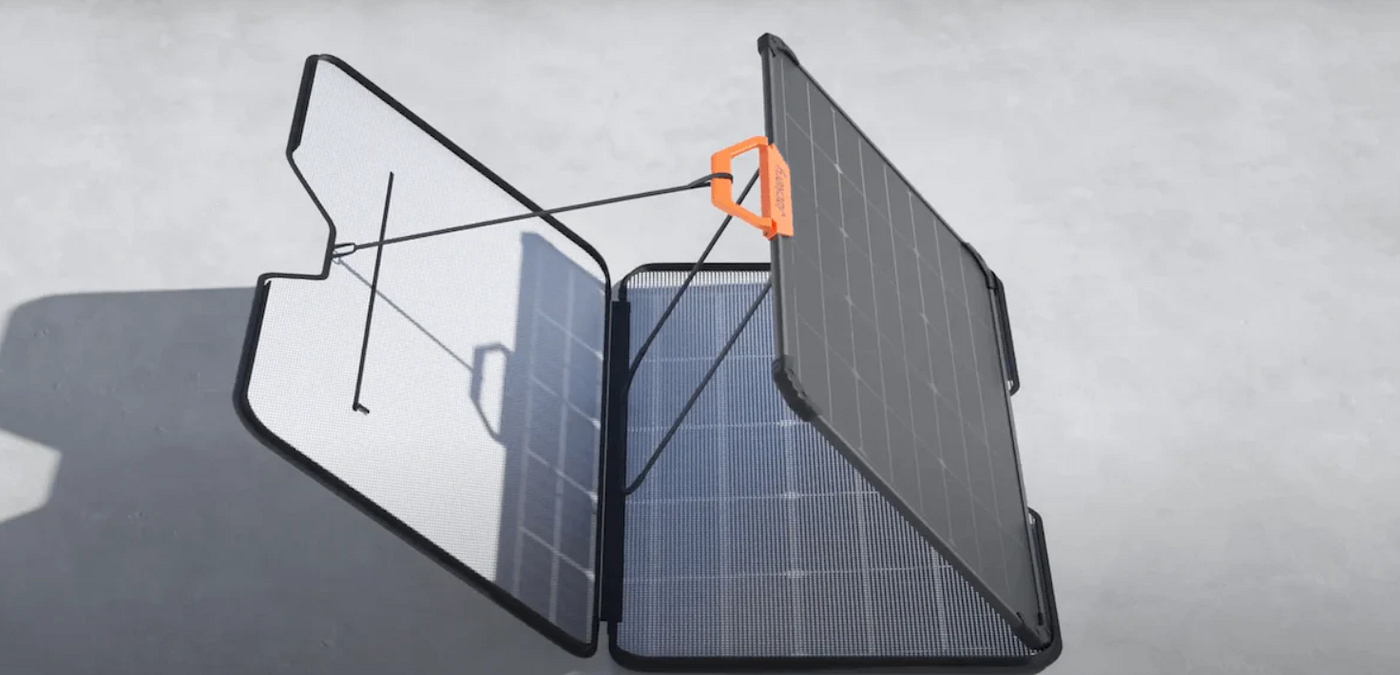
Step 2: Connect the Solar Panels to the Power Station
Use the provided solar cables to link your SolarSaga panels together if you’re using more than one. After they’re connected, insert the cable into the DC input port on the Jackery Portable Power Station. This will begin transferring solar energy into the power station for charging.

Step 3: Start Charging Your Appliances
That’s all! Once the power station is charged, simply plug your devices or appliances into the output ports of the Jackery Portable Power Station to keep them running during the outage.

Portable Generators for Power Outages
Jackery is a leading solar energy brand offering a range of whole-home battery backup solutions designed to keep you powered during unexpected outages. Unlike gas or propane generators, Jackery’s solar generators produce no harmful fumes, making them completely safe for indoor use.
They also operate at just 30dB, comparable to a quiet library and quieter than a typical refrigerator. This means you can run essential appliances — such as CPAP machines, refrigerators, lights, or fans — even during nighttime outages without noise or emissions.
Below are three recommended Jackery battery backup systems that offer reliable performance during power outages and blackouts.
- Expandable Power for Any Scenario: Scale from 4 kWh to 24 kWh to support everything from short outages to extended emergencies.
- Heavy-Duty Performance: Easily runs high-wattage appliances with up to 6000W of surge capability.
- Ultra-Fast Solar Charging: Features advanced IBC technology for dramatically faster and more efficient solar absorption.
- Expandable for Versatile Scenarios: 2–24 kWh of expandable capacity
- Leaping Performance: Powers Heavy-duty
- Get the all-new upgraded HomePower 3000 — Promotion offer available now ! Learn more !
- Large Capacity: 3024Wh that can power up to 99% of outdoor appliances
FAQs
Can you use a generator during a power outage? Yes. Both gas- and solar-powered generators can keep essential appliances running during an outage. Jackery offers a wide selection of solar battery systems that deliver clean, reliable backup power anytime you need it.
How long do generators last during a power outage? The runtime depends on the generator’s battery capacity and the wattage of the devices you’re powering.
For example, using a Jackery Solar Generator 3000 Pro to run a refrigerator (400W), a few lights (20W), and a CPAP machine (40W), the approximate runtime can be calculated as follows:
Working Hours = Battery Capacity (Wh) × 0.85 ÷ Total Appliance Wattage = 3024Wh × 0.85 ÷ 460W ≈ 5.5 hours
The 0.85 efficiency factor accounts for power loss during use.
Can generators run overnight? Yes. Solar generators can safely run overnight because they produce no fumes and are suitable for indoor use. If you’re using a gas or propane generator, ensure proper ventilation and follow all safety recommendations before operating it through the night.
Conclusion
Extended power outages often push homeowners to rely on portable generators to keep essential appliances running. But using a generator incorrectly can result in serious hazards, including fire, electric shock, or carbon monoxide poisoning. Understanding proper setup, operation, and safety procedures is essential for protecting both your home and your health.
By following the guidelines in this guide, you can operate your generator safely and confidently. If you’re considering a dependable whole-home battery backup, Jackery Solar Generators provide a portable, efficient, and fume-free solution available in multiple sizes for a wide range of needs.
How are you preparing for the next outage? Share your plans in the comments!
Affiliate Disclosure
Some of the links in this article may be affiliate links, meaning I may earn a small commission — at no extra cost to you — if you choose to make a purchase. I only recommend products I believe offer genuine value.
메타데이터
- post_id
- d40e61873cba
- slug
- how-to-use-a-generator-during-a-power-outage-d40e61873cba
- url
- https://medium.com/@volodymyrzh/how-to-use-a-generator-during-a-power-outage-d40e61873cba
- canonical_url
- https://medium.com/@volodymyrzh/how-to-use-a-generator-during-a-power-outage-d40e61873cba
- author_url
- https://medium.com/@volodymyrzh
- status
- ok
- fetched_at
- 2026-07-29 23:43:32