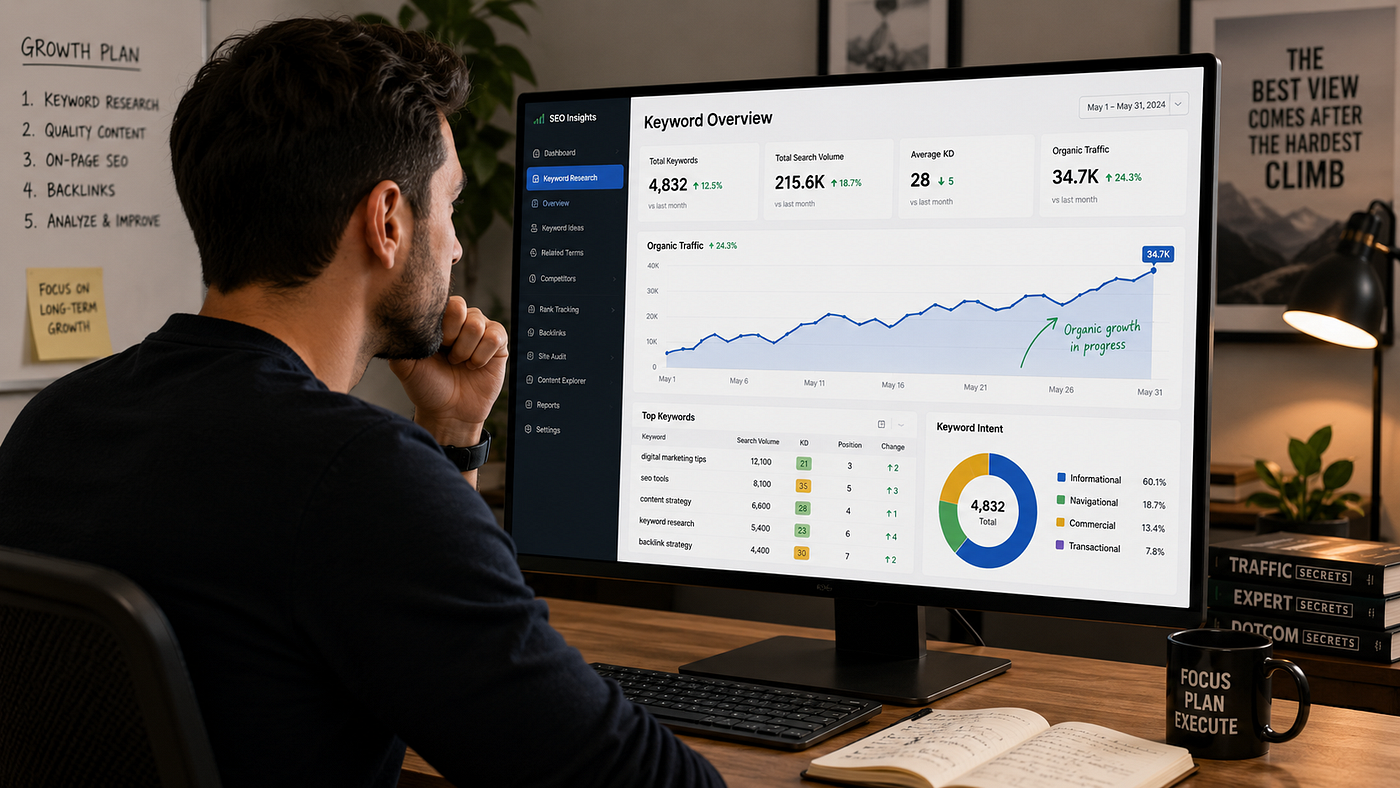
Ahref.com Internal Link: Advanced SEO Strategy for Better Rankings
Internal linking is one of the strongest yet most overlooked SEO techniques in digital marketing. Many website owners spend large amounts…
Ahref.com Internal Link: Advanced SEO Strategy for Better Rankings
Ahref.com Internal Link
Internal linking is one of the strongest yet most overlooked SEO techniques in digital marketing. Many website owners spend large amounts of time building backlinks, publishing content, and improving keyword rankings, but they often ignore the power of internal links. When users search for “ahref.com internal link,” they are usually looking for methods to optimize website structure using Ahrefs tools and improve rankings through strategic internal linking.
A properly planned internal linking structure helps search engines understand your website hierarchy, discover important pages, and distribute authority throughout the site. At the same time, it improves user experience by guiding visitors toward related information.
In this complete guide, we will explore how Ahrefs helps manage internal links, why internal linking matters, the best strategies for optimization, common errors, and advanced techniques to improve website performance.
What Does Internal Linking Mean?
Internal links are hyperlinks that connect one page of a website to another page within the same domain. Unlike backlinks from external websites, internal links are completely controlled by the website owner.
For example, if you publish a blog post about technical SEO and link it to another article about keyword research, that connection becomes an internal link.
Internal links can appear in several places, including:
- Blog articles
- Main navigation menus
- Footer sections
- Sidebar widgets
- Product pages
- Category pages
- Related post sections
Search engines use these links to crawl and understand your website structure. Strong internal linking helps Google identify which pages are most important.
Why Internal Linking Matters in SEO
Internal linking is critical because it improves both technical SEO and user engagement. Websites with poor internal structures often struggle with indexing problems and weak rankings.
Better Crawling and Indexing
Search engine bots discover pages through links. Internal links help Google crawl your website more efficiently.
Pages with no internal links are called orphan pages. These pages are difficult for search engines to find and often receive little organic traffic.
Passing Link Authority
Pages with strong backlinks usually have higher authority. Internal links allow you to pass some of that authority to other pages.
This process strengthens weaker pages and improves their ranking potential.
Improving User Navigation
Internal links help users discover relevant content. Visitors stay longer on websites that offer easy navigation and connected information.
Building Topical Relevance
When multiple articles about a similar topic connect together, search engines understand that your website has expertise in that niche.
This improves topical authority and increases ranking opportunities.
Ahrefs and Internal Link Optimization
Ahrefs is widely known for backlink analysis, but it also offers powerful internal link optimization features.
The platform helps website owners identify linking opportunities, crawl issues, broken pages, and weak content structures.
Important Ahrefs Features for Internal Linking
Ahrefs ToolMain PurposeSite AuditDetects internal SEO problemsInternal Backlinks ReportShows internal link distributionLink OpportunitiesSuggests relevant internal linksBroken Link CheckerFinds dead internal linksCrawl Depth ReportIdentifies deeply buried pagesAnchor Text AnalysisReviews internal anchor text
These tools help create a cleaner and more effective website structure.
How to Analyze Internal Links Using Ahrefs
Ahrefs provides a simple process for evaluating internal linking performance.
Step 1: Add Website to Ahrefs
Begin by adding your website to Ahrefs Site Audit.
The tool crawls your pages and generates detailed reports related to SEO health, links, performance, and technical issues.
Step 2: Open Internal Link Reports
Inside the Site Audit dashboard, Ahrefs provides internal backlink reports showing how pages connect with each other.
This section helps identify:
- Pages with weak internal links
- Overlinked pages
- Orphan pages
- Broken internal links
Step 3: Find Link Opportunities
Ahrefs automatically suggests contextual internal links between related articles.
For example, if your article mentions “content marketing,” Ahrefs may recommend linking it to another content marketing guide already published on your website.
Step 4: Improve Crawl Depth
Pages buried too deeply inside the site structure may not rank well.
Ahrefs helps identify pages requiring too many clicks from the homepage.
Important pages should ideally remain within three clicks from the homepage.
Best Internal Linking Practices
A successful internal linking strategy requires organization and relevance.
Use Contextual Links
Contextual links placed naturally inside paragraphs provide more SEO value than links placed in footers or sidebars.
Search engines treat contextual links as more meaningful because they relate directly to surrounding content.
Write Descriptive Anchor Text
Anchor text should clearly explain the destination page.
Good Example:
“Read this advanced guide on keyword research strategies.”
Poor Example:
“Click here.”
Descriptive anchors improve user experience and help search engines understand content topics.
Link to Relevant Content Only
Every internal link should connect pages with related subjects.
Irrelevant linking creates confusion for both users and search engines.
Prioritize Important Pages
Commercial pages, high-converting pages, and cornerstone articles should receive stronger internal linking support.
Update Older Content
Adding internal links to old blog posts is one of the easiest ways to improve SEO.
This strategy helps:
- Refresh older content
- Improve indexing
- Pass authority to new pages
- Increase engagementCommon Internal Linking Errors
Many websites fail to achieve strong SEO performance because of poor internal linking practices.
Broken Internal Links
Broken links lead users to error pages and negatively affect crawling efficiency.
Regular audits help identify and fix these issues.
Excessive Internal Links
Adding too many links on a single page dilutes authority and creates a poor reading experience.
Internal links should remain useful and relevant.
Orphan Pages
Pages without internal links often receive low traffic and weak visibility.
Every important page should connect to the website structure.
Repetitive Anchor Text
Using identical anchor text repeatedly can appear manipulative.
It is better to use natural variations.
Ignoring Site Structure
A confusing structure makes navigation difficult for users and search engines.
Websites should maintain a clean hierarchy.
Creating an Effective Website Structure
A logical structure improves both usability and SEO.
Most successful websites follow a pyramid structure.
LevelExampleHomepageMain entry pointCategory PagesSEO, Marketing, TechnologySubcategoriesTechnical SEO, On-Page SEOArticlesIndividual blog posts
This structure allows authority to flow naturally throughout the website.
Users can also find information more quickly.
Topic Clusters and Internal Linking
Topic clusters are a modern SEO strategy based heavily on internal linking.
A topic cluster consists of:
- One pillar page
- Multiple supporting articles
- Internal links connecting all related content
For example:
Pillar Page: Complete SEO Guide
Supporting Articles:
- Keyword Research
- Backlink Building
- Technical SEO
- On-Page SEO
- Internal Linking
Each article links back to the pillar page and to related supporting pages.
This structure strengthens topical authority and improves rankings.
Internal Linking for eCommerce Websites
eCommerce websites also benefit greatly from strong internal linking.
Product Recommendations
Related product sections help users discover additional products.
Category Linking
Products should connect properly to categories and subcategories.
Breadcrumb Navigation
Breadcrumbs improve navigation and create additional internal links.
Example:
Home > Electronics > Smartphones > Android Phones
Blog-to-Product Linking
Blog articles can drive authority and traffic toward commercial product pages.
Advanced Internal Linking Techniques
Experienced SEO professionals use advanced methods to maximize internal linking value.
Hub-and-Spoke Model
One main page acts as the hub while related articles function as spokes.
This model improves topical relevance.
Link Sculpting
SEO experts strategically direct authority toward high-priority pages.
Important pages receive more contextual links.
Dynamic Related Posts
Automatically generated related post sections improve engagement and crawling.
Silo Structure
Silo structures organize content into tightly related topic categories.
This method strengthens thematic relevance.
Measuring Internal Linking Performance
After implementing internal linking improvements, website owners should track SEO performance.
Important metrics include:
MetricPurposeOrganic TrafficMeasures SEO growthCrawl RateShows indexing activityBounce RateIndicates engagement qualityAverage Session DurationTracks user interactionKeyword RankingsMeasures visibility improvement
Google Search Console, Ahrefs, and Google Analytics provide valuable performance insights.
Benefits of Internal Linking Beyond SEO
Internal linking does more than improve search rankings.
It also:
- Improves website usability
- Increases page view
- Reduces bounce rates
- Supports content discovery
- Helps visitors explore related topics
- Encourages longer sessions
A well-linked website feels more organized and professional.
Future of Internal Linking in SEO
As search engines become smarter, website structure and contextual relevance continue to grow in importance.
Modern SEO focuses heavily on user experience, content relationships, and topical authority.
Internal linking will remain a critical ranking factor because it helps search engines understand:
- Website hierarchy
- Content relationships
- Important pages
- User navigation patterns
Websites with clean internal linking structures will continue to perform better in search results.
Conclusion
The concept behind “ahref.com internal link” is much more than simply connecting pages together. Internal linking is a strategic SEO process that improves crawling, distributes authority, strengthens topical relevance, and enhances user experience.
Ahrefs provides powerful tools for auditing internal links, finding opportunities, fixing broken pages, and optimizing overall website structure. By using contextual links, descriptive anchor text, topic clusters, and organized site hierarchies, website owners can significantly improve SEO performance.
Whether you run a blog, business website, affiliate site, or eCommerce platform, strong internal linking helps search engines better understand your content while guiding users toward valuable information.
When combined with high-quality content and proper SEO practices, internal linking becomes one of the most effective methods for achieving long-term organic growth and higher search engine
메타데이터
- post_id
- d411cbb3fa1a
- slug
- ahref-com-internal-link-advanced-seo-strategy-for-better-rankings-d411cbb3fa1a
- url
- https://medium.com/@nimmi.gp838/ahref-com-internal-link-advanced-seo-strategy-for-better-rankings-d411cbb3fa1a
- canonical_url
- https://medium.com/@nimmi.gp838/ahref-com-internal-link-advanced-seo-strategy-for-better-rankings-d411cbb3fa1a
- author_url
- https://medium.com/@nimmi.gp838
- status
- ok
- fetched_at
- 2026-07-10 13:01:02