Graphic Design vs DTP
Graphic Design vs DTP
Both DTP and graphic design are processes used to bring creative things to life. DTP centers on creating things that would once have been traditionally published, including flyers, brochures, books, websites and more from a computer. Graphic design, on the other hand, is the name given to processes used to create graphics, from product packaging to website design to social network avatars and more.
Graphic design uses art and creative forces to combine shapes, colours, text, pictures, imagination, fashion and other images to produce new graphics and art, such as graphics, logos, illustration, concepts and design. It conjures up something new specifically for the client. The design is then used to create paper or web marketing material.
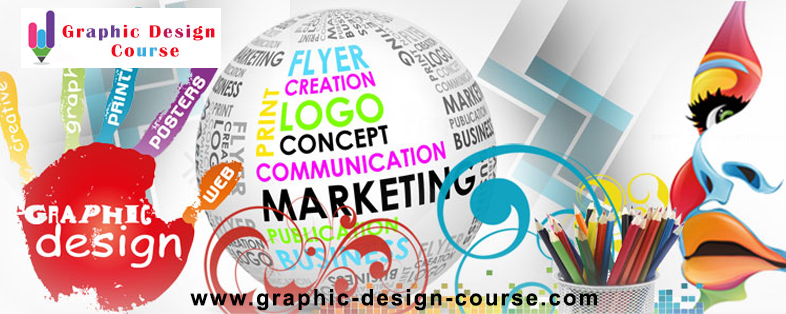
Whereas DTP takes the designed graphics, logos, illustrations and concepts to combine it with text, layout and other materials onto the page. Desktop publishers excel in arranging the material available in the most efficient, effective and attractive method ready for the printing process. It is mainly paper based, but other media can be used and explored, such as plastics, clothing or whatever.

Why The Confusion?
Graphic design and desktop publishing are often intertwined, in part because desktop publishing is an activity also used by those who do not have an art directors background. Not everyone who does desktop publishing does graphic design, but most graphic designers are involved in the tasks that desktop publishers partake in, which is the production side of design. Today’s graphic designers usually utilize desktop publishing software and techniques to achieve their or their clients’ goals. While it is true that designers can usually do their own desktop publishing, it is not true of the opposite. Desktop publishers are usually not designers.
Desktop Publishing Software Is a Common Denominator
Graphic designers use desktop publishing software and techniques to create the print materials they envision. The computer and desktop publishing software also aids in the creative process by allowing the designer to easily try out various page layouts, fonts, colors, and other elements.
Non-designers use desktop publishing software and techniques to create print projects for business or pleasure. The amount of creative design that goes into these projects varies greatly. The computer and desktop publishing software, along with professionally designed templates, allow consumers to construct and print the same types of projects as graphic designers, although the overall product may not be as well thought out, carefully crafted, or polished as the work of a professional designer.
- Graphic design is the process and art of combining text and graphics and communicating an effective message in the design of logos, graphics, brochures, newsletters, posters, signs, and any other type of visual communication.
- Desktop publishing is the process of using the computer and specific types of software to combine text and graphics to produce documents such as newsletters, brochures, and books.
The Merging of the Two Skills
Over the years, the skills of the two groups have grown closer together. The one distinction that still exists is that the graphic designer is the creative half of the equation. Now every step of the design and print process is heavily influenced by computers and the skill of the operators. Not everyone who does desktop publishing also does graphic design, but most graphic designers are involved in desktop publishing — the production side of design.
How Do I determine What I Need?
Originally, desktop publishing was considered a mechanical process and focused toward production, a lesser activity than graphic design. As important as any design process, it involves knowledge of a bigger picture; the art direction within a page layout design, pagination, production requirements, and all the technical aspects of page layout printing. But the graphic designers job also entails developing a unique process of coming up with original concepts and ideas. And as a graphic designer, they are required to invent a graphical interpretation tailored to the brand, visual and communication goals of the client.
Translation? If you want graphics that are unique and produced specifically for your brand, you need a graphic designer. And while graphic design is more expensive in some cases, it is proportionate to the complexity, experience and time involved in developing graphics and designs that are specifically tailored to your brand, and that truly wow your audience.
However, if you have already had a mediocre brand template created by a designer and simply need the mechanics of desktop publishing done to accomplish your brand goals, then a desktop publisher is in order. Knowing the difference between graphic design and desktop publishing will help provide you with the clarity of thought when approached by a situation regarding the services you need at the appropriate level of cost.
So the next time you are interviewing marketing service providers make sure to ask the question, “Are you a designer or a desktop publisher”. And if they don’t know the answer or the difference, chances are good that they are not designers.
Want to know more about Graphic Design and DTP Click on the link : Graphic Design Vs DTP Course in rohini
메타데이터
- post_id
- d43148f4ee1d
- slug
- graphic-design-vs-dtp-d43148f4ee1d
- url
- https://medium.com/@graphicdesigncourse.trulabz/graphic-design-vs-dtp-d43148f4ee1d
- canonical_url
- https://medium.com/@graphicdesigncourse.trulabz/graphic-design-vs-dtp-d43148f4ee1d
- author_url
- https://medium.com/@graphicdesigncourse.trulabz
- status
- ok
- fetched_at
- 2026-06-28 04:42:08