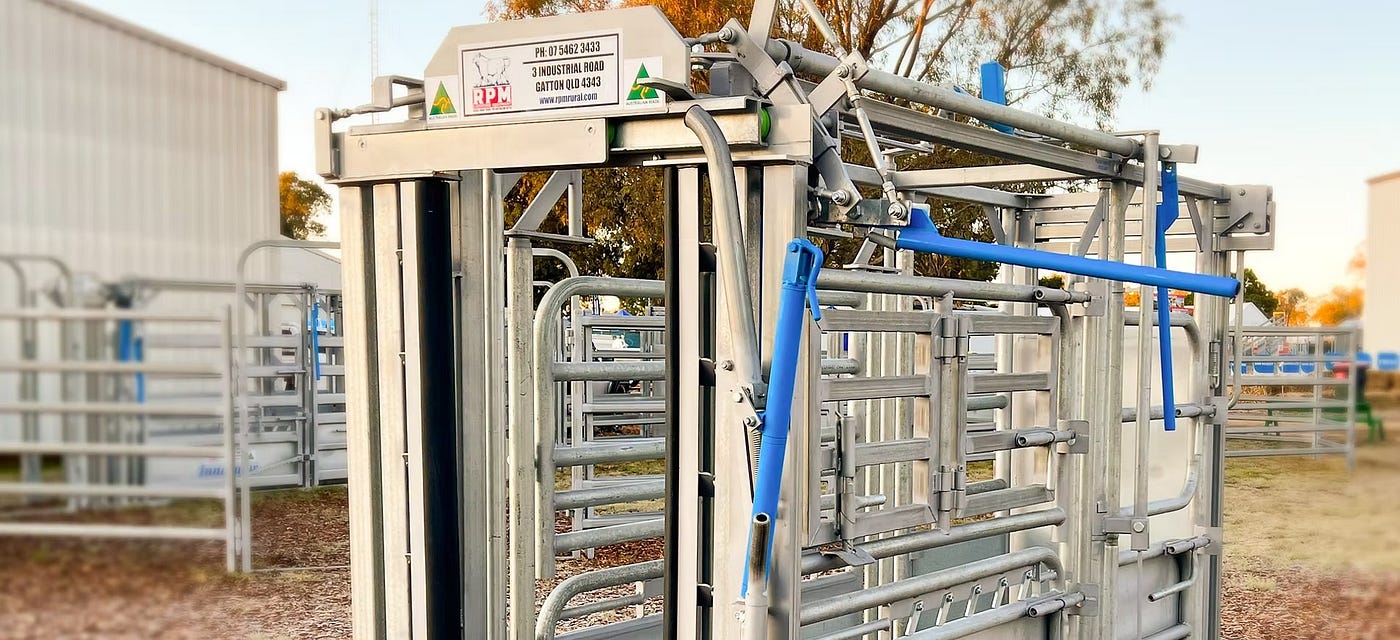
Choosing the Right Cattle Head Bail and Headlocks for Your Yard
If you’ve ever had a beast throw its head around mid-treatment, you already know why the right head bail and headlocks matter. A well-built…
Choosing the Right Cattle Head Bail and Headlocks for Your Yard
If you’ve ever had a beast throw its head around mid-treatment, you already know why the right head bail and headlocks matter. A well-built cattle head bail isn’t just about catching the animal — it’s about doing it fast, safely, and without stress on the beast or the operator standing next to it.
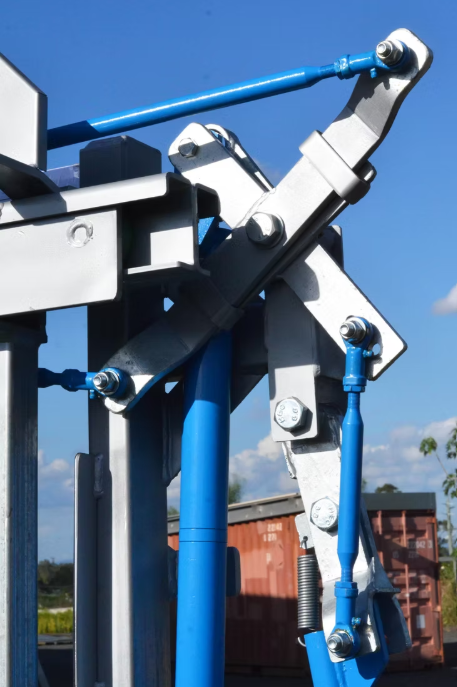
Here’s what to look for in cattle headlocks, how the different styles work, and which setup suits different jobs around the yard.
Why Your Head Bail Is the Most Important Part of the Crush
The head bail is where the real work happens. Every drenching, tagging, pregnancy test, and vet visit comes down to how quickly and securely you can restrain the animal’s head. A poorly designed or worn-out head bail leads to:
- Slower processing times (and more frustrated staff)
- Higher risk of injury to cattle and operators
- Bruising and stress that can affect animal welfare and even carcass quality
- More time spent wrestling with the crush instead of getting the job done
A quality cattle head bail should capture cleanly, hold securely under pressure, and release instantly when you need it to.
What to Look For in Headlocks and Head Bails
Before you buy, run through this checklist:
1. Locking mechanism Manual hydraulic locking systems allow infinite locking positions rather than fixed notches, so the bail grips firmly regardless of the animal’s size. A quick-release handle is a critical safety feature — the beast should be freed instantly under pressure, no fumbling.
2. Build quality Steel gauge and construction matter more than paint colour. Heavy-duty, locally made steel with greasable rose joint linkages will outlast lighter imported units, especially in a busy commercial yard.
3. Operator access Can you operate the bail from the side you actually need to? Nearside and offside operation options exist for a reason — match it to how your race and yard are laid out. A rear operation kit is also worth considering if you’re often working solo, since it lets one person open and close the bail without walking to the front of the crush.
4. Walk-through design A full walk-through headlock or head bail keeps cattle flowing rather than banking up in the race, which speeds up throughput on big processing days.
5. Purpose of the headlock Not all headlocks do the same job. This is where it pays to know the difference between styles.
Two Common Headlock Styles — And When to Use Each
Once cattle are caught in the head bail, a headlock adds extra restraint for head-specific treatment — think eye treatment, mouthing, or dehorning.
- Standard-arm headlocks use top and bottom restraining arms to stop the animal throwing its head up and down. A solid all-rounder for general head treatment, and most designs bolt onto a range of head bail styles, including older concertina-style bails.
- Scoop-style (mugger) headlocks use an adjustable scoop on the bottom arm to limit side-to-side head movement, with the top arm restricting upward movement. This makes them especially useful for close-up work on the eyes or mouth, where side-to-side motion is the main problem.
On better-designed systems, the bottom arm can be interchanged between the two styles, so one head bail can adapt to the job at hand rather than needing separate equipment for every task.
A Head Bail Built for Local Conditions
Cattle handling gear in Australia needs to cope with heat, dust, and constant use — not just look good on day one. Locally built equipment tends to hold up better because it’s engineered around the way Australian producers actually work, rather than adapted from an overseas design.
A well-specced cattle head bail setup should give you:
- A manual hydraulic locking system for quick, secure capture
- A quick and easy release, even under load
- Full walk-through capability to keep cattle moving
- The option to add rear operation for solo work
- Interchangeable headlock arms so one bail can handle multiple jobs
Getting the Most Out of Your Head Bail and Headlocks
A few practical tips once your equipment is installed:
- Grease regularly. Rose joint linkages and hydraulic components need routine maintenance to keep locking smooth and consistent.
- Match the headlock to the task. Swap arms for eye or mouth work versus general restraint.
- Train every operator on the release. In an emergency, seconds matter — everyone on the team should know exactly where the quick-release handle is and how it works.
- Check door style fits your handling needs. Straight rubber-lined doors and yoke-style doors suit different cattle types and yard layouts.
Final Thoughts
The right combination of head bails and headlocks turns cattle handling from a wrestling match into a routine job. Whether you need a straightforward, heavy-duty head bail for general capture or a dedicated headlock for close treatment work, matching the equipment to your yard, your team, and your cattle makes every processing day faster and safer.
메타데이터
- post_id
- d438eaf40c29
- slug
- choosing-the-right-cattle-head-bail-and-headlocks-for-your-yard-d438eaf40c29
- url
- https://medium.com/@rpmlivestockequipments/choosing-the-right-cattle-head-bail-and-headlocks-for-your-yard-d438eaf40c29
- canonical_url
- https://medium.com/@rpmlivestockequipments/choosing-the-right-cattle-head-bail-and-headlocks-for-your-yard-d438eaf40c29
- author_url
- https://medium.com/@rpmlivestockequipments
- status
- ok
- fetched_at
- 2026-07-19 03:45:06