Want to learn more about the unsung heroes of machinery — oil seals?
🧐Want to learn more about the unsung heroes of machinery — oil seals? Our latest blog post delves into the crucial role, structure, and…
Oil Seal Function Analysis and Maintenance Guide
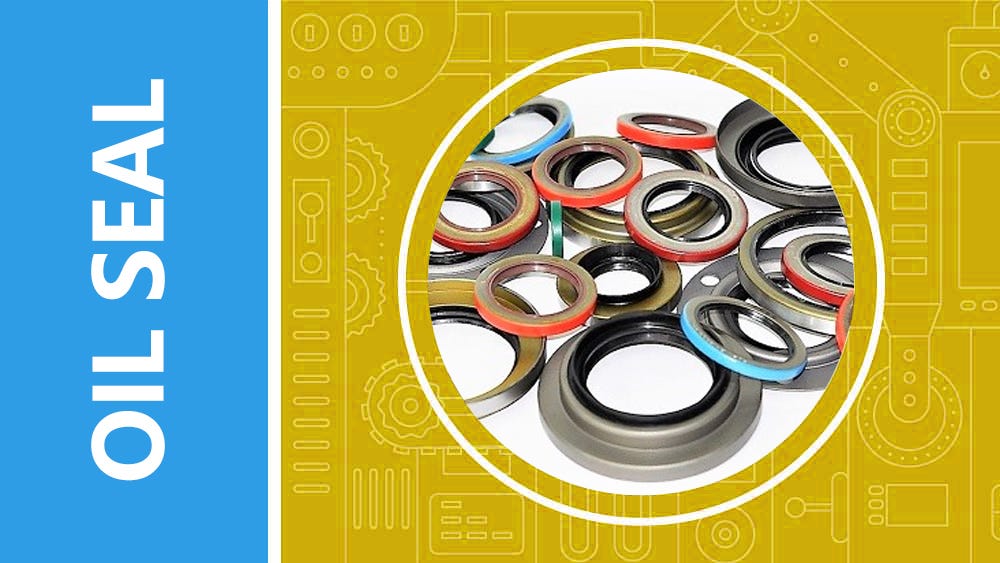
Oil seals, also known as shaft seals or rotary seals, are critical components widely used in automotive, industrial machinery, hydraulic systems, and aerospace equipment. Their core function is to prevent the leakage of lubricants (such as oil, grease) from the internal cavity of equipment while blocking the intrusion of external contaminants (like dust, moisture, metal debris), thereby protecting rotating shafts, bearings, and other key components, extending equipment service life, and ensuring stable operation. This article comprehensively analyzes the function, working principle, common failure modes of oil seals, and provides a detailed maintenance guide to help engineering and maintenance personnel better understand and manage oil seal components.
1. Overview of Oil Seals
1.Definition and Classification
An oil seal is a dynamic sealing component that forms a tight fit between a stationary housing and a rotating shaft. It relies on the elastic deformation of the sealing lip and the preload of the garter spring to maintain contact with the shaft surface, achieving the dual effect of sealing lubricants and isolating contaminants. According to different structural designs and application scenarios, oil seals can be classified into the following common types:
- Single-lip oil seals: Equipped with one elastomeric sealing lip, mainly used in standard sealing scenarios with low contamination risk, featuring a simple structure, cost-effectiveness, and low friction under normal conditions. They are widely applied in automotive engines, gearboxes, and general industrial machinery.
- Double-lip oil seals: With two sealing lips — one facing inward to retain lubricants and the other outward to block external contaminants. They offer superior contamination protection, making them suitable for harsh environments such as mining equipment, agricultural machinery, and off-road vehicles.
- Spring-loaded oil seals: Incorporate a garter spring embedded in the inner lip to maintain consistent radial pressure on the shaft, even under vibration or shaft misalignment. They excel in dynamic sealing scenarios and are widely used in aerospace systems, hydraulic equipment, and high-performance engines.
- Floating oil seals: Designed for high-speed rotation, where the sealing lip “floats” on a thin film of oil to minimize friction and heat buildup. They are ideal for centrifugal pumps, food processing equipment, and other high-speed continuous-duty applications.
- **V-ring seals:** A versatile type with a V-shaped elastomeric ring, capable of sealing both stationary and rotating components. They are effective in preventing contamination and are commonly used in heavy-duty applications.
2.Core Structural Components
Regardless of the type, most oil seals consist of four core components, each playing a crucial role in ensuring sealing performance:
- Sealing lip: The most critical component, usually made of elastomeric materials (such as NBR, FKM, silicone). It is in direct contact with the rotating shaft, and its elastic deformation forms a tight sealing interface. The lip edge is often designed with a micro-groove structure to enhance lubrication and reduce friction.
- Garter spring: A metal spring wrapped around the inner side of the sealing lip, providing constant radial preload to ensure the lip maintains close contact with the shaft surface, even when the shaft wears or vibrates. It is essential for maintaining sealing stability under dynamic conditions.
- Outer casing (shell): Typically made of metal or reinforced rubber, providing structural support for the oil seal and ensuring it is firmly installed in the housing bore. The metal casing also protects the internal sealing elements from external mechanical damage.
- Dust lip (optional): An auxiliary lip located outside the main sealing lip, mainly used to block dust, moisture, and other contaminants from entering the main sealing area, reducing wear of the main lip and extending the oil seal’s service life.
2. Function Analysis of Oil Seals

The functions of oil seals are not limited to simple “oil retention and dust prevention”; they also play a key role in ensuring the normal operation of the entire equipment system. Their core functions can be divided into the following four aspects, which are mutually complementary and indispensable.
1.Core Function 1: Prevent Lubricant Leakage
Lubricants (oil, grease) are essential for reducing friction and wear between rotating shafts and bearings. Oil seals form a dynamic sealing barrier between the stationary housing and the rotating shaft, preventing lubricants from leaking from the internal cavity to the external environment. This function is particularly critical in high-pressure and high-speed equipment:
- In hydraulic systems, oil seals prevent hydraulic oil leakage, ensuring the system maintains stable pressure and transmission efficiency. Leakage not only wastes lubricants but also reduces the system’s working performance and may cause environmental pollution.
- In automotive engines, oil seals (such as crankshaft oil seals, camshaft oil seals) prevent engine oil from leaking into the cylinder or external environment, avoiding engine overheating, insufficient lubrication, and damage to spark plugs and other components.
- The sealing effect is achieved through the combined action of the sealing lip’s elastic deformation and the garter spring’s preload. When the shaft rotates, a thin lubricating film is formed between the lip and the shaft surface, which not only reduces friction but also enhances the sealing effect, preventing leakage under dynamic conditions.
2.Core Function 2: Block External Contaminants
External contaminants (dust, sand, metal debris, moisture) are one of the main causes of wear and damage to rotating shafts, bearings, and other components. The oil seal’s dust lip (or double-lip structure) acts as a first line of defense, blocking these contaminants from entering the internal cavity of the equipment:
- Dust and metal debris can cause scratches on the shaft surface and bearing raceways, reducing the service life of components and even leading to jamming of rotating parts.
- Moisture intrusion can cause rust and corrosion of metal components, and in hydraulic systems, it can emulsify hydraulic oil, reducing lubrication performance and causing component damage.
- For equipment working in harsh environments (such as construction machinery, mining equipment), double-lip oil seals or specialized dust-proof oil seals are often used to enhance contaminant isolation, ensuring the stability of internal components under harsh conditions.
3.Core Function 3: Maintain Lubrication System Stability
By preventing lubricant leakage and contaminant intrusion, oil seals help maintain the cleanliness and sufficient quantity of lubricants in the system, ensuring the lubrication system operates stably. This function is reflected in two aspects:
- Maintaining lubricant quantity: Avoiding lubricant loss ensures that rotating components (shafts, bearings) are always in a lubricated state, reducing friction and wear, and preventing component damage due to insufficient lubrication.
- Maintaining lubricant quality: Blocking contaminants from entering prevents lubricants from being contaminated and degraded, ensuring that the lubricant’s viscosity, lubricity, and anti-corrosion performance meet the requirements, extending the service life of the lubricant and reducing maintenance costs.
4.Core Function 4: Protect Component Service Life
The comprehensive effect of the above three functions ultimately achieves the goal of protecting the service life of key components. The rotating shaft and bearing are core components of equipment, with high manufacturing costs and difficult replacement. Oil seals, as low-cost protective components, play a “protective umbrella” role:
- Reducing wear: By maintaining effective lubrication and blocking contaminants, oil seals reduce direct friction between components and avoid abrasive wear caused by contaminants.
- Preventing corrosion: Blocking moisture and corrosive substances from entering prevents corrosion of metal components, extending their service life.
- Reducing maintenance frequency: A well-functioning oil seal can reduce the frequency of equipment disassembly and maintenance, lower maintenance costs, and improve equipment operational efficiency.
3. Key Factors Affecting Oil Seal Performance
The performance and service life of oil seals are affected by multiple factors, including material selection, structural design, installation quality, and operating conditions. Understanding these factors is crucial for optimizing oil seal application and maintenance.
1.Material Selection
The material of the sealing lip directly determines the oil seal’s resistance to temperature, oil, and wear. Common materials and their application scenarios are as follows:
Material:Nitrile Rubber (NBR)
Temperature Range:-30°C to +100°C
Oil Resistance:Excellent (petroleum-based oils, hydrocarbons)
Application Scenarios:Automotive engines, gearboxes, general industrial machinery (most common and cost-effective)
Material:Fluororubber (FKM/Viton)
Temperature Range:-20°C to +250°C
Oil Resistance:Excellent (corrosive oils, synthetic oils, chemicals)
Application Scenarios:High-temperature, high-pressure equipment, chemical processing, aerospace, turbochargers
Material:Silicone Rubber (VMQ)
Temperature Range:-50°C to +250°C
Oil Resistance:Good (not suitable for strong solvents)
Application Scenarios:Low-temperature or high-temperature environments, such as engine valve covers, electrical equipment
Material:Polyacrylate (ACM)
Temperature Range:-20°C to +150°C
Oil Resistance:Good (synthetic oils, ATF)
Application Scenarios:Automotive automatic transmissions, hydraulic systems
The selection of sealing lip material must be based on the equipment’s operating temperature, lubricant type, and environmental conditions. For example, high-temperature areas such as turbochargers should prioritize FKM oil seals, while low-temperature environments are suitable for silicone rubber oil seals. Using mismatched materials will lead to rapid aging, deformation, and failure of the oil seal.

2.Structural Design
The structural design of the oil seal (such as lip shape, spring specifications, and casing structure) directly affects its sealing performance and service life:
- Lip shape: The lip edge with a micro-groove design can enhance the lubricating effect, reduce friction and heat generation, and extend the service life. The angle of the lip also affects the preload distribution and sealing effect.
- Spring specifications: The spring’s elasticity and diameter determine the preload applied to the lip. Excessive preload will increase friction and wear, while insufficient preload will lead to poor sealing and leakage.
- Casing structure: The metal casing with a serrated or knurled outer surface can enhance the fit between the oil seal and the housing bore, preventing the oil seal from rotating or moving axially during operation.
3.Installation Quality
Improper installation is one of the most common causes of early oil seal failure. Key installation points include:
- Cleanliness: The shaft surface, housing bore, and oil seal itself must be clean, free of dust, metal debris, and burrs, to avoid scratching the sealing lip during installation.
- Lubrication: Before installation, apply a thin layer of compatible lubricant to the sealing lip and shaft surface to reduce friction during installation and prevent lip damage.
- Direction: The main sealing lip must face the lubricant side. Most oil seals are marked with a direction arrow or “OIL SIDE” to indicate the correct installation direction; incorrect direction will completely lose the sealing function.
- Installation force: Use a dedicated installation tool to press the oil seal evenly into the housing bore, avoiding uneven force or violent knocking, which will cause deformation of the casing, lip damage, or spring detachment.
4.Operating Conditions
The operating conditions of the equipment (temperature, pressure, speed, and environmental pollution) have a significant impact on the oil seal’s service life:
- Temperature: Exceeding the oil seal’s maximum temperature limit will cause the sealing lip material to age, harden, crack, or soften and deform, leading to leakage. Long-term operation at high temperatures will significantly shorten the oil seal’s service life.
- Pressure: The internal pressure of the equipment exceeds the oil seal’s rated pressure, which will push the sealing lip away from the shaft surface, causing leakage. Generally, the maximum pressure that ordinary oil seals can withstand is 0.05–0.1MPa; for high-pressure systems, special high-pressure oil seals or auxiliary sealing structures are required.
- Speed: Excessively high shaft rotation speed will increase the friction between the lip and the shaft surface, generating a lot of heat, accelerating lip wear, and even causing the lip to burn. The oil seal’s maximum allowable speed is related to the material and lip design.
- Environmental pollution: In dusty, humid, or corrosive environments, the oil seal is more likely to be contaminated and corroded, leading to accelerated wear and failure. In such environments, it is necessary to choose double-lip oil seals or add additional dust-proof devices.
4. Common Failure Modes and Root Cause Analysis
In practical applications, oil seals often fail due to various factors, leading to lubricant leakage, contaminant intrusion, and equipment failure. Understanding common failure modes and their root causes is the premise of effective maintenance. The following are the five most common failure modes of oil seals, along with detailed root cause analysis and solutions.
1.Failure Mode 1: Lubricant Leakage
Core phenomenon: Continuous oil seepage at the contact between the shaft and the lip, with dripping even after the equipment is shut down. This is the most common failure mode of oil seals.
Root causes:
- Incorrect material selection: The sealing lip material is incompatible with the lubricant or operating temperature, leading to material swelling, softening, or aging, and loss of sealing performance.
- Installation defects: Incorrect installation direction, insufficient lubrication during installation, or violent installation causing lip damage; the oil seal is not pressed in place, resulting in a gap between the casing and the housing bore.
- Abnormal operating conditions: The internal pressure of the equipment exceeds the rated pressure of the oil seal (e.g., blocked ventilation holes causing pressure buildup), or the shaft is eccentric or loose, leading to uneven contact between the lip and the shaft.
- Shaft surface damage: The shaft surface has scratches, rust, or excessive roughness (exceeding Ra0.2–0.8μm), which damages the sealing lip and causes leakage.
Solutions: Replace the oil seal with a material compatible with the lubricant and temperature; reinstall the oil seal correctly, ensuring the direction is correct, the surface is clean, and the installation force is even; check and clear the equipment ventilation holes to control internal pressure; repair or replace the damaged shaft (e.g., polish the shaft surface or install a shaft sleeve).
2.Failure Mode 2: Abnormal Wear
Core phenomenon: The sealing lip becomes thin quickly, the shaft neck has annular wear marks, and the service life is less than 1/3 of the design value.
Root causes:
- Unqualified shaft surface: The shaft surface roughness exceeds the standard, or there are scratches, rust, and other defects, which accelerate the wear of the sealing lip.
- Contaminant intrusion: Metal debris, dust, and other contaminants are brought in during installation or enter during operation, embedding into the lip and causing abrasive wear.
- Lack of lubrication: No lubricant is applied to the lip during installation, or the oil level in the equipment is too low, leading to dry friction between the lip and the shaft, resulting in rapid wear.
- Excessive preload: The spring preload is too large, increasing the friction between the lip and the shaft, accelerating wear.
Solutions: Ensure the shaft surface meets the roughness requirements (Ra0.2–0.8μm) and is free of defects; use oil seals with independent anti-pollution packaging, and keep the installation environment clean; apply compatible lubricant to the lip during installation and maintain the normal oil level of the equipment; replace the spring with appropriate preload or adjust the lip design.
3.Failure Mode 3: Lip Flanging/Spring Detachment
Core phenomenon: The sealing lip is turned outward, the contact with the shaft is poor, the spring is detached from the lip groove, and the preload is lost, resulting in complete loss of sealing function.
Root causes:
- Violent installation: No special installation tools are used, and hard knocking or prying causes lip deformation and spring ejection.
- Shaft end defects: The shaft end has no chamfer or the chamfer is sharp, which scratches the lip and causes flanging when the oil seal is pressed in.
- Improper storage: The pre-installed position of the spring is loose, and the spring shifts during transportation or storage, leading to detachment during installation or operation.
Solutions: Use a dedicated installation tool with a guide sleeve to apply uniform pressure (≤0.5MPa) during installation; ensure the shaft end has a smooth chamfer with roughness ≤Ra0.8μm; check the spring installation status before installation, and choose oil seals with optimized packaging and fixed structures.
4.Failure Mode 4: Operational Noise
Core phenomenon: A “squeaking” friction sound occurs during equipment operation, accompanied by local heating of the oil seal.
Root causes:
- Improper lubrication: The lubricant type is incompatible with the oil seal material (e.g., ordinary butter used for PTFE oil seals), or the lubricant dosage is insufficient, leading to dry friction or poor lubrication.
- Improper interference: Excessive interference causes excessive compression of the lip, increasing friction; insufficient interference leads to unstable sealing and vibration, generating noise.
- Oil seal skewing: The oil seal is not installed perpendicular to the shaft axis, resulting in uneven stress on the lip and uneven contact with the shaft, causing friction noise.
Solutions: Use lubricant compatible with the oil seal material (e.g., fluorinated lubricant for FKM oil seals) and ensure the correct lubricant dosage; select oil seals with appropriate interference according to the working conditions; use positioning and guiding installation tools to ensure the oil seal is installed vertically without skewing.
5.Failure Mode 5: Early Aging
Core phenomenon: The rubber of the sealing lip becomes hard, cracks, or swells, and the sealing performance drops sharply.
Root causes:
- Material incompatibility: The lip material is incompatible with the lubricant (e.g., NBR used for hydraulic oil containing extreme pressure additives), leading to material degradation.
- Temperature exceeding the limit: Long-term operation beyond the rated temperature range of the oil seal causes damage to the rubber molecular structure, leading to hardening, cracking, or swelling.
- Oil contamination: The lubricating oil has an excessive acid value (>0.5mgKOH/g) or excessive moisture (>0.03%), which accelerates the aging of the rubber material.
Solutions: Select lip material compatible with the lubricant and operating temperature; control the equipment operating temperature within the oil seal’s rated range; regularly monitor the oil quality, and replace the lubricant in a timely manner when contamination is found.
5. Oil Seal Maintenance Guide
Scientific maintenance is the key to extending the service life of oil seals, reducing equipment failure rates, and lowering maintenance costs. The maintenance of oil seals should follow the principle of “prevention first, timely treatment” and cover the entire process of selection, installation, operation monitoring, and replacement.
1.Pre-installation Maintenance (Selection and Inspection)
Pre-installation maintenance is the foundation to ensure the normal operation of oil seals, mainly including selection verification and pre-installation inspection.
- Selection verification: According to the equipment’s operating conditions (temperature, pressure, speed, lubricant type, environmental pollution), select the appropriate type and material of oil seal. Complete three core verifications: size verification (shaft diameter, bore diameter, thickness, accurate to ±0.05mm), working condition verification (medium type, temperature range, linear speed, internal cavity pressure), and material verification (strictly match the medium and temperature). Avoid “making do” with oil seals that do not meet the requirements.
- Pre-installation inspection: Before installation, check the oil seal for damage (such as lip scratches, deformation, spring detachment, casing damage); check the cleanliness of the oil seal surface, and avoid using oil seals with dust, oil stains, or damage. At the same time, check the shaft surface and housing bore: the shaft surface should be smooth, free of scratches, rust, and burrs, and the roughness should meet the requirements; the housing bore should be free of deformation, and the inner wall should be clean.
2.Installation Process Maintenance
Standardized installation is crucial to avoid early failure of oil seals. Follow the “cleanliness, lubrication, correct direction, and uniform force” principle, and the specific steps are as follows:
- Cleaning: Use a clean cloth or solvent to thoroughly clean the shaft surface, housing bore, and installation tool, removing oil stains, dust, metal debris, and burrs. Ensure no contaminants remain on the contact surface of the oil seal and the shaft/housing.
- Lubrication: Apply a thin layer of lubricant compatible with the equipment’s lubricant to the sealing lip, outer surface of the oil seal, and shaft end chamfer. This can reduce friction during installation, prevent lip damage, and facilitate the pressing of the oil seal.
- Direction confirmation: Confirm the installation direction of the oil seal. The main sealing lip must face the lubricant side. Most oil seals are marked with a direction arrow or “OIL SIDE” for identification; do not install in the wrong direction.
- Uniform pressing: Use a dedicated installation tool (such as an oil seal press) to align the oil seal with the housing bore, and press it evenly into the bore until it is flush with the reference surface. Do not use a hammer or other tools to knock directly, and avoid uneven force, which will cause deformation of the casing or lip.
- Post-installation inspection: After installation, manually rotate the shaft to check for jamming or abnormal friction; check whether the oil seal is installed in place, and whether the spring is firmly embedded in the lip groove.
3.In-operation Monitoring and Maintenance
During equipment operation, regular monitoring of the oil seal’s working status can detect potential failures in a timely manner and avoid serious equipment damage. Key monitoring points include:
- Leakage check: Regularly check the oil seal’s installation position for lubricant leakage. If slight seepage is found, observe it closely; if dripping occurs, stop the machine immediately for inspection and replace the oil seal if necessary.
- Temperature monitoring: Use a temperature measuring tool to check the temperature of the oil seal during operation. If the temperature is too high (exceeding the normal operating temperature by more than 10°C), it may indicate insufficient lubrication, excessive friction, or material mismatch, and timely inspection and handling are required.
- Noise monitoring: Listen for abnormal noises (such as squeaking, friction noise) during equipment operation. If abnormal noises are found, check whether the oil seal is skewed, insufficiently lubricated, or worn, and handle it in a timely manner.
- Environmental protection: For equipment working in dusty, humid, or corrosive environments, regularly clean the area around the oil seal, remove contaminants, and check the dust lip’s integrity. If necessary, add additional dust-proof devices to reduce contaminant intrusion.
- Lubricant management: Regularly check the equipment’s lubricant level, cleanliness, and quality. Replenish lubricant in a timely manner when the level is insufficient; replace the lubricant when it is contaminated or degraded to avoid accelerating oil seal aging and wear.
4.Regular Replacement and Post-replacement Maintenance
Oil seals are parts, and their service life is limited. Even if no obvious failure is found, regular replacement is required to avoid sudden failure. At the same time, standardized post-replacement maintenance is needed to ensure the sealing effect.
- Regular replacement cycle: The replacement cycle of oil seals varies according to the equipment type, operating conditions, and oil seal material. Generally, the replacement cycle for ordinary industrial machinery is 1–2 years; for high-temperature, high-pressure, or harsh environment equipment, the replacement cycle should be shortened to 6–12 months. For key equipment, a replacement plan should be formulated based on the equipment’s operation records.
- Standardized disassembly: When replacing the oil seal, use a dedicated oil seal puller to remove the old oil seal evenly and slowly, avoiding prying with a screwdriver or other tools to prevent scratching the shaft neck and housing bore. After disassembly, retain the old oil seal sample, mark the equipment model, operation time, and failure phenomenon, which is convenient for analyzing the failure root cause and optimizing the selection and maintenance plan.
- Post-replacement inspection: After replacing the new oil seal, follow the installation process to ensure correct installation. Then conduct a test run: first manually turn the shaft to check for jamming; then perform no-load test run for 30 minutes, observe for leakage and abnormal temperature; finally, perform load test run for 2–4 hours, monitor the oil seal’s working status, and confirm that there is no leakage, no abnormal noise, and normal temperature before putting it into formal operation.
- Record keeping: Establish an oil seal maintenance record, including the oil seal model, material, installation time, replacement time, operating hours, failure phenomenon, and handling measures. This is convenient for tracking the service life of the oil seal, optimizing the replacement cycle, and troubleshooting.
6. Conclusion
As a key component in mechanical equipment, oil seals play an irreplaceable role in preventing lubricant leakage, blocking contaminants, maintaining system stability, and protecting component service life. The performance and service life of oil seals are affected by multiple factors such as material selection, structural design, installation quality, and operating conditions. Common failures such as leakage, abnormal wear, and lip flanging are mostly caused by improper selection, installation, or maintenance.
To ensure the reliable operation of oil seals, it is necessary to follow the “selection, installation, monitoring, and replacement” full-process maintenance principle: select the appropriate type and material of oil seal according to the working conditions; strictly follow the standardized installation process to avoid installation defects; regularly monitor the oil seal’s working status during operation, and handle potential failures in a timely manner; formulate a regular replacement plan and do a good job in post-replacement inspection and record keeping.
Through scientific function analysis and standardized maintenance, the service life of oil seals can be effectively extended, the failure rate of equipment can be reduced, the maintenance cost can be lowered, and the stable and efficient operation of mechanical equipment can be ensured. For enterprises and maintenance personnel, mastering the function and maintenance skills of oil seals is of great significance for improving equipment management level and production efficiency.
메타데이터
- post_id
- d44b21f0bb57
- slug
- want-to-learn-more-about-the-unsung-heroes-of-machinery-oil-seals-d44b21f0bb57
- url
- https://medium.com/@autopartskoda/want-to-learn-more-about-the-unsung-heroes-of-machinery-oil-seals-d44b21f0bb57
- canonical_url
- https://medium.com/@autopartskoda/want-to-learn-more-about-the-unsung-heroes-of-machinery-oil-seals-d44b21f0bb57
- author_url
- https://medium.com/@autopartskoda
- status
- ok
- fetched_at
- 2026-06-21 12:17:11