How to Handle Awkward Moments Without Freezing or Saying the Wrong Thing
The secret to navigating uncomfortable situations confidently — and why most people overthink their reactions
Social Confidence for Student & Reluctant Writers
How to Handle Awkward Moments Without Freezing or Saying the Wrong Thing
The secret to navigating uncomfortable situations confidently — and why most people overthink their reactions
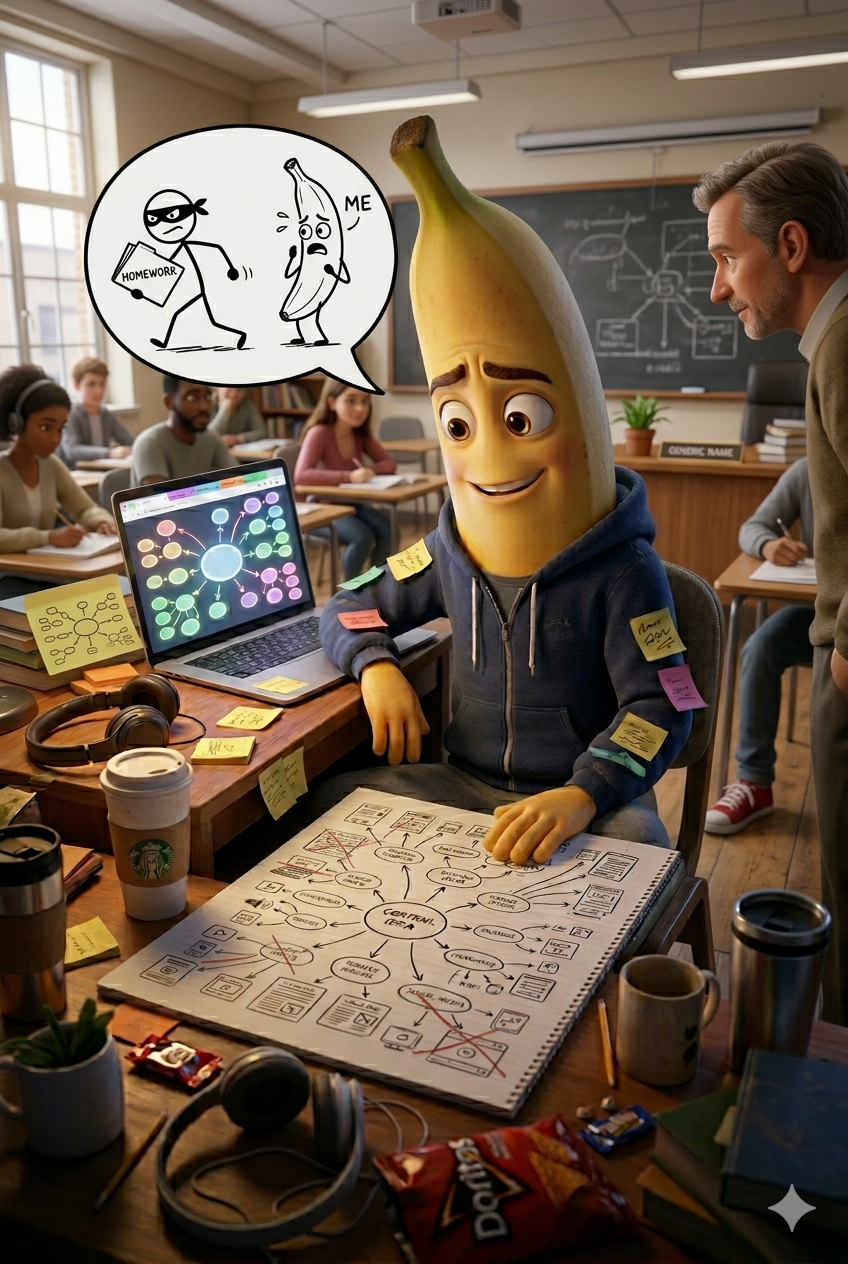
Most students freeze in awkward situations because they overthink their words. The ones who handle these moments well usually rely on simple strategies, preparation, and humor rather than trying to be perfect.
Awkward moments are inevitable — in class, at social events, in group projects, or even on Zoom calls. The key to handling them is preparation and confidence, not perfection. By having a few flexible strategies or “mental scripts,” students can navigate discomfort gracefully. You don’t need to be witty instantly; you just need simple, adaptable tools to respond without freezing.
In short: handling awkward situations well is a skill, and it can be practiced just like studying or writing.
Why Students Freeze in Awkward Situations
Many students interpret social discomfort as a personal failure. A misheard question in class, an unintended silence in a group discussion, or a joke that falls flat feels terrifying. The brain perceives these moments as threats, triggering stress responses: flushed face, racing thoughts, or complete paralysis.
At the same time, students often believe there is one “right” thing to say. That imagined pressure blocks creativity and natural responses. Overthinking amplifies awkwardness, making the situation feel worse than it is. Ironically, the more a student worries about saying the perfect thing, the more likely they are to say nothing or say something that feels worse in retrospect.
The Secret Strategy: Mental Scripts and Flexibility
One of the easiest ways to respond confidently is to have a mental toolbox of flexible scripts. These are short, adaptable phrases or ideas you can use in different social scenarios. For example:
- A humorous deflection: “Well, that’s one way to put it!”
- A neutral acknowledgment: “Good point — let me think about that.”
- A quick pivot: “That reminds me…” followed by a relevant topic
- A friendly apology: “Oops, my bad, I didn’t mean it that way.”
These strategies don’t require you to memorize rigid lines. They work because they give structure to your response, reducing stress and overthinking. Students who rehearse or mentally prepare these scripts tend to respond faster, smoother, and more confidently in real situations.
Why Humor and Self-Awareness Matter
Humor is a surprisingly effective social tool for easing tension. A small, light-hearted comment can transform an awkward pause into a moment of connection. Students who can laugh at minor mistakes — without self-criticism — demonstrate resilience and confidence.
Self-awareness also plays a role. Noticing your own nervousness or body language allows you to adjust in real time. Pausing, breathing, and giving yourself a moment before responding often prevents hasty or regrettable statements. Being aware of your feelings doesn’t make you awkward; it helps you manage them.
Preparing for Awkward Situations
Preparation is not about scripting every conversation. It’s about anticipating scenarios where you might feel uncertain and having strategies ready. Students can:
- Reflect on previous awkward encounters: What worked? What didn’t?
- Identify common triggers: group discussions, questions, jokes, silences
- Practice flexible responses in low-stakes environments
- Keep a mental list of conversation openers or pivots
The more students practice, the less they rely on improvisation under pressure. Like studying for an exam, preparation builds confidence and reduces stress.
One reason awkward moments feel so intense is that the brain reacts as if social discomfort is a threat. When a student stumbles over words, experiences silence, or misreads a social cue, the body’s stress response triggers adrenaline, racing thoughts, and a surge of self-consciousness. This physiological reaction can make even minor interactions feel overwhelming. Understanding that this is a natural response — not a personal flaw — helps students separate the feeling of awkwardness from the actual consequences of the moment.
Another common factor is overestimating how much others notice small mistakes. Studies show people are far less likely to focus on minor missteps than we imagine. Most classmates or peers are absorbed in their own thoughts and anxieties. Recognizing this can reduce pressure and allow students to respond more naturally, rather than spiraling into overthinking or avoidance.
Preparation works because it counteracts this stress. When students have thought through potential responses or practiced flexible scripts, their brains have a “map” to follow during stressful interactions. This reduces cognitive load, allowing them to focus on timing, tone, and delivery rather than inventing words on the spot. Over time, this combination of rehearsal and awareness rewires the response to awkward situations, making them less intimidating and more manageable.
Finally, students who embrace small, controlled experiments — testing responses in low-stakes environments — learn that mistakes are rarely catastrophic. Each minor stumble becomes an opportunity to refine a response, develop composure, and gain confidence. Over weeks, this deliberate practice builds social resilience and reduces the automatic anxiety response that typically accompanies awkward moments.
Practicing Social Confidence Daily
Small, consistent practice makes a difference. Try these approaches:
- Engage in casual small talk with classmates or friends
- Volunteer a short comment in a discussion, even if imperfect
- Share minor humorous observations during group work
- Reflect after social interactions to notice progress
Students who gradually stretch comfort zones develop skills faster than those who avoid discomfort altogether. Confidence grows incrementally; perfection is not required.
Where SolveThrive Helps
Many students freeze because they don’t know how to structure their responses in real-time. This is exactly where SolveThrive’s tool fits:

**What Should I Say in Awkward Situations? — AI Excuse Maker** helps students generate adaptable, context-appropriate responses instantly. It reduces overthinking, strengthens confidence, and provides a “backup plan” for social interactions.
Instead of worrying about saying the wrong thing, students can focus on participating, connecting, and reacting naturally.
Action Step
Today, identify one scenario that typically makes you nervous — answering a question in class, speaking in a group project, or texting someone you don’t know well.
- Brainstorm 3 flexible responses for that scenario.
- Practice them mentally or quietly aloud.
- Apply at least one response the next time the moment arises.
Over time, these mental scripts build a library of quick, effective tools for navigating awkwardness.
Key Takeaways
- Students freeze socially mainly due to overthinking and fear of judgment.
- Mental scripts and flexible strategies reduce stress in awkward situations.
- Humor and self-awareness make social interactions easier and more comfortable.
- Practicing small, low-stakes interactions builds confidence over time.
- SolveThrive’s AI Excuse Maker provides instant adaptable responses, reducing anxiety and overthinking.
You might find this article by SolveThrive to be helpful
**Why You Feel Busy All Day But Get So Little Done (And the System That Fixes It)**
See Which Tool is Available Here For Free Today! **SolveThrive.com**
Follow @SolveThrive for practical AI tools that solve real problems.
SolveThrive
This article was written collaboratively with AI.
SolveThrive products and articles are designed to help students, creators, small business owners, and reluctant writers communicate more clearly and confidently using practical AI tools.
A mechanic that fixes your car with his hands instead of the right tools does not do a better repair. Pilots use instruments to fly planes. Artists use brushes to create masterpieces. Consider AI as a tool, not as competition.
메타데이터
- post_id
- d472689bf93d
- slug
- how-to-handle-awkward-moments-without-freezing-or-saying-the-wrong-thing-d472689bf93d
- url
- https://medium.com/@SolveThrive/how-to-handle-awkward-moments-without-freezing-or-saying-the-wrong-thing-d472689bf93d
- canonical_url
- https://medium.com/@SolveThrive/how-to-handle-awkward-moments-without-freezing-or-saying-the-wrong-thing-d472689bf93d
- author_url
- https://medium.com/@SolveThrive
- status
- ok
- fetched_at
- 2026-06-09 15:37:30