The Self-Improvement Trap Nobody Talks About
How to tell the difference between real growth and self-punishment
The Self-Improvement Trap Nobody Talks About
How to tell the difference between real growth and self-punishment
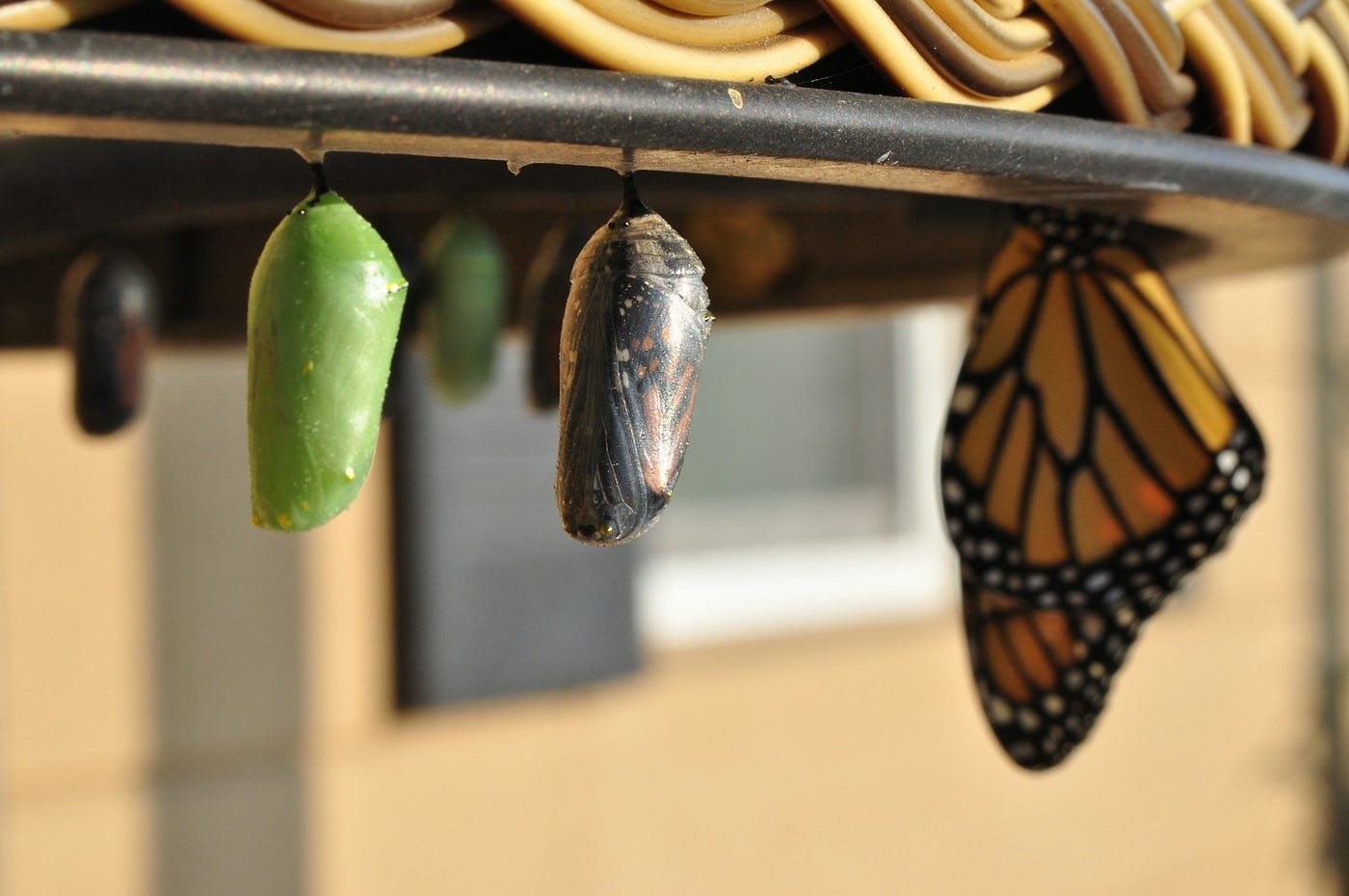
Photo by Tebogo Sweatz on Unsplash
At one point in my life, I thought I was doing everything right once I pivoted from my old way of doing things.
I was at my Williamsburg, Brooklyn gym before 6 am. I would journal. I would listen to videos and podcasts about mindset and money during my work commute. I had a side project, tracked my diet, and read one book a month.
From the outside, I felt like a model of self-discipline.
From the inside, I was exhausted.
And by Sunday evening, I felt a low-grade dread I could not quite figure out the source.
I didn’t fail this week. I hit every target. But there still was this nagging feeling that it wasn’t enough, and that I was not enough.
So, I made plans to do more the following week.
Then the questions started to linger in my mind: Is this growth? Or is this punishment?
Living in New York City could make some unaware they are on a treadmill going nowhere, feeling the need to keep pace with others while having the illusion they are moving forward. I thought geography mattered, but I soon found out there were other friends and family members living in other states and countries who felt the same. Our version of living a truthful and fulfilling life vs. an empty and false one was all the same.
There’s a version of self-improvement that builds you toward something. And there’s another that’s just self-hatred wearing a productivity mask.
They can look identical from the outside. The habits, the schedule, the discipline are all the same. The difference lives not on the outside, but on the inside.
But the real truth was, I was exhausted and could not tell the difference.
What real growth actually looks like
Genuine self-improvement starts from a foundation of self-respect, not self-rejection. It’s the difference between running because you love how it clears your head, and running to punish yourself for what you ate yesterday.
Real growth is additive. You’re building on something solid — a stable sense of who you are — and adding layers because you want to, not because you’re trying to outrun a version of yourself you can’t accept.
The clearest sign of healthy growth is that it feels sustainable. It has room for rest, for imperfection, for a bad week. It doesn’t drain you.
And it doesn’t collapse the moment you miss a day.
Three signs it’s becoming self-punishment
The shift from growth to punishment is subtle. You don’t notice it happening. But there are three patterns worth watching for:
— You’re never satisfied, no matter what you accomplish. You hit the goal, reset the bar immediately, and feel nothing. The raise, the PR, and the milestone don’t land. There’s always a “but.” It becomes a symptom, not ambition.
— Rest feels like failure. Taking a day off produces anxiety rather than recovery. If doing nothing feels dangerous — like something bad will catch up with you if you slow down — that’s not discipline. That’s fear running the show.
— You’re moving away from something rather than toward something. The motivation isn’t a vision you’re building toward. It’s a version of yourself you’re trying to escape. The “old” you who is the broke one, the out-of-shape one, the one who wasn’t enough. Avoidance dressed up as ambition.
None of these patterns is obvious from the outside. The person trapped in self-punishment can look, by every external measure, like someone who has their life together.
But be aware of trying to look like the Joneses and not knowing yourself. Because many of the self-help influencers are counting on it.
How the productivity industry makes this worse
The self-improvement industry is structurally built on a single premise: that your current self is a problem to be solved.
More output. Better habits. Optimized mornings. Zero wasted time.
The implicit message in nearly every book, podcast, and course is: you’re not there yet.
It does not mean they all have bad intentions. But the message sells well. It also keeps people stuck in a loop.
The person obsessively optimizing every hour of their day is often the least present person in the room. They’re so busy becoming a future version of themselves that they’re not actually living in the present as the current one. The routines, the systems, and the constant self-monitoring all become elaborate ways to feel like you’re making progress without ever sitting still long enough to face what’s actually going on.
Ask yourself: when was the last time you did something simply because it felt good, and not because it made you better, stronger, or more productive?
If you can’t remember, then it’s worth reflecting on the answer.
Building a life vs. running one
The reframe is straightforward, even if it’s not easy: growth should move you toward something, not away from something.
Moving toward a vision sounds like: “I want to build financial stability because I want freedom and security for my family.”
Running from looks like: “I need to make more money so I can stop feeling like a failure.”
The actions might be identical.
The inner life — and the long-term outcome — are completely different. The person running from never arrives anywhere satisfying, because the thing they’re fleeing is inside them. They can hit every goal and still feel behind.
The person building toward something can actually enjoy the progress. They can have a bad month and not have their identity collapse. They can rest without guilt, because their sense of self isn’t contingent on the streak.
Pick three habits from your current routine. For each one, ask honestly: Why am I doing this?
Is it because you genuinely want to build something? Because it serves a life you’re excited about? Or because stopping feels dangerous — because skipping it makes you feel like the version of yourself you’re trying not to be?
You don’t have to change anything right away. Just noticing the answer is where the real work begins.
The deeper point
The self-improvement industry profits from the belief that you’re not enough. It’s not a conspiracy, but a systemic flaw of how markets work. And it’s easy to absorb that belief so completely that every rest day feels like laziness and every quiet moment feels like waste.
The truth is harder and simpler at the same time: you are not a project to be completed.
Growth is always real and worth pursuing, but only when it comes from a place of believing you’re worth investing in, not from believing you’re broken and need fixing.
The individuals who have genuinely internalized this can push themselves hard and also know when to stop. He or she improves because they value themselves — not to prove that they should.
That’s the version of self-improvement worth building.
Not the hamster wheel or treadmill.
The real thing.
메타데이터
- post_id
- d4a2cab9987a
- slug
- the-self-improvement-trap-nobody-talks-about-d4a2cab9987a
- url
- https://medium.com/a-little-stoic-wisdom/the-self-improvement-trap-nobody-talks-about-d4a2cab9987a
- canonical_url
- https://medium.com/a-little-stoic-wisdom/the-self-improvement-trap-nobody-talks-about-d4a2cab9987a
- author_url
- https://medium.com/@mjtoby1020
- status
- ok
- fetched_at
- 2026-06-14 16:15:44