Unlocking Solar Power
The Growing Appeal of Solar Power
Unlocking Solar Power
The Growing Appeal of Solar Power
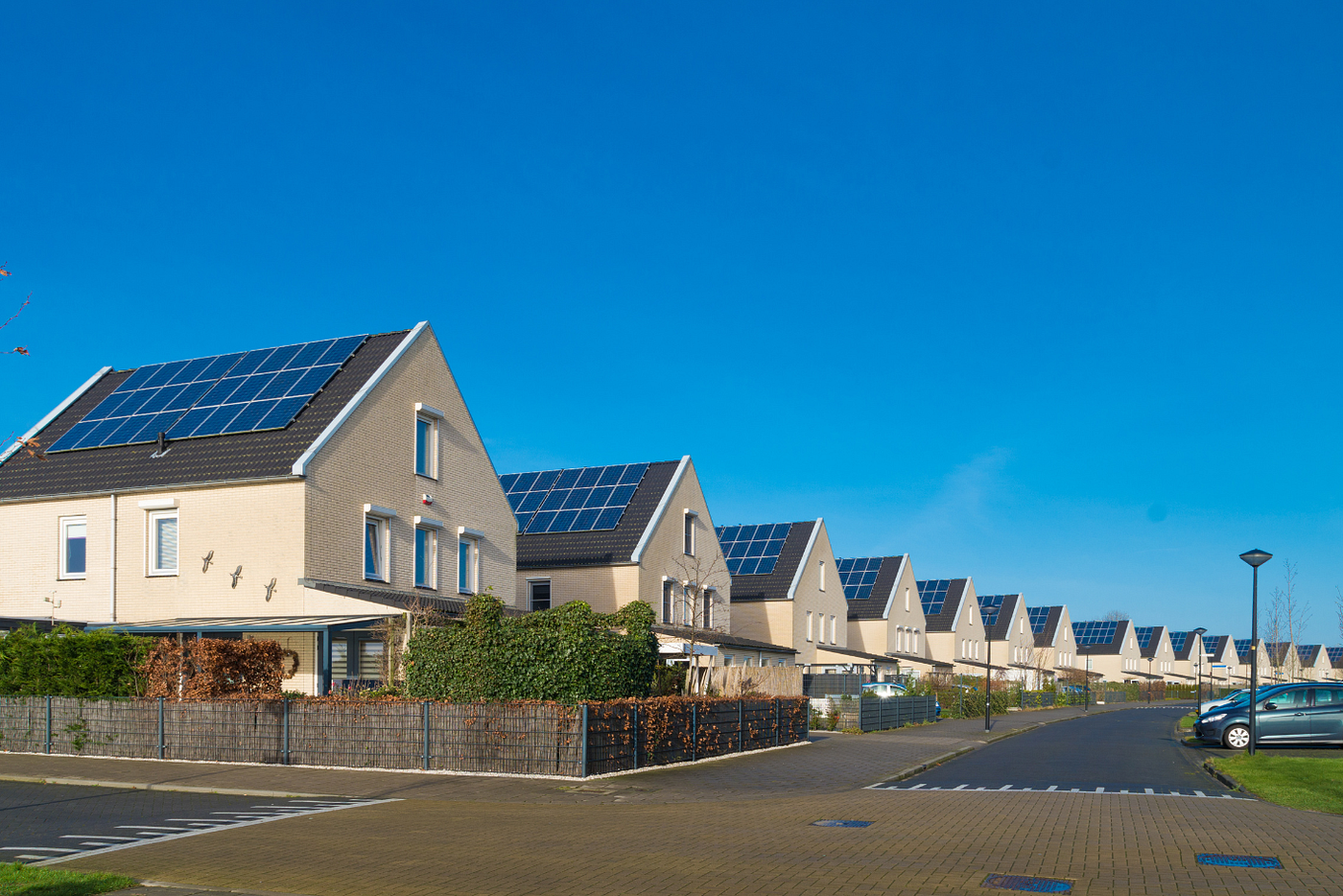
Solar power is increasingly popular for homeowners seeking to reduce energy costs and embrace sustainable living. In the Philippines, with its abundant sunlight, solar energy presents a particularly attractive opportunity. However, the initial investment can be a significant hurdle. This article explores various financing options for solar power systems, helping homeowners understand how to make solar energy a reality.
Understanding Solar Power Financing
What Is Solar Power Financing?
Solar power financing involves various methods and programs designed to help homeowners afford the upfront costs of installing solar panels. It includes loans, leases, power purchase agreements (PPAs), and government incentives. By breaking down the financial barriers, these options make solar energy accessible to more people.
The Importance of Solar Power Financing
Solar energy can significantly lower electricity bills and reduce carbon footprints. However, the initial costs of purchasing and installing solar panels can be daunting. Financing options help homeowners spread these costs over time, making solar power a feasible investment.
Types of Solar Power Financing
Solar Loans
Solar loans are a popular option for financing solar installations. They typically offer favorable terms and lower interest rates than traditional loans.
- Secured vs. Unsecured Loans
- Secured Loans: These require collateral, such as your home or other assets. They generally come with lower interest rates but carry the risk of losing the collateral if you default on the loan.
- Unsecured Loans: These do not require collateral but may have higher interest rates. They are often easier to obtain but can be more expensive in the long run.
- Loan Providers
Banks, credit unions, and specialized solar financing companies offer solar loans. Shopping around and comparing offers is crucial to find the best terms for your needs.
- Example Case Study: A Philippine Homeowner’s Journey
A case study of a homeowner in Manila who used a solar loan to install panels could illustrate the practical benefits and process of securing a loan. For example, they could detail the loan application process, the terms they received, and how the loan impacted their monthly budget and energy savings.
Solar Leases
Solar leases allow homeowners to install solar panels without upfront costs. Instead, they pay a fixed monthly lease payment.
- Benefits of Leasing
Lower initial costs and maintenance-free solar energy. The leasing company often handles maintenance and repairs.
- Drawbacks
Lease payments may be higher than loan payments in the long run, and homeowners may not own the system outright. Additionally, the lease terms may affect your ability to sell your home.
- Example Case Study: Leasing in Cebu
A homeowner in Cebu could share their experience with a solar lease, including the leasing company they chose, the terms of the lease, and how it impacted their electricity bills and overall savings.

Power Purchase Agreements (PPAs)
Under a PPA, homeowners agree to purchase the electricity the solar panels generate at a predetermined rate.
- Advantages of PPAs
No upfront costs and potential savings on electricity bills. The rate per kWh is usually fixed, providing stability against rising energy costs.
- Considerations
The rate per kWh might be higher than the market rate, and there may be less flexibility in modifying the system. Additionally, the PPA term may affect the home’s resale value.
- Example Case Study: PPAs in Davao
An example of a homeowner in Davao who entered into a PPA can provide insights into how the agreement worked, the benefits they experienced, and any challenges they faced.
Government Incentives and Rebates
Government incentives and rebates can significantly reduce the cost of solar installations.
- Types of Incentives
- Tax Credits: Reduce your tax liability based on a percentage of the solar system’s cost.
- Rebates: Offer a direct discount on the purchase price of the solar panels.
- Grants: Provide funding for solar installations without the need for repayment.
- Applying for Incentives
To qualify, homeowners must meet specific criteria and complete paperwork. It’s important to stay informed about available incentives and their application processes.
- Example: Philippine Solar Incentives
This article provides an overview of current solar incentives in the Philippines, such as the Net Metering program and Feed-in Tariff (FiT), and how they can help reduce installation costs.
Solar Financing in the Philippines
Overview of the Philippine Solar Market
The solar market in the Philippines is growing rapidly, with increasing government support and a favourable climate for solar energy. The country’s location provides ample sunlight, making solar energy a viable option for many homeowners.
Government Incentives and Programs
The Philippine government offers several incentives to encourage solar power adoption.
- Feed-in Tariff (FiT)
Provides a fixed payment rate for solar energy fed into the grid. This program guarantees a set price for the electricity generated by your solar system, making it a stable income source.
- Net Metering
Allows homeowners to sell excess energy back to the grid. This can reduce your electricity bill and even provide additional income if you produce more energy than you use.
- Renewable Energy Act of 2008
The act promotes the development and utilization of renewable energy resources. It includes various incentives and policies to support solar energy projects.
Solar Financing Providers in the Philippines
Several financial institutions and solar companies in the Philippines offer tailored financing solutions for solar power systems.
- Banks and Credit Unions
Many local banks and credit unions offer solar loans with competitive terms. BDO and Metrobank, for example, have specific solar loan products.
- Solar Companies
Specialized solar companies often provide financing options and leasing arrangements. Companies like Solar Philippines and SunPower Philippines offer integrated solutions that include financing.
How to Choose the Right Financing Option
Assessing Your Financial Situation
Evaluate your financial health, including income, expenses, and credit score, to determine the best financing option.
- Creating a Budget
Develop a detailed budget that includes potential solar installation costs, ongoing maintenance, and savings on electricity bills.
- Credit Score
Your credit score can impact the interest rates and terms available to you. Improving your credit score before applying for a loan can lead to better financing options.
Comparing Loan Terms and Rates
Compare interest rates, loan terms, and other fees to find the most cost-effective solution.
- Interest Rates
Look for loans with lower interest rates and favourable repayment terms.
- Fees and Charges
Be aware of additional fees, such as application fees, prepayment penalties, or processing charges.
Understanding Lease and PPA Agreements
Carefully review lease and PPA contracts to understand payment terms and conditions.
- Lease Terms
Check the length of the lease, payment amounts, and any conditions for terminating the lease early.
- PPA Terms
Understand the rate per kWh, the duration of the agreement, and any options for buying out the system at the end of the term.
Considering Long-Term Costs and Savings
Evaluate how each financing option affects long-term savings and overall costs.
- Return on Investment (ROI)
Calculate the expected ROI based on your financing option, energy savings, and system costs
.
- Maintenance Costs
Consider any maintenance or repair costs associated with the financing option.
The Application Process for Solar Financing
Preparing Your Documentation
Gather necessary documents, such as proof of income, credit reports, and property details.
- Required Documents
Proof of income (pay stubs or tax returns), identification, and property ownership documents are commonly required.
- Application Forms
Complete the application forms provided by the financing institution or solar company.
Working with Solar Installers
Choose a reputable solar installer who can guide you through the financing process.
- Selecting an Installer
Research and choose a solar installer with a good reputation and experience in the industry.
- Installer’s Role
The installer can help you understand your financing options, assist with paperwork, and provide a detailed cost estimate.
Completing the Application
Submit your application to the chosen financing provider and await approval.
- Approval Process
The approval process may involve a credit check and verification of your financial status.
- Finalizing the Agreement
Once approved, review and sign the financing agreement and proceed with the solar installation.
Common Challenges and Solutions
High Initial Costs
Address the challenge of high upfront costs through financing options and government incentives.
- Financing Solutions
Utilize solar loans, leases, or PPAs to spread out the costs.
- Government Incentives
Apply for available incentives to reduce the overall cost of installation.
Understanding Complex Contracts
Seek professional advice to navigate complex lease and PPA agreements.
- Legal Assistance
Consult with a lawyer or financial advisor to review contracts and ensure you fully understand the terms.
Credit Score Requirements
Improve your credit score or explore financing options less dependent on credit.
- Improving Credit
Pay down debt and correct any errors on your credit report to improve your score.
- Alternative Financing
Look for financing options with flexible credit requirements.
Future Trends in Solar Power Financing
Innovative Financing Models
Emerging financing models, such as community solar programs, make solar power more accessible.
- Community Solar
Allows multiple households to share the benefits of a single solar installation.
- Crowdfunding
New platforms enable individuals to fund solar projects through community contributions.
Technological Advancements
Advancements in solar technology and financing platforms are expected to reduce costs and improve accessibility.
- Solar Technology
Innovations in solar panels and energy storage systems make solar power more efficient and affordable.
- Financing Platforms
Online platforms are simplifying the financing process and increasing transparency.
Increased Government Support
Ongoing government support and new policies will likely enhance financing options and incentives.
- Policy Changes
Watch for updates to renewable energy policies and incentives that could benefit homeowners.
- Support Programs
Government programs may provide additional financial support or subsidies for solar installations.

Embracing Solar Power with the Right Financing
Solar power financing allows homeowners to invest in sustainable energy solutions without bearing the full upfront cost. By understanding the various financing options available and taking advantage of government incentives, homeowners can make informed decisions that benefit their finances and the environment. Solar energy is not just a dream for the future but a practical solution for today. With the right financing, you can turn your home into a solar-powered haven and enjoy the benefits of clean, renewable energy. Embrace the future of energy and start your journey toward solar power today.
메타데이터
- post_id
- d4a9d8bfa5e9
- slug
- unlocking-solar-power-d4a9d8bfa5e9
- url
- https://medium.com/@heliosph/unlocking-solar-power-d4a9d8bfa5e9
- canonical_url
- https://medium.com/@heliosph/unlocking-solar-power-d4a9d8bfa5e9
- author_url
- https://medium.com/@heliosph
- status
- ok
- fetched_at
- 2026-06-21 07:44:09