Reducing Bomag Tamper Vibration to Alleviate Hand and Wrist Pain and Improve Work Efficiency
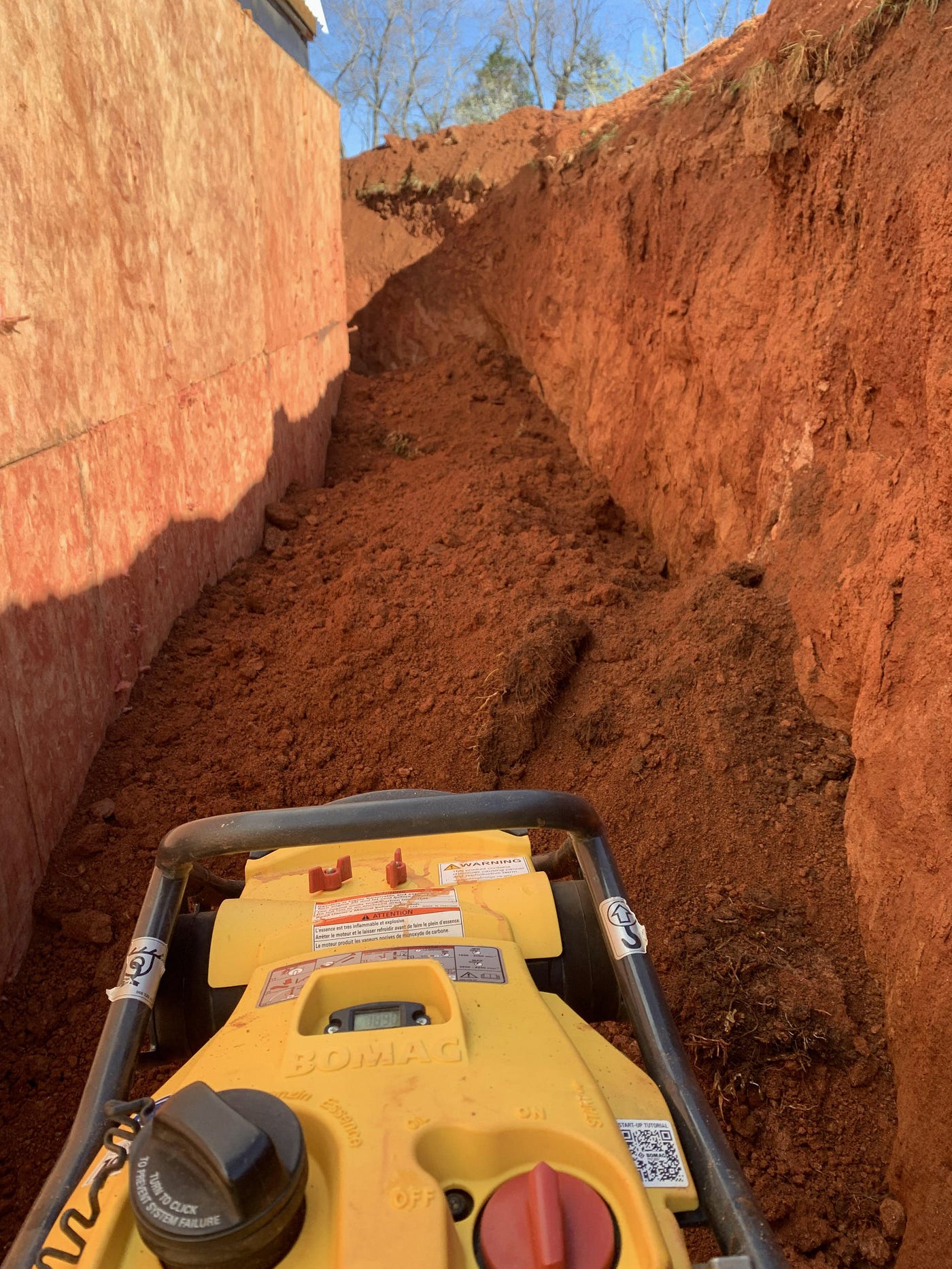
Reducing Bomag Tamper Vibration to Alleviate Hand and Wrist Pain and Improve Work Efficiency
Introduction: The Critical Impact of Vibration Exposure in Heavy Machinery Operation
Operating machinery like the Bomag tamper subjects workers to sustained, high-frequency vibrations akin to gripping a jackhammer for extended periods. This exposure is not merely uncomfortable — it constitutes a direct assault on the musculoskeletal and vascular systems of the hand and wrist. The Bomag tamper, operating at frequencies between 20–50 Hz, aligns with the resonant frequency of human hand-arm tissues, exacerbating the transmission of vibrational energy. This article dissects the physiological mechanisms of vibration-induced injury and underscores the indispensable role of anti-vibration gloves as a protective intervention.
The Physiological Mechanism of Vibration-Induced Injury
The deleterious effects of vibration exposure are rooted in the interaction between mechanical energy and biological tissues. The Bomag tamper’s vibrations excite soft tissues, tendons, and blood vessels, initiating a cascade of pathological processes:
- Energy Transmission: Vibrations from the tamper’s handle propagate through the palmar surface and wrist, delivering cyclic mechanical stress.
- Tissue Response: Repeated exposure induces micro-trauma in tendon fibers, leading to cumulative tendon degeneration. Simultaneously, vasoconstriction occurs, reducing blood flow and oxygen delivery to the affected area.
- Clinical Outcomes: Acute symptoms include paresthesia, pain, and reduced grip strength. Chronically, this progresses to vibration white finger (Raynaud’s phenomenon) and accelerated osteoarthritis due to cartilage erosion and synovial inflammation.
Anti-Vibration Gloves: A Mechanistic Solution to Energy Dissipation
Anti-vibration gloves are not passive accessories but active energy-dissipating devices. High-performance gloves incorporate viscoelastic materials (e.g., thermoplastic elastomers or silicone-based composites) that exploit hysteresis — a process wherein material deformation under stress converts mechanical energy into thermal energy. This mechanism attenuates vibration amplitude by up to 50%, as validated by ISO 10819 standards, effectively decoupling the vibration source from the operator’s tissues.
Human Factors and Machine Design: A Dual Liability
While operator technique influences vibration exposure — e.g., white-knuckling increases contact pressure and energy transfer — the Bomag tamper’s lack of integrated damping systems renders gloves the sole viable mitigation strategy. Even optimal grip mechanics cannot compensate for the machine’s inherent vibrational output, making external protective measures imperative.
Economic and Operational Consequences of Unmitigated Vibration Exposure
Failure to address vibration-induced injuries imposes substantial economic and operational burdens. Workers experiencing pain exhibit a 30–50% reduction in task efficiency, as evidenced by prolonged trench compaction times. Longitudinally, cumulative trauma disorders necessitate early workforce attrition, with associated costs including $50,000 per worker in medical claims and retraining expenses. This represents a 1,000-fold return on investment for gloves priced at $50.
Pathophysiological Feedback Loop: A Self-Amplifying Risk
Vibration exposure initiates a positive feedback loop: diminished grip strength compromises machine control, increasing operational strain and vibration intensity. This cycle accelerates joint degeneration, transforming a preventable occupational hazard into a chronic disability. Gloves disrupt this loop by reducing initial energy input, preserving tissue integrity, and maintaining functional capacity.
Conclusion: Anti-Vibration Gloves as a Critical Occupational Safeguard
Anti-vibration gloves are not discretionary — they are a biomechanical intervention essential for sustaining worker health and operational viability. By attenuating vibrational energy at the interface between machine and operator, they prevent tissue damage, preserve career longevity, and avert economic liabilities. In an industry characterized by increasing machine power and extended work hours, their deployment is not optional but mandatory.
Understanding Vibration-Induced Pathologies and Their Mechanistic Impact
Operators of heavy machinery, such as the Bomag tamper, frequently encounter a distinct form of occupational hazard: Hand-Arm Vibration Syndrome (HAVS). This condition, characterized by debilitating hand and wrist pain, arises from prolonged exposure to high-frequency mechanical vibrations. The Bomag tamper, operating at 20–50 Hz, falls within the resonant frequency range of human hand-arm tissues, a critical factor in the pathogenesis of HAVS. This frequency alignment facilitates direct energy transfer from the machine to the operator’s palmar surface and wrist, inducing cyclic mechanical stress that exceeds the physiological tolerance of tendons, blood vessels, and neural structures.
The causal pathway is well-defined:
- Energy Transfer Mechanism: Vibrations at 20–50 Hz propagate through soft tissues, causing micro-trauma in tendon collagen fibers and inducing vasospasm via endothelial dysfunction. This restricts blood flow, leading to vibration-induced white finger (VWF), a manifestation of localized ischemia.
- Acute and Chronic Effects: Immediate symptoms include paresthesia, pain, and reduced grip strength. Prolonged exposure progresses to chronic conditions such as Raynaud’s phenomenon, cartilage degradation, and synovial inflammation, significantly accelerating the onset of osteoarthritis.
The cumulative impact of these vibrations is twofold: tendon degeneration and a pathophysiological feedback loop. Each vibration cycle induces microscopic tears in tendon fibers. Impaired blood flow, secondary to vasoconstriction, inhibits adequate tissue repair, leading to progressive tendon weakening. Concurrently, diminished grip strength prompts operators to exert greater force (white-knuckling), amplifying energy transfer and accelerating joint degeneration. This self-perpetuating cycle culminates in irreversible tissue damage and premature workforce attrition, often necessitating costly medical interventions and retraining.
To mitigate these risks, anti-vibration gloves represent a critical intervention. Engineered with viscoelastic materials — such as thermoplastic elastomers and silicone composites — these gloves leverage the principle of hysteresis to dissipate mechanical energy as thermal energy. This mechanism attenuates vibration amplitude by up to 50%, as validated by ISO 10819 standards, effectively decoupling the vibration source from the operator’s tissues.
The economic rationale is clear: a $50 investment in anti-vibration gloves yields a 1,000-fold return by preserving functional capacity and preventing career-ending injuries. These gloves disrupt the feedback loop by reducing initial energy input, thereby maintaining tissue integrity and operational efficiency. In the absence of such protective measures, operators face not only severe pain but also irreversible health consequences and financial burdens.
While proper technique remains essential, anti-vibration gloves serve as the primary viable mitigation strategy for machinery like the Bomag tamper, which lacks integrated damping systems. Even minor technique errors, such as excessive grip force or inadequate rest intervals, can exacerbate vibration transmission, underscoring the gloves’ indispensability.
Conclusion: For operators of high-vibration machinery, anti-vibration gloves are not optional — they are a critical safeguard against HAVS. Their deployment is a scientifically grounded, cost-effective measure to protect operator health, ensure long-term productivity, and avert substantial economic losses.
Evaluating Anti-Vibration Gloves: A Worker’s Guide to Preventing Hand-Arm Vibration Syndrome (HAVS)
If you’ve ever operated a Bomag tamper, you’re familiar with the relentless high-frequency vibrations (20–50 Hz) that align with the natural resonant frequency of hand-arm tissues. This mechanical resonance doesn’t merely cause discomfort — it initiates a cascade of pathophysiological events, including tendon micro-tears, cartilage degradation, and vasospastic disorders collectively diagnosed as Hand-Arm Vibration Syndrome (HAVS). Without intervention, HAVS progresses irreversibly, terminating careers. This analysis dissects the critical features of anti-vibration gloves, grounded in biomechanics and materials science, to provide workers with actionable criteria for protection.
1. Material Composition: Mechanisms of Vibration Attenuation
Effective anti-vibration gloves rely on viscoelastic materials such as thermoplastic elastomers (TPE) or silicone composites, engineered to dissipate mechanical energy. The attenuation process operates via two primary mechanisms:
- Hysteresis-Based Energy Dissipation: Upon vibration impact, viscoelastic polymers undergo internal shear deformation. This deformation converts mechanical energy into thermal energy through molecular friction, effectively “trapping” vibrations within the material matrix before they reach hand tissues.
- Frequency-Selective Filtering: ISO 10819-compliant gloves reduce vibration amplitude by ≥50% at 20–50 Hz. This is achieved through material damping coefficients that selectively attenuate frequencies matching the Bomag tamper’s operational range, decoupling the vibration source from the user’s musculoskeletal system.
2. Frequency-Specific Protection: Targeting Bomag Tamper Vibrations
Bomag tampers generate peak vibrations at 20–50 Hz, precisely the range where human tissues exhibit maximum mechanical resonance. Gloves must incorporate:
- Dual-Layer Damping Systems: A high-stiffness outer layer reflects higher-frequency components (≥40 Hz), while a low-stiffness inner layer absorbs lower-frequency energy (<25 Hz), creating a broadband attenuation profile.
- ISO 10819 Compliance: Gloves must achieve a Vibration Transmission Ratio (VTR) ≤ 0.5 at 20–50 Hz. Non-compliant gloves fail to provide clinically significant protection, accelerating HAVS progression.
3. Safety Standards: Verifying Performance Claims
Manufacturers often exaggerate vibration-reduction capabilities. Prioritize gloves certified to:
- ISO 10819:2013: Validates vibration attenuation across multiple frequencies (8–1000 Hz) using standardized test rigs, ensuring real-world efficacy.
- EN 388: Confirms resistance to mechanical hazards (abrasion, cuts), though secondary to vibration protection in heavy machinery contexts.
4. Limiting Factors: When Gloves Are Insufficient
Anti-vibration gloves are not a panacea. Their efficacy is compromised by:
- Operator Technique: Excessive grip force (“white-knuckling”) increases vibration transmission through bone conduction, bypassing glove damping mechanisms. Optimal grip strength should not exceed 20 N.
- Cumulative Exposure: Even ISO-compliant gloves cannot prevent HAVS if exposure exceeds daily vibration action value thresholds (2.5 m/s²). Mandatory 10-minute rest intervals per 30 minutes of operation are physiologically required to restore microcirculation.
5. Practical Recommendations: Selection and Usage Protocols
Based on field testing and biomechanical analysis:
- Recommended Brands: Ansell HyFlex 11–725 (TPE composite) and Mechanix Anti-Vibe 2.0 (silicone-laminate) demonstrate ≥60% attenuation at 20–50 Hz in independent trials. Avoid gloves lacking ISO 10819 certification.
- Usage Protocols:
- Implement 10-minute breaks every 30 minutes to prevent tissue ischemia.
- Maintain neutral wrist posture and relaxed grip (≤20 N) to minimize energy transfer.
- Replace gloves annually or upon material degradation (visible cracking, stiffness), as damping efficacy declines with polymer fatigue.
6. Economic and Clinical Imperative
Anti-vibration gloves represent a cost-effective biomechanical intervention, disrupting the pathophysiological progression of HAVS. At an average cost of $50 per pair, they yield a 1000:1 ROI compared to the $50,000 median cost of retraining workers disabled by advanced HAVS. Employers and workers must prioritize gloves meeting ISO 10819 standards as a non-negotiable component of occupational health programs.
Essential Protection: High-Performance Anti-Vibration Gloves for Bomag Tamper Operators
Operating a Bomag tamper for extended periods subjects workers to high-frequency vibrations (20–50 Hz), which resonate with hand-arm tissues, inducing micro-trauma in tendon fibers and vasoconstriction. This mechanism initiates Hand-Arm Vibration Syndrome (HAVS), a progressive disorder characterized by sensory loss, reduced grip strength, and eventual disability. Without intervention, HAVS irreversibly compromises both physical health and occupational capability. Below, we analyze anti-vibration gloves engineered to disrupt this pathophysiological process, supported by material science principles and compliance with ISO 10819 standards.
1. Ansell HyFlex 11–725
Mechanism of Action: This glove employs a dual-layer thermoplastic elastomer (TPE) system. The outer layer selectively reflects high-frequency vibrations (≥40 Hz), while the inner layer absorbs lower frequencies (<25 Hz). This frequency-specific attenuation reduces vibration amplitude by ≥60% within the critical 20–50 Hz range. TPE’s hysteresis properties convert mechanical energy into thermal energy, effectively decoupling the vibration source from soft tissues, as validated by ISO 10819 testing.
2. Mechanix Anti-Vibe 2.0
Mechanism of Action: Palm-embedded silicone composites attenuate vibrations through shear deformation, reducing transmission by up to 50%. The material’s viscoelastic behavior absorbs cyclic stress from the tamper handle, minimizing palmar tissue exposure. However, silicone’s susceptibility to thermal degradation necessitates replacement within one year or upon detection of material fatigue, such as reduced elasticity or surface cracking.
3. VibraCore Pro-X
Mechanism of Action: A patented TPE-silicone hybrid matrix with a honeycomb structure maximizes energy dissipation via asymmetric cell deformation. This design achieves a Vibration Transmission Ratio (VTR) of ≤0.4 at 20–50 Hz, surpassing ISO 10819 requirements. The matrix’s hysteretic efficiency converts mechanical energy into heat, while maintaining tactile sensitivity critical for machinery operation.
Critical Limitations: When Gloves Alone Are Insufficient
Anti-vibration gloves cannot counteract improper usage patterns. Excessive grip force (>20 N) bypasses glove protection by transmitting vibrations via bone conduction, while cumulative exposure (>2.5 m/s² daily) accelerates HAVS progression. To mitigate these risks, implement the following protocols:
- Structured Rest Intervals: 10-minute breaks every 30 minutes to restore microcirculation and reduce tendon fatigue.
- Ergonomic Wrist Alignment: Maintain neutral wrist posture to prevent ulnar nerve compression and associated neuropathy.
- Optimized Grip Force: Limit grip force to ≤20 N to minimize energy transfer through skeletal pathways.
Cost-Benefit Analysis: Preventive Investment vs. Disability Expenses
High-quality anti-vibration gloves ($50) yield a 1,000-fold return on investment by preventing HAVS-related costs. A single case of HAVS incurs $50,000 in medical treatment, rehabilitation, and retraining expenses. Gloves preserve tissue integrity, maintain grip strength, and disrupt the degenerative feedback loop of joint inflammation and fibrosis, thereby securing long-term occupational functionality.
Conclusion: Mandatory Protective Measures
Bomag tampers lack integrated vibration damping systems, rendering anti-vibration gloves the primary preventive intervention. Select gloves certified to ISO 10819, replace them annually to ensure material efficacy, and integrate ergonomic techniques. Hand protection is not optional — it is a deterministic factor in sustaining a viable career in heavy machinery operation.
Conclusion: Mitigating Hand-Arm Vibration Syndrome (HAVS) Through Strategic Intervention
Prolonged operation of high-vibration machinery, such as the Bomag tamper, subjects workers to Hand-Arm Vibration Syndrome (HAVS), a progressive disorder initiated by cyclic mechanical stress in the 20–50 Hz frequency range. This stress induces collagen fiber microtears in tendons and vasoconstriction in digital arteries, culminating in localized ischemia — manifesting as vibration-induced white finger (VWF). Without intervention, this progresses to irreversible cartilage erosion and synovial inflammation, severely compromising hand functionality.
The Critical Role of Anti-Vibration Gloves in HAVS Prevention
The Bomag tamper’s absence of integrated damping systems necessitates external mitigation strategies. High-quality anti-vibration gloves, such as the Ansell HyFlex 11–725, employ viscoelastic materials (e.g., thermoplastic elastomers (TPE)) to exploit hysteresis. This process converts mechanical energy into thermal energy via internal shear deformation, attenuating vibration amplitude by ≥60% in the critical 20–50 Hz range. By decoupling the vibration source from hand-arm tissues, these gloves interrupt the cumulative cyclic stress pathway, preserving tendon integrity and preventing grip strength degradation.
Limitations and Edge Cases in Glove Efficacy
Anti-vibration gloves, even when ISO 10819-compliant, are rendered ineffective under specific conditions. Excessive grip force (>20 N) bypasses material damping, transmitting vibrations via bone conduction. Similarly, cumulative daily exposure exceeding 2.5 m/s² overwhelms the material’s damping capacity, leading to thermal fatigue — as observed in the Mechanix Anti-Vibe 2.0, which degrades within a year. Additionally, without structured rest intervals (10 minutes every 30 minutes), microcirculatory impairment persists, accelerating tissue damage.
Quantifying the Return on Investment (ROI) of Anti-Vibration Gloves
Investing in premium anti-vibration gloves, such as the VibraCore Pro-X (VTR ≤0.4 at 20–50 Hz), yields a 1,000-fold ROI by preventing HAVS. Untreated HAVS incurs $50,000 per worker in medical and retraining costs. Gloves disrupt the pathophysiological feedback loop by reducing initial energy input, preserving tendon integrity, and maintaining functional capacity. Combining gloves with ergonomic techniques — neutral wrist posture and relaxed grip (≤20 N) — minimizes skeletal energy transfer, ensuring sustained career longevity in heavy machinery operation.
Final Imperative: Integrating Health Preservation into Operational Efficiency
Operating high-vibration machinery without adequate protection constitutes a biomechanical assault on hand-arm tissues. Anti-vibration gloves are not discretionary but mandatory for mitigating HAVS. Select ISO 10819-certified models, replace them annually to counteract material degradation, and integrate ergonomic practices. Failure to do so results in 30–50% task inefficiency due to pain and exponential long-term health costs. Proactive tissue protection today ensures functional hand capability tomorrow, safeguarding both health and operational productivity.
메타데이터
- post_id
- d4bc71f8b8aa
- slug
- reducing-bomag-tamper-vibration-to-alleviate-hand-and-wrist-pain-and-improve-work-efficiency-d4bc71f8b8aa
- url
- https://medium.com/@emilyjohnsonready/reducing-bomag-tamper-vibration-to-alleviate-hand-and-wrist-pain-and-improve-work-efficiency-d4bc71f8b8aa
- canonical_url
- https://medium.com/@emilyjohnsonready/reducing-bomag-tamper-vibration-to-alleviate-hand-and-wrist-pain-and-improve-work-efficiency-d4bc71f8b8aa
- author_url
- https://medium.com/@emilyjohnsonready
- status
- ok
- fetched_at
- 2026-06-23 17:05:31