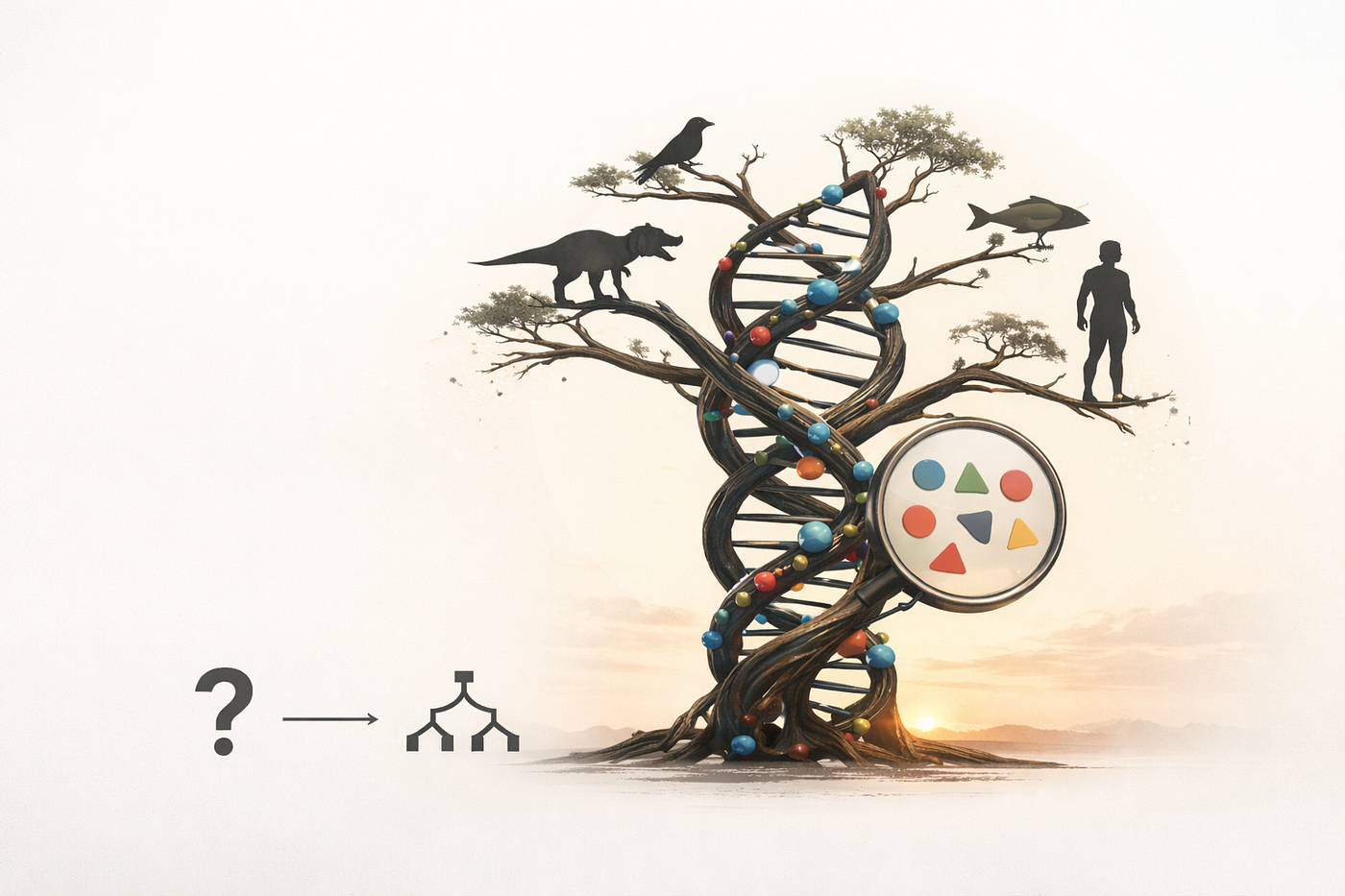
Men, you’re carrying a secret in your ‘Y’ chromosome
The enigma of the ‘Y’ chromosome — tiny, mysterious, and on the verge of extinction
Men, you’re carrying a secret in your ‘Y’ chromosome
The enigma of the ‘Y’ chromosome — tiny, mysterious, and on the verge of extinction
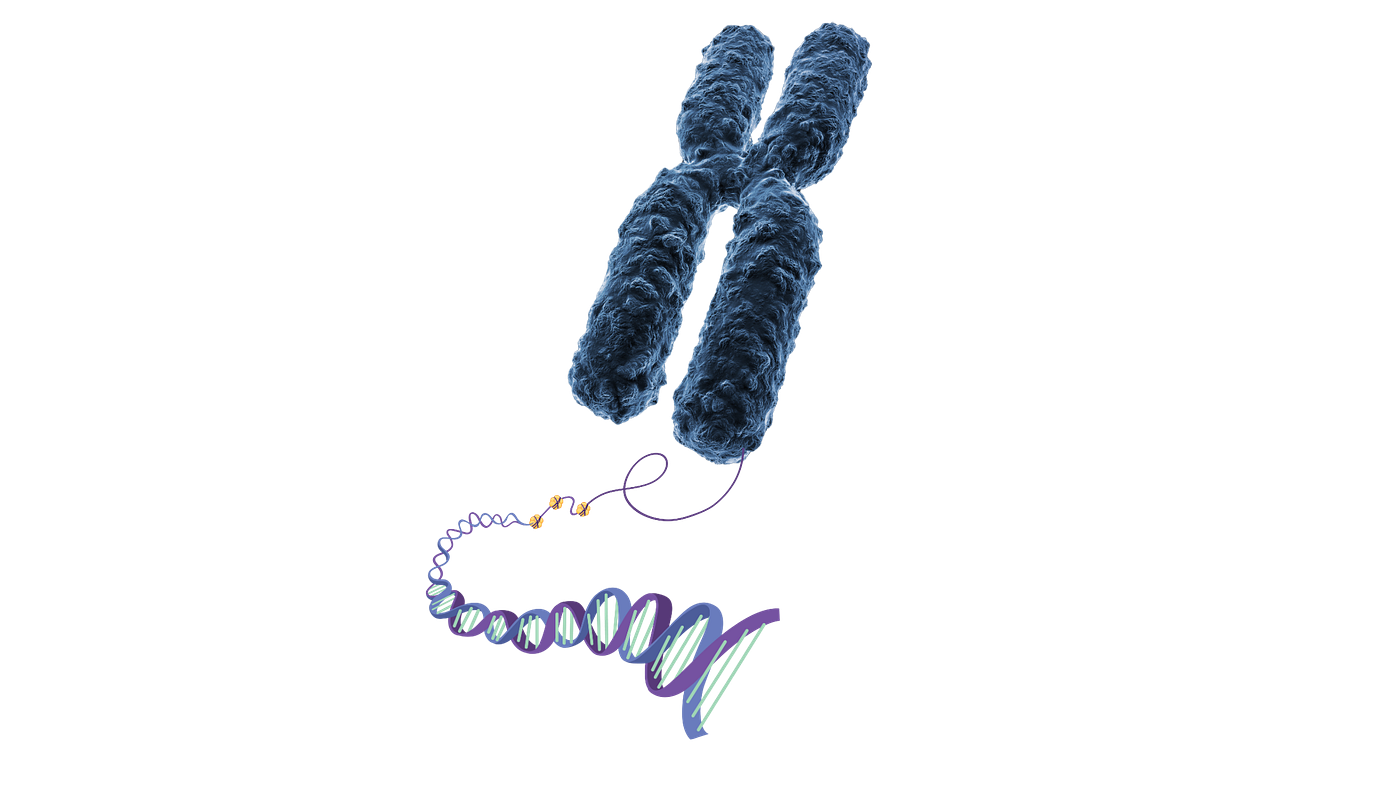
Y chromosome conssists of approximately 59 million basepairs
Let’s uncover the truth!
Every living man possesses a microscopic time capsule within each cell of their body, which can be effortlessly traced back to their ancient ancestors. It’s a secret that determines ancestry, your biological identity, and governs special traits in your body.
“But what if I told you today that the Y chromosome is shrinking, lost genes over millions of years, and is on the verge of extinction in the distant future”.
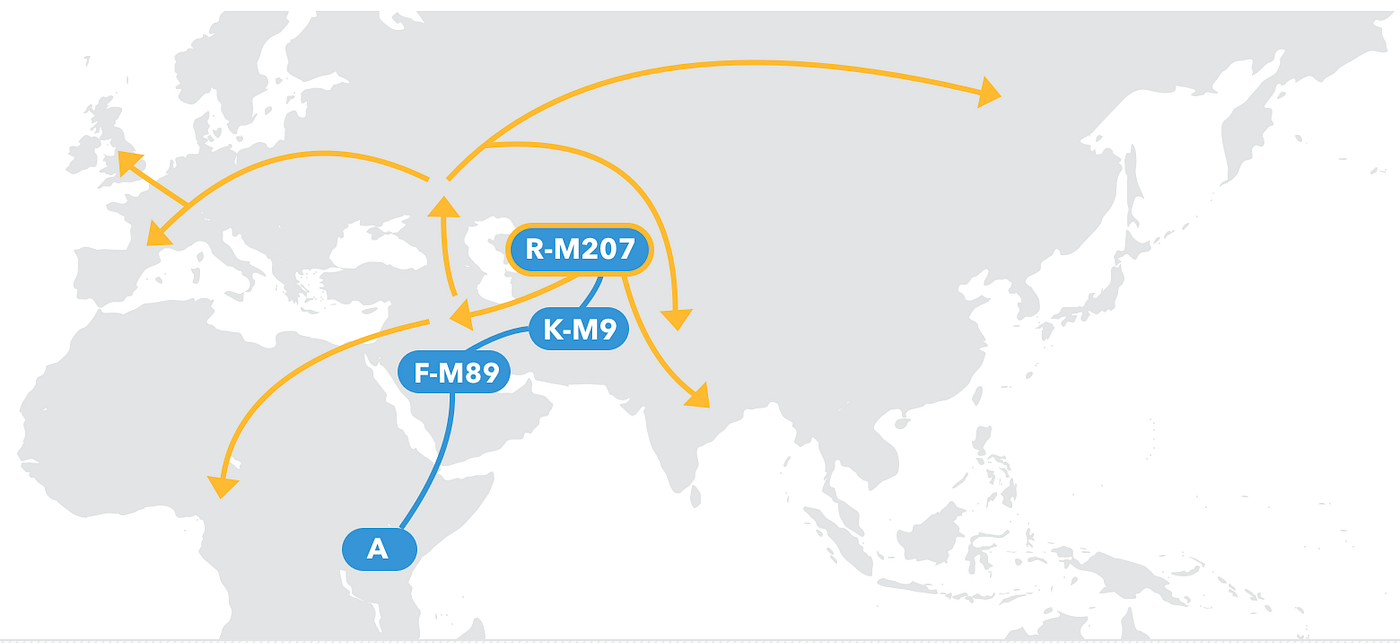
My own Y chromosome belongs to the haplogroup R which could be traced back to a man who likely lived in Central Asia between 30,000 and 35,000 years ago (credit: 23andme)
Y Chromosome is a Special one
Imagine yourself as a living genetic capsule, carrying a piece of DNA that has remained unchanged for millions of years, and passed directly from father to son. While the other 45 chromosomes in your body mix and shuffle genes through recombination at the start of each new generation, the Y chromosome is an exception. It passes from father to son without any change.
If you are a man, your Y chromosome is identical to your father, grandfather, male siblings, uncles, and male cousins from your paternal side. Since the Y chromosome lacks a counterpart for recombination within your cell, it remains unchanged and serves as a historical blueprint for studying ancestry and evolution. These unique characteristics also distinguish male DNA by determining sex, sperm production, and Y-linked traits. This unique blend of genes makes the Y chromosome particularly special.
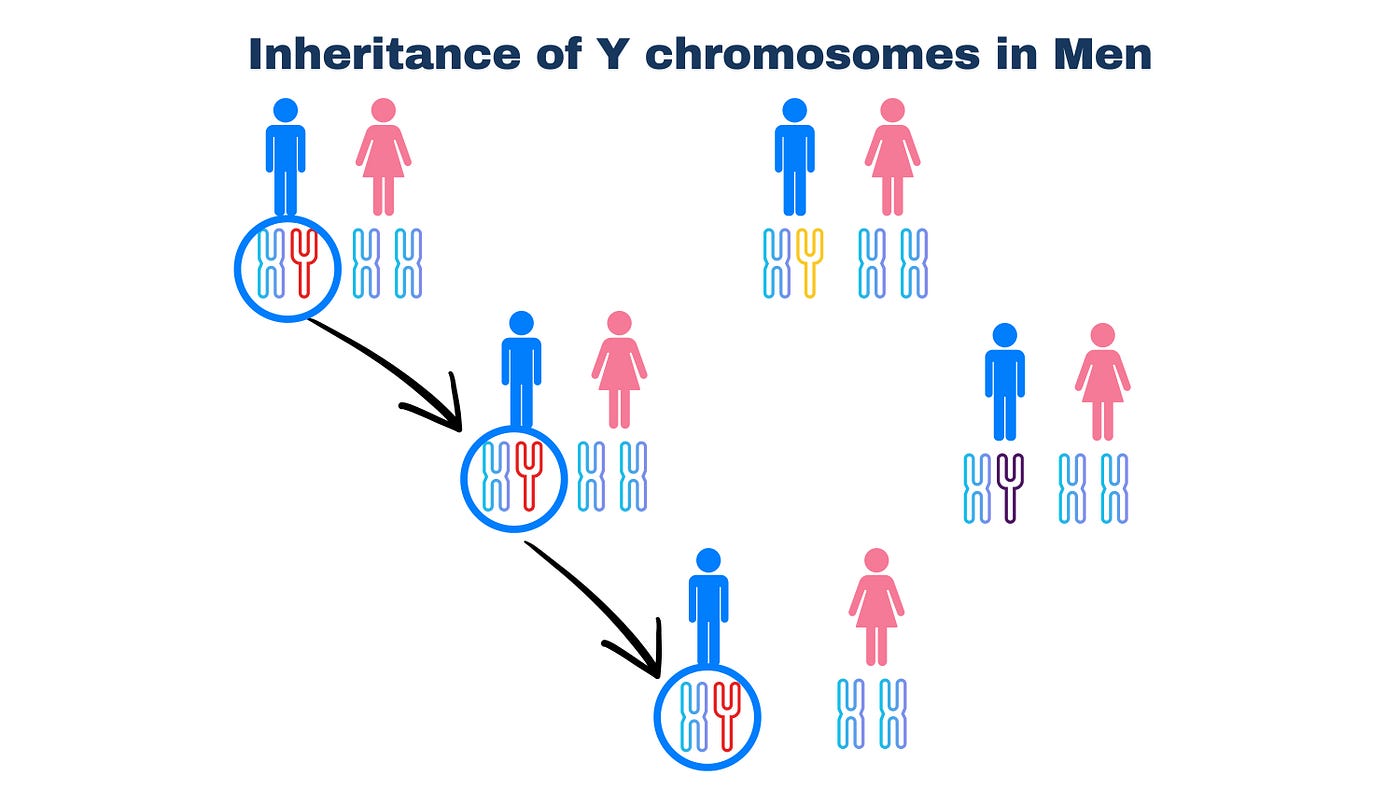
The exact copy of Y chromosome is inherited from father to the son
Y chromosome as a time capsule
For the last couple of centuries, we have wondered: Where did we come from? Today, you have the answer hidden in the tiny double strands of your Y Chromosome. Y chromosome is more than just a bunch of Y-linked genes — it’s a historical time capsule that can reveal proof of where you came from, who your ancestors were, and how they migrated across different continents.
By comparing Y-chromosomes among men globally, scientists can trace the pattern of ancient human migrations. Some Y-chromosomes were exclusive to a specific population, enabling the identification of connections to different clans, lost civilizations, and royal bloodlines. One of the most popular Y-chromosome tracing is of Genghis Khan — the Mongolian king who conquered most of Asia and Europe in the 13th century. Scientists have found that 1 in every 200 men (approximately 16 million men today) carries a nearly identical Y Chromosome linked to Genghis Khan’s lineage.
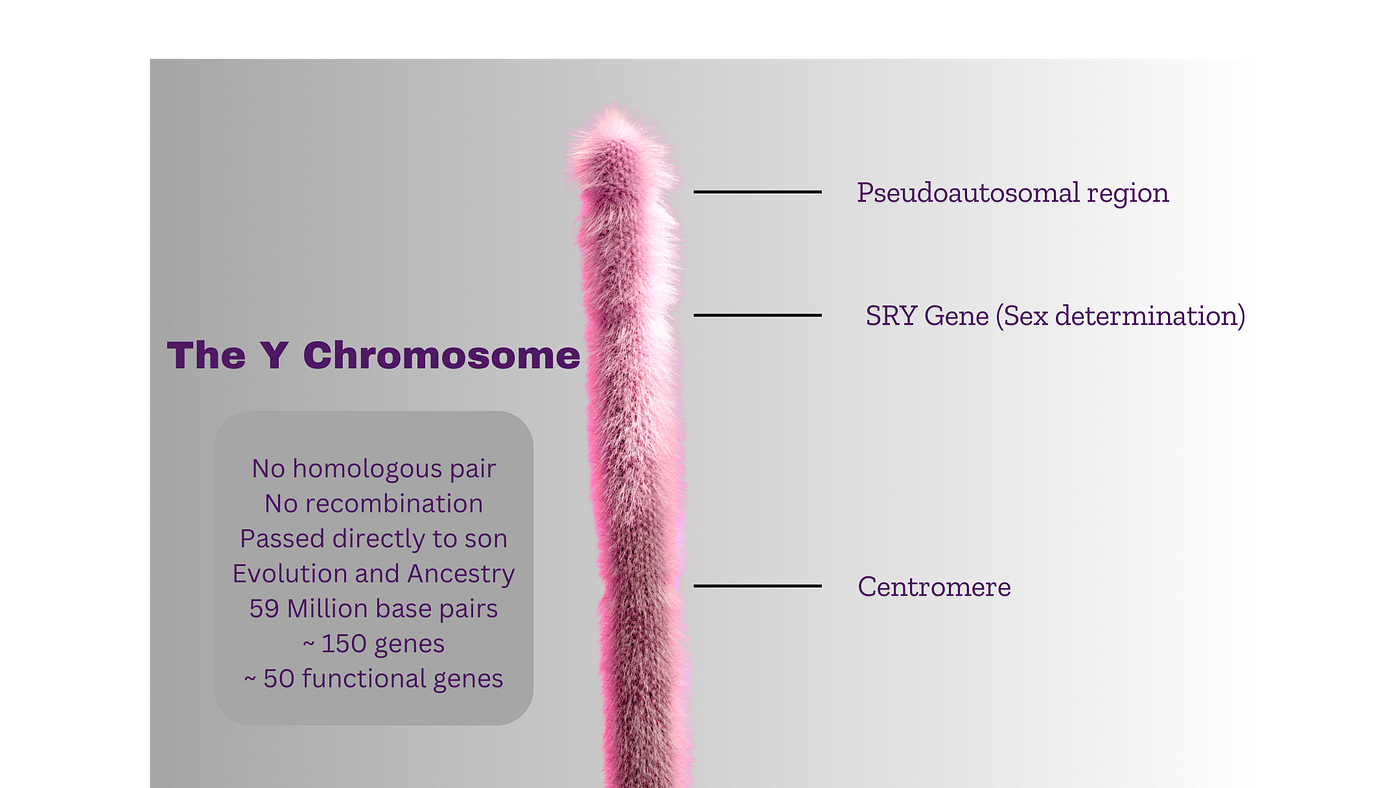
The shrinking Y chromosome — A potential threat to male survival
The Y chromosome, a defining characteristic of males, has been a symbol of masculinity and carries the genetic code responsible for determining male traits. In contrast, the other 22 pairs of chromosomes possess their counterparts to facilitate gene exchange through recombination, enabling the recovery of harmful mutations. The 23rd pair in females (XX) can complement each other and undergo recombination for repair, while the 23rd pair in males (XY), the Y chromosome, lacks this ability. This genetic disparity has led to the gradual loss of genes and the shrinking of the Y chromosome over millions of years of human evolution.
Over 300 million years ago, the Y chromosome had over 1500 genes. However, its current state comprises only 50 functional genes. If this trend persists, geneticists predict that the Y chromosome could completely disappear within the next 4 million years. While the Y chromosome’s potential extinction raises concerns, it does not necessarily imply the demise of the male population in the future. Evolution may offer alternative solutions, such as duplicating the SRY gene responsible for male sex determination onto another chromosome. For instance, spiny rat species in Japan have lost their Y chromosome but still maintain male populations. These species have evolved a novel genetic mechanism, and it is plausible that similar adaptations could occur in future male humans.
Why is the Y chromosome important for your health and longevity?
The Y chromosome, not solely responsible for male sex determination and the transmission of male traits, also influences disease susceptibility. Men generally possess fewer immune-related genes, resulting in weaker immune systems compared to females. Research indicates that specific Y chromosome mutations confer a heightened risk of cardiovascular diseases and an increased likelihood of developing cancer, particularly leukemia and bladder cancer.
A recent breakthrough has emerged, linking the loss of the Y chromosome (LOY) in aging cells to accelerated disease progression and shortened life expectancy. In aging men, certain white blood cells (WBC) undergo LOY, leading to immune-related diseases and premature death. Notably, LOY has been associated with cardiovascular disease, Alzheimer’s disease, and a shorter lifespan compared to females.
Numerous studies have demonstrated the beneficial effects of regular exercise, a balanced diet, and stress management in preserving Y chromosomes and enhancing longevity in males.
What your Y chromosome can teach you?
The Y chromosome, passed down from father to son without modification for millions of years, holds immense value as a tool for tracing ancestry and lineage. It serves as a tangible example of the Gotra system employed in Hindu societies to trace patrilineal lineage. Despite its gradual diminution, the Y chromosome remains a valuable resource, unraveling insights into male biology, evolution, and genetic health.
As the Y chromosome approaches extinction, evolutionary gene fixation and advancements in genetic engineering offer potential solutions to preserve its existence and the human species.
Therefore, the Y chromosome provides a narrative of our past ancestors and potential future generations through the lens of evolutionary changes.
메타데이터
- post_id
- d4bc91b96da2
- slug
- men-youre-carrying-a-secret-in-your-y-chromosome-d4bc91b96da2
- url
- https://medium.com/the-human-genome/men-youre-carrying-a-secret-in-your-y-chromosome-d4bc91b96da2
- canonical_url
- https://medium.com/the-human-genome/men-youre-carrying-a-secret-in-your-y-chromosome-d4bc91b96da2
- author_url
- https://medium.com/@sarose97
- status
- ok
- fetched_at
- 2026-06-28 04:42:08