Patagonia™ Spent 53 Years Profiting From My Homeland — Now It’s Suing a Drag Queen Over the Name
This time, profit beat the planet, and it did it wearing the planet’s favorite jacket.
Patagonia™ Spent 53 Years Profiting From My Homeland — Now It’s Suing a Drag Queen Over the Name
This time, profit beat the planet, and it did it wearing the planet’s favorite jacket.
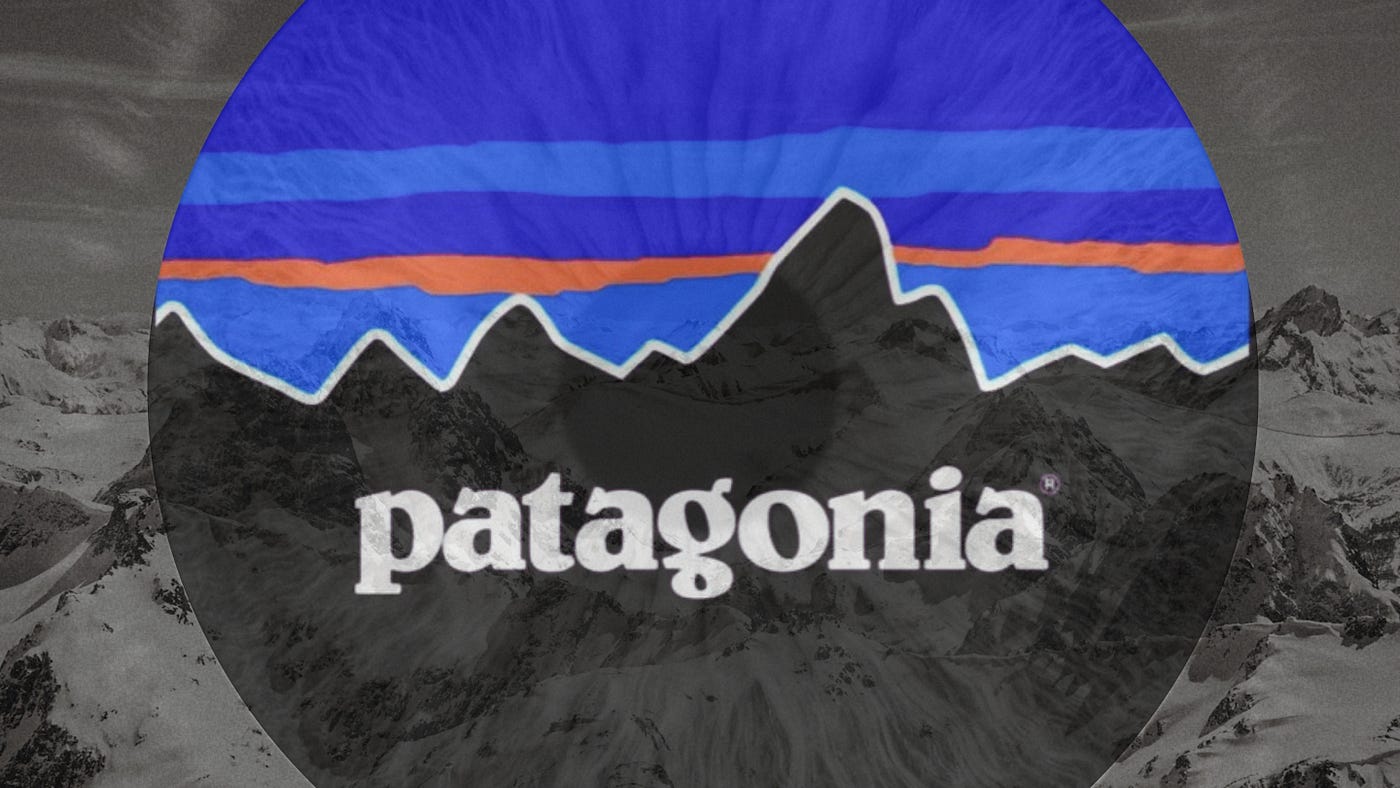
This time, profit beat the planet, and it did it wearing the planet’s favorite jacket (created by author)
It is raining in Bariloche, the rough autumn rain that hits sideways off the lake and soaks you before you can even decide if you care. I am walking to the office in my Torrentshell, the one that has crossed continents and survived more winters than most things in my life. Water beads and slides off my shoulders, but my feet are wet through my shoes. This is the deal the jacket and I have always had, and it has always held.
I get to the office. I fill the thermos, set out the mate, and prepare the morning ritual that turns a wet commute into a workday. I open the laptop while the water heats.
And there it is, waiting in my inbox like a stone in a shoe.
Patagonia, the brand whose logo I’m still proudly wearing on my chest, the one that took the most iconic silhouette landscape of my homeland and grew it into a multibillion-dollar company, is suing an environmentalist drag queen.
The Badge I Wore For Thirty-Five Years
I should explain what this brand has been to me, because the disappointment only makes sense if you understand the loyalty underneath it.
I grew up inside the word. Patagonia is not a brand or a jacket to me. It is a region the size of Mexico, the southern tip of South America, and the place where I learned to fish, to ski, to drink straight from glacier rivers cold enough to burn. It is my homeland and my blood, what shaped me into who I am today.
When Yvon Chouinard and four friends crammed into a van in California in the sixties and drove south to climb Fitz Roy, they took the name of my home back north with them and stitched it onto a clothing line in 1973. The logo is the silhouette of Monte Fitz Roy, a peak most of their customers could not place on a map even if you gave them two thousand miles of margin for error.
And for most of my life, I made my peace with that, because the company seemed to earn the right to that name. They put their profits toward fighting climate change. They built Worn Wear to repair gear and keep clothes out of landfills. They called out the rest of the industry for hiding behind feel-good words like “sustainable” and “green” while still doing dirty, irresponsible things. In a world of empty promises, they felt like the real thing by a wide margin. Often enough, they chose nature over business.
I pinched pennies to buy their top-shelf gear, like paying dues to prove I was on their side. I even defended them out of conviction and wrote a whole piece doing it.
[embed]I mean, how could you not love this campaign?
When I learned they were flying jackets by plane all over the world, outflying even H&M and Primark, I did call it out. But then I also turned around and basically said: if you are trying to be a real environmental leader, you are going to mess up sometimes. What matters is owning it, not hiding it. That was me giving them a pass. And I wore their logo as a badge of honor while I wrote it. I believed leadership was a burden they were carrying, and that carrying it badly some days was the price of carrying it at all.
So understand: I am not a hater warming up. I’m a true Patagonian who’s rooted for them for 35 years, and reading this news felt like something in that loyalty finally snapped.
What The Lawsuit Actually Is
In September 2025, Wyn Wiley — better known as the drag queen and climate activist Pattie Gonia — filed a trademark application for her own name. Wiley had been using that name since 2018, building an audience of nearly two million people and, along the way, raising millions for environmental and LGBTQ+ nonprofits, bringing a dose of glitter and joy to a movement that can feel relentlessly grim.
Pattie Gonia is fostering an inclusive outdoor community bringing a dose of glitter and joy to a movement that can feel relentlessly grim (Source)
Patagonia sued anyway.
In the Central District of California, the brand that is in business “to protect our home planet” filed suit against one person, seeking one dollar in damages. But the real threat is the legal bill: Wiley says fighting it could cost more than a million dollars.
One dollar on the claim, a million dollars on the pressure. That math tells you what this is really about.
Patagonia’s public line is pretty basic: “We had no choice.” In a January statement, the company said trademark law basically requires it to go after anyone who uses a similar name, or it could weaken its ability to protect the brand later. It even lumped Pattie Gonia into the same bucket as counterfeiters, hate groups, and the oil and gas lobby.
But it’s not acting like this is a quick, box-checking legal move.
Recently, CEO Ryan Gellert said the company does not plan to drop the case. And this week, Patagonia offered a settlement with three demands: drop the trademark application, stop using anything that looks like Patagonia’s logo, and stop selling and promoting anything under the Pattie Gonia name.
[embed]
Wiley agreed to the first two, but not the third. Becuase that last demand is not really about a few t-shirts. It would cut off the partnerships that fund the education and advocacy that define Pattie Gonia’s work.
So right now, this is where it’s stuck: a public back-and-forth on social media, and a lawsuit that keeps getting more expensive for only one side.
A Living Place Is Not a Commodity
Fortunately, Emily Atkin from HEATED does what too few people do: she refuses to let powerful companies hide behind comforting slogans, and this time was no exception. So, is “we had no choice,” the moral alibi propping up this whole mess, actually true — or is it just the excuse Patagonia is counting on everyone to accept without thinking?
Alexandra Roberts, a trademark law professor at Northeastern, puts it plainly: letting one small use slide does not suddenly make your trademark worthless. Lawyers whose job is sending cease-and-desist letters love to say it matters. But there is not much real evidence that courts work that way. Taylor Swift can ignore fans selling handmade merch on Etsy and still go after an actual counterfeiter later, and no court will throw out the second case because she ignored the first.

In a letter to Pattie Gonia cited on page 20 of the lawsuit, Patagonia© asserts: “Trademark law requires Patagonia to affirmatively protect its trademarks against all potential infringement even where the company is aligned with the purpose and goals of Pattie Gonia the persona.” (Source: HEATED)
Patagonia didn’t have to do this. It is a choice they are making, even if they keep calling it a legal obligation. The company is not a hostage to trademark law. This is a multibillion-dollar company looking at a drag queen raising money for the planet they both claim to be saving, and deciding the name is worth more than the alliance — though the name was never theirs to lend.
In its own complaint, Patagonia describes its trademarks as “fanciful.” In trademark law, fanciful means a completely invented word. Xerox. Rolex. A term conjured from nothing.

Screenshot from Patagonia’s complaint V Pattie Gonia (Source)
Well, Patagonia is not invented. I am standing in it. It is soil under my nails, wind in my face, water in my throat. Millions of people drink from the rivers that the glaciers of this region send downhill.
The name itself is a colonial label that goes back to the 1500s, when the Portuguese explorer Ferdinand Magellan landed at the southern tip of South America and met the Tehuelche people, who were living on this land long before any van rolled south. Magellan called them “Patagones,” which roughly means “big-footed.” So when Patagonia calls the word “fanciful” in a legal filing, it is treating the place that gave them everything in exchange for nothing as science fiction, erasing it again, this time in ink and under oath.
Now, the law mostly backs them up.
Geographic names can be trademarks. Amazon is a river and a warehouse empire. Nike is a sportswear empire and a Greek island. Fuji is a sacred peak and a camera brand. Patagonia, of course, does not own the place, only the commercial meaning it built around the word over fifty-three years of catalogs and Synchilla fleece. Legally, this is solid ground.
Yet here is something the law cannot measure: a living place is not a commodity or something a company should get to “own” in the marketplace just because you filed the paperwork first and paid lawyers to defend it. A region is full of people, histories, and responsibilities. It is not a marketing asset you can slap into a logo and lock behind a trademark. And if Patagonia truly believes its own sermons about transparency, responsibility, and business for the greater good, then it should be the first to acknowledge that.
So this lawsuit reads like just another chapter in a very old pattern: powerful outsiders deciding what “Patagonia” means, and who gets to use the word. In the 1800s, my country Argentina and Chile sold the region as an “empty desert” to justify taking it, then took it, killing and displacing the most people who proved it was never empty.
To be clear, a clothing company borrowing a name is not the same as a state commtiting genocide. But the rhyme is hard to ignore: Patagonia becomes most “useful” to outsiders when it is reduced to a postcard of pure wilderness, with nobody inside it who matters.
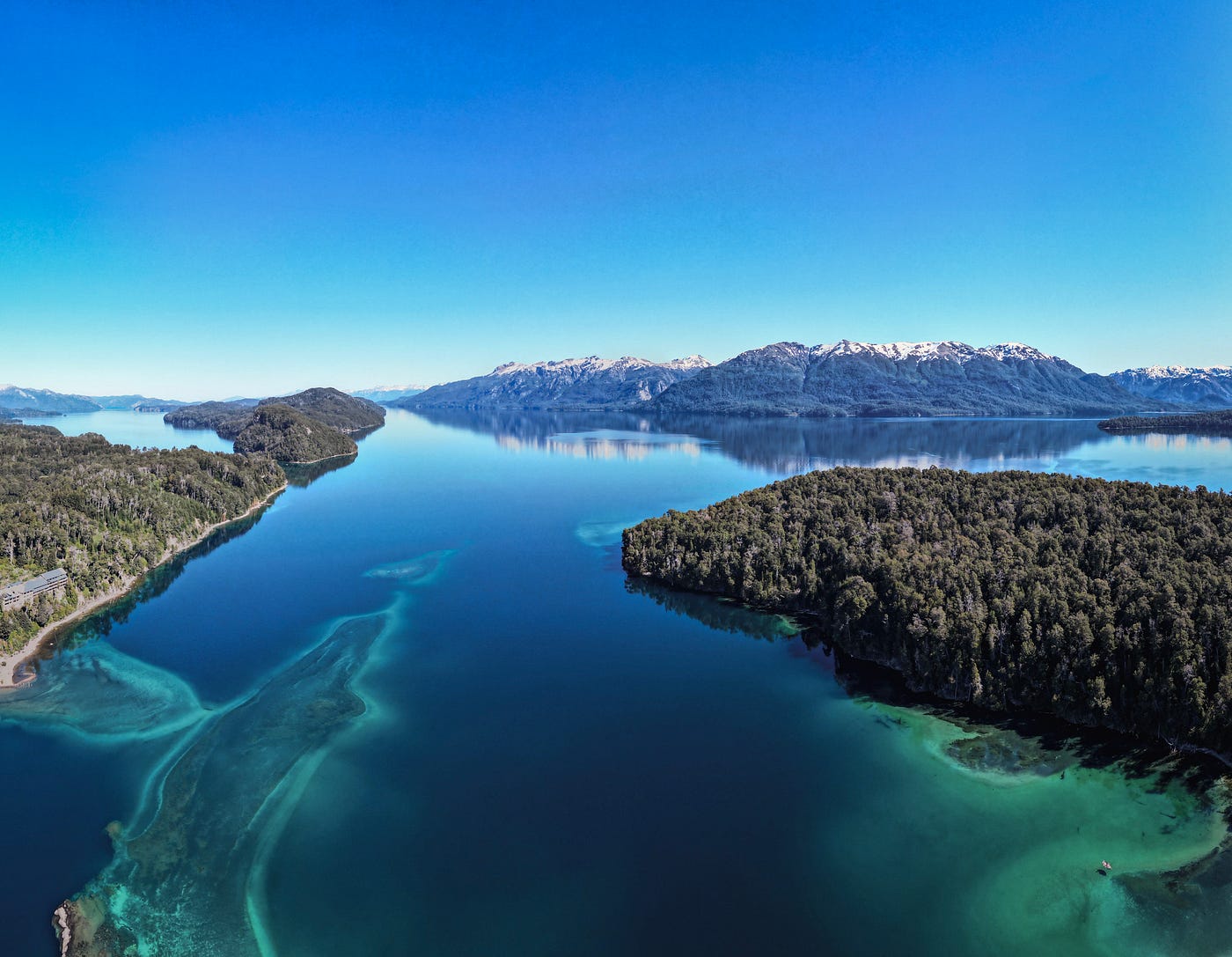
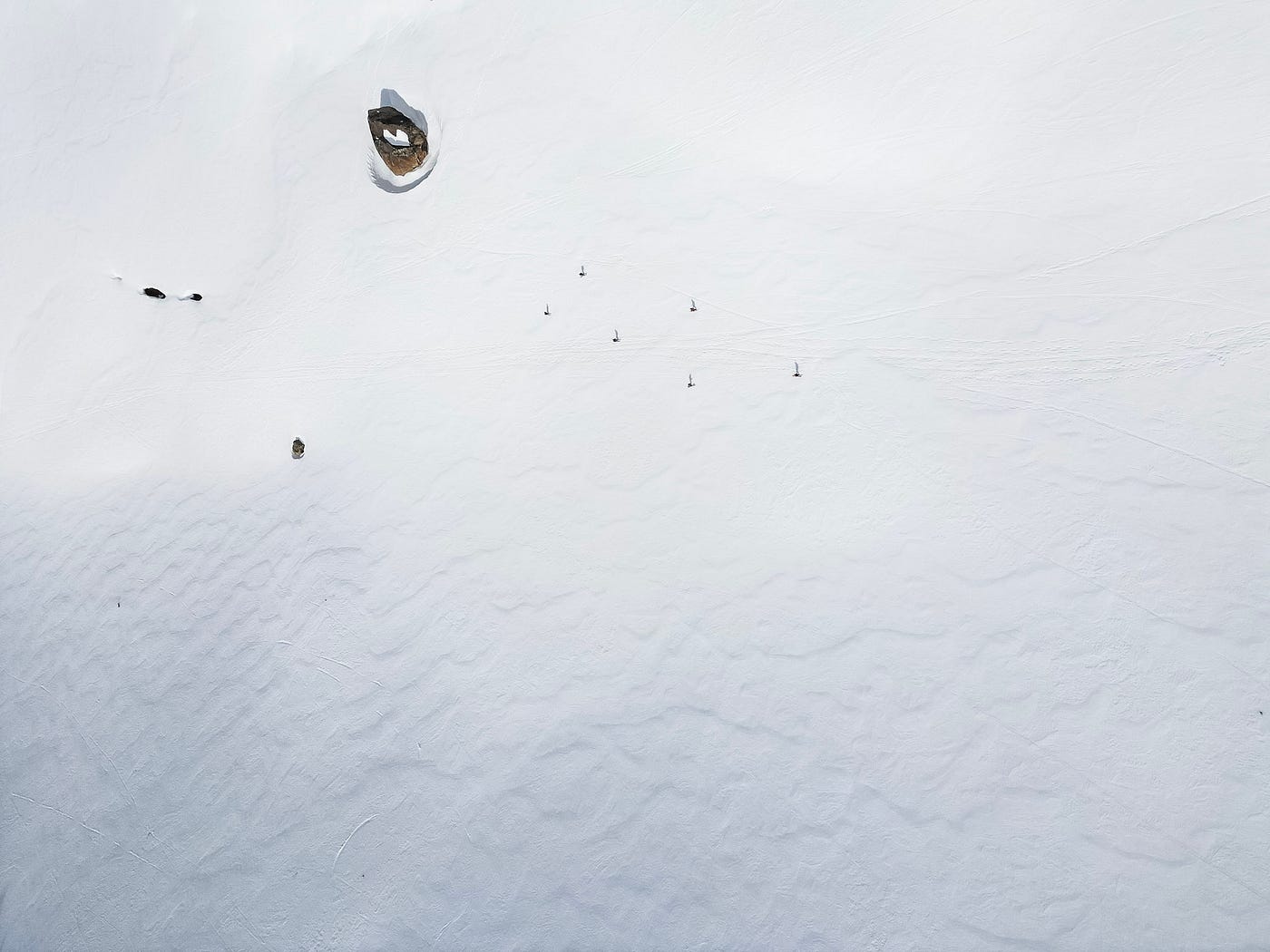
It may look empty at first, yet there we are (photos by author)
The Math of Fifty-Three Years
To be fair, Patagonia has done real good here. They fund environmental groups in Argentina and Chile. And after decades of using the region’s name, they have finally shown up in a real way on the Argentine side too.
In Bariloche, they restored a historic house called Casa Frey and turned it into a store that also functions as a community hub. They host events, do Worn Wear repairs, and built a greenhouse that is genuinely beautiful. They also employ dozens of locals. I have been inside, and it is the best version of what the company says it is.
[embed]
And still, I cannot stop doing the math.
For most of its fifty-three years, the brand’s main foothold in Argentina was a store in downtown, mountainless Buenos Aires, more than 2,000 kilometers away from their logo silhouette but closest to the wealthiest population in the country.
The deepest corporate pockets in sustainable fashion, and it took them most of my lifetime to plant a flag where the name actually lives. Casa Frey is lovely. It is also the receipt that proves where the priority sat for half a century. The greenhouse came only after the logo had already traveled around the world thuosands of times.
This is what gets under my skin as I sit here letting my mate go cold. For fifty-three years, the company has made a fortune off the name of my home, but so little of that money seems to make it back to the place itself. And now they are hiding behind a “we have no choice” trademark argument to go after an activist who is doing the kind of work Patagonia says it exists to support.
“Disappointed” feels way too polite for what I’m actually feeling.
The hardest questions
I could end on the indictment. It would be easy and honestly, it would feel good. But the scalpel has to turn inward too, because Pattie Gonia is not a clean martyr and I am not a clean victim, and pretending otherwise would be exactly the kind of comfortable story I keep accusing other people of selling.
So let’s start with Pattie.
Yes, she agreed to stop using Patagonia’s logo, and good. But she also applied for a very broad commercial trademark that covers clothing, marketing, and events. That is not just a joke or parody claim. Wiley is not a powerless nobody either. Pattie Gonia is a brand, with employees and revenue. So when Wiley says this lawsuit could hurt “everyone I employ,” that is true, but it is also the language of a business, a smaller version of the same machine Wiley criticizes.
The difference between her and Patagonia is enormous. But the difference is one of size and power, not of kind. Both are trying to build something commercial around the same beautiful, borrowed word. If “Pattie Gonia” is clearly a pointed critique of the company, the sarcasm earns its place. If it is mostly using Patagonia as a cool, wild mystique, then everyone involved owes the place and the people an apology.
Now, the hardest question: why am I so attached to a California brand that turned my home into a logo? What was I really buying for thirty-five years?
The waterproofing and other technical fabrics, sure. But also a feeling: belonging, status, the sense that wearing the mountain meant something about who I was, that a company ten thousand miles away had blessed my landscape with importance. I let a foreign corporation tell me my own home mattered, and I paid them a premium for the privilege of being told. How foolish.
There are people here (right here) making excellent gear, with names you will never see splashed across a summit photo. I could have been wearing my own region all along. Instead, I paid for the export version of my home, the one with the approved logo, and mistook that corporate stamp for closeness.
That is the trick green capitalism runs, and I fell for it compltely. The mask was never going to slip from the outside. It slips when you catch yourself defending the thing that is selling you back your own reflection at a markup, and you finally ask the only question that matters: who gets paid — and who gets erased?
[embed]Maybe it’s time the rewatched their own film
A Different Kind of Cold
I close the laptop. The mate has gone cold and bitter, which is what happens when you forget it for an argument.
The rain is still coming down. I put the Torrentshell back on for the walk home, because it works, because I already own it, and because complicity is not a coat you can take off just because you noticed the lining
The water will run off my sleeves. My shoulders will stay dry. And yet, there is a kind of cold that will get in anyway, one no fabric was built to keep out.
I still admire what Patagonia built. I think their history is real and their conservation work is real and Casa Frey is genuinely a great place to have in my town.
But this time, profit beat the planet, and it did it wearing the planet’s favorite jacket.
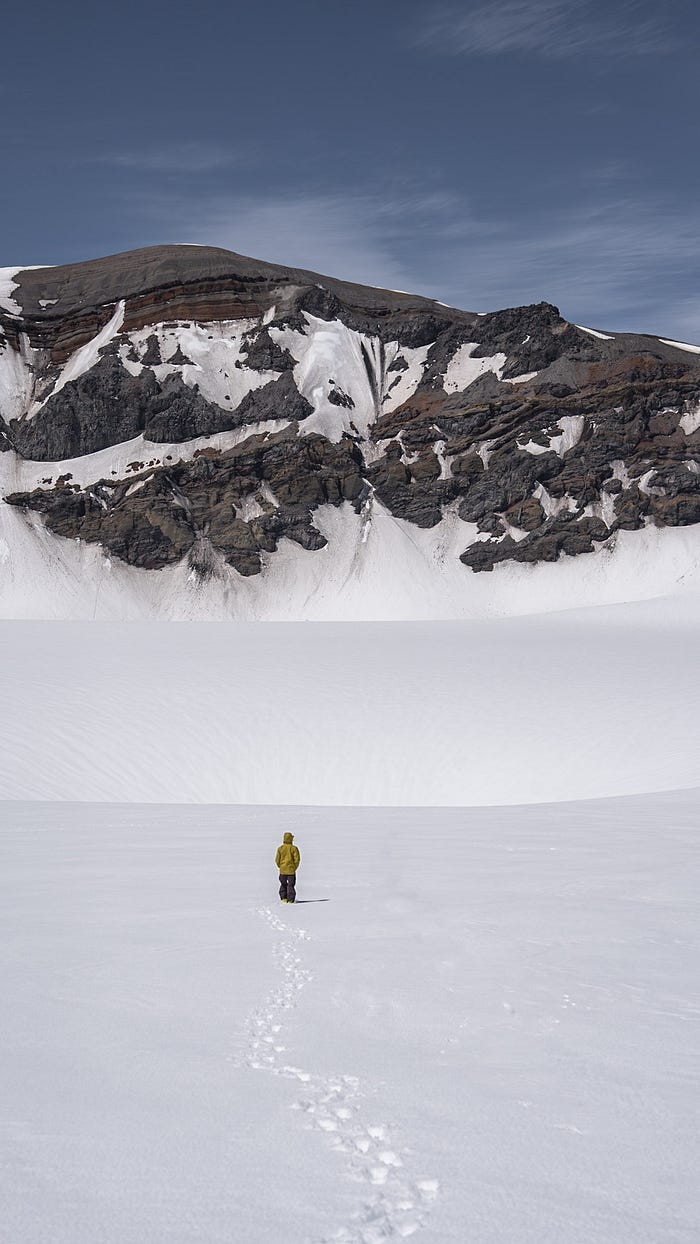
That’s me, inside the crater of Volcán Puyehue, wearing (of course) my favourite Patagonia jacket (photo by author)
Thanks for reading! If you have something to say, reach out! If you want to support my work, here is the place to do so.
메타데이터
- post_id
- d4e43b150cf2
- slug
- patagonia-spent-53-years-profiting-from-my-homeland-now-its-suing-a-drag-queen-over-the-name-d4e43b150cf2
- url
- https://medium.com/southern-winds/patagonia-spent-53-years-profiting-from-my-homeland-now-its-suing-a-drag-queen-over-the-name-d4e43b150cf2
- canonical_url
- https://medium.com/southern-winds/patagonia-spent-53-years-profiting-from-my-homeland-now-its-suing-a-drag-queen-over-the-name-d4e43b150cf2
- author_url
- https://medium.com/@rickylanusse
- status
- ok
- fetched_at
- 2026-06-12 18:14:10