Crown Of The Cosmos: Agnikul Cosmos’s Orbital AI Data Centre and Its Mission Beyond Earth
In a development that marks a bold new chapter in space-era computing, India’s private space technology sector has taken a monumental step…
Crown Of The Cosmos: Agnikul Cosmos’s Orbital AI Data Centre and Its Mission Beyond Earth

Cosmos’s Orbital AI Data Centre
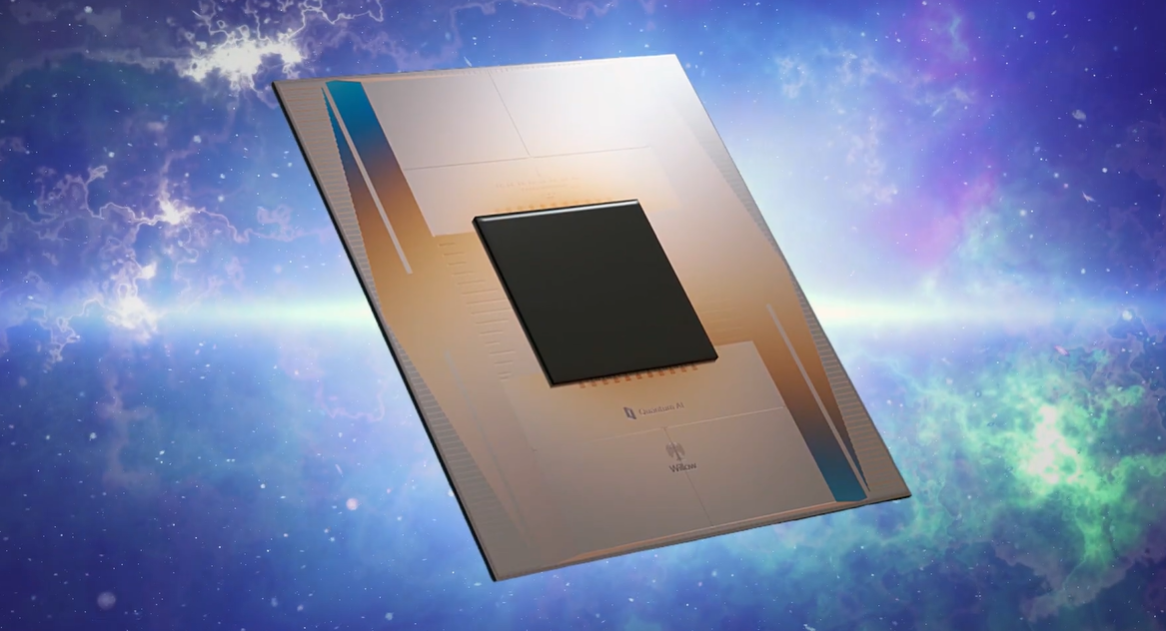
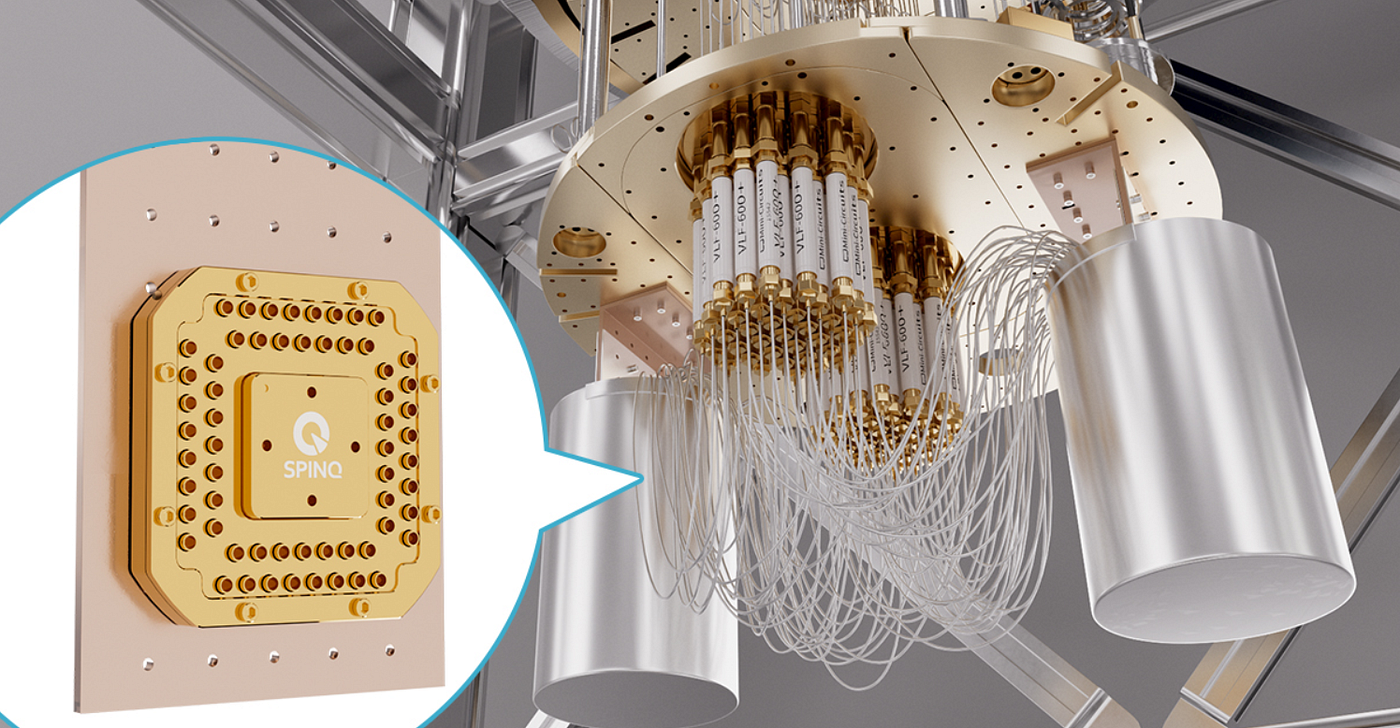
In a development that marks a bold new chapter in space-era computing, India’s private space technology sector has taken a monumental step towards redefining how humanity builds and uses infrastructure beyond the atmosphere. At the center of this shift is Agnikul Cosmos, a Chennai-based spacetech pioneer that has announced plans to build an orbital artificial intelligence (AI) data centre, effectively transforming traditional cloud computing into a platform that literally orbits Earth.
Why Is Everyone Heading to Orbit?
For decades, space was the domain of national space agencies and a handful of experts. Today, it’s increasingly becoming ground zero for cutting-edge technology deployment — especially AI and cloud computing. Several factors are driving this shift:
1. Immeasurable Energy Potential — Orbit offers near-constant access to solar energy without the day-night cycles that ground-based solar farms face. This means data centres could theoretically run more sustainably and cheaply, powered by uninterrupted, high-density solar arrays. Researchers and overseas reports suggest that orbital computation could cut energy costs significantly.
2. Free Cooling and Heat Radiative Advantage — Earth-bound data centres consume massive amounts of energy just to cool overheated servers. In orbit, the vacuum of space acts as a near-perfect heat sink, allowing waste heat from computing hardware to dissipate more efficiently — without the need for refrigeration.
3. Latency, Real-Time Processing, and Proximity to Space Data — Satellite constellations and space sensors are generating vast amounts of data daily. Processing this information in orbit could reduce the time it takes to analyze and deliver insights, particularly for global communications, defense, and scientific research. This advantage is sparking race conditions among space startups and tech giants alike.
The result? A new space-tech frontier where compute and cloud services are moving off-planet, not just for cachet but for genuine technical and commercial advantages.
How Is Elon Musk Planning to Dominate Space?
Few figures embody the private space revolution like SpaceX, led by Elon Musk. Since its founding in 2002, SpaceX has driven down launch costs, pioneered reusable rocket technology, and dramatically increased the cadence and scale of orbital deployments.
In recent discussions within the space and AI investor ecosystem, SpaceX has signaled ambitions to integrate AI compute directly into its satellite networks — particularly its global broadband constellation, Starlink. Rumors and industry commentary suggest plans to embed dedicated AI processing units across future satellite batches, potentially turning Starlink into an enormous distributed orbit-based cloud.
This strategy accomplishes multiple goals simultaneously: it keeps launch costs predictable by piggy-backing on Starlink deployment, extends SpaceX’s reach into the lucrative data infrastructure market, and positions the company uniquely to leverage AI and network convergence.
Meanwhile, competitors such as Jeff Bezos’s Blue Origin have reportedly been quietly developing technologies to support space-based data centres, indicating that the race for orbital AI isn’t a single-player affair.
What Makes the Indian Mission Unique?
India’s entry into the orbital compute race is remarkable for several reasons:
1. A Homegrown Vision with Local Partners: Unlike many foreign initiatives backed primarily by massive legacy companies, Agnikul’s plan is being steered by Indian innovation and a partnership with Bengaluru-based cloud and AI firm NeevCloud. Together, they aim to integrate “AI-in-space” infrastructure directly into an orbital platform — targeting a proof-of-concept mission by late 2026 and commercial operations by 2027.
2. Efficient Use of Rocket Hardware: Rather than adding an entirely new satellite into orbit, Agnikul intends to utilise the upper stage of its own launch vehicle as a hosting platform for data-processing hardware. Typically discarded after deploying payloads, this upper stage will instead be engineered to act as a persistent platform for cloud-grade computing systems — a novel and cost-efficient use of launch assets.
3. Sovereign AI Capability: At a time when AI infrastructure dominance has become a matter of national strategic interest, India’s orbital data centre initiative underscores a sovereign approach to future-proof computing capabilities that don’t rely solely on foreign cloud providers or global tech giants.
4. Growing Private Space Ecosystem: Beyond Agnikul and NeevCloud, India’s private space ecosystem has matured dramatically. Companies such as Dhruva Space and Skyroot Aerospace are already building small satellites and orbital launch services, further enriching India’s space infrastructure landscape.
Who Else Is in the Running?
The competition to build orbital AI infrastructure is expanding rapidly:
- SpaceX (USA): As mentioned, SpaceX is exploring Starlink upgrades to support in-orbit AI compute, which could rapidly scale an almost planetary cloud architecture.
- Blue Origin (USA): Jeff Bezos’s space venture is reportedly developing hardware and orbital systems aimed at supporting space-based computing hubs.
- Startups like ALATYR (USA): Companies such as ALATYR are developing orbital data centre modules with robotic assembly capabilities, suggesting that large, scalable compute installations in orbit could become a reality within the next decade.
- Global Innovators (Europe, Japan, etc.): Other space tech companies are exploring smaller lunar or orbital processing modules, often tied to defense, climate monitoring, or next-generation telecommunication projects.
Even within India, technical efforts by startups beyond Agnikul — such as Earth observation platforms, space sensors, and satellite networks — strengthen the country’s space-tech capabilities and feed into a broader ecosystem where orbital AI data centres are just one element.
Challenges on the Road Ahead
Despite the promise, orbital AI compute faces formidable hurdles:
- Launch Costs: Although reusable rockets have drastically reduced the price tag to access orbit, sending heavy AI hardware into space remains expensive compared to terrestrial alternatives.
- Regulatory and Safety Clearances: Deploying and operating infrastructure in space requires extensive regulatory approvals, especially in emerging domains like AI processing in orbit.
- Thermal & Radiation Challenges: Space isn’t a benign environment; radiation hardening and thermal management require specialized engineering that can withstand years of harsh exposure.
- Sustainability & Debris Management: As more objects orbit Earth, managing space debris and preventing collisions becomes a priority not just for operators, but for all stakeholders in near-Earth space.
The Final Frontier of Computing?
From a grand perspective, the rise of orbital AI data centres reflects a broader shift in how technology architects perceive the “cloud.” No longer bounded by terrestrial data parks, the future of computing could span thousands of kilometers above our planet, tapping solar energy, minimizing latency to satellites, and enabling new applications we’ve only begun to imagine.
India’s entry into this frontier — driven by innovation, collaboration, and a keen understanding of both commercial and strategic value — signals that space is no longer just about exploration. It’s about essential infrastructure, global digital sovereignty, and a new competitive space where nations, private firms, and visionary leaders vie for technological ascendancy.
Thank you for reading! If you enjoyed this, don’t forget to follow and subscribe to see more of my writing.
Be a part of our growing community! Show your support by clapping and following the writer 👏️️.
Stay updated by following us on TALKFEVER ( Indian Facebook ), X, LinkedIn, YouTube, Discord, and subscribing to our newsletter.
메타데이터
- post_id
- d503ccb6096e
- slug
- crown-of-the-cosmos-agnikul-cosmoss-orbital-ai-data-centre-and-its-mission-beyond-earth-d503ccb6096e
- url
- https://medium.com/@jckapadia003/crown-of-the-cosmos-agnikul-cosmoss-orbital-ai-data-centre-and-its-mission-beyond-earth-d503ccb6096e
- canonical_url
- https://medium.com/@jckapadia003/crown-of-the-cosmos-agnikul-cosmoss-orbital-ai-data-centre-and-its-mission-beyond-earth-d503ccb6096e
- author_url
- https://medium.com/@jckapadia003
- status
- ok
- fetched_at
- 2026-08-05 01:18:02