AI Companions and Digital Humans: Why the Future of Technology Will Feel Deeply Personal
Artificial intelligence is rapidly moving beyond simple chatbots and automated assistants into something far more emotionally immersive and…
AI Companions and Digital Humans: Why the Future of Technology Will Feel Deeply Personal
Artificial intelligence is rapidly moving beyond simple chatbots and automated assistants into something far more emotionally immersive and transformative. One of the hottest trends in AI today is the rise of AI companions and digital humans, systems designed to communicate naturally, emotionally, and conversationally with people in ways that feel remarkably personal. This shift is not just changing technology. It is changing human behavior, emotional connection, business models, and even the psychology of daily life.
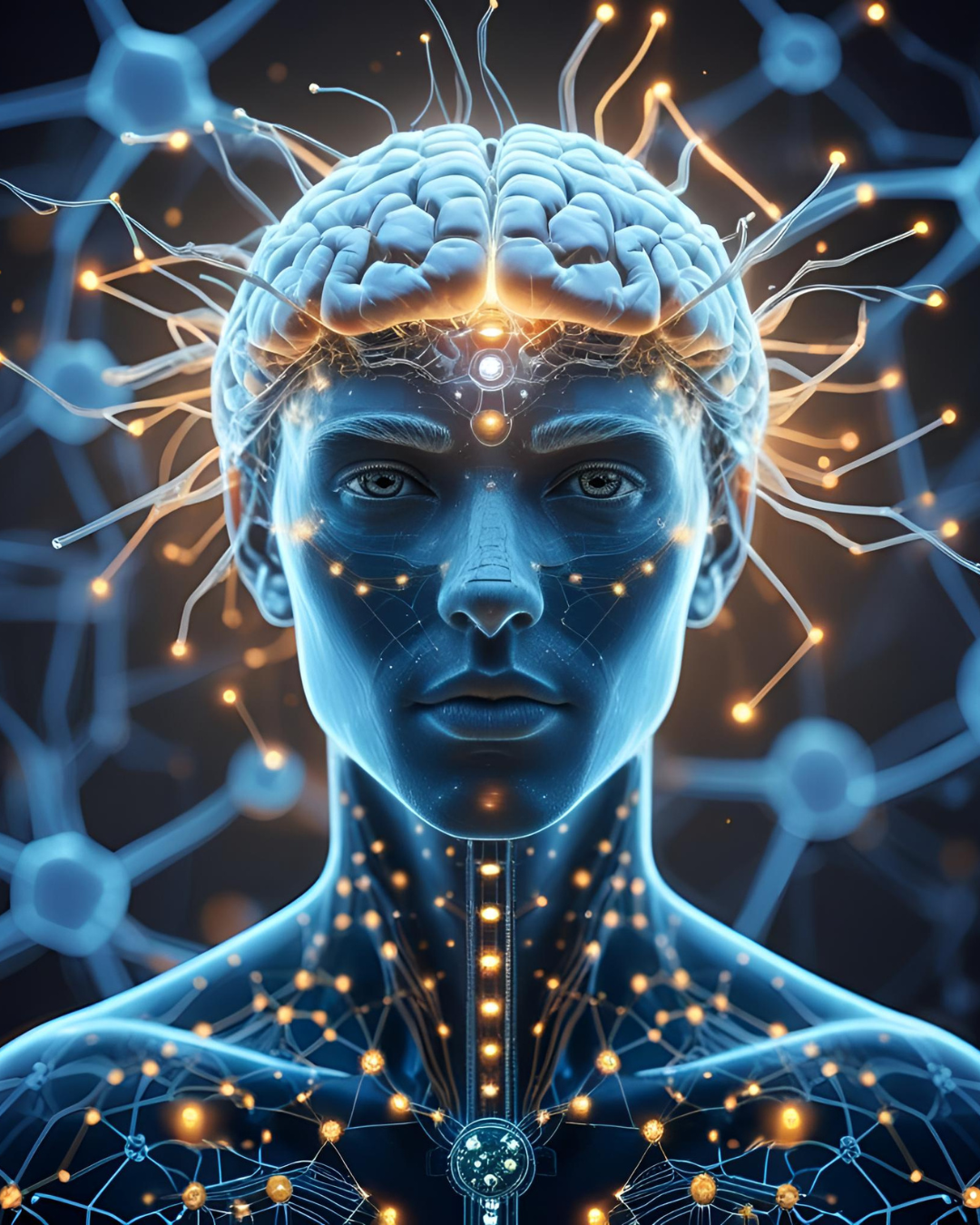
For years, technology was functional but emotionally cold. People used software because they had to, not because they felt connected to it. Today, however, AI systems are becoming conversational, emotionally adaptive, and increasingly human-like. AI companions can remember preferences, adapt tone, understand emotional context, and provide interactions that feel supportive and personalized. What once seemed futuristic is quickly becoming mainstream.
This transformation is happening because humanity is craving connection more than ever before. Despite living in an era of social media and constant communication, millions of people feel isolated, overwhelmed, and emotionally disconnected. AI companions are emerging as a response to that emotional gap. People are turning to AI for conversation, companionship, productivity support, emotional encouragement, and even motivation during difficult periods in life.
The market for AI companions is exploding because these systems offer something traditional software never could: emotional continuity. Unlike static apps, AI companions evolve through interaction. They learn communication patterns, adapt to user behavior, and create experiences that feel increasingly individualized. This creates a sense of familiarity and emotional attachment that standard technology platforms rarely achieve.
Businesses are recognizing the enormous commercial opportunity behind digital humans and emotionally intelligent AI companions. Companies are developing AI-powered virtual influencers, AI customer service representatives, AI wellness coaches, AI teachers, AI mentors, and AI productivity assistants. These systems are designed not just to provide information but to create relationships with users over time.
One of the most fascinating developments is the growing realism of digital humans. Advanced generative AI systems can now create human-like voices, facial expressions, conversational patterns, and emotional responses that feel almost indistinguishable from real human interaction. Combined with video generation and real-time animation technologies, AI companions are becoming increasingly immersive and lifelike.
The implications for healthcare and mental wellness are especially significant. AI companions could help elderly individuals reduce loneliness, assist patients coping with anxiety or depression, and provide emotional support in situations where human resources are limited. In many parts of the world, access to mental health support remains inadequate. AI companions may help bridge some of that gap by providing immediate, accessible interaction.
Education is another area experiencing transformation through digital humans. AI tutors capable of adapting emotionally and intellectually to each student could revolutionize learning experiences globally. Instead of static educational content, students may increasingly interact with AI mentors that personalize teaching methods dynamically based on emotional engagement, curiosity, and comprehension levels.
At the same time, the rise of AI companions raises complex ethical questions. Humans naturally form emotional attachments to systems that communicate empathetically and consistently. As AI becomes more emotionally persuasive, society must carefully consider boundaries around emotional dependency, manipulation, privacy, and trust.
AI companions do not genuinely experience emotion. They simulate emotional understanding through advanced pattern recognition and predictive modeling. That distinction matters deeply. While these systems can provide comfort and support, transparency must remain central. Users deserve to understand when they are interacting with artificial systems and how those systems operate.
The future of AI companions must remain human-centered rather than exploitative. Ethical AI development will become increasingly important as emotionally intelligent systems become more integrated into daily life. Companies that prioritize trust, transparency, and emotional well-being may ultimately lead the next era of digital innovation.
Leadership and business culture are also evolving in response to this trend. Brands increasingly recognize that consumers want authentic experiences and emotionally meaningful engagement. AI companions may eventually become one of the most powerful tools for customer relationship management, personalized marketing, and community building. Businesses that understand emotional personalization could dominate future consumer markets.
Another extraordinary trend is the rise of AI-powered digital twins and virtual personalities. Some entrepreneurs, creators, executives, and influencers are beginning to create AI versions of themselves that can continuously communicate with audiences. These digital identities may eventually become extensions of personal brands, businesses, and online presence. This introduces entirely new opportunities for scalability, communication, and audience engagement.
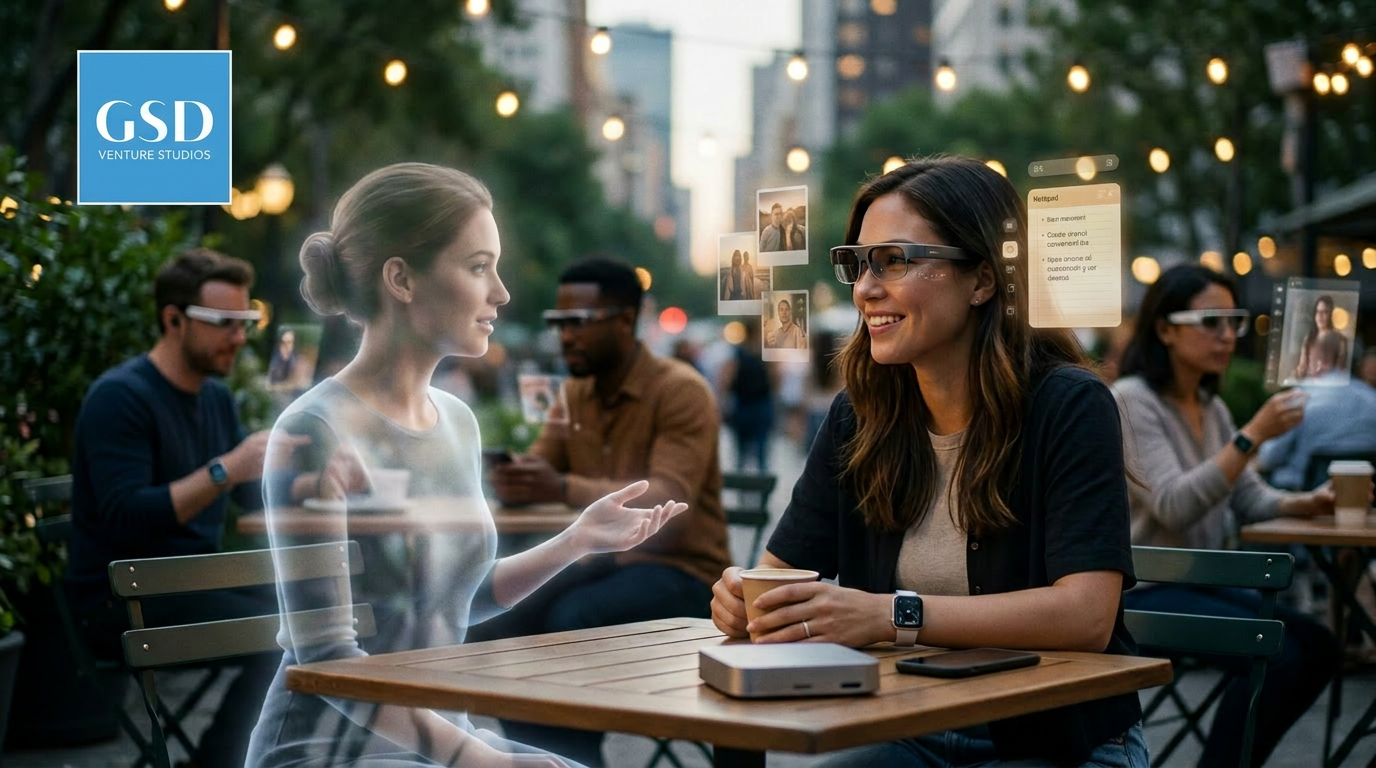
The convergence of AI companions with augmented reality, virtual reality, and wearable technology could create even more immersive experiences. Future AI companions may appear as persistent digital presences integrated into everyday environments through smart glasses, holographic systems, and spatial computing technologies. The boundary between digital interaction and physical experience may continue to blur dramatically.
What makes this moment so extraordinary is that humanity is redefining the relationship between emotion and technology itself. Technology is no longer only about productivity or efficiency. It is becoming deeply personal, emotionally adaptive, and integrated into human experience in unprecedented ways.
The rise of AI companions and digital humans represents far more than a technological trend. It represents a shift toward emotionally immersive computing, where relationships, communication, and emotional interaction become central parts of the digital economy.
The future of technology may not simply be intelligent.
It may feel deeply human.
메타데이터
- post_id
- d5049f8b0d19
- slug
- ai-companions-and-digital-humans-why-the-future-of-technology-will-feel-deeply-personal-d5049f8b0d19
- url
- https://medium.com/@gafowler/ai-companions-and-digital-humans-why-the-future-of-technology-will-feel-deeply-personal-d5049f8b0d19
- canonical_url
- https://medium.com/@gafowler/ai-companions-and-digital-humans-why-the-future-of-technology-will-feel-deeply-personal-d5049f8b0d19
- author_url
- https://medium.com/@gafowler
- status
- ok
- fetched_at
- 2026-06-20 20:29:01