A Deep Dive into Image Segmentation: Semantic, Instance, and Panoptic Explained
Image segmentation is one of the most fascinating and impactful areas in computer vision. From self-driving cars identifying pedestrians to…
A Deep Dive into Image Segmentation: Semantic, Instance, and Panoptic Explained
Image segmentation is one of the most fascinating and impactful areas in computer vision. From self-driving cars identifying pedestrians to medical systems detecting tumors, segmentation plays a central role in helping machines understand images at a pixel level.
In this article, we’ll explore four key concepts:
- Image Segmentation (the foundation)
- Semantic Segmentation
- Instance Segmentation
- Panoptic Segmentation
By the end, you’ll not only understand the differences — but also when and why each approach is used.

What is Image Segmentation?
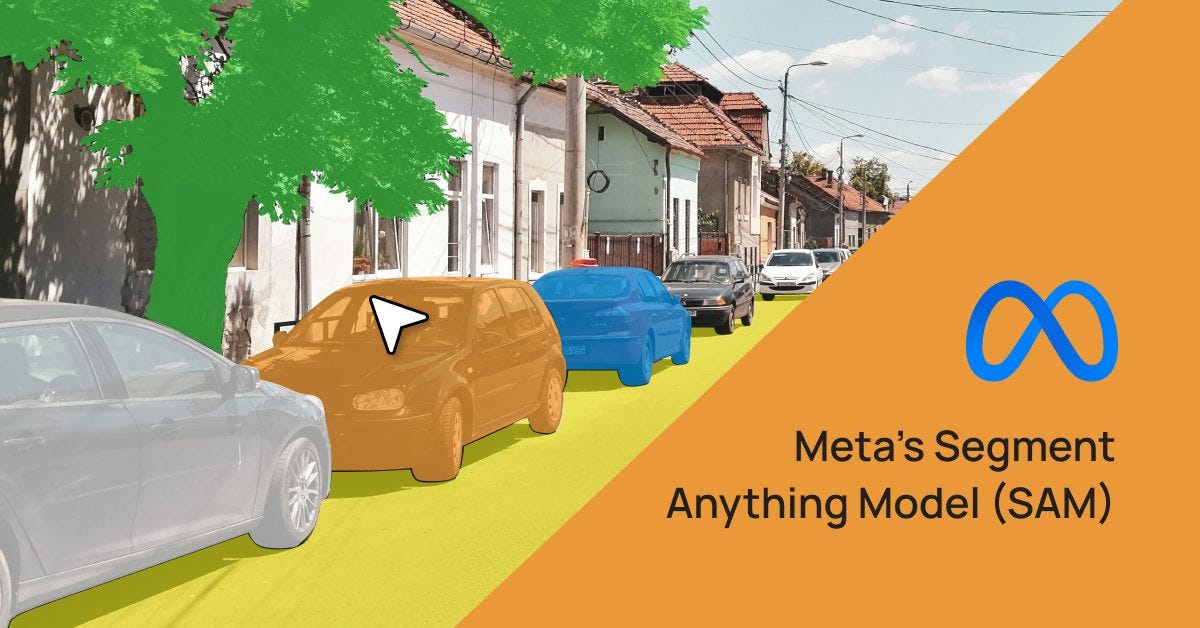
At its core, image segmentation is the process of dividing an image into meaningful regions.
Instead of treating an image as a grid of unrelated pixels, segmentation groups pixels based on shared characteristics such as:
- Color
- Texture
- Intensity
- Object boundaries
How it works
A segmentation algorithm:
- Takes an image as input
- Outputs a set of segments (regions)
These regions can be represented in two main ways:
- Contours: Boundaries outlining segments
- Masks: Pixel-wise labels indicating segment membership
Today, mask-based representations are far more common.
Mask Representation
In a segmentation mask:
- Each pixel is assigned a value
- Different values represent different segments
Often, these values are grayscale. But for visualization, we apply pseudo-coloring, assigning distinct colors to each segment so humans can easily interpret the output.
Semantic Segmentation: Understanding What is in the Image
Semantic segmentation takes things a step further.
Instead of just grouping pixels, it assigns a class label to every single pixel.
Example Classes
- Person
- Car
- Tree
- Road
- SkyKey Idea
Every pixel answers the question:
“What object does this pixel belong to?”
Example Visualization
- Red → Person
- Light green → Grass
- Dark green → Trees
- Blue → Sky
This allows us to:
- Identify all pixels belonging to a class
- Understand the overall scene composition
Limitation
Semantic segmentation cannot distinguish between different instances of the same class.
For example:
- Two people in an image → both are labeled “person”
- All their pixels share the same color
You know what the object is, but not which specific instance it belongs to.
Instance Segmentation: Understanding Which Object is Which
Now suppose you want to distinguish between:
- Person A
- Person B
- Person C
This is where instance segmentation comes in.
What it does
Instance segmentation:
- Detects individual objects
- Assigns each object its own separate mask
Key Difference from Object Detection

Instead of rough rectangles, you get precise object boundaries.
Important Characteristics
- Each object instance has a unique color or label
- Multiple objects of the same class are distinguished
- Focus is typically on specific objects, not every pixel
Limitation
Unlike semantic segmentation:
- Not all pixels are labeled
- Background or “stuff” regions (like sky or road) may be ignored
You know which object is which, but not necessarily the full scene labeling.
Panoptic Segmentation: The Best of Both Worlds
Wouldn’t it be ideal if we could:
- Label every pixel and
- Distinguish between object instances?
That’s exactly what panoptic segmentation does.
Definition
Panoptic segmentation combines:
- Semantic segmentation (dense labeling)
- Instance segmentation (object separation)
What You Get
Every pixel in the image has:
- A class label (e.g., person, tree, sky)
- An instance ID (if applicable)
Example
- Sky → Blue (single region, no instances)
- Grass → Light green (continuous region)
- People → Different colors (e.g., yellow, red, purple)
So:
- Yellow = Person 1
- Red = Person 2
- Purple = Person 3
Same class, different instances.
Why It Matters
Panoptic segmentation provides a complete scene understanding:
- “Stuff” (amorphous regions like sky, road)
- “Things” (countable objects like people, cars)
Putting It All Together
Let’s summarize the differences:

Real-World Applications
These techniques power many modern AI systems:
Autonomous Driving
- Semantic: Road, lane, sidewalk
- Instance: Vehicles, pedestrians
- Panoptic: Full scene understanding
Medical Imaging
- Tumor detection
- Organ segmentation
- Cell-level analysis
Retail & E-commerce
- Product segmentation
- Visual search
Augmented Reality
- Background removal
- Object interaction
Final Thoughts
Image segmentation has evolved from simple region grouping to highly sophisticated scene understanding.
- Semantic segmentation tells us what is present
- Instance segmentation tells us how many and which ones
- Panoptic segmentation gives us everything together
As computer vision continues to advance, panoptic segmentation is becoming the gold standard for holistic image understanding.
If you’re diving into AI or computer vision, mastering these concepts will give you a strong foundation to explore advanced models and real-world applications.
메타데이터
- post_id
- d50f65a349f3
- slug
- a-deep-dive-into-image-segmentation-semantic-instance-and-panoptic-explained-d50f65a349f3
- url
- https://medium.com/@purviverma2026/a-deep-dive-into-image-segmentation-semantic-instance-and-panoptic-explained-d50f65a349f3
- canonical_url
- https://medium.com/@purviverma2026/a-deep-dive-into-image-segmentation-semantic-instance-and-panoptic-explained-d50f65a349f3
- author_url
- https://medium.com/@purviverma2026
- status
- ok
- fetched_at
- 2026-06-09 15:37:30