Why the Future Creator Brand May Never Hold Inventory
For decades, consumer brands were built around one core challenge:
Why the Future Creator Brand May Never Hold Inventory
For decades, consumer brands were built around one core challenge:
predicting demand.
How many units should be manufactured? Which sizes should be stocked? Which colors will sell? How much inventory should retailers carry?
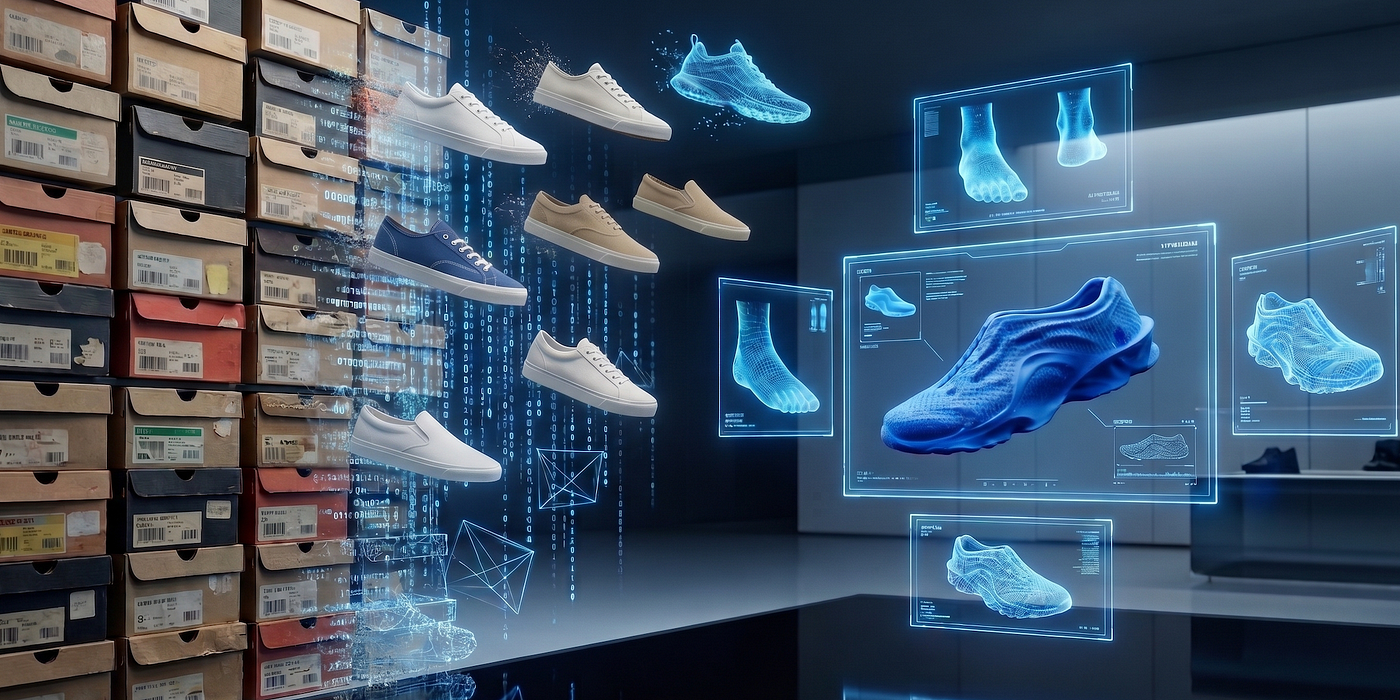
Traditional retail systems were designed around forecasting what customers might want months before they actually buy.
That model created some of the largest inefficiencies in commerce:
- dead inventory
- excess warehousing
- markdowns
- unsold products
- large return volumes
- overproduction waste
But new technology is beginning to change how products can be created, distributed, and sold.
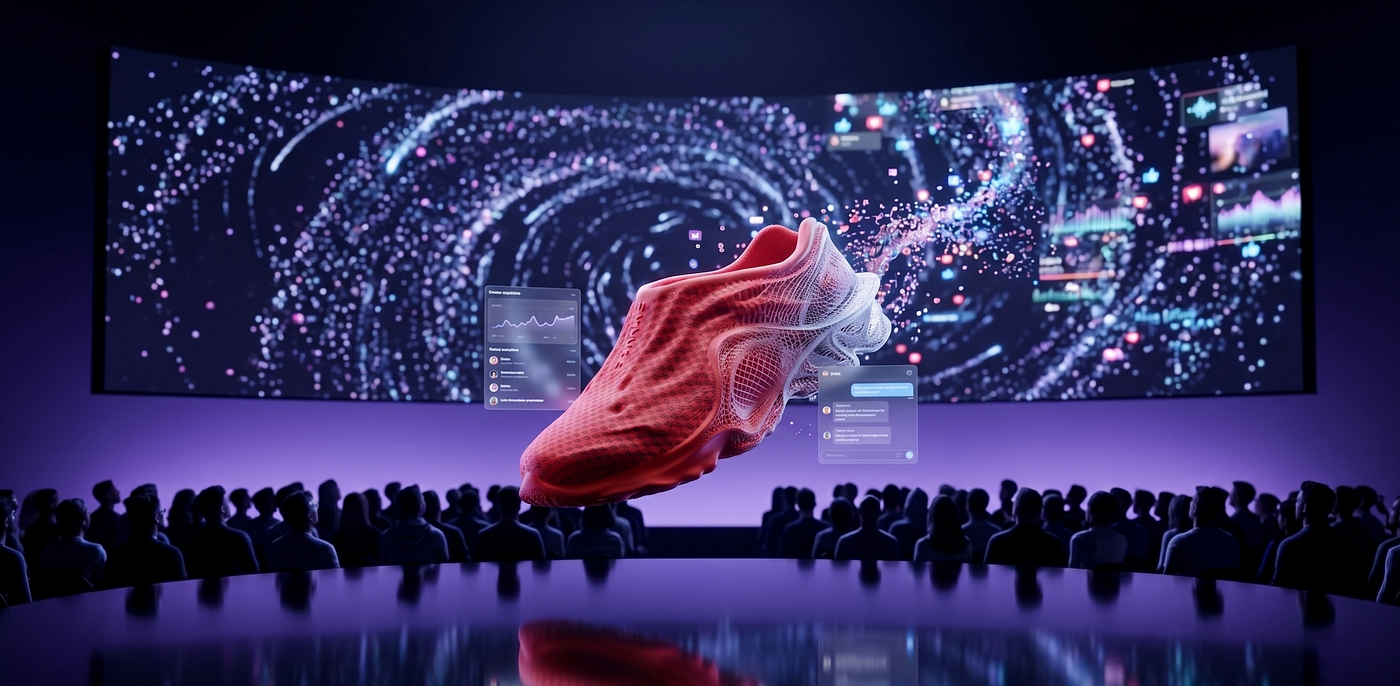
At Syntilay, we believe the future creator brand may look dramatically different from traditional retail brands — especially as AI-assisted design and on-demand 3D printing continue to evolve.
The Traditional Retail Model Was Built Around Inventory
Historically, physical product companies had very few options.
To manufacture products efficiently, brands needed:
- large production runs
- expensive molds and tooling
- warehouse storage
- inventory forecasting
- retailer commitments
- global shipping logistics
That meant brands had to commit massive amounts of capital before truly knowing consumer demand.
For creator-led brands, this created even bigger challenges.
Most creators could build audiences…
but very few could realistically build fully customized physical product companies.
The infrastructure was simply too rigid.
The Creator Economy Is Entering Its Product Era
Today, creators are no longer just influencers.
They shape:
- culture
- fashion
- trends
- consumer behavior
- music
- aesthetics
- online communities
But historically, creators have largely monetized through:
- sponsorships
- ads
- affiliate links
The next evolution of the creator economy will be far more product-driven.
Instead of putting logos on products…
creators will increasingly help shape the products themselves.
AI and 3D Printing Are Changing Product Creation
AI-assisted design and digital manufacturing are beginning to create a more flexible production model.
Instead of:
manufacture first → hope demand exists
the future may increasingly become:
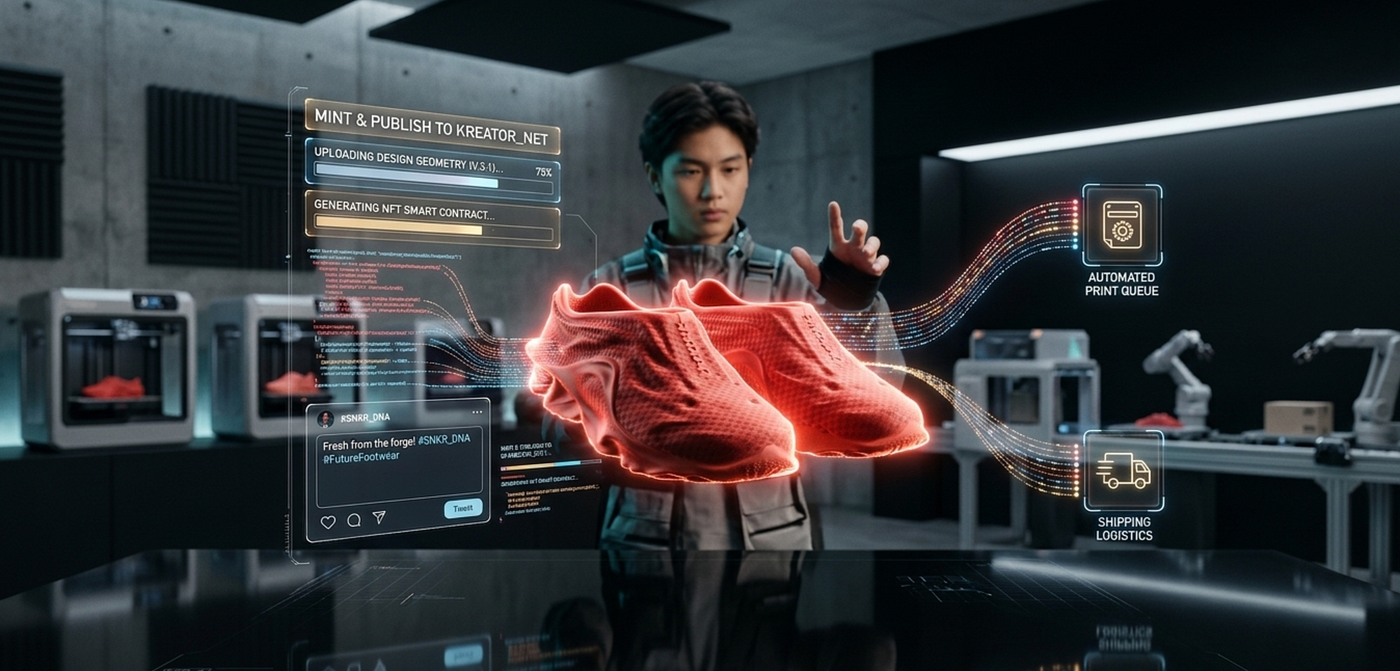
community first → produce on demand
This is one of the biggest shifts happening in modern commerce.
With on-demand 3D printing, products can increasingly be manufactured after an order is placed instead of months beforehand.
That changes the economics dramatically.
Why On-Demand Manufacturing Matters
Traditional inventory systems create enormous inefficiencies because brands must constantly guess what customers will buy.
But on-demand manufacturing changes the equation.
Potential advantages include:
Reduced Dead Inventory
Unsold inventory is one of retail’s biggest hidden costs.
Producing products after purchase reduces the need to over-manufacture products that may never sell.
Lower Upfront Risk
Creators and emerging brands historically needed large amounts of capital to launch physical products.
Digital manufacturing may reduce many of those barriers.
Greater Product Flexibility
Without traditional molds and tooling limitations, products can evolve faster.
Designs can iterate digitally instead of requiring entirely new manufacturing systems.
More Personalization
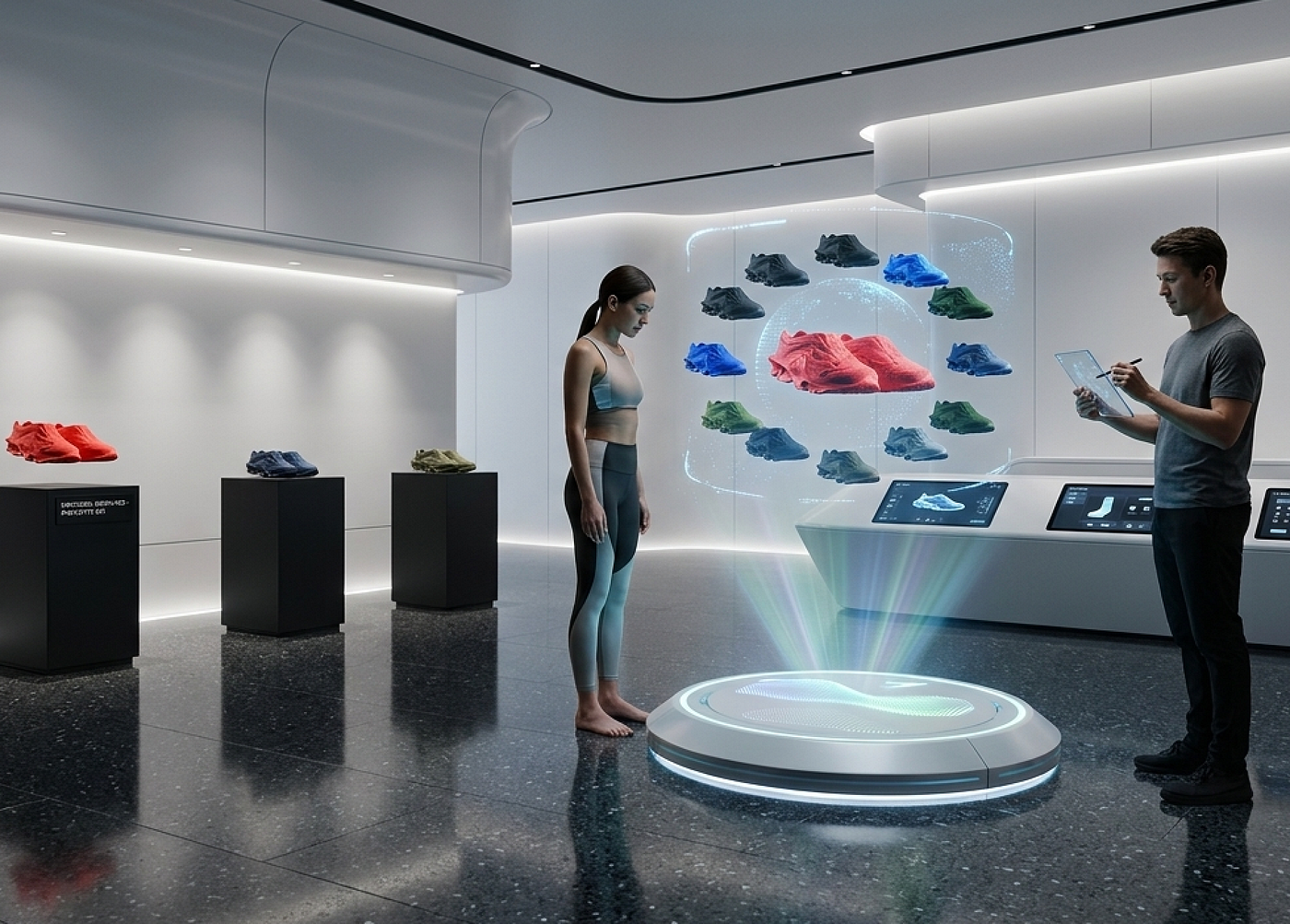
As scanning and digital workflows improve, products can increasingly adapt to individuals instead of forcing individuals into standardized systems.
At Syntilay, this is one reason we believe footwear is becoming a technology category as much as a fashion category.
Inventory Will Become Digital
One of the most important long-term shifts may be this:
inventory increasingly becomes digital instead of physical.
Instead of warehouses full of pre-manufactured products, brands may increasingly manage:
- digital files
- AI-assisted designs
- on-demand production systems
- customer measurement data
- personalized manufacturing workflows
That creates a much more flexible commerce system.
The Future Creator Brand Can Look More Like a Software Company
Many future creator-led brands will operate less like traditional retail companies…
and more like digital platforms.
Instead of focusing primarily on warehousing and forecasting, future brands may focus more on:
- community building
- design systems
- personalization
- digital product ecosystems
- on-demand manufacturing
This is particularly powerful for creators because creators already excel at building highly engaged communities.
Now technology is beginning to make physical product creation more accessible as well.
The Future of Commerce Is Becoming More Flexible
We believe the future of retail may become:
- more personalized
- more digital
- more creator-driven
- more on-demand
- less dependent on massive inventory systems
The shift will not happen overnight.
But the combination of AI-assisted design, scanning, digital manufacturing, and on-demand 3D printing is beginning to unlock entirely new possibilities.
The creator economy transformed media.
Now it may begin transforming physical products too.
And over time, the brands that move fastest may not be the ones with the biggest warehouses…
but the ones with the strongest communities and the most flexible digital manufacturing systems.
CreatorEconomy #3DPrinting #FutureOfRetail #Innovation #AI #Footwear #DigitalManufacturing #Syntilay
메타데이터
- post_id
- d515f432a251
- slug
- why-the-future-creator-brand-may-never-hold-inventory-d515f432a251
- url
- https://medium.com/@syntilay/why-the-future-creator-brand-may-never-hold-inventory-d515f432a251
- canonical_url
- https://medium.com/@syntilay/why-the-future-creator-brand-may-never-hold-inventory-d515f432a251
- author_url
- https://medium.com/@syntilay
- status
- ok
- fetched_at
- 2026-07-10 14:10:06