Hantavirus Cases Rising: Is This the Next Global Health Concern?
Hantavirus cases are rising worldwide, raising questions about whether this rodent-borne virus could become the next global health concern…
Hantavirus Cases Rising: Is This the Next Global Health Concern?
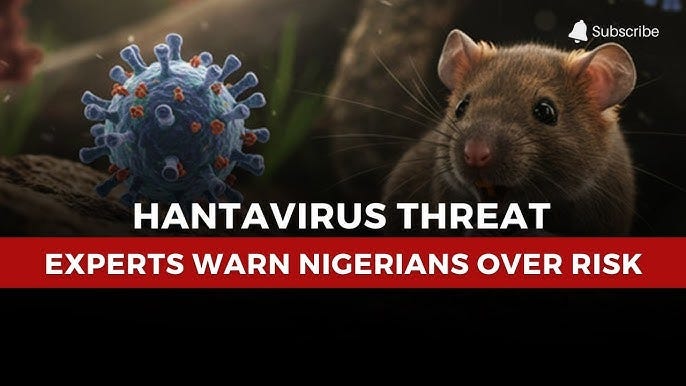
In recent months, rising reports of Hantavirus infections have sparked concern among public health experts worldwide. While the disease is not new, the increase in reported cases has raised questions about whether Hantavirus could become the next global health concern. As awareness grows, understanding what Hantavirus is, how it spreads, and whether it poses a widespread threat is essential for protecting public health.
What Is Hantavirus?
Hantavirus is a rare but potentially deadly virus carried primarily by rodents, especially deer mice, cotton rats, and white-footed mice. Humans can become infected when they come into contact with infected rodent urine, droppings, or saliva.
The virus can cause serious illnesses, including:
Hantavirus Pulmonary Syndrome (HPS) – a severe respiratory disease
Hemorrhagic Fever with Renal Syndrome (HFRS) – affecting the kidneys
Although cases remain relatively uncommon, the mortality rate can be high if diagnosis and treatment are delayed.
Why Are Hantavirus Cases Rising?
Several factors are contributing to the increase in reported Hantavirus cases:
- Climate Change and Environmental Shifts
Changing weather patterns are affecting rodent populations. Warmer temperatures and increased rainfall create favorable conditions for rodents to multiply rapidly.
This means:
Larger rodent populations
Increased human-rodent contact
Higher risk of viral transmission
- Urban Expansion into Wildlife Areas
As cities and residential areas expand into forests and rural habitats, humans are more likely to encounter infected rodents.
Construction activities, farming, and deforestation increase exposure risks.
3. Improved Detection and Reporting
Health systems today are better equipped to identify unusual viral infections. Enhanced surveillance may partly explain the apparent rise in Hantavirus reports.
How Does Hantavirus Spread?
Unlike many respiratory viruses, Hantavirus does not commonly spread from person to person.
The most common transmission routes include:
Breathing contaminated dust particles
Touching rodent droppings or urine
Handling infected rodents
Consuming contaminated food
This makes prevention focused heavily on rodent control and hygiene practices.
Symptoms of Hantavirus Infection
Early symptoms often resemble the flu, making diagnosis difficult.
Early Warning Signs
Fever
Muscle aches
Fatigue
Headache
Dizziness
Chills
Severe Symptoms
As the infection progresses, symptoms may include:
Shortness of breath
Persistent coughing
Fluid buildup in the lungs
Low blood pressure
Organ failure
Immediate medical attention is critical.
Is Hantavirus the Next Global Pandemic?
The short answer: probably not, but it should not be ignored.
Here’s why:
Why It Is Less Likely
Limited human-to-human transmission
Lower infection rates compared to highly contagious viruses
Containment through rodent control is possible
Why It Still Matters
High fatality rate
Difficult early diagnosis
Environmental changes may increase future outbreaks
Public health experts consider Hantavirus a serious regional health threat rather than an immediate global pandemic risk.
How to Protect Yourself
Reducing exposure is the best defense.
Prevention Tips
Seal Entry Points Close holes and cracks where rodents can enter homes.
Clean Safely Avoid sweeping rodent droppings dry. Use disinfectant and wear gloves.
Store Food Properly Keep food in sealed containers.
Maintain Clean Surroundings Remove clutter and nesting materials.
Use Protective Gear Wear masks when cleaning potentially contaminated spaces.
What Public Health Experts Are Saying
Health organizations continue monitoring outbreaks closely. Increased awareness, faster diagnosis, and environmental surveillance are crucial to controlling future risks.
Preparedness remains essential, especially in areas with known rodent activity.
Final Thoughts
The rise in Hantavirus cases is a reminder that emerging infectious diseases remain a constant global challenge. While Hantavirus is unlikely to trigger the next worldwide pandemic, it highlights the growing connection between environmental change and public health risks.
Staying informed, practicing prevention, and recognizing symptoms early can help reduce its impact.
As scientists continue tracking Hantavirus trends, one thing is clear: vigilance today can prevent larger health crises tomorrow.
메타데이터
- post_id
- d57a180a97d0
- slug
- hantavirus-cases-rising-is-this-the-next-global-health-concern-d57a180a97d0
- url
- https://medium.com/@Savleen_kaur/hantavirus-cases-rising-is-this-the-next-global-health-concern-d57a180a97d0
- canonical_url
- https://medium.com/@Savleen_kaur/hantavirus-cases-rising-is-this-the-next-global-health-concern-d57a180a97d0
- author_url
- https://medium.com/@Savleen_kaur
- status
- ok
- fetched_at
- 2026-06-09 15:37:30