Aesthetic Medicine in 2026: What Actually Changed, and What Quietly Disappeared
Two years ago the industry was promising smart mirrors and gene editing. The trends that survived look very different, and far more…
Aesthetic Medicine in 2026: What Actually Changed, and What Quietly Disappeared
Two years ago the industry was promising smart mirrors and gene editing. The trends that survived look very different, and far more clinical.

If you booked a treatment in 2024 and booked one again this year, you probably noticed something. The conversation in the consultation room has changed. Fewer questions about how much volume you want. More questions about how your skin is behaving, how it heals, and what you are planning for the next ten years.
That shift is the real story of 2026. Aesthetic medicine did not get louder. It got quieter, slower, and considerably more medical.
Here is what held, what fell away, and what it means if you are deciding where to spend your money this year.
The move from filling to stimulating
The single biggest change is philosophical. For most of the last decade, the default answer to a tired face was volume. Add hyaluronic acid, restore the shape, done.
In 2026 the default answer is closer to: improve the tissue first, then decide if anything needs filling at all.
This is why bioremodelling and collagen stimulating injectables now sit at the centre of most treatment plans. Products like Profhilo work on skin quality and hydration rather than contour, while collagen stimulators such as Sculptra prompt the skin to build its own support over a series of months instead of delivering an instant change.
The trade off is patience. These are not same day transformations. Results arrive gradually, which is precisely why patients who want to avoid looking treated have moved toward them.
Regenerative aesthetics moved from fringe to centre
In 2024 this category sat at the bottom of most trend lists, filed under things to watch. It is now the fastest moving area in the field.
The logic is the same one driving the shift away from filler. Rather than introducing a material to sit in the tissue, these approaches aim to prompt the body’s own repair and signalling processes.
Platelet rich plasma has the longest clinical track record of the group and remains widely used for skin and hair concerns. Platelet rich fibrin is the newer iteration, releasing growth factors more gradually through a fibrin matrix.
Exosome therapy sits at the newest edge of this cluster. Exosomes are cell derived vesicles studied for their role in cellular signalling, and interest in them has grown quickly alongside stem cell based approaches in longevity focused practice.
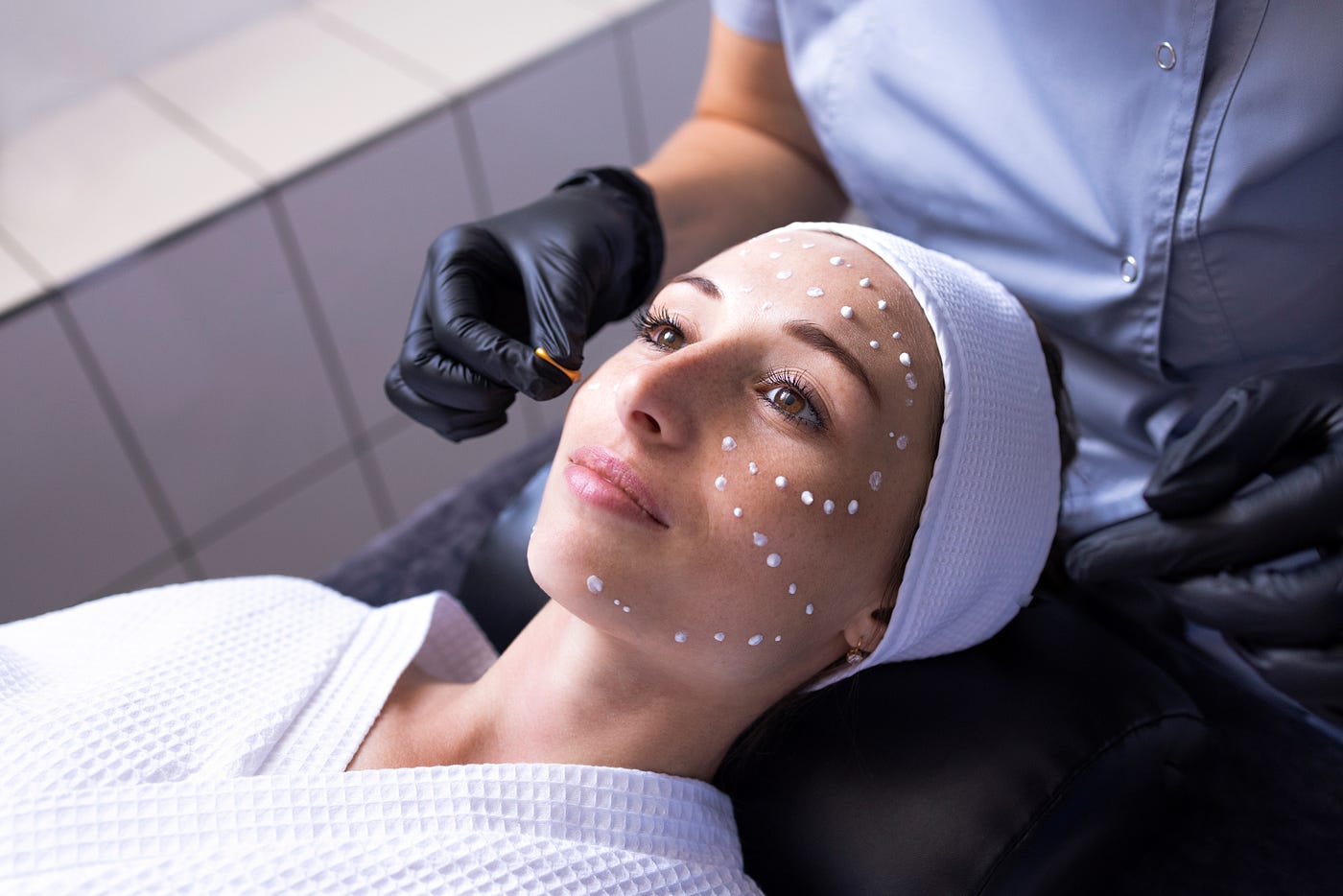
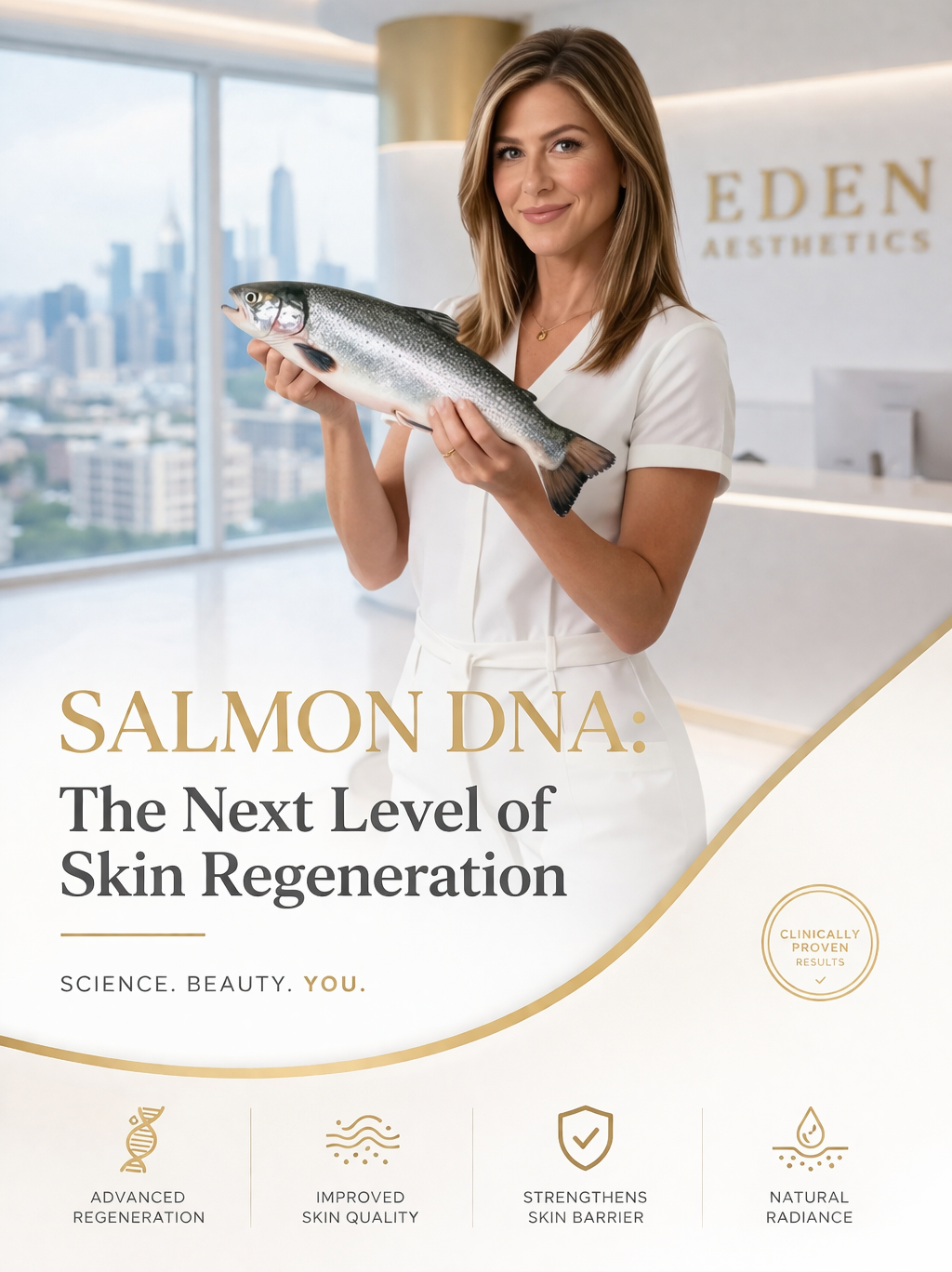
Polynucleotides have been the breakout injectable of the last eighteen months. Derived from purified DNA fractions, products in this family such as Rejuran are used to support fibroblast activity and skin quality rather than to add volume.
Alongside these, peptide based protocols have become a significant part of the longevity conversation in clinics that work across both aesthetics and wellness.
The honest caveat is that evidence maturity varies enormously across this list. PRP sits on decades of literature. Exosomes sit on a much shorter and more contested one. Anyone presenting them as equivalent is skipping a step.
Device stacking replaced the single machine promise
The 2024 trend lists were full of individual machines, each presented as the answer. That framing has aged badly.
Clinics now build protocols, not appointments. A pigmentation case might combine broadband light with a resurfacing laser and a home regimen. A laxity case might pair radiofrequency microneedling with a focused ultrasound session spaced months apart.
You see this logic in how tools are being used together. Morpheus8 PRO addresses depth and texture through radiofrequency microneedling, while HIFU works at a different plane entirely, lifting through focused ultrasound. Neither one replaces the other, and the better clinics stopped pretending otherwise.
For pigment and vascular concerns, the pairing of BBL broadband light with a picosecond laser has become fairly standard, because the two target different problems with different mechanisms.
The practical takeaway for patients: if a clinic recommends one device for every concern you raise, that is a sales strategy, not a treatment plan.
Prevention moved down an age bracket
Prejuvenation was a niche idea in 2024. It is now mainstream, and the average starting age has dropped.
Patients in their late twenties and early thirties are arriving with a maintenance mindset rather than a correction request. Light energy based treatments, skin boosters, and consistent laser resurfacing are being used to slow change rather than reverse it.
This is where minimally invasive laser work has found its audience. Approaches such as Endolift and Fotona laser protocols sit in the gap between doing nothing and committing to surgery, which is exactly where this demographic wants to be.
The economics matter too. Spreading smaller interventions across a decade is often a more manageable financial commitment than a single large procedure later.
Regulation became a trend in its own right
This is the item almost nobody predicted in 2024, and it may be the most consequential.
Across multiple markets, regulators have tightened the definition of who may perform which procedure, what may be advertised, and what evidence must sit behind a claim. The UK has moved toward restricting higher risk procedures to regulated healthcare professionals. In the UAE, licensing requirements for facilities and practitioners have become stricter, and the rules governing what clinics may say publicly about certain products have narrowed considerably.
For patients this is straightforwardly good news. For clinics it has been a filter. Practices built on aggressive claims and unverified products have had a difficult two years.
It also explains why marketing in this sector reads differently now. The industry has been pushed toward describing mechanisms rather than promising outcomes, and toward naming what a treatment does rather than what it guarantees.
The UAE market: luxury, but with paperwork
Dubai remains one of the strongest aesthetic markets in the world, and the growth has not slowed. The UAE continues to draw significant numbers of international patients each year, with aesthetics among the leading categories, supported by medical visa pathways and a healthcare infrastructure investment programme running through the end of the decade.
What has changed is the character of that market. The luxury framing is still present, but the differentiator is no longer marble and gold leaf facials. It is credentialing, imaging, planning tools, and follow up.
International patients arriving in 2026 ask harder questions than they did in 2024. They want to know which platform is being used, who is holding it, and what the plan looks like after they fly home.
What quietly disappeared
Worth being honest about the predictions that did not land.
Gene editing for cosmetic purposes went nowhere, as most clinicians expected. Smart mirrors remained a trade show novelty. Wearable devices that dose skincare through the day never found a real audience. Virtual reality pain management stayed largely experimental outside a handful of settings.
What did survive from that era is less glamorous and more useful: AI assisted skin analysis, 3D imaging for planning, and remote follow up consultations. All three are now ordinary parts of a good clinic workflow rather than headline features.
The pattern is consistent. Technology that supported the clinician’s judgement stuck. Technology that tried to replace it did not.
Where this leaves you
If you are planning treatment this year, the useful questions have changed.
Instead of asking which machine is newest, ask what the sequence is and how long it runs. Instead of asking how much filler you need, ask what the state of your skin is and whether volume is even the right lever. Instead of asking for a guaranteed outcome, ask what the realistic range of results looks like and what happens if you fall at the lower end.
The industry spent 2024 chasing novelty. It is spending 2026 rebuilding credibility, and patients are the ones who benefit from that correction.
메타데이터
- post_id
- d5a5b6b8fc46
- slug
- aesthetic-medicine-in-2026-what-actually-changed-and-what-quietly-disappeared-d5a5b6b8fc46
- url
- https://medium.com/@contact_69163/aesthetic-medicine-in-2026-what-actually-changed-and-what-quietly-disappeared-d5a5b6b8fc46
- canonical_url
- https://medium.com/@contact_69163/aesthetic-medicine-in-2026-what-actually-changed-and-what-quietly-disappeared-d5a5b6b8fc46
- author_url
- https://medium.com/@contact_69163
- status
- ok
- fetched_at
- 2026-08-12 20:21:13