Case Study: Greenland’s Three Airports — Arctic Infrastructure Sovereignty and Economic Resilience…
Executive Summary
Case Study: Greenland’s Three Airports — Arctic Infrastructure Sovereignty and Economic Resilience (2024–2026)
Executive Summary
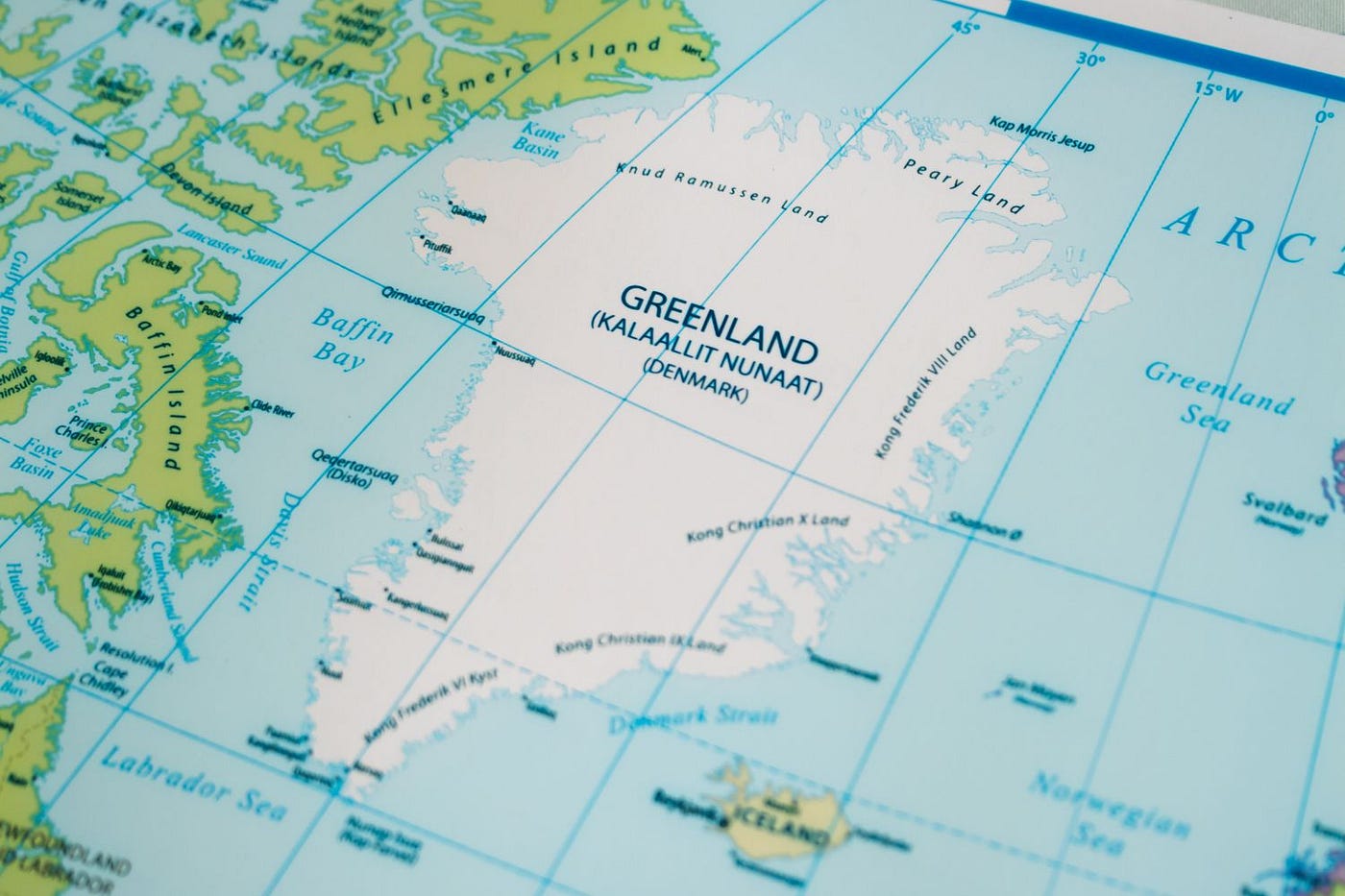
In November 2024, Greenland opened Nuuk International Airport — the first of three new airports transforming the Arctic territory’s connectivity. For 60 years, international visitors could only reach Greenland via Kangerlussuaq, a former US air base deep in a fjord, before transferring to smaller aircraft. Now, direct flights from Copenhagen, New York, and Iceland land in Greenland’s capital.
The Three Airports:
- Nuuk International (Opened November 28, 2024): 2,200m runway, direct Copenhagen-Nuuk service
2. Ilulissat International (Expected 2026): Near UNESCO World Heritage Ilulissat Icefjord
3. Qaqortoq Regional (Expected 2026): Southern Greenland, 1,500m runway
4. Investment: DKK 5 billion (~USD $700M / €650M) — equivalent to 20% of Greenland’s GDP
Key outcomes:
- First direct international flights to Greenland’s capital (4h 50min Copenhagen-Nuuk)
- United Airlines launching New York-Nuuk service (June 2025, twice weekly)
- Travel time reduced by hours, costs lowered significantly
- Sovereignty: Reduced dependence on Danish transit infrastructure
- Tourism expected to surge (currently DKK 2B/year, projected to rise significantly)
This case examines infrastructure as sovereignty — how Greenland is using airports to assert autonomy, diversify its economy, and adapt to climate change opening Arctic routes.
Background: Greenland’s Isolation
Geographic and Political Context
Greenland Basics:
- 2.2 million km² (world’s largest island)
- 56,000 population (mostly Greenlandic Inuit)
- Autonomous territory within Kingdom of Denmark
- No roads between settlements — air and sea travel only
Current Governance:
- Self-government since 2009
- Denmark handles defense, foreign policy, currency
- Greenland handles domestic affairs, including infrastructure
- Independence debate ongoing (supported by ~2/3 of population)
Economic Dependence:
- Fishing: 90% of exports
- Danish subsidy: ~€500M annually (one-third of government budget)
- Tourism: Growing but limited by access difficulties
- Mineral resources: Untapped potential (rare earths, oil, gas)
Pre-2024 Aviation Infrastructure
Kangerlussuaq Problem:
- Former US air base built 1941 (World War II)
- 300km north of Nuuk, deep in fjord (strategic, not practical)
- Only international airport capable of large aircraft
- Passengers must transfer to smaller planes (expensive, time-consuming)
- Hotel capacity limited (temporary accommodation for layovers)
Narsarsuaq Alternative:
- Also former US base
- Southern Greenland
- Similar limitations
Result:
- Expensive flights (Copenhagen-Nuuk often £1,000+)
- Long journey times (8–12 hours with transfers)
- Limited cargo capacity (fresh fish exports difficult)
- Tourism constrained by access
The Three Airports Project
Nuuk International Airport
Specifications:
- 2,200m runway (vs. 950m old runway)
- New control tower and terminal
- Advanced cargo facilities (cold storage for seafood exports)
- Instrument Landing System (ILS) for reduced-visibility operations
- Cost: DKK 2.5 billion (€335M)
Construction Challenges:
- 6 million m³ of rock blasted (equivalent to a soccer field 1.5km high)
- Rock used as fill for runway and foundations
- Limited construction season (Arctic weather)
- All materials shipped in (no local cement, asphalt factories)
- Permafrost engineering (runways must not sink)
Opened: November 28, 2024
New Routes:
- Air Greenland: 5x/week Copenhagen-Nuuk (8x in summer)
- United Airlines: 2x/week Newark-Nuuk (June-September 2025, launching June 2025)
- Icelandair: Reykjavik-Nuuk
- Domestic: Morning departures to Sisimiut, Ilulissat, Kulusuk, Paamiut, Maniitsoq (return afternoons — day trips now possible)
Impact:
- Direct flight time: 4h 50min (vs. 8–12h via Kangerlussuaq)
- Average ticket price: ~DKK 4,000 (€535) — down from £1,000+
- Cargo capacity: Large freight planes can now land (critical for seafood exports)
Ilulissat International Airport
Location:
- Western Greenland, 560km north of Nuuk
- Population: 4,700
- Near UNESCO World Heritage Ilulissat Icefjord
Specifications:
- 2,200m runway (existing runway only 845m)
- Similar design to Nuuk
- Old runway converted to access road
Construction Status:
- 6 million m³ of rock blasted (same as Nuuk)
- Delayed by frozen fjord (13 weeks unable to deliver supplies — ice blocked access)
- Expected completion: 2026
Strategic Importance:
- Tourism hub (icebergs, Disko Bay, dog sledding)
- Cultural ties to Canada/Alaska (Inuit connections)
- Trade potential with North America
Qaqortoq Regional Airport
Location:
- Southern Greenland, 480km south of Nuuk
- Population: 3,000
Specifications:
- 1,500m runway (extendable to 1,799m)
- Regional focus (domestic + Iceland, Iqaluit connections)
- Smaller terminal (~2,000 m²)
Construction Status:
- 2 million m³ of rock blasted
- Expected completion: 2026
Purpose:
- Currently only accessible by helicopter or ferry
- Southern Greenland gateway
- Tourism diversification (Viking ruins, hot springs, sheep farming)
Financing and Geopolitics
Ownership Structure
Kalaallit Airports:
- Government-owned company formed 2017
- Owns and operates new airports
- Greenland: 2/3 ownership
- Denmark: 1/3 ownership
Why Denmark Invested:
- Security concerns (Arctic geopolitics)
- Sovereignty concerns (China tried to bid)
- Maintaining influence as Greenland moves towards independence
Funding Sources
Total Cost: DKK 5 billion (~USD $700M / €650M)
Breakdown:
- Greenland government: 1/3 equity
- Danish government: 1/3 equity + subsidies
- Nordic Investment Bank (NIB): €63.3 million loan (2019)
- Danish central bank: Loans
Scale:
- Equivalent to 20% of Greenland’s GDP
- Enormous investment for population of 56,000
- Per capita: ~$12,500 per person
The Chinese Bid (Rejected)
2018 Context:
- Chinese firms bid to construct airports
- Offered favorable financing terms
- Denmark intervened
Why Denmark Blocked:
- Security concerns (US Thule Air Base in northwest Greenland)
- NATO implications
- Fear of Chinese strategic foothold in Arctic
Result:
- Denmark stepped in with €2 billion financing package
- Secured 1/3 ownership
- European contractors selected (Prysmian, Nexans, COWI, NIRAS)
US Interest
Strategic Considerations:
- Thule Air Base: US missile defense, space surveillance
- 2019: Trump expressed interest in buying Greenland (rejected, but showed US attention)
- United Airlines launching direct New York-Nuuk service (commercial + strategic signal)
- Arctic resources: Rare earths, oil, gas (as ice melts, access improves)
Resilience and Sovereignty Implications
Economic Diversification
Tourism:
- Currently: DKK 2 billion/year (€270M)
- Projection: Significant growth (50–100% increase possible)
- Nuuk hotel capacity expanding 50% by 2030 (500 new beds)
- Ilulissat Icefjord: Iconic destination now accessible
Seafood Exports:
- 90% of Greenland’s exports
- Fresh fish/prawns previously difficult to air freight
- New cargo facilities in Nuuk enable rapid export to Europe/North America
- Polar Seafoods (Nuuk): Can now ship fresh shrimp, crab, halibut directly
Mining and Resources:
- Rare earth elements (critical for electronics, wind turbines, EVs)
- Improved logistics make extraction more viable
- Cargo planes can bring equipment, export concentrates
Infrastructure Sovereignty
Reducing Danish Dependence:
- No longer reliant on Kangerlussuaq (Danish-built US base)
- Direct international connectivity
- Control over own gateway infrastructure
Independence Pathway:
- Economic diversification reduces the need for Danish subsidy (€500M/year)
- Tourism + mining revenue could replace some subsidies
- Infrastructure sovereignty enables political sovereignty
Climate Change Adaptation
Arctic Warming:
- Sea ice retreating, opening new shipping routes
- Longer construction season (but also permafrost challenges)
- Tourism season extending
Strategic Position:
- Arctic shipping lanes (Northern Sea Route, Northwest Passage)
- Greenland is positioned between Europe and North America
- Potential hub for Arctic logistics
Engineering and Construction Challenges
Rock Blasting (Major Challenge)
Scale:
- Nuuk + Ilulissat: 6 million m³ each
- Qaqortoq: 2 million m³
- Total: 14 million m³ of solid rock removed
Process:
-
Drill blast holes
-
Insert explosives
-
Detonate (controlled blasts over months)
-
Crush rock to the required sizes
-
Use as fill for runways, foundations, and access roads
Timeline:
- The majority of the construction time is spent blasting and moving rock
- “We literally blew a mountain away to get a 2.2km runway” — Aviaaja Karlshøj Knudsen, Executive Project Director
Permafrost Engineering
Challenge:
- Runways must not sink or crack as permafrost thaws
- Seasonal freeze-thaw cycles
- Climate warming is accelerating the thaw
Solution:
- Thick gravel base (insulates permafrost)
- Drainage systems
- Regular monitoring and maintenance
Logistics in Remote Arctic
Supply Chain:
- All materials are shipped from Denmark, Iceland, or Canada
- No local cement production, asphalt plants, or steel mills
- Seasonal shipping (ice block access in winter)
Labor:
- Imported construction workers (Greenland population 56,000, limited skilled labor)
- Accommodation challenges
- High costs (everything is expensive in the Arctic)
Ilulissat Lake Problem
Unique Challenge:
- Cable and infrastructure must pass through Lake Suldalsvatnet
- Lake is inaccessible by cable-laying vessels (too small)
Solution:
- Custom-built floating platform (43m x 15m — size of two tennis courts)
- Transported materials piece by piece
- Assembled on-site
- Laid 2.8km of cable at depths up to 210m
- First operation of this kind in Greenland
Weather Delays:
- Ilulissat delayed by frozen fjord (13 weeks unable to deliver supplies)
- Ice blocked water access (couldn’t be predicted in advance)
- Contingency planning is essential but weather still wins
Quantified Outcomes
Connectivity Improvements
MetricBefore (2023)After (2024–2026)Direct international destinations03+ (Copenhagen, New York, Reykjavik)Average travel time (Europe-Nuuk)8–12 hours4h 50minAverage ticket price£1,000+~£500–600Domestic day trips possibleNoYes (morning departure, afternoon return)Cargo capacity (large planes)NoYes
Economic Projections
SectorCurrentProjection (2030)Tourism revenueDKK 2B/yearDKK 3–4B/yearNuuk hotel beds1,0001,500 (+50%)GDP contribution (aviation sector)Minimal~5%Jobs (direct aviation)~50150–200
Investment
- Total cost: DKK 5 billion (USD $700M / €650M)
- Per capita: ~$12,500 per Greenlander
- As % of GDP: ~20%
- Payback period: 15–25 years (optimistic)
Lessons for Remote Regions
What Worked
✅ Infrastructure as sovereignty — Owning gateway infrastructure reduces dependence on former colonial power
✅ Public-private partnership — Greenland (2/3) + Denmark (1/3) balanced financing
✅ Long-term planning — Project conceived early 2010s, delivered 2024–2026 (10+ years)
✅ Geopolitical leverage — Chinese interest prompted Danish investment
✅ Dual-use design — Civilian airports, but also strategic (US security interests aligned)
✅ Environmental care — Fjord construction avoided damaging the pristine Arctic environment
Challenges and Limitations
⚠️ Cost: 20% of GDP — only feasible with external financing (Denmark, NIB)
⚠️ Scale: 56,000 population — can tourism + mining generate sufficient revenue?
⚠️ Climate risk: Permafrost thaw threatens runway integrity long-term
⚠️ Weather dependence: Ilulissat delay shows Arctic unpredictability
⚠️ Mass tourism risk: Local concerns about overwhelming small towns (Ilulissat: 4,700 people)
⚠️ Sustainability: How to grow tourism whilst protecting fragile Arctic environment?
Applicability to Other Contexts
Directly Applicable:
- Remote island nations (Iceland, Faroe Islands, Pacific islands)
- Arctic regions (Alaska, northern Canada, Svalbard, Siberia)
- Small states with independence aspirations
Requires Adaptation:
- Larger economies (scale different, financing easier but stakes higher)
- Non-Arctic regions (permafrost engineering unnecessary, but other challenges)
Core Principles Universal:
-
Infrastructure enables economic diversification
-
Sovereignty requires control over gateways
-
Long-term planning essential for mega-projects
-
Geopolitics influences financing opportunities
-
Climate adaptation necessary (permafrost, sea level rise, etc.)
Current Status and Future Challenges
Operational Successes (2024–2025)
Nuuk International:
- Opened on schedule (November 28, 2024)
- Air Greenland A330neo “Tuukkaq” inaugural flight successful
- Copenhagen route operating smoothly (5–8x/week)
- Cargo operations exceed expectations (seafood exports up)
Tourist Response:
- Advance bookings strong for summer 2025
- United Airlines New York route 80%+ booked (June-September)
- Scandinavian interest particularly high
Ongoing Concerns
Mass Tourism:
- Ilulissat (population 4,700) could see daily arrivals of 500+ visitors (2026)
- Accommodation bottlenecks (not enough hotels)
- Cultural impact (small Inuit communities overwhelmed)
- Environmental pressure (glacier tourism, waste management)
Sustainable Tourism Policy:
- Visit Greenland: “Controlled growth” strategy
- Tourism Minister Naaja Nathanielsen: “Welcome tourists in bigger cities, but also spread them out more”
- New tourism law (2024) aims to manage growth
- Visitor management protocols for Ilulissat Icefjord (nascent)
Infrastructure Strain:
- Water, sewage, waste management in small towns
- Roads (limited) unable to handle increased traffic
- Healthcare (tiny hospitals) unprepared for tourist emergencies
Climate Change:
- Permafrost thaw accelerating (runway maintenance costs rising)
- Ice sheet melting (flood risk, sea level rise)
- Longer summer season (good for tourism, bad for ice-dependent ecosystems)
Discussion Questions
- Sovereignty vs. dependence: Do the airports genuinely reduce Greenland’s dependence on Denmark, or do they just shift dependence to tourism/mining markets?
2. Cost-benefit: Is 20% of GDP a reasonable investment for 56,000 people? What’s the payback period, and is it worth the opportunity cost?
3. Mass tourism: How can Greenland (or any fragile destination) balance economic benefits of tourism with environmental and cultural protection?
4. Independence pathway: Do these airports bring Greenland closer to full independence, or do they just lock in a new form of dependence (tourism, external investment)?
5. Climate adaptation: As permafrost thaws, will these airports require constant expensive maintenance — or even abandonment — within 30–50 years?
6. Replicability: Could other remote regions (Pacific islands, northern Canada, Siberia) replicate this model, or is Greenland’s geopolitical position unique?
Sources and Further Reading
Official Reports
- Nordic Investment Bank (NIB): “A new gateway to Greenland.” (November 2024). https://www.nib.int/articles/a-gateway-to-greenlands-future
- Kalaallit Airports: Project updates and technical specifications. Various 2020–2024.
Technical Analysis
- ASCE: “Greenland’s infrastructure to fly high with 3 new airports.” (November 2022). https://www.asce.org/publications-and-news/civil-engineering-source/civil-engineering-magazine/article/2022/11/greenlands-infrastructure-to-fly-high-with-3-new-airports
- NIRAS: “Extraordinary location, extraordinary consultancy: The new Nuuk Airport.” (2024). https://www.niras.com/projects/extraordinary-location-extraordinary-consultancy-the-new-nuuk-airport
Industry Coverage
- Airways Magazine: “Analysis: Investment in Greenland’s Three Airports.” (January 2026). https://www.airwaysmag.com/new-post/investment-greenland-airport-infrastructure
- Flightradar24: “What to expect when Greenland’s new airports open in 2024.” (June 2024). https://www.flightradar24.com/blog/aviation-news/airport-news/what-to-expect-when-greenlands-new-airports-open-in-2024/
Tourism and Sustainability
- Visit Greenland: “New Flight Schedule Makes Greenland More Accessible.” (September 2025). https://visitgreenland.com/articles/new-flight-schedule-makes-greenland-more-accessible/
- BBC/Marketplace: “Will Greenland’s new airport help its economy take off?” (November 2024). https://www.marketplace.org/story/2024/11/27/will-greenlands-new-airport-help-its-economy-take-off
메타데이터
- post_id
- d5ef0a2abeb7
- slug
- case-study-greenlands-three-airports-arctic-infrastructure-sovereignty-and-economic-resilience-d5ef0a2abeb7
- url
- https://medium.com/fortivus/case-study-greenlands-three-airports-arctic-infrastructure-sovereignty-and-economic-resilience-d5ef0a2abeb7
- canonical_url
- https://medium.com/fortivus/case-study-greenlands-three-airports-arctic-infrastructure-sovereignty-and-economic-resilience-d5ef0a2abeb7
- author_url
- https://medium.com/@viggo.lehtinen
- status
- ok
- fetched_at
- 2026-06-14 11:28:49