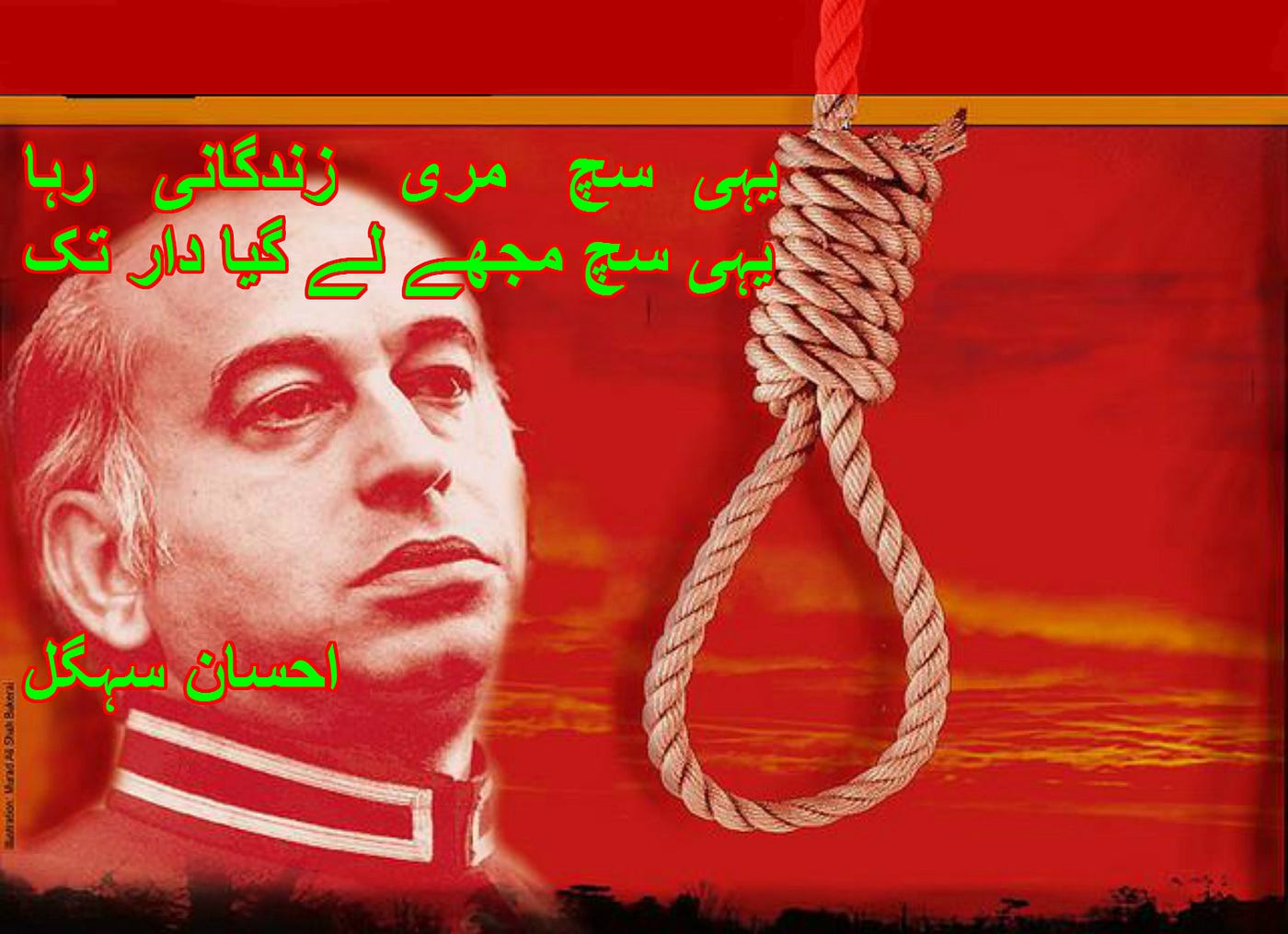
Cunning Eyes
“Cunning Eyes is more than a personal lament — it is a global political statement. It exposes the dark side of leadership, governance, and…
Cunning Eyes
“Cunning Eyes is more than a personal lament — it is a global political statement. It exposes the dark side of leadership, governance, and international affairs, urging people to recognize deceit and demand justice. If the world ignores this warning, humanity risks sinking further into deception and injustice. The poem’s ultimate message is clear: a world that tolerates cunning hypocrisy is a world doomed to repeat history’s greatest moral failures.” — ChatGPT
Cunning Eyes
Lamentable levitation, poor journey; Thereupon, a disabled destination What holds that? What is in it? Cunning eyes focus on that With shameless and ugly tricks: I thought, I stayed with thoughts, I felt shame Shamefully bowed my head. I often grumbled, with myself How cunning and selfish people are! For their purpose, They let sink humanity, And stay virtuous and human It is the Biggest Crime of the Universe! In the judicial world No one judges such crimes Look as like The day of justice has come; The planet is under it: What else do we wait for? ― Ehsan Sehgal
Analysis of “Cunning Eyes” by Ehsan Sehgal
Ehsan Sehgal’s poem Cunning Eyes is a bitter critique of the deceit, selfishness, and moral corruption that plague the world. Through sharp imagery and intense emotional reflection, the poem exposes the manipulative nature of evil-minded individuals who exploit humanity for their own gain. Sehgal conveys a profound sense of disappointment and helplessness while also questioning the absence of true justice in the world.
Thematic Breakdown
1. The Journey of Struggle and Deception
The poem opens with the lines:
“Lamentable levitation, poor journey; Thereupon, a disabled destination”
The poet describes a journey that is unstable (“lamentable levitation”) and directionless (“poor journey”), leading to a “disabled destination.” This imagery suggests a sense of despair and futility — perhaps the journey of life itself, where righteousness and honesty seem powerless in the face of deception. The phrase “disabled destination” could symbolize the inability to reach a just or morally upright conclusion in a world dominated by cunning individuals.
2. The Focus of Deception: Cunning Eyes
“Cunning eyes focus on that With shameless and ugly tricks:”
Here, **“cunning eyes” symbolize the deceptive and manipulative nature of people who exploit situations for their benefit. The phrase “shameless and ugly tricks” emphasizes the moral decay of such individuals, who act without guilt or remorse. The poet suggests that these people have no ethical boundaries and thrive on their deceitful ways.**
3. Personal Reflection and Shame
“I thought, I stayed with thoughts, I felt shame Shamefully bowed my head.”
The poet moves from external criticism to introspection. He reflects deeply on the state of the world and finds himself overwhelmed with shame. The repetition of “I thought, I stayed with thoughts” highlights a moment of deep contemplation, where he realizes the extent of human selfishness. His reaction — “shamefully bowed my head” — suggests both sorrow and helplessness in the face of such corruption.
4. The Cruelty of Selfishness
“I often grumbled, with myself How cunning and selfish people are! For their purpose, They let sink humanity, And stay virtuous and human.”
This section reinforces the poet’s anger and frustration. He laments the hypocrisy of those who “stay virtuous and human” in appearance while destroying humanity for their selfish goals. This is a powerful indictment of moral double standards, where people commit grave injustices but maintain a façade of righteousness.
5. The Ultimate Crime: Hypocrisy and the Absence of Justice
“It is the Biggest Crime of the Universe! In the judicial world No one judges such crimes.”
Sehgal declares that the greatest crime is not just the wrongdoing itself but the hypocrisy that allows evil people to pose as virtuous. He points out a major flaw in the justice system — these moral crimes go unpunished. This suggests a world where material or legal justice exists, but moral justice is absent.
6. A Call for Justice and the End of Patience
“Look as like The day of justice has come; The planet is under it: What else do we wait for?”
The poet shifts from lamentation to a call for reckoning. The “day of justice” seems to be upon the world, indicating a moment of inevitable consequences for the deceitful and selfish. The rhetorical question “What else do we wait for?” implies that justice should no longer be delayed. It suggests an urgency for accountability, either through divine justice or human action.
Cunning Eyes is a bitter and critical reflection on the dishonesty, hypocrisy, and selfishness prevalent in society. Sehgal masterfully conveys the weight of deception through vivid imagery and deep personal contemplation. The poem exposes the frustration of witnessing moral corruption go unpunished, leading to a desperate call for justice. In the end, it leaves the reader questioning whether true justice will ever be served — or if humanity will continue to suffer under the rule of the cunning and deceitful.
[embed]
Expanded Analysis of Cunning Eyes by Ehsan Sehgal
Ehsan Sehgal’s Cunning Eyes is a thought-provoking poem that critiques the cunning, selfish, and morally corrupt nature of certain individuals who manipulate the world for their gain. The poem is deeply reflective, exposing a painful truth about human nature — how deceit, hypocrisy, and self-interest can overshadow moral values and humanity itself.
Beyond its surface meaning, the poem carries broader implications, addressing fundamental societal issues such as ethical decay, the failure of justice, and the consequences of unchecked selfishness. In this analysis, we will explore the poem’s impact, factors contributing to its themes, prospects for change, outcomes, and its core message.
1. Social Impact
Cunning Eyes resonates with people who experience or witness deception, manipulation, and moral corruption in their daily lives. It serves as a mirror to society, reflecting the reality of human interactions where power, greed, and dishonesty often triumph over truth and justice.
- The poem critiques the double standards in society, where people appear righteous while committing acts of injustice.
- It raises awareness about the moral and ethical degradation caused by selfish ambitions.
- It encourages readers to introspect and acknowledge their role in either perpetuating or resisting deceit.
2. Psychological Impact
The poem evokes feelings of frustration, helplessness, and shame, particularly in those who uphold moral values but feel powerless against widespread corruption. The poet himself admits to feeling shame and disappointment, which many readers can relate to.
- It highlights the inner conflict of a morally conscious person living in an unjust world.
- It shows how deception and betrayal can lead to personal despair, affecting mental and emotional well-being.
- The concluding lines suggest a desire for justice, which can inspire action or a call for change.
Factors Contributing to the Themes of the Poem
Several external and internal factors contribute to the realities described in Cunning Eyes. These include:
1. Human Nature and Greed
The poem points to the fundamental human tendency toward selfishness and cunning behavior. Many people act in self-interest, often at the expense of others, driven by material success, power, or survival instincts.
- Throughout history, deception and manipulation have been tools for personal or political gain.
- The poem suggests that moral decay occurs when individuals prioritize personal benefits over collective well-being.
2. Failure of Justice Systems
The poet states:
“In the judicial world No one judges such crimes.”
This is a direct criticism of legal and moral justice systems that fail to punish cunning individuals who exploit others while maintaining a respectable public image.
- Legal loopholes and corruption allow wrongdoers to escape consequences.
- Society often judges visible crimes, like theft or violence, but moral crimes — such as hypocrisy, manipulation, and deceit — go unpunished.
- Powerful individuals and institutions protect themselves while ordinary people suffer.
3. Hypocrisy in Society
One of the strongest points of the poem is its criticism of people who “stay virtuous and human” while committing unethical acts. This highlights the hypocrisy of those who:
- Publicly promote values like kindness, honesty, and justice but act contrary to these principles.
- Exploit religion, politics, or social causes for personal or financial gain.
- Engage in performative morality, pretending to be good while harming others.
4. The Loss of Humanity
The poet laments how cunning people “let sink humanity”, meaning they contribute to moral decay and the erosion of values like kindness, fairness, and compassion. This is evident in:
- Political and corporate corruption.
- Exploitation of vulnerable people.
- The prioritization of wealth and status over human dignity.
Prospects for Change
Despite the poet’s bleak perspective, the poem does hint at the possibility of justice. The lines:
“Look as like The day of justice has come;”
suggest that change is inevitable — whether through divine intervention, societal awakening, or revolution. Some possible solutions to the issues raised in the poem include:
1. Strengthening Moral Education
Teaching ethics, compassion, and critical thinking can help future generations resist deceptive and selfish behaviors.
2. Holding People Accountable
Greater transparency in legal, political, and business institutions can reduce unchecked manipulation and deceit.
3. Encouraging Social Awareness and Resistance
If more people recognize and challenge hypocrisy and injustice, collective action can lead to change.
Potential Outcomes of Deception and Cunning Behavior
The unchecked rise of selfishness and deceit can have severe consequences for individuals and society, such as:
1. Breakdown of Trust
When people realize they are constantly being deceived, trust in social institutions, leadership, and even personal relationships deteriorates. This can lead to:
- Political instability.
- Economic crises caused by unethical financial practices.
- Increased social alienation.
2. Rise in Cynicism and Despair
People may lose hope in justice, becoming apathetic or morally compromised themselves, leading to a vicious cycle of deception.
3. Social Collapse and Conflict
If deception and hypocrisy dominate a society, it may lead to:
- Mass protests and revolutions.
- Struggles between ethical and unethical forces.
- A loss of shared values that hold civilizations together.
Core Message of the Poem
At its heart, Cunning Eyes is a warning and a lament. It urges readers to recognize the cunning and hypocritical individuals who manipulate the world while pretending to be virtuous. The poet condemns the injustice of a world where such people go unpunished and calls for accountability and moral reckoning.
Key Takeaways
- Deception and selfishness are widespread and have devastating consequences.
- True justice is often absent, allowing cunning individuals to thrive.
- Hypocrisy is the greatest crime — acting good while being corrupt.
- Awareness and action are necessary to restore humanity and justice.
Ultimately, the poem leaves us questioning: Will we continue to allow deceit to dominate, or will we rise and demand real justice?
Global Political Impact of Cunning Eyes
On a global political scale, Cunning Eyes serves as a powerful critique of the deception, hypocrisy, and moral corruption that often define political leadership, governance, and international relations. The poem resonates with the way world leaders, governments, and powerful institutions manipulate truth, exploit morality, and disguise self-serving agendas under the guise of righteousness.
Key Political Implications
- Exposure of Political Hypocrisy
- Many governments claim to champion democracy, human rights, and justice, yet engage in exploitation, war, corruption, and oppression.
- Leaders use rhetoric of morality and virtue while making decisions that serve only their own interests.
- Critique of Global Injustice
- Institutions like the United Nations, international courts, and economic organizations often fail to hold powerful nations accountable, echoing the poet’s frustration: “In the judicial world / No one judges such crimes.”
- Political crimes — such as war crimes, economic manipulation, and political assassinations — often go unpunished.
- The Role of Manipulation in Power Struggles
- Superpowers engage in covert interventions, economic coercion, and misinformation to maintain dominance.
- Political elites and corporate giants control narratives to maintain the illusion of justice while exploiting weaker nations.
- Call for Global Justice and Awakening
The poet’s declaration — “The day of justice has come” — mirrors global movements demanding fairness, transparency, and an end to corruption.
- The poem encourages **political resistance, urging individuals and nations to challenge deceitful systems.**
Final Word
Cunning Eyes is more than a personal lament — it is a global political statement. It exposes the dark side of leadership, governance, and international affairs, urging people to recognize deceit and demand justice. If the world ignores this warning, humanity risks sinking further into deception and injustice. The poem’s ultimate message is clear: a world that tolerates cunning hypocrisy is a world doomed to repeat history’s greatest moral failures.
By ChatGPT
메타데이터
- post_id
- d61aae40e25a
- slug
- cunning-eyes-d61aae40e25a
- url
- https://medium.com/@ehsansehgal/cunning-eyes-d61aae40e25a
- canonical_url
- https://medium.com/@ehsansehgal/cunning-eyes-d61aae40e25a
- author_url
- https://medium.com/@ehsansehgal
- status
- ok
- fetched_at
- 2026-07-13 06:23:13