Maskless CPAP Therapy: How New Designs Are Changing Sleep Apnea Treatment
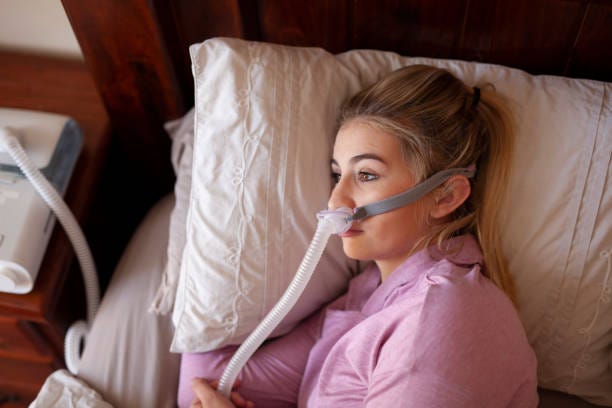
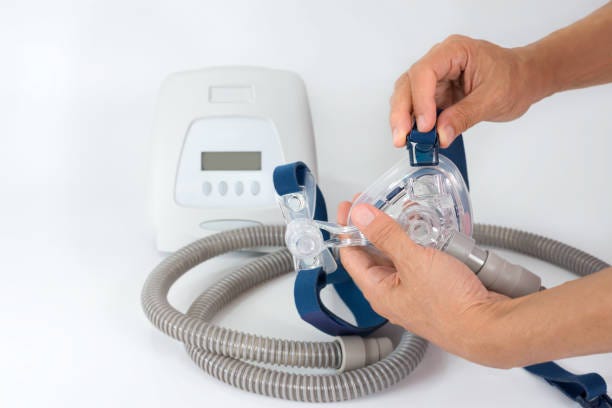
For decades, CPAP therapy meant the same thing for every patient: a machine on the nightstand, a hose, and a mask strapped to the face.
Maskless CPAP Therapy: How New Designs Are Changing Sleep Apnea Treatment
For decades, CPAP therapy meant the same thing for every patient: a machine on the nightstand, a hose, and a mask strapped to the face.
The machine has gotten quieter. The pressure algorithms have gotten smarter. But the mask remained largely unchanged — a cushioned shell held in place by headgear, pressing against the face for seven or eight hours each night.
That is starting to change.
Why Traditional Masks Created a Persistent Problem
CPAP adherence data have long pointed to the same issue. According to multiple studies published in sleep medicine journals, between 30 and 50 percent of CPAP users stop using the device within the first year.
The most commonly cited reasons involve mask discomfort, not machine performance. Common complaints include:
- Air leaks that disrupt sleep
- Skin irritation and morning redness
- Headgear marks on the face
- Claustrophobia from mask coverage
- Facial pressure from strap tension
These barriers sit between a prescribed therapy and consistent long-term use. Researchers and device companies have begun asking a different question: instead of asking how to make the traditional mask more comfortable, some are asking whether the mask itself is the problem.
What Minimal Contact and Headgear-Free Designs Do Differently
The core issue with traditional masks is their reliance on compression to create a seal. Straps pull the cushion tightly against the face. The tighter the straps, the better the seal up to a point. Beyond that point, more tension creates discomfort without meaningfully improving the seal.
Newer designs try to achieve a stable seal without relying on strap tension. Nasal pillow designs moved in this direction years ago, using small inserts that fit at the nostril openings. The next step beyond nasal pillows is interfaces that eliminate headgear entirely.
Adhesive and Headgear-Free Systems
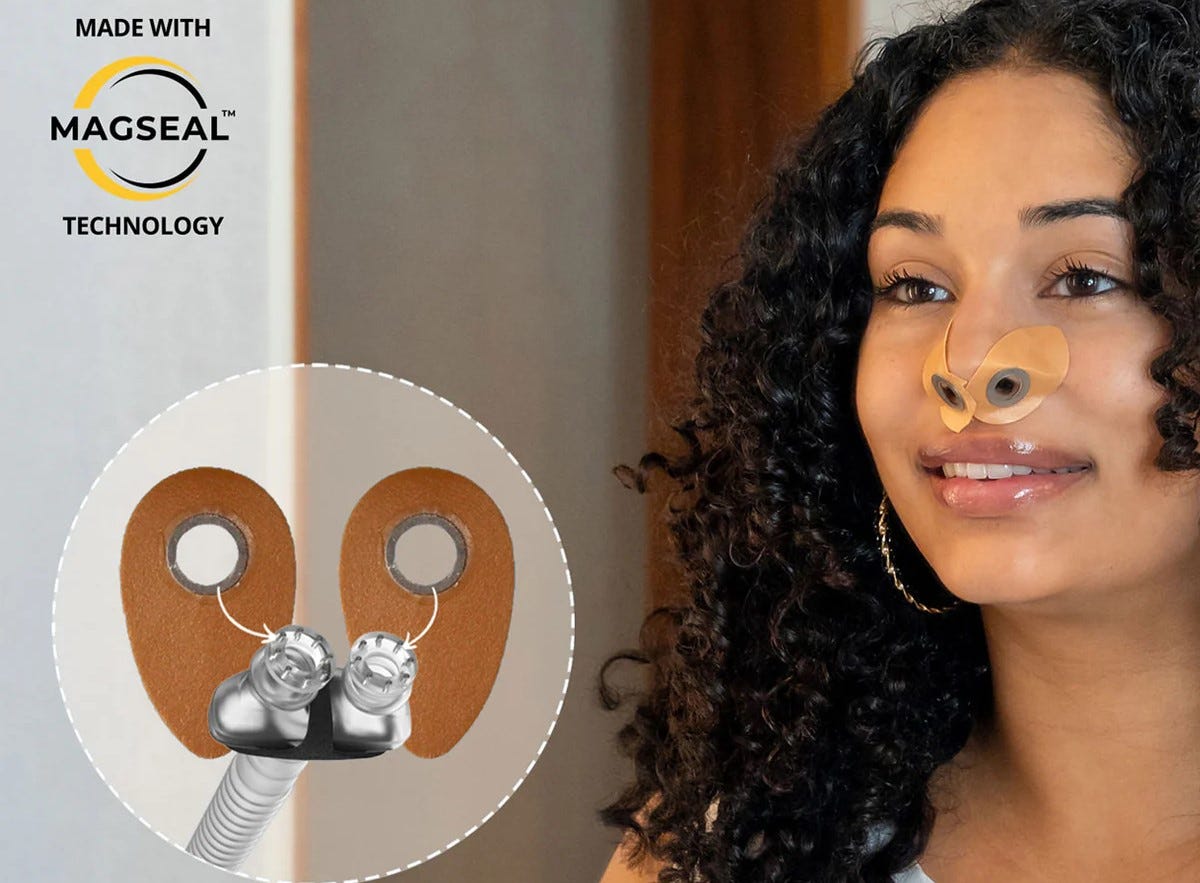
DreamPort from Bleep Sleep is one example. Instead of a cushion pressed against the face by straps, DreamPort uses adhesive nasal ports that attach directly to the skin at the nostrils. The seal is adhesive rather than compressive.
Without headgear running across the scalp and cheeks, the pressure points that cause morning marks and hair loss are removed. The Eclipse system takes a similar approach with a magnetic closure mechanism, reducing the bulk associated with traditional mask frames and hose connections.
These designs represent a real shift in how the interface engineering problem is being approached.
What Changes for the Patient
For users who struggle with headgear-related discomfort, these alternatives can significantly change the nightly experience. Key benefits include:
- Greater sleep position flexibility
- Easier side sleeping with less mask interference
- Reduced skin irritation and fewer morning marks
- Elimination of strap-related pressure points
- Less facial compression throughout the night
- Reduced hair follicle stress from elastic straps
Many users report that attaching adhesive ports feels less medical and more manageable as part of a nightly routine.
What Has Not Changed
CPAP therapy itself has not changed. Air pressure is still delivered to keep the airway open. Newer interface designs do not eliminate the need for:
- Proper pressure calibration with your sleep provider
- Humidity management to prevent dryness
- Ongoing care from a sleep medicine specialist
- Regular cleaning and part replacement
Headgear-free systems also come with their own considerations. Adhesive systems require nightly application and removal; skin type can affect adhesive performance, and patients with significant nasal issues may not be ideal candidates.
The Right Question to Ask
If you have been prescribed CPAP and are struggling with the mask, the most important question is whether you have explored the full range of current interface options. Many patients do not realize that headgear-free systems exist. They assume all CPAP masks are alike and that discomfort is simply part of the experience.
It does not have to be. The therapy works when people use it consistently. Getting the interface right, whether that means a nasal pillow, a minimal contact design, or a headgear-free adhesive system from Bleep Sleep, plays a major role in whether therapy delivers results over months and years, not just during a sleep lab test.
메타데이터
- post_id
- d690a97b60d5
- slug
- maskless-cpap-therapy-how-new-designs-are-changing-sleep-apnea-treatment-d690a97b60d5
- url
- https://medium.com/@bleepsleep/maskless-cpap-therapy-how-new-designs-are-changing-sleep-apnea-treatment-d690a97b60d5
- canonical_url
- https://medium.com/@bleepsleep/maskless-cpap-therapy-how-new-designs-are-changing-sleep-apnea-treatment-d690a97b60d5
- author_url
- https://medium.com/@bleepsleep
- status
- ok
- fetched_at
- 2026-06-09 14:34:10