WHEN MEMORY FADES, LOVE MUST REMAIN
There are moments in life that arrive quietly. No loud announcement, no dramatic turning point, no visible line dividing the past from the…
WHAT HOLDS DEAR | DR ANGTL
WHEN MEMORY FADES, LOVE MUST REMAIN
There are moments in life that arrive quietly. No loud announcement, no dramatic turning point, no visible line dividing the past from the future. They come softly, almost unnoticed, like the slow fading of evening light.

Photo by Mayur Gala on Unsplash
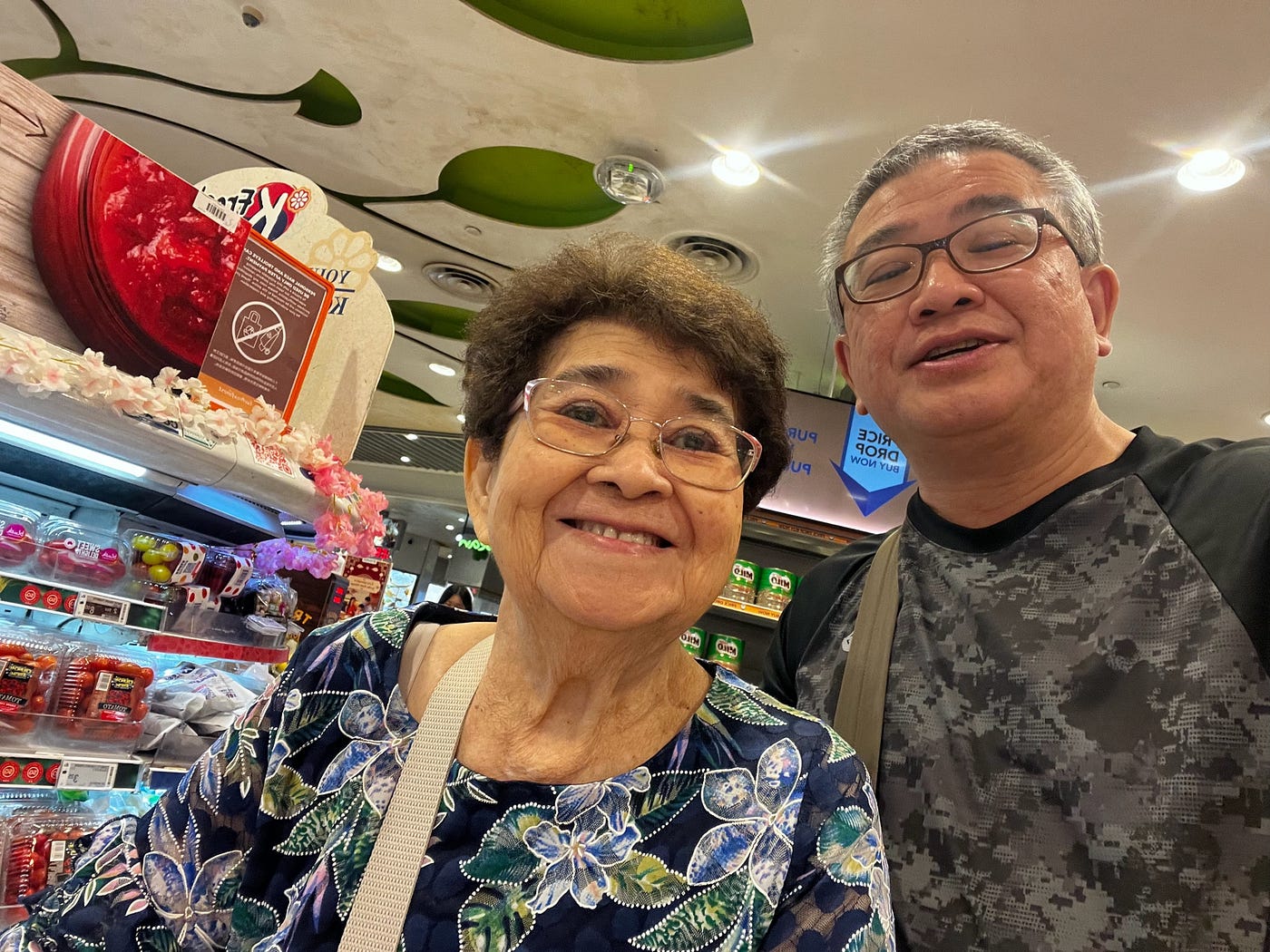
One day, during an ordinary conversation with my mother, I realised that her memory was not as strong as before.
At first, it seemed small.
She repeated a story she had already told me a few days earlier. She paused in the middle of a sentence, searching for a familiar word. Sometimes she misplaced simple things and spent a few minutes looking for them before gently laughing it off. I told myself these were natural signs of ageing. After all, everyone forgets things occasionally.
But over time, I began noticing more.
There were moments when she asked the same question twice within a short period. Sometimes, she would stop and stare quietly, trying to recall a detail that once came effortlessly to her. On certain days, she seemed slightly frustrated with herself, although she rarely admitted it openly.
As her child, these moments touched me more deeply than I expected.
Perhaps it is because, in my heart, parents always seem larger than time itself when we are young. We grow up believing they are steady pillars that will always remain unchanged. We never imagine that one day, the people who guided us through life may themselves begin walking more slowly through the corridors of memory.
My mother was not just any mother. She was a teacher.
For many years, she taught English, Science, and Mathematics. Three subjects that shape how young people understand the world around them. English taught communication and expression. Science taught curiosity and logic. Mathematics taught discipline and structure. Looking back now, I realise that these were not merely academic subjects to her. They were tools she used to prepare students for life.
I still remember seeing her surrounded by books, notes, worksheets, and stacks of students’ assignments. There were evenings when she sat quietly at the table marking papers long after dinner. Sometimes, while others rested, she continued preparing lesson plans for the next day.
As a child, I did not fully understand the weight of those responsibilities.
To me, it was simply normal for my mother to be always busy. Normal that she woke up early. Normal that she spent weekends doing school work. Normal that she carried herself with patience even when she was clearly tired.
Only when I became older did I begin to understand what teaching truly required.
A teacher does not merely transfer information. A teacher gives energy, attention, and emotional strength every single day. To stand before a classroom of young minds requires patience that many people underestimate. Some students learn quickly. Some struggle silently. Some need encouragement more than instruction. Yet a good teacher continues trying.
My mother did that for years.
I sometimes wonder how many students she influenced throughout her career. Perhaps there are adults today who still remember a sentence she once said to encourage them. Perhaps there are former students who gained confidence in Mathematics because she patiently explained a difficult concept one more time. Perhaps someone discovered a love for Science because of the way she taught it. Perhaps someone improved their English because she believed they could.
Teachers rarely see the full results of their labour.
Seeds planted in classrooms may only bloom many years later. Yet teachers continue planting them anyway.
That was the kind of person my mother was.
When I reflect on my childhood, I realise many of the values I carry today were not taught through lectures. They were taught through observation. I watched how she fulfilled her responsibilities even when she was tired. I watched how she remained committed to her work. How she committed her life to us. I saw how seriously she took education because she believed knowledge could improve lives.
In many ways, her life was built upon quiet sacrifice.
There is a kind of sacrifice that does not announce itself loudly. It does not seek recognition or applause. It simply continues day after day in ordinary acts of care. Waking up early. Preparing meals. Marking papers late into the night. Saving money carefully. Worrying about children silently. Carrying responsibilities without complaint.
Parents often love in this quiet way.
When we are young, we rarely notice these things. We assume life simply functions naturally around us. Only later do we realise how much effort was hidden behind our ordinary days.
As I grew older, I began seeing my mother differently.
Not just as “Mom,” but as a human being who had dreams, burdens, fears, exhaustion, and responsibilities. A woman who dedicated much of her life to raising children while serving generations of students.
And now, time has begun touching her gently.
The mind that once remembered lesson plans, students’ names, schedules, formulas, grammar rules, and countless responsibilities sometimes hesitates over small details. The woman who once guided others through learning occasionally struggles to recall certain things herself.
There is a sadness in witnessing this.
Not a loud sadness, but a quiet ache that sits deeply in the heart.
Sometimes, while listening to her speak, I become aware that time is moving faster than I want it to. I realise that parents do not remain unchanged forever. Their steps become slower. Their voices softer. Their memories less certain.
When I was younger, I thought strength meant independence. I thought growing older meant becoming self-sufficient and capable. But now, I am beginning to understand another side of maturity.
True maturity is not merely becoming strong for ourselves. It is becoming strong enough to care for those who once cared for us.
There is something deeply humbling about this reversal of roles.
When I was a child, my mother guided me through confusion. She reminded me of things I forgot. She repeated instructions patiently. She protected me when I was vulnerable. She encouraged me when I lacked confidence.
Now, life slowly brings me opportunities to return some of that care.
If she repeats herself, I must learn patience. If she forgets something, I must respond gently. If she becomes frustrated, I must offer reassurance instead of irritation.
Because love is tested most meaningfully not during convenient moments, but during difficult and repetitive ones.
Anyone can say they love their parents. But true love is revealed in consistency, patience, and presence.
I know there may be more challenging days ahead.
Perhaps there will be moments when conversations become repetitive. Perhaps there will be days when memory fades further. Perhaps there will be frustrations, misunderstandings, and emotional moments that neither of us can fully control.
But even as these possibilities exist, one truth remains unchanged in my heart:
I will do my best to care for her.
Not because I am forced to. Not because society expects it. But because gratitude demands it. But because I love my mom.
How can I not care for the person who once cared for me before I could even care for myself?
How can I forget the years she spent nurturing, teaching, protecting, and sacrificing?
In Asian families, especially, love is often not spoken of dramatically. It is expressed through actions. Through food prepared quietly. Through reminders to take care. Through sacrifices that are never mentioned openly.
My mother belonged to that generation.
A generation that expressed love more through responsibility than words.
Looking back, I realise that many of the things she did were acts of love disguised as ordinary routine. Ensuring we studied properly. Worrying about our future. Encouraging discipline. Making sure we had enough.
At that time, I may not always have fully understood her intentions. Like many children, I probably focused more on freedom than on appreciating sacrifice.
But age changes perspective.
As we grow older, we begin to understand our parents not merely through our childhood emotions but through adult awareness.
We realise they were doing the best they could with the burdens they carried.
We realise they were human too.
And strangely, seeing their vulnerabilities often deepens our love rather than weakens it.
Today, when I look at my mother, I do not see weakness. I see a life filled with contribution.
I see decades of teaching.
I see years of sacrifice.
I see resilience.
I see a woman who helped shape young minds while quietly shaping her own family.
Memory may fade in certain ways, but dignity should never fade.
The elderly do not merely need medical support or physical assistance. They need emotional dignity. They need patience. They need people who will still listen to them carefully, even when conversations become slower.
Sometimes, I think modern society moves too quickly. Everyone is rushing somewhere. Productivity becomes more valued than presence. Efficiency becomes more important than patience.
But caring for ageing parents teaches something different.
It teaches us to slow down.
To repeat gently.
To listen carefully.
To treasure ordinary conversations while they still exist.
One day, there may come a time when even these simple conversations become impossible. And when that day comes, people rarely regret spending “too much” time with loved ones. More often, they regret the moments they were too busy, too impatient, or too distracted.
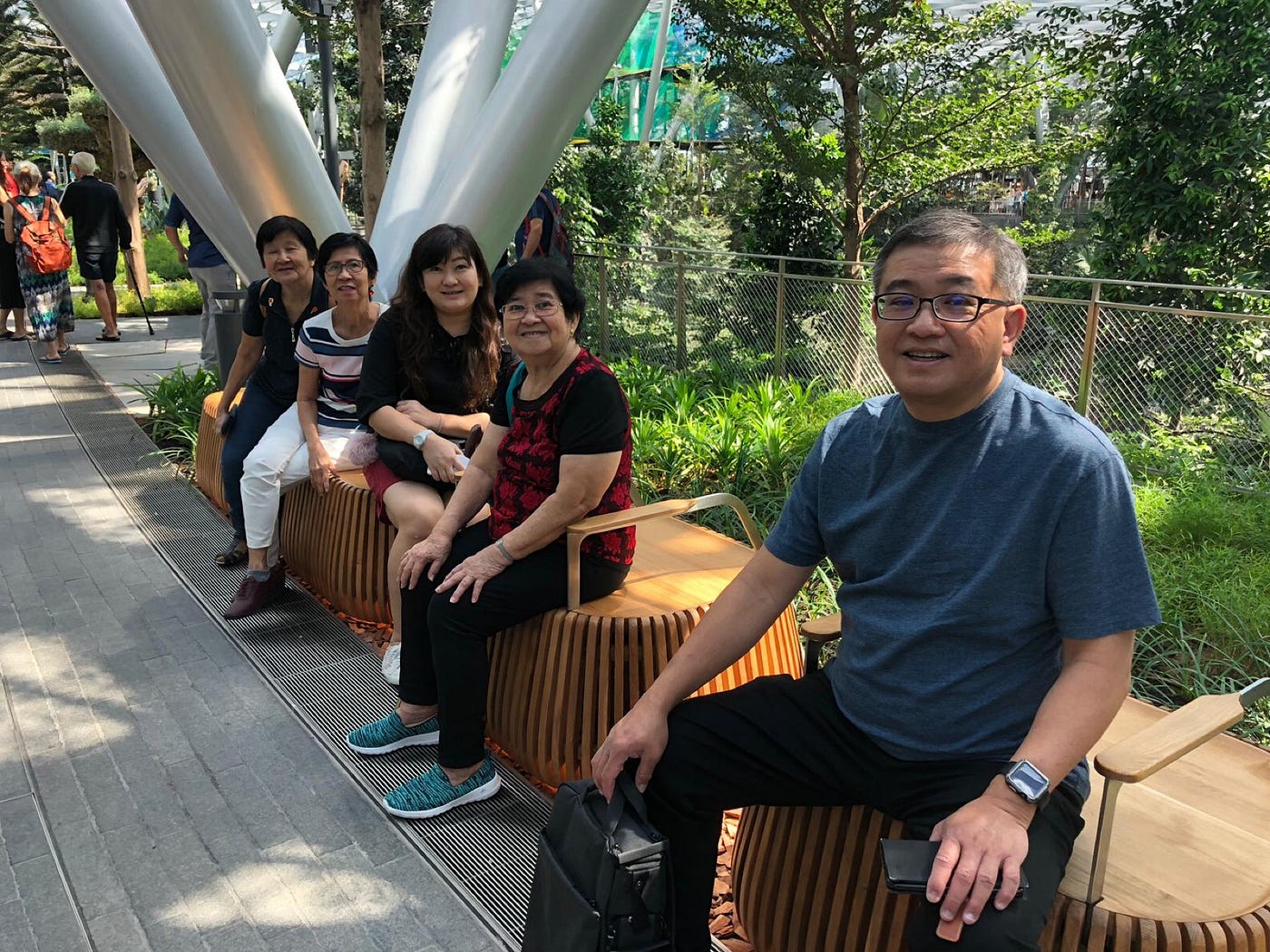
That is why I want to cherish the present while I still can.
Even small things now feel meaningful.
A meal together.
A simple conversation.
A short walk.
An ordinary laugh.
These moments may seem insignificant at first glance, yet they quietly become priceless over time.
Life has a way of teaching us what truly matters, but often only gradually.
When we are young, we chase achievement, recognition, and success. We believe life is mainly about moving forward. Yet as time passes, we begin to realise that some of the most meaningful parts of life are not found in ambition alone.
They are found in relationships.
In gratitude.
In remembering those who walked beside us long before we understood their sacrifices.
My mother once spent her life helping students learn and grow. Now, perhaps life is teaching me something through her as well.
Patience.
Compassion.
Responsibility.
And unconditional care.
No matter what happens in the future, I hope she will always know one thing clearly:
She is not a burden.
She is loved.
Deeply loved.
The same woman who once held together classrooms, lesson plans, family responsibilities, and countless ordinary days deserves care, respect, and dignity in return.
And if her memory slowly fades in certain ways, I will remember for both of us.
I will remember the sacrifices.
I will remember the lessons.
I will remember the strength hidden behind ordinary days.
Most importantly, I will remember the love.
Because while memory may weaken with time, genuine love should grow stronger.
GOW Hui Yian BK HAN SuperWellior
mother #family #gratitude #love #teachers #agingparents #respect #lifelessons #caregiving #memory
메타데이터
- post_id
- d69bad3d988d
- slug
- when-memory-fades-love-must-remain-d69bad3d988d
- url
- https://medium.com/@TL.Ang/when-memory-fades-love-must-remain-d69bad3d988d
- canonical_url
- https://medium.com/@TL.Ang/when-memory-fades-love-must-remain-d69bad3d988d
- author_url
- https://medium.com/@TL.Ang
- status
- ok
- fetched_at
- 2026-06-20 20:29:01





